• Skip to primary navigation
  • Skip to main content
  • Skip to primary sidebar
  • Skip to footer

Whipperberry

WhipperBerry • Your Home For Creative Inspiration

  • Home
  • Recipes
    • Starters
    • Easy Weeknight Dinners
    • Main Dish
    • Salads
    • Side Dish
    • Soups & Stews
    • Desserts
    • Breakfast
    • Miscellaneous
  • Tutorials
    • Creative Crafts
    • DIY Decor
    • Fabric Crafts
    • Food How-To
    • Jewlery
    • Paint Projects
    • Paper Art
    • Party Styling
    • Photography and Graphic Design
    • Silhouette
  • Holidays
    • Easter
    • Mother’s Day
    • Father’s Day
    • 4th of July
    • Halloween
    • Thanksgiving
    • Christmas
    • Valentine’s Day
  • Gift Ideas
    • Gifts For Everyone
    • Gifts for Dad
    • Mother’s day
    • For The Girls
    • For The Kids
    • Teacher Gift Ideas
    • Christmas
  • Printables
    • Holiday
    • Gift Idea
    • LDS Primary
  • Travel
  • About
    • Terms
  • Contact
  • Nav Social Menu

    • Facebook
    • Instagram
    • Pinterest
    • RSS
    • Twitter

Search Results for: shutters

How to Transform Your Home’s Look With Stylish Exterior Shutters

0 · Apr 1, 2025 · Leave a Comment

Have you noticed that your home blends in with every other on your street? This common issue leaves many feeling that their home lacks a unique touch. The good news is that there’s a straightforward solution that won’t break the bank. 

Stylish exterior window shutters can radically transform the look of your home’s facade. Not only do they add a distinctive charm, but they also offer functional benefits. 

This article delves into how choosing the right shutters can boost your home’s curb appeal and functionality. You’ll discover various styles, materials, and practical advantages that can help make your home stand out in the neighborhood.

1. Assessing Your Home’s Exterior Needs

First, identify the architectural style of your home. Shutters that complement a Colonial might not suit a Modern design. For Colonial homes, traditional panel shutters can offer better historical accuracy. Modern homes benefit from sleek, minimalist shutter designs that emphasize clean lines.

Next, evaluate your home’s current exterior. Look for elements that might clash with new shutters. Assess the paint condition, windows, and facade materials. This step ensures that the shutters will not only match but also enhance the existing features rather than creating discord.

By considering both style and current condition, you ensure a cohesive look that enhances your home’s curb appeal.

Home with Stylish Exterior Shutters

2. Choosing the Right Type of Shutters

Shutter products come in a variety of styles. Choosing the right materials for shutters is crucial for both aesthetics and durability. Wood shutters offer a classic look but require regular maintenance to prevent decay. If this interests you, consider checking out some durable cedar shutters from reliable suppliers.

Exterior vinyl shutters are durable, easy to maintain, and resist weathering. Composite shutters provide the appearance of wood with greater durability and less upkeep. Aluminum shutters are the strongest, ideal for areas with severe weather, offering excellent protection and minimal maintenance.

When selecting styles, consider panel shutters for a traditional look or louvered shutters for adjustable ventilation. Board and batten shutters bring a rustic charm, while Bahama shutters add a tropical feel and allow for privacy and storm protection. You may also have to decide between functional shutters and decorative shutters.

Each exterior shutter style serves a specific purpose, ensuring you can find the perfect shutters for your home.

3. Color Coordination and Aesthetics

Selecting the right color for your shutters is vital to achieving a harmonious look. Choose color options that either contrast nicely with or complement your home’s paint and trim. Dark shutters on a light facade create a bold, eye-catching contrast, while matching the trim color offers a cohesive appearance.

The design details also play a significant role. The right hardware, such as hinges and holdbacks, adds a functional yet decorative touch that can elevate the overall aesthetic.

Opt for finishes that match or accentuate other metalwork on your home’s exterior. These small touches bring your home’s style together and ensure the shutters enhance rather than detract from your home’s visual appeal.

4. Functional Benefits of Exterior Shutters

Exterior shutters provide more than just aesthetic appeal; they enhance privacy and security. Closed shutters shield your home from prying eyes, maintaining your personal space. They also serve as an additional barrier, deterring potential intruders and protecting windows from impact.

Shutters offer energy efficiency benefits as well. They act as insulation layers, keeping your home warmer in winter and cooler in summer. This insulation helps reduce heating and cooling costs, making shutters a smart choice for energy conservation.

These functional advantages make exterior shutters a practical addition to your home, contributing to both security and cost savings.

5. DIY Installation vs. Professional Help

Installing shutters yourself can be a rewarding DIY project. Start by measuring your windows accurately to ensure you purchase the correct standard size.

Next, gather your tools, including a drill, level, and screws. Attach the shutter hinges to your window frame, ensuring they’re level. Hang the shutters on the hinges and secure them with the provided functional hardware.

However, consider hiring professionals if your home has unusually shaped windows or if you aren’t confident in your DIY skills. Professional installers can ensure that shutters are installed securely and correctly, which is crucial for them to function properly and look their best.

Deciding between DIY and professional installation depends on your comfort with handiwork and the complexity of the job.

6. Maintenance and Upkeep

Maintaining your shutters is key to their longevity. For wooden shutters, regular painting or staining is necessary to prevent weather damage.

Vinyl and composite shutters can be kept in good condition with simple soap and water cleaning. Aluminum shutters, though highly durable, should be checked periodically for any signs of oxidation.

Regarding long-term care, consider the material’s lifespan. Wood shutters may need replacement every 10 to 20 years, depending on climate conditions. Vinyl and composite materials typically last longer, but they might require replacement if they warp or fade.

Regular assessments will help you decide when it’s time to replace shutters to maintain your home’s aesthetic appeal and structural integrity.

Stylish Exterior Shutters

Stylish Exterior Shutters Can Transform Your Home’s Overall Look

Consider how new shutters could transform both the personality and functionality of your home. This simple addition could elevate your home’s aesthetic, give you a beautiful curb appeal, increase privacy, and even enhance energy efficiency. Reflect on the different styles, materials, and colors that could complement your home’s existing decor.

If you’re hesitant to commit to a full home makeover, start small. Try installing shutters on just one window. This approach lets you see the impact without overwhelming investment or effort. It’s an excellent way to test different styles and understand their effect on your home’s ambiance.

For those ready to take the next step, visit a local showroom or consult with a design expert. Seeing materials and examples in person can significantly aid in making informed decisions, ensuring you choose the perfect shutters for your home.

10 Space-Saving Window Treatments Every Tiny Home Needs

0 · Apr 19, 2026 · Leave a Comment

In a tiny home, every square inch matters. Storage, layout, and furniture often get the spotlight, but window treatments play a major role in how a small space feels and functions. The right choice can maximise natural light, preserve privacy, and even create the illusion of more space, all without adding clutter.

As architect Ludwig Mies van der Rohe famously said, “Less is more.” Nowhere is that philosophy more relevant than in tiny house living, where simplicity and smart design go hand in hand.

Below, we explore ten space-saving window treatments that deliver both style and practicality, perfect for making the most of compact living.

1. Sheer Voile Curtains

Lightweight and airy, sheer voile curtains are a go-to for tiny homes. They soften natural light without blocking it, helping small interiors feel open and breathable.

Unlike heavy drapes, voile curtains don’t visually “weigh down” a room. Instead, they create a subtle boundary between inside and out, offering daytime privacy while maintaining brightness.

For a tailored fit in compact spaces, made-to-measure options like those from Terrys Fabrics allow homeowners to avoid excess fabric bulk while achieving a clean, streamlined look.

2. Roller Blinds

Roller blinds are one of the most efficient window treatments available. When fully raised, they disappear almost entirely, freeing up wall and window space.

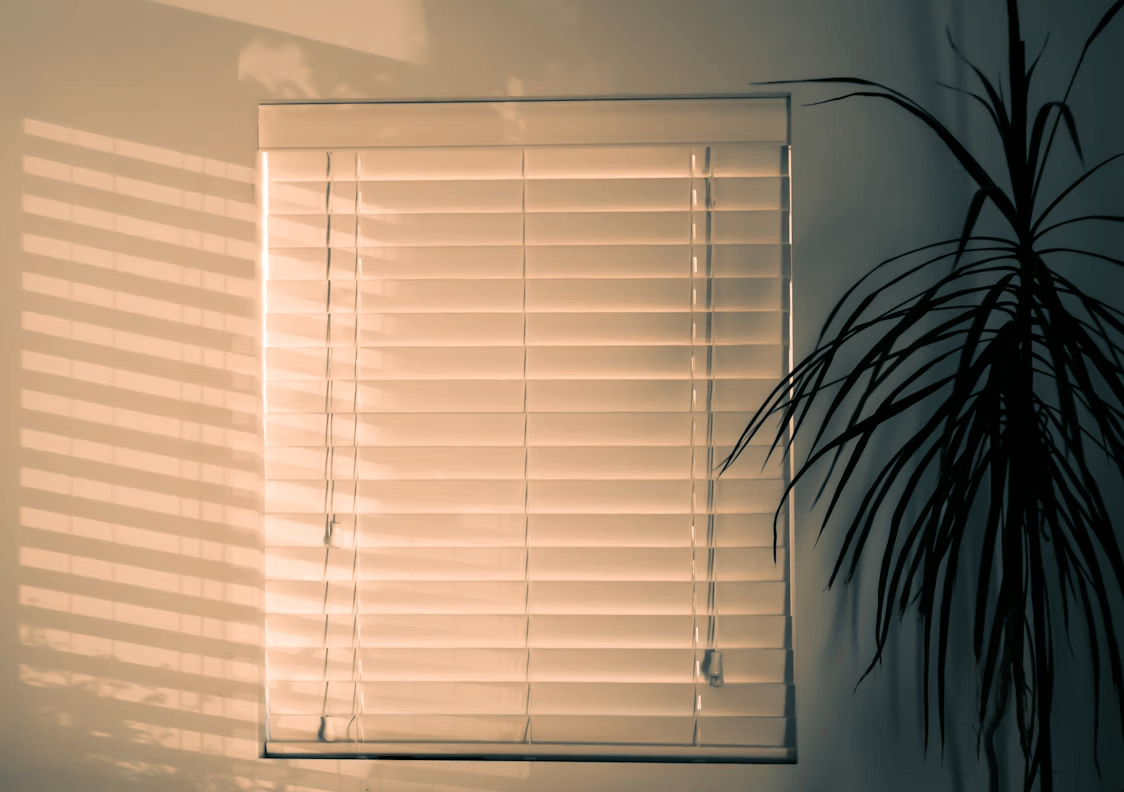
Potted plant by window with space-saving blinds

They’re particularly useful in multifunctional areas, such as a kitchen-living combo, where visual clutter can quickly accumulate. Available in blackout, light-filtering, or solar fabrics, roller blinds offer flexibility without sacrificing minimalism.

3. Roman Shades

Roman shades combine softness with structure. When raised, they fold neatly into horizontal pleats rather than bunching up, making them a more compact alternative to traditional curtains.

Their clean lines suit modern tiny homes, while fabric choices can add texture without overwhelming the room. Interior designers often recommend Roman shades for small spaces because they strike a balance between decorative and functional.

4. Cellular (Honeycomb) Shades

Cellular shades are a favorite in tiny homes that prioritize energy efficiency. Their unique honeycomb structure traps air, helping regulate indoor temperature, an important feature in small, enclosed spaces.

According to the U.S. Department of Energy, window treatments like cellular shades can reduce heat loss through windows by up to 40% in colder months. That’s a practical benefit for tiny homeowners aiming to reduce energy consumption.

They’re also compact, folding tightly when raised and maintaining a sleek profile.

5. Café Curtains

Café curtains cover only the lower half of a window, offering privacy without blocking light from above. This makes them ideal for tiny kitchens, bathrooms, or street-facing windows.

They bring a touch of charm while maintaining openness, something that’s crucial in small interiors. Because they use less fabric, they also reduce visual clutter and are easy to install.

6. Sliding Panel Track Blinds

For larger windows or glass doors, sliding panel track blinds are a smart, space-conscious solution. Instead of swinging open like traditional curtains, panels glide along a track.

Tiny home room with a glass door, table

This keeps the surrounding area clear, which is especially useful in tight layouts where furniture placement is limited. Their flat, vertical design also enhances the clean, modern aesthetic common in tiny homes.

7. Magnetic or No-Drill Blinds

Tiny homes often require flexible, non-permanent solutions, especially for renters or mobile dwellings. Magnetic or no-drill blinds attach directly to window frames without hardware.

They’re ideal for small or awkward windows, such as those in loft sleeping areas or bathrooms. Their lightweight design ensures they don’t interfere with limited wall space or structural elements.

8. Top-Down Bottom-Up Shades

These versatile shades allow you to lower the top or raise the bottom, giving you control over light and privacy.

In a tiny home, this adaptability is invaluable. You can let in natural light from above while maintaining privacy at eye level, perfect for urban settings or closely spaced homes.

This dual functionality eliminates the need for layered treatments, keeping the overall look simple and uncluttered.

9. Shutters (Interior Plantation Style)

While shutters might seem bulky at first glance, interior plantation shutters can actually save space when designed correctly. They sit flush within the window frame and don’t require additional clearance like curtains.

Their adjustable slats provide excellent control over light and airflow, making them a practical long-term investment. Plus, their clean, architectural look aligns with the minimalist ethos of tiny living.

Space-saving window blinds on a

As designer Nate Berkus puts it, “Your home should tell the story of who you are.” In tiny homes, shutters can contribute to that story through thoughtful, enduring design.

10. Tension Rod Curtains

Tension rods are a simple yet effective solution for tiny spaces. They fit snugly within window frames, eliminating the need for bulky curtain rods or hardware.

This approach works particularly well for small windows, alcoves, or even as room dividers. Paired with lightweight fabrics, tension rod curtains offer flexibility without permanent installation, ideal for evolving tiny home layouts.

Why Window Treatments Matter in Tiny Homes

Window treatments do more than cover glass. They shape how a space feels and functions. In small homes, they influence:

● Perceived space: Light, minimal treatments make rooms feel larger

● Energy efficiency: Insulating options reduce heating and cooling needs

● Privacy: Essential in compact or urban settings

● Aesthetic cohesion: Clean lines and simple designs prevent visual clutter

Research published by the American Society of Interior Designers highlights that natural light significantly improves mood and productivity, an important consideration when living in a smaller footprint.

Choosing the Right Option for Your Space

When selecting window treatments for a tiny home, consider:

● Window size and placement: Larger windows may benefit from sliding panels, while smaller ones suit café curtains or tension rods

● Light needs: Sheer fabrics maximise daylight, while blackout options support better sleep

● Mobility: If your tiny home is on wheels, opt for secure, low-profile designs

● Style consistency: Stick to a cohesive palette to avoid visual clutter

Ultimately, the best solution is one that enhances both function and comfort without overwhelming the space.

Conclusion

Tiny homes demand thoughtful design choices, and window treatments are no exception. From airy voile curtains to compact cellular shades, the right options can transform how a small space looks and feels.

By prioritising simplicity, flexibility, and light control, you can create a home that feels open, comfortable, and uniquely yours, no matter its size. As Mies van der Rohe’s words remind us, embracing less often leads to more. In tiny living, that principle is essential.

References

  1. U.S. Department of Energy. Energy Saver Guide: Window Coverings.
    https://www.energy.gov/energysaver/window-coverings
  2. American Society of Interior Designers (ASID). Impact of Interior Design on Health and Wellbeing.
  3. NAHB (National Association of Home Builders). What Home Buyers Really Want (Housing Trends Report).
  4. Tiny House Society. Designing for Small Spaces: Tips and Trends.
    https://www.tinyhousesociety.com
  5. Architectural Digest. Small Space Design Ideas That Maximise Light and Function.
  6. Houzz. Window Treatment Ideas for Small Spaces.
  7. Energy.gov. Insulation and Air Sealing for Homes.
  8. Berkus, Nate. The Things That Matter. Spiegel & Grau, 2012.
  9. Mies van der Rohe, Ludwig. On Architecture and Design Philosophy. (Collected quotes and writings)

Simple Ways to Boost Your Home’s Curb Appeal Without a Full Renovation

0 · Apr 17, 2026 · Leave a Comment

Curb appeal is one of those things you notice right away, even before stepping inside a home. As a mom who loves creating a warm and welcoming space for my family, I know how much those first impressions matter. A clean and cared-for exterior not only feels inviting, it also adds value over time.

The best part is you do not need a big renovation to see a difference. With a few simple home improvement projects, you can freshen up your curb space in just a weekend or two. From small DIY updates to easy outdoor fixes, these ideas will help you create a home that feels just as good on the outside as it does on the inside.

home curb

Start With the Structure Above Your Head

The roofline is one of the first things people notice when they pull up to a home, even if they do not realize it consciously. Stained shingles, sagging sections, or patches of moss can drag down the look of an otherwise tidy property and make the entire house feel neglected.

Clearing debris from the valleys and gutters can make the roof look years younger without much effort at all. Small fixes like replacing a few loose shingles or touching up flashing around vents also go a long way.

But if the damage runs deeper than a quick cleanup, get in touch with a local Kansas City roofing company to inspect the surface and determine whether a partial repair will hold up or if something more needs to be done. When the top of the house looks sharp, everything below it tends to read as more polished, too.

Give the Front Door a Fresh Personality

The front door is the focal point of the entryway, and it carries a lot of visual weight for something so small. A fresh coat of paint in a confident color can change the entire feel of the facade without costing much at all.

Deep blues, warm reds, soft sage greens, and crisp blacks all tend to photograph well and hold up against changing light throughout the day. While you are at it, consider swapping out tired hardware like the handle, knocker, or kick plate for something that feels current.

A new welcome mat and a seasonal wreath round out the look without trying too hard. These are the kinds of updates that take an afternoon but get noticed every single time someone approaches the house.

Refresh the Landscaping Without Starting Over

You do not need to rip out the yard to make it look better. Most lawns just need consistent attention rather than dramatic change. Start by trimming back overgrown shrubs, pulling weeds from flower beds, and edging along the walkways and driveway to create clean, defined lines.

Fresh mulch in a rich brown or black shade instantly makes plantings look intentional and pulls the whole yard together. If there are bare spots in the grass, overseeding them during the right season will fill things in naturally.

Adding a few seasonal flowers near the entry or along the front walk brings color without committing to a full redesign. The goal is not perfection; it is the sense that someone is paying attention.

Clean What You Already Have

It is easy to underestimate how much dirt builds up on a home’s exterior over the years. Siding, brick, concrete, and painted trim all collect grime, pollen, and faded residue that dulls the overall appearance.

A careful pressure washing session can lift years of buildup from the driveway, sidewalks, porch, and lower walls, revealing surfaces that look close to new. Windows deserve the same treatment, both inside and out, because sparkling glass changes how light plays across the front of the house.

Do not forget the light fixtures near the door and garage, which often hold cobwebs and dust that are easy to miss. A thorough cleaning costs very little and often makes the biggest visible difference of anything on this list.

boost home

Upgrade the Lighting Thoughtfully

Good exterior lighting does two things at once. It makes the home safer to approach after dark, and it turns the facade into something worth looking at during the evening hours. Dated porch lanterns with yellowing glass can be swapped for cleaner, more modern fixtures that suit the style of the house.

Pathway lights along the front walk guide visitors in and add a soft glow that feels welcoming. Uplighting aimed at a favorite tree or architectural feature creates depth and drama without being flashy.

Warm white bulbs tend to feel more inviting than cool blue tones, which can come across as harsh. Once the lighting is dialed in, the house looks good around the clock rather than just during the day.

Pay Attention to the Small Details

Curb appeal often comes down to the little things most people overlook. House numbers that are faded, crooked, or hard to read should be replaced with something larger and easier to see from the street.

A rusty mailbox can be repainted or swapped out for a cleaner model that matches the style of the home. Shutters that have lost their color can be repainted, and railings that wobble should be tightened or replaced.

Even the driveway benefits from a quick check; stained concrete can be cleaned, and small cracks can be sealed before they grow. These details are easy to ignore individually, but together they tell a story about how the home is kept.

Add Personality With a Few Thoughtful Touches

When it comes to curb appeal, it is often the simple things that make the biggest difference. A little time spent cleaning, updating, and adding thoughtful touches can completely change how your home looks and feels.

As a busy mom, I love projects that are practical, affordable, and still make a big impact. The idea is to add one or two pieces that feel personal without cluttering the space. You do not need perfection. You just need a space that feels cared for and welcoming.

With a few of these easy updates, your home can become a place that not only looks beautiful from the street, but also feels like home the moment you arrive.

The Emotional Side of Finding a Forever Home (and Making It Beautiful)

0 · Mar 26, 2026 · Leave a Comment

Buying your forever home is exciting (and stressful) for anyone.

But looking beyond mortgage interest rates and square footage, there’s an emotional side to finding that perfect place to hang your hat. From the stress of searching and closing to making it feel like home… it can really take a toll on your feelings.

Truth be told… there’s actually a lot more that goes into finding your forever home than most people think.

Here’s what’s covered:

  1. The Emotional Rollercoaster of Buying a Home
  2. Why Every Home Sale Should Be A Quick Home Sale
  3. How to Make your New House Feel Like Home
  4. How Your Home Impacts your Mental Health
forever home

The Emotional Rollercoaster of Buying a Home

Homebuying is the most stressful life event of the 21st century.

Actually. According to a recent national study, 53% of home buyers say that buying a home is more stressful than any other major life event. Marriage, changing jobs… even moving itself isn’t as stressful!

What causes homebuying to be so stressful?

Let’s break it down…

Searching for the right house. Dealing with endless paperwork. Inspections. Negotiations. It’s enough to drive anyone insane. Home buyers have even reported losing sleep over finding the right one. And 42% of buyers have had family disagreements because of the homebuying process.

But despite all of that…

Once you finally find that forever home, most buyers would do it all again. Buying a house isn’t just about finding a place to sleep at night. It’s one of the most important steps a family can take towards growing their wealth. When you realize all of the emotions involved with ownership, dealing with stress and anxieties of the process can seem almost worth it.

Hiring the right team to help you understand homeownership and easily buy your dream home can make all the difference. Check out real home buyers testimonials to see how a quick home sale can happen with the right real estate agents on your side.

Why A Quick Home Sale Should Be Everyones Goal

Selling your home as fast as possible is beneficial for everyone.

If you’re buying or selling a house, any anxiety about timelines can usually be resolved with a quick home sale. The less time your home spends sitting on the market, the less you have to worry about things not going according to plan.

Here’s why…

Sitting on the market for too long can make sellers anxious about their pricing. And buyers start to get worried they may not find something they like. So the longer a home sits, the more emotions and anxieties from both sides start to build.

According to a recent survey, 60% of homeowners don’t know if now is even a good time to buy a home. That uncertainty can create a lot of doubt for buyers and sellers.

A quick sale means buyers will feel more confident moving forward with a purchase. And sellers can feel secure in the knowledge they won’t have to go through the process again for a long time.

A fast and efficient home sale means less emotional drama for everyone.

Making Your New House Feel Like Home

Bringing your keys home for the first time is only the beginning…

Making a house feel like home is one of the most satisfying feelings. But what does it really take to make a space feel like yours?

Well, it all comes down to creating your perfect environment.

Sure, picking paint colours and buying furniture are important steps. But if you really want to make your house feel like a home, try these tips:

  • Spend your time (and money) on the rooms you use every day. Don’t fret about finishing that guest bedroom right away. Focus on the kitchen, living room and bedroom first. That’s where you and your family will spend most of your time.
  • Hang family photos, posters and artwork. Add plants and knick-knacks that have meaning to you. These things seem small but they make a huge difference. Your house will feel like a home much quicker if you DIY decorate with things that are meaningful to you.
  • Don’t rush the process. Enjoy turning your house into your dream home.

More than 50% of homeowners tackle renovation projects within the first year of closing on a home. Kitchens and bathrooms are the most common rooms homeowners upgrade. But you don’t have to go crazy with renovations to make your house feel like home.

Sometimes all it takes is a new coat of paint or rearranging the furniture.

new home

How Does Your Home Impact Mental Health?

Did you know that your living space can directly impact your mental health?

Cluttered and chaotic environments can cause higher stress levels and lower your ability to focus. The opposite is also true.

Colour schemes can affect mood and energy levels. Certain colours can make you feel calm or relaxed. Use warm colours like soft yellows to make your space feel cozy and happy. Natural lighting can also affect mood.

Making your home beautiful isn’t just about decorating. When you take the time to design your living space with your family in mind, you’re creating an emotionally healthy environment to live in every day.

Renovations can be stressful. Over 85% of homeowners say they experience some sort of stress when going through a home renovation. But the happiness and satisfaction you’ll feel when it’s done will pay off.

A beautiful home can create emotional benefits for you and your family like…

  • Lower daily stress
  • Improved feelings of pride and accomplishment
  • Better connection to your living space
  • An overall happier and healthier state of mental wellbeing

Conclusion

Purchasing your forever home isn’t all sunshine and rainbows.

The process is stressful, emotional and sometimes downright scary. But so is every other step you take towards improving your financial position.

Taking the time to find the perfect home for you and your family is the best emotional investment you’ll ever make. Not only will you feel amazing walking into your dream home for the first time, but you’ll soon realize that how your home is designed can affect your mood and mental health every day.

Accelerating the home sale process with a real estate team you trust helps reduce stress on the front end. And investing in your home by making it beautiful will have emotional benefits for you and your family long after renovations are complete.

  • Page 1
  • Page 2
  • Page 3
  • Interim pages omitted …
  • Page 5
  • Go to Next Page »

Primary Sidebar

Heather from Whipperberry
Hello... my name is Heather and I'm the creator of WhipperBerry a creative lifestyle blog packed full of great recipes and creative ideas for your home and family. I find I am happiest when I'm living a creative life and I love to share what I've been up to along the way... Come explore, my hope is that you'll leave inspired!

Footer

  • Privacy Policy
  • Crafts
  • Food
  • Gifts
  • Holidays
  • Home
  • Mom Life
  • Recipes
  • Travel

Copyright © 2026 · Seasoned Pro