• Skip to primary navigation
  • Skip to main content
  • Skip to primary sidebar
  • Skip to footer

Whipperberry

WhipperBerry • Your Home For Creative Inspiration

  • Home
  • Recipes
    • Starters
    • Easy Weeknight Dinners
    • Main Dish
    • Salads
    • Side Dish
    • Soups & Stews
    • Desserts
    • Breakfast
    • Miscellaneous
  • Tutorials
    • Creative Crafts
    • DIY Decor
    • Fabric Crafts
    • Food How-To
    • Jewlery
    • Paint Projects
    • Paper Art
    • Party Styling
    • Photography and Graphic Design
    • Silhouette
  • Holidays
    • Easter
    • Mother’s Day
    • Father’s Day
    • 4th of July
    • Halloween
    • Thanksgiving
    • Christmas
    • Valentine’s Day
  • Gift Ideas
    • Gifts For Everyone
    • Gifts for Dad
    • Mother’s day
    • For The Girls
    • For The Kids
    • Teacher Gift Ideas
    • Christmas
  • Printables
    • Holiday
    • Gift Idea
    • LDS Primary
  • Travel
  • About
    • Terms
  • Contact
  • Nav Social Menu

    • Facebook
    • Instagram
    • Pinterest
    • RSS
    • Twitter

Search Results for: ageing

Why More Moms Are Choosing Balanced Plastic Surgery Over Bold Transformations

0 · Dec 3, 2025 · Leave a Comment

If you’re a mom juggling school runs, snack prep, and bedtime routines, the idea of “beauty transformations” can feel out of reach. For too long, dramatic plastic surgery promised quick fixes and visible makeovers. But many parents are realizing that those bold changes often come with trade-offs in appearance, time, energy, and comfort.

Instead, a more balanced approach to cosmetic care is finding favor among busy moms. This approach emphasizes subtle refinement that fits into a full life of family, work, and self-care. It helps you feel refreshed and confident while staying grounded in your daily rhythm.

Why “Transformation” Is Losing Its Appeal

There was a time when bold change meant status and confidence. Sharp before-and-after contrasts drew attention and praise. Over time, that kind of result began to feel disconnected from real life. Social platforms amplified unrealistic beauty, and many people grew tired of seeing faces that no longer felt natural.

Emotional burnout also played a role. Constant comparison created pressure to chase perfection. Instead of feeling inspired, many began to feel uneasy about visible alteration. Recognizability returned as a value. Looking like yourself again became more important than looking striking. This shift explains why bold change now elicits hesitation rather than excitement.

What Balanced Plastic Surgery Actually Focuses On

Balanced cosmetic care centers on refinement rather than replacement. The goal is to adjust the proportions, improve harmony, and support the existing structure without erasing identity. It works with the face or body instead of against it. A major reason for this shift is the desire to maintain individuality.

Many people now want to look like rested versions of themselves rather than entirely new ones. Outcomes feel more satisfying when personal features remain intact. Realistic expectations also play a critical role. Instead of chasing extreme outcomes, modern planning focuses on achievable improvement and long-term comfort. This leads to fewer regrets and stronger emotional satisfaction.

This philosophy is especially visible in communities like Los Gatos, where discretion and natural presentation are deeply valued. Many people researching facial plastic surgery in Los Gatos are drawn toward care led by specialists such as Dr. Fazilat, where proportion, restraint, and long-term harmony guide every decision rather than dramatic overhaul.

His approach reflects a careful balance between technical precision and aesthetic sensitivity, which aligns closely with what modern patients now seek. In this way, balance is not treated as a trend, but as a long-term standard for natural-looking results.

Balanced Plastic Surgery

The Psychology Behind Choosing Subtle Change

The decision for balance is rarely shallow. It is rooted in emotional safety. Many people want to feel better without fearing that they may no longer recognize themselves afterward. Identity protection plays a powerful role in decision-making.

There is also a deep link between appearance and self-worth. Balanced enhancement reduces long-held insecurities without creating social anxiety. Confidence feels steadier because it grows from comfort, not from reaction.

A quiet question sits behind many choices. Will the result help daily life or draw constant attention? That question alone steers many people toward restraint rather than dramatic change. Gradual improvement allows confidence to build without shock or self-doubt.

Lifestyle, Recovery, and Real World Practicality

Modern life leaves little room for long recovery periods. Work, family responsibilities, and public visibility all influence how people approach cosmetic care. Time away from routine now costs more than it once did.

Minimally invasive solutions and shorter recovery windows have reshaped expectations. People now look for options that fit into everyday schedules rather than disrupting them for months.

A common example appears among working parents. Long recovery no longer feels realistic. Smaller adjustments that allow a return to routine within days feel far more practical. Convenience has become a deciding factor, not just appearance alone.

Plastic Surgery

The Role of Skill, Precision, and Artistic Control

Balanced outcomes demand high-level precision. Restraint requires more judgment than exaggeration. Every decision must consider how one area affects another. The process becomes one of sculpting rather than altering.

Modern techniques now support this level of control. Planning involves fine detail and careful proportion mapping. The aim is harmony, not contrast.

True artistry shows in what remains natural. When enhancement cannot be easily detected, precision becomes the defining feature. This is why balanced care depends as much on technical planning as on vision and experience.

Conclusion

Choosing balanced plastic surgery can give you the confidence boost you deserve without turning your routine upside down. It lets you enhance what you already have rather than chasing dramatic change.

For moms who spend so much time caring for others, this gentle approach can feel like a welcome shift. When cosmetic care works with your real life, it helps you feel like yourself – only more rested, more confident, and more ready to take on the day.


5 Smart Ways to Stay Healthy During Holiday Feasts

0 · Nov 14, 2025 · Leave a Comment

Holiday seasons are a time for celebration. They are marked by family gatherings, warm meals, festive desserts, and traditions that often revolve around food. But big feasts also come with a familiar challenge: how do you stay healthy while still enjoying the holiday flavors you love?

In fact, when rich meals and sugary treats are around every corner, it becomes surprisingly easy to overdo it without even realizing it. Right? However, the good news is that staying healthy doesn’t mean restricting yourself or skipping your favorite dishes. It’s really about balance, awareness, and making a few smart choices that keep you energized instead of overwhelmed.

That being said, in this article, let’s discuss some smart, practical strategies to help you enjoy holiday meals while keeping your body feeling its best.

1. Start with Smart Portions, Not Elimination

Overeating is common during the holidays simply because the variety of foods encourages people to fill their plates without thinking. Hence, portion control is one of the easiest and most effective ways to stay healthy during holiday meals. It’s not about giving up the foods you love but knowing how much your body actually needs.

Three bowls of olives on red and white tablecloth

This is also where specialized eating guides, such as the healthy holiday kidney diet shared by the National Kidney Foundation of Hawaii, can help. These are especially beneficial for individuals who must be more mindful of sodium, potassium, and phosphorus intake.

A few simple portion strategies include:

● Start with smaller servings so you can taste everything without overeating.

● Use a smaller plate to naturally limit how much you take.

● Give yourself a 10-minute break before going for seconds.

When you slow down and serve deliberately, you enjoy the food more—and your body feels better afterward.

2. Choose Smart Substitutions That Don’t Sacrifice Flavor

Holiday dishes are often loaded with butter, cream, salt, and sugar. They taste amazing, but eating too many rich items at once leaves you feeling sluggish. By swapping a few ingredients or altering how dishes are prepared, you can enjoy the same flavors with a lighter impact on your health.

Smart substitutions may include:

● Use herbs, citrus, and spices instead of salt-heavy seasonings.

● Choose roasted or baked dishes instead of fried.

● Replace heavy cream with lighter alternatives when possible.

● Selecting homemade sauces rather than store-bought ones packed with sodium.

These changes don’t take away from the holiday experience. In fact, they often make meals feel fresher, more flavorful, and easier on your body.

3. Stay Hydrated to Control Appetite and Support Digestion

Most people underestimate how much hydration affects holiday eating. Between salty dishes, sweet treats, and alcoholic beverages, it’s easy to get dehydrated without realizing it. When you’re dehydrated, you feel hungrier, your digestion slows down, and your body struggles to process heavier meals.

Yellow water bottle in grass near soccer goal for staying healthy

On the other hand, staying hydrated keeps your body balanced, helps manage appetite, and supports smoother digestion. Helpful hydration habits include:

● Drinking water before a meal to prevent overeating.

● Sipping water between bites to pace yourself.

● Choosing water or sparkling water over alcoholic beverages.

● Adding lemon or berries to make water feel more festive.

You don’t have to drink gallons—just steady, consistent sips throughout the day help a lot.

4. Balance Heavy Foods with Lighter Options on Your Plate

Holiday tables are known for indulgence, but there are usually plenty of lighter options too—you just have to include them. Balancing your plate ensures you enjoy festive foods without overwhelming your system.

Try building your plate with:

● A portion of protein.

● One or two vegetable dishes.

● One indulgent favorite.

● A small serving of a carb-rich side.

This approach allows you to enjoy every type of dish without turning the meal into a nutritional overload. Many people find that adding colorful vegetables increases satisfaction, supports digestion, and balances out the richness of holiday meals. You don’t have to skip mashed potatoes or stuffing—just balance them with fresher, lighter items.

5. Stay Active

Holiday health isn’t just about food. Movement helps balance larger meals, keeps energy levels steady, and supports good digestion.

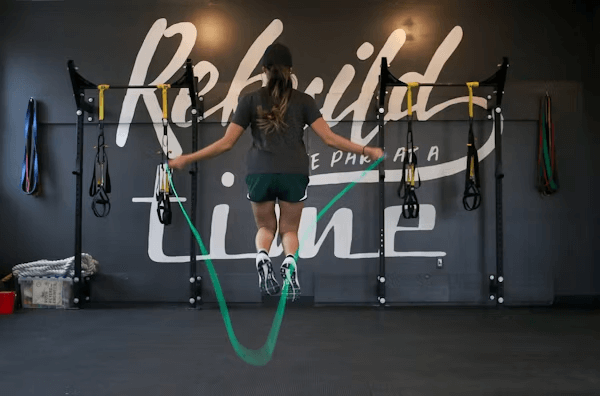
Woman jumping rope in gym for holiday fitness

Easy ways to stay active during holiday gatherings include:

● A short post-meal walk.

● Playing games with kids or family.

● Light stretching in the morning.

● Helping with setting up or cleaning up.

All in all, you don’t need a gym session—small, regular movements keep your body feeling light and energized.

Conclusion to Draw!

Holiday feasts are meant to be enjoyed, not feared. By making a few thoughtful choices, you can celebrate fully while still caring for your health. Smart portions, mindful substitutions, hydration, balanced plates, and staying aware of extras all go a long way in helping you feel your best.

Whether you’re simply trying to eat mindfully or following a specialized eating plan, these strategies help keep the holidays festive, delicious, and nourishing. Healthy choices empower you to enjoy every gathering, every flavor, and every tradition—without the discomfort that often follows big meals.

When Love Means Letting Go: How to Support Your Parent’s Move to Assisted Living

0 · Aug 8, 2025 · Leave a Comment

Some of life’s hardest decisions come wrapped in love. Realizing that your aging parent needs more care than you can provide at home is one of those moments. It’s a decision that can feel heavy, emotional, and even a little overwhelming.

But it’s also a decision born out of deep care— making sure your parent is safe, supported, and surrounded by companionship in their senior years. I’ve learned that when you approach this season with patience, empathy, and open communication, the transition can be not just manageable, but meaningful for both of you.

Here’s how to walk alongside your parent as they move into assisted living, while keeping love and dignity at the center of every step.

Recognize the Signs with Clarity, Not Denial

The first step in supporting your parents’ transition is truthfully acknowledging when home care becomes inadequate. Physical indicators might include;

  • Repeated falls
  • Trouble managing personal care
  • Difficulty with fundamental tasks like cooking or cleaning

Mental changes such as memory problems, disorientation about time or location, or weak judgment in everyday choices can indicate that more organized support is required.

Social withdrawal frequently comes with these difficulties. When your parent ceases engaging in activities they previously valued or appears increasingly isolated, professional care environments can offer the social engagement and mental activity that home settings may be missing. Notice these changes without downplaying their importance or expecting they’ll improve independently.

Photo by Centre for Ageing Better on Unsplash

Research Facilities Together

Convert the research process from a burden into a collaborative experience. Tour facilities together when feasible, enabling your parent to pose questions and picture themselves in various settings. Notice staff relationships with residents, the tidiness and comfort of shared spaces, and the range of programs available.

Throughout this process, you’ll probably encounter a significant distinction in choosing the right care between memory care and assisted living. Assisted living concentrates on supporting residents with daily tasks while preserving autonomy.

Memory care offers specialized assistance for individuals with dementia or Alzheimer’s disease in a protected setting. Grasping these differences guarantees your parent obtains suitable care for their particular requirements.

Involve Your Parent in Every Decision

Respect and dignity persist when independence diminishes. Involve your parent in conversations about their care requirements and visit facilities together whenever feasible.

Inquire about their preferences, worries, and what holds greatest importance to them in a living arrangement. This participation helps preserve their sense of control and makes the transition feel less imposed upon them and more like a joint choice.

Even when cognitive changes completely restrict people’s capacity to make complex decisions, feedback on smaller aspects like room decoration, daily schedules, or favored activities can significantly impact how they adapt to their new surroundings.

Establish New Routines for Connection

Your relationship with your parent continues beyond their relocation to assisted living; it transforms. Create consistent visiting schedules that suit both parties while allowing your parent time to adapt and develop new connections. Join facility events when suitable, and promote regular visits from other family members and friends.

Remain engaged in their care through ongoing communication with personnel, participation in care planning sessions, and support of their requirements and wishes. This continued participation guarantees consistency and demonstrates to your parents that your love and dedication remain constant.

Embrace the Positive Changes

Although the early adjustment phase can be difficult, many families find surprising advantages to assisted living situations. Parents frequently develop confidence from successfully managing a new setting, form significant friendships with fellow residents, and appreciate access to activities and programs unavailable at home.

Professional care personnel offer expertise and resources that family members cannot deliver. This assistance can enhance your parents’ overall quality while reducing overwhelming responsibilities from family caregivers who might have stressed relationships.

Navigate the Guilt with Self-Compassion

Guilt represents perhaps the most widespread emotion families encounter during this change. You could feel as though you’re forsaking your parent or that you ought to manage their care independently. These sentiments are typical and reasonable, but they shouldn’t control your choices.

Reshape the perspective: you’re not abandoning your parent, you’re championing their optimal possible life quality. Professional care centers provide round-the-clock assistance, social engagement with contemporaries, and specialized programs that simply aren’t obtainable at home. Sometimes the most caring action we can take is recognizing our constraints and pursuing professional assistance.

Create a Familiar Environment

Assist your parent in customizing their new living area with treasured possessions. Recognizable furniture, family photographs, beloved books, or significant artwork convert an institutional space into a comfortable home. Avoid duplicating their former living arrangement, but concentrate on items with the most important emotional value.

Address practical considerations, guarantee a comfortable reading chair, adequate lighting, and convenient access to personal care products. Minor additions like their preferred blanket or a plant they’ve tended can offer substantial comfort throughout the adaptation process.

Endnote

Helping a parent move into assisted living is never simple. It asks you to balance their needs with your own emotions, to navigate changes with patience, and to hold onto the heart of your relationship through it all.

When you lead with compassion and keep communication open, you’re not “sending them away.” You’re giving them access to care, safety, and a community that will help them thrive. You’re still their advocate, their anchor, and their family, just in a new way.

This isn’t an ending. It’s a new chapter where your parent can enjoy life with more support, and you can continue loving them in ways that matter most.

  • « Go to Previous Page
  • Page 1
  • Page 2
  • Page 3

Primary Sidebar

Heather from Whipperberry
Hello... my name is Heather and I'm the creator of WhipperBerry a creative lifestyle blog packed full of great recipes and creative ideas for your home and family. I find I am happiest when I'm living a creative life and I love to share what I've been up to along the way... Come explore, my hope is that you'll leave inspired!

Footer

  • Privacy Policy
  • Crafts
  • Food
  • Gifts
  • Holidays
  • Home
  • Mom Life
  • Recipes
  • Travel

Copyright © 2026 · Seasoned Pro