• Skip to primary navigation
  • Skip to main content
  • Skip to primary sidebar
  • Skip to footer

Whipperberry

WhipperBerry • Your Home For Creative Inspiration

  • Home
  • Recipes
    • Starters
    • Easy Weeknight Dinners
    • Main Dish
    • Salads
    • Side Dish
    • Soups & Stews
    • Desserts
    • Breakfast
    • Miscellaneous
  • Tutorials
    • Creative Crafts
    • DIY Decor
    • Fabric Crafts
    • Food How-To
    • Jewlery
    • Paint Projects
    • Paper Art
    • Party Styling
    • Photography and Graphic Design
    • Silhouette
  • Holidays
    • Easter
    • Mother’s Day
    • Father’s Day
    • 4th of July
    • Halloween
    • Thanksgiving
    • Christmas
    • Valentine’s Day
  • Gift Ideas
    • Gifts For Everyone
    • Gifts for Dad
    • Mother’s day
    • For The Girls
    • For The Kids
    • Teacher Gift Ideas
    • Christmas
  • Printables
    • Holiday
    • Gift Idea
    • LDS Primary
  • Travel
  • About
    • Terms
  • Contact
  • Nav Social Menu

    • Facebook
    • Instagram
    • Pinterest
    • RSS
    • Twitter

Summer

What to Expect From Your First Surf Lesson

0 · Jun 1, 2026 · Leave a Comment

Thinking about catching your very first wave?

You’re standing on the sand watching surfers catch waves. You think to yourself, “I’ll never be able to do that.” Wait…here’s something worth knowing. …Almost every surfer out there right now started where YOU are standing. Scared. Thrilled. Totally lost about what to do next.

The good news?

Surfing has become more accessible than ever, making it a fun activity for adults, teens, and adventurous families looking to try something new together. Did you know that surfing has never been bigger or more accessible than it is today? Currently there are approximately 35 million surfers in over 160 countries worldwide, and the majority of them learned just how you are about to… by taking a lesson with a patient instructor!

…and how you learn makes a bigger difference than most people realise. The difference between a frustrating first day and one you’ll never forget can usually be summed up in one word — instruction. Nail that and the rest is history.
First Surf Lesson

That’s what a good surf school can offer. Proper surf schools will provide you with the correct board, wave, and a person who actually knows how to teach you how to stand up. If you’re learning to surf in Cornwall you’ll find the county is awash with choice – and booking yourself in with one of the trusted surf schools newquay is by far the quickest way to progress from absolute beginner to cruising through whitewater in the same session. They’ve got the hard work covered, you just concentrate on enjoying yourself.

So what actually happens when you turn up for that first lesson? Read on.

Here’s what’s coming up:

  • Why a Surf School Beats Going It Alone
  • What to Bring (And What’s Already Sorted)
  • Your First Lesson, Minute by Minute
  • The First-Timer Fears Nobody Talks About

Why a Surf School Beats Going It Alone

You could buy an inexpensive board and hurl yourself into the ocean. Many do.

The issue is though… They spend the entire day getting tossed around, drinking salt water, and go home feeling like surfing is impossible. Double negativity.

A surf school skips all of that.

By definition, a surf school should take you from zero to surf-ready ASAP. Safely. Surfing has seen MASSIVE uptake across the UK in recent years — in fact participation has doubled in six years! According to Surfing England, the majority of newbies were reached through lessons. Why’s that?:

  • Instructors study surf conditions — they know what waves will work and which to avoid.
  • It’s already sorted for you – correct board size is everything.
  • You learn the proper technique first — so you never build bad habits.

Plus, a surf school eliminates all the guesswork from your day. No stress about tides. No freaking out about which beach to go to. It’s all taken care of — just show up, suit up and learn.

Learning to fly is similar. You can teach yourself…. but someone showing you the ropes is a lot quicker (and safer).

What to Bring (And What’s Already Sorted)

Here’s some good news for your wallet and your packing.

A good surf school has pretty much everything you’ll need. You shouldn’t need to purchase any expensive equipment before your first lesson. Typically you will be handed:

  • A wetsuit to keep you warm
  • A beginner-friendly foam board
  • A leash to keep the board attached to you

So what do you actually need to bring? Honestly, not much:

  • A swimsuit to wear under the wetsuit
  • A towel and a warm change of clothes
  • Sun cream (yes, even in the UK)
  • A bottle of water and a snack

Yeah, forget it. Leave your cool equipment at the store. As a newbie, a large soft foam board is your FRIEND ANYWAY…it’s MUCH more stable and forgiving than a thin shortboard.

And don’t worry about what you wear. No one at a novice lesson cares what you look like fumbling around putting on a wetsuit for the first time. Everyone is there as a rookie.

Your First Lesson, Minute by Minute

Wondering how the actual lesson plays out? It’s more structured than you’d think.

The Beach Briefing

Every great lesson begins onshore. Your instructor reviews water safety, identifying a rip current and basic water rules. This portion is important…It ensures your safety and will increase your confidence before you hit the water.

Pop-Up Practice on the Sand

Next is the pop-up — the manoeuvre that brings you from lying on the board to standing on it. You’ll repeat it many times on sand until it becomes automatic.

Sounds goofy jumping around on the beach. Trust the process though. Practicing your pop up on shore makes it a lot easier when you’re in the water.

Hitting the Whitewater

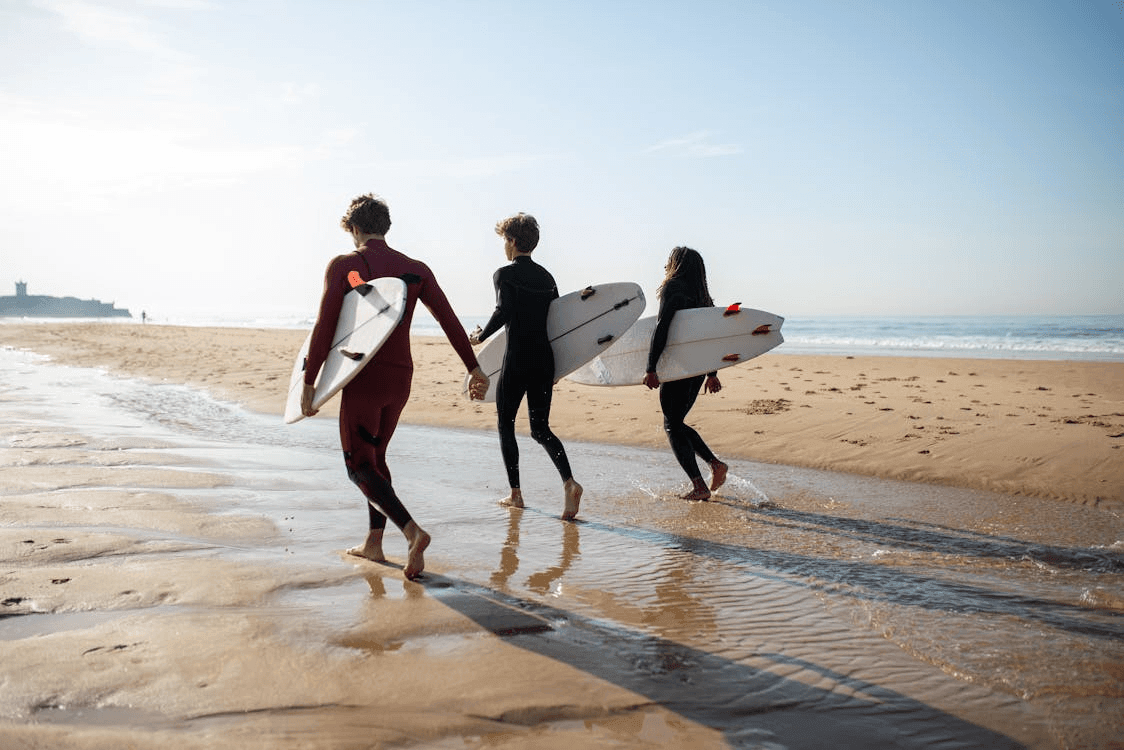
Okay, now for the good bit. You paddle into the shallow, bubbly whitewater (not the monster holes out the back). Your instructor usually bumps you into the wave and yells at you when to pop up.

And here’s the best part…

Most beginners stand up and catch a wave during their first lesson. That first taste of sliding across the water is what makes people love it forever.

You won’t be riding waves like a champion by the end of this, don’t worry. That is not the objective. The objective is to ride some waves, experience the thrill, and leave the beach proud that you did it.

Surf Lesson

The First-Timer Fears Nobody Talks About

A little nervous? Don’t be. So here are the fears that stop most beginners in their tracks — and why they shouldn’t stop you.

“I’m not in shape enough.” You do not need to be athletic. Surf lessons are geared to your ability, and the foam waves work for you.

“I can’t swim enough.” You’ll be in shallow water, where you can typically stand. Also, your board floats and your leash holds it nearby.

“I’m too old to start.” Not likely. Individuals learn to surf in their 40s, 50s and beyond. A quality surf school accepts all ages and abilities.

“What about sharks?” Over here? In Cornwall? You’re much more likely to meet a chummy sealie. Don’t worry.

Fact: Beginners’ lessons feel safe and easy. Nothing to worry about. You forget all about being afraid when you catch your first wave.

Time To Catch That First Wave

There you have it – what to expect from your first surf lesson.

To quickly recap, your first session will look something like this:

  • A safety briefing on the beach
  • Pop-up practice on the sand
  • Catching your first waves in the friendly whitewater
  • Walking off with a massive grin (and probably a new obsession)

The moral of the story? Don’t think about it too much. You don’t need to have experience, fancy equipment or be fit as a superhero to go surfing. You just need a wetsuit, a positive mindset and a reputable surf school to show you how!

Surfing seems scary when you’re standing on the sand. But with a board under your feet and salt water on your face, you’ll wish you’d done it sooner.

Whether you’re planning a family holiday, looking for a new hobby, or simply checking surfing off your bucket list, that first lesson could be the beginning of something you’ll love for years to come.

Surfing may seem intimidating from the shoreline, but once you’re out on the water and riding your first wave, you’ll understand why so many people keep coming back for more.

Book that lesson. Catch that wave. You might just discover your family’s next favorite beach adventure.

How To Set Up Your Caravan Awning in Any Weather

0 · Mar 20, 2025 · Leave a Comment

There’s something magical about setting up camp, stepping outside your caravan, and soaking in the beauty of nature. But let’s be honest—having a little extra space makes the experience even better! That’s where a caravan awning comes in handy. Whether you need shade on a sunny day, shelter from unexpected rain, or just a cozy outdoor nook for your family to gather, an awning can transform your campsite into a true home away from home.

But here’s the catch: Mother Nature doesn’t always cooperate. Strong winds, heavy rain, or even a surprise snow shower can quickly turn your relaxing retreat into a stressful situation—especially if your awning isn’t properly secured. I’ve been there, trying to wrestle with flapping fabric while keeping my little ones entertained, and trust me, it’s not fun!

The good news? With the right tools, techniques, and a little preparation, you can make sure your awning stays sturdy, durable, and functional no matter what the weather throws your way. So, here is a DIY-friendly guide on how to set up your caravan awning for a stress-free family camping experience!

Setting Up Your Caravan Awning

1. Setting Up in Sunny Weather

During the day, you need to be well prepared so that you can enjoy the sun while having a balanced shade and airflow.

Preparation

  • Location and Orientation: Select an area where there are few trees to hide from direct sunlight if the conditions allow. Choose a place to set up the caravan and the caravan awning to avoid direct sunshine during the hottest hours.
  • Equipment Check: Check the condition of poles, pegs, and guy ropes during your inspection. As for the external covering, it is necessary to choose an awning that is resistant to UV radiation as a result of high temperatures.

Setup Tips

  • Avoid Over-tensioning: When exposed to heat, fabric material is capable of stretching. Excessive tightening may result in unnecessary force exerted on the seams and poles.
  • Use Sunshades: Perhaps you should consider using further sunshades or extensions to your awning to get even better coverage.
  • Ventilation: You can open the side panels or the windows to create some ventilation because the side interior of the awning tends to get very hot.
  • Ground Anchors: Tighten the pegs by pushing them into the dry surface of the ground as hard as possible. Insert heavy-duty steel pegs in case of hard soil or pre-soak the soil to soften it before driving in pegs.

Maintenance

  • UV Protection: The fabric on the awning should be sprayed with a UV protectant spray to help with its durability.
  • Shade Management: Move blinds or curtains or use reflective sheets to shield from the sun throughout the day effectively.

How To Set Up Your Caravan Awning

2. Setting Up in Windy Weather

\Windy conditions need a lot of consideration in terms of planning and equipment to be used to prevent falling.

Preparation

  • Choose a Sheltered Spot: Try to use available natural sources such as trees and hedges as wind barriers. Park the caravan so the awning end will be blocked by the prevailing winds.
  • Inspect Equipment: Use heavy-duty guy ropes and reinforced poles. Look for wear or tear, particularly in the seams and zippers.

Setup Tips

  • Anchor Properly
  • In soft soils like sand soil, try to use the screw-in pegs for better anchorage.
  • Cross-brace guy ropes for extra stability.
  • Lower One Side: It is recommended that one side of the awning be less inclined than the other to minimize contact with the wind.
  • Install Storm Straps: Fasten the storm straps horizontally from the top end of the awning to the ground to increase tension and pull on them.
  • Avoid Full Extension: To avoid dragging the wind speeds, particularly during gusting weather, do not open your awning to its entire length.

Maintenance

  • Regular Checks: One should always check poles and guy ropes now and then to see whether they have stretched somewhere down the line.
  • Avoid Overnight Wind Damage: Draw in completely or merely fold the awning partly during the night, significantly if there is increased wind.

Setting Up A Caravan Awning

3. Setting Up in Rainy Weather

Extra precautions must be taken on rainy days to keep your awning watertight and effective.

Preparation

  • Waterproofing: Make sure a waterproof coating is applied to the awning cloth. If required, use seam sealants to stop leaks. If required, use seam sealants or high-quality RV roof tape to stop leaks and reinforce weak spots.
  • Selecting the Ground: Pick an area with adequate drainage. Steer clear of low-lying, flood-prone places.

Setup Tips

  • Adjust Pitch: Maintain the awning’s slope to make it easier for rainfall to drain off and avoid collecting on the roof.
  • Seal Gaps: To reduce water intrusion beneath the awning, use wheel arch covers and draft skirts.
  • Peg Placement: Using extra pegs can help secure the awning in the event of severe rain. For the pegs to stay firmly in place, ensure the ground is firm.
  • Awning Mats: Use permeable mats to prevent water from accumulating within the awning.

Maintenance

  • Drainage Management: Make sure there isn’t any water collecting on the roof by regularly checking and clearing it.
  • Drying the Awning: After a rainstorm, let the awning air dry thoroughly before storing it to avoid the growth of mold and mildew.

Caravan Awing Set Up

4. Safety Precautions

You must stay alert and ready for any unexpected weather changes to ensure your safety and the integrity of the awning.

1. Keep Tabs on Weather Updates

Be aware of how the weather is changing, and be prepared to move or disassemble your awning as needed.

2. Prevent Overloading

The structure of the awning frame may be weakened if large objects are hung on it, particularly during bad weather.

3. Have Emergency Plans in Place

Always have supplies, such as a first aid kit, extra ropes, and mallets.

Caravan Awning Set Up – The Bottomline

A well-set-up caravan awning can be a game-changer for your camping adventures, giving you extra space to relax, dine, or even work on a fun craft project while enjoying the great outdoors. With a little extra effort—and some smart setup techniques—you won’t have to worry about the weather ruining your trip. Instead, you’ll have a cozy, protected space to enjoy every moment, rain or shine.

So next time you head out on a road trip, take a few extra minutes to secure your awning the right way—you’ll thank yourself when the weather decides to surprise you! Happy camping, friends!


{Recipe} Peaches and Cream Panna Cotta

21 · Apr 16, 2018 · 14 Comments

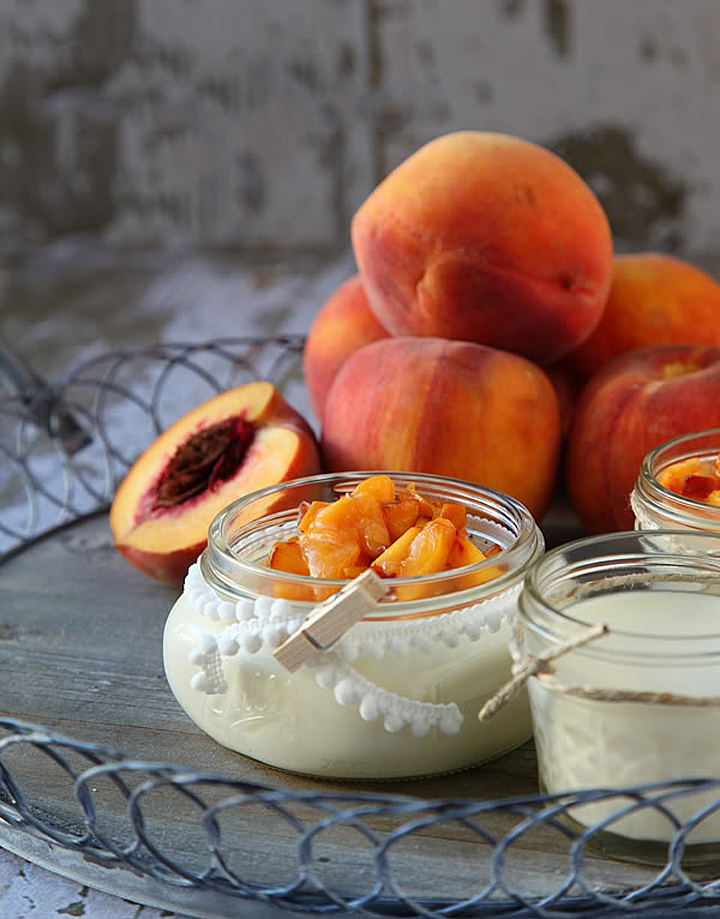
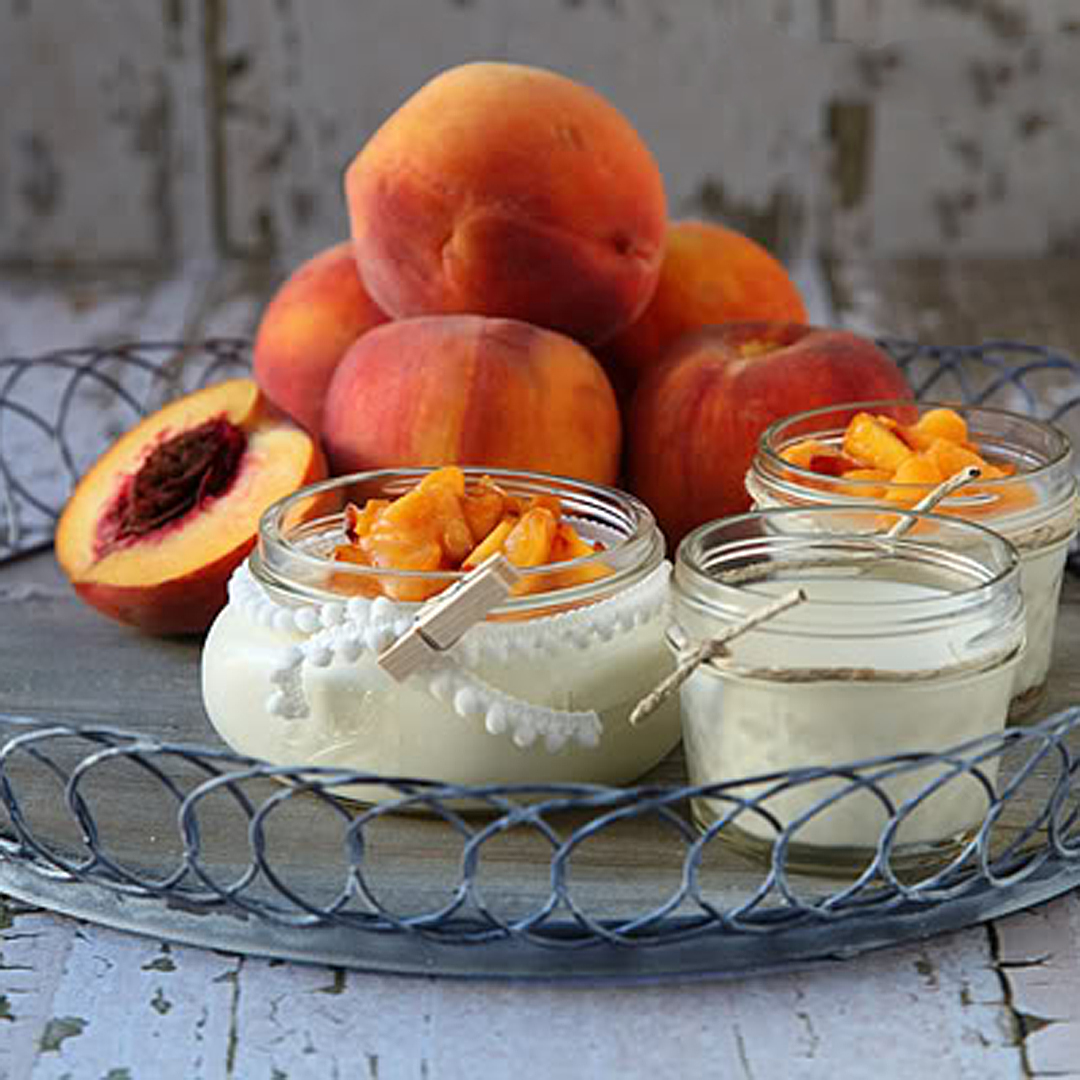
Is there anything more lovely than a good, juicy, ripe peach? Quite honestly, I think that is one of my favorite summertime LOVES!!  I have fond memories of my dad cutting up a peach and putting it in a bowl with a little pinch of sugar and a splash of cream… heaven in a bowl. Well, I’ve kicked it up a notch. Another love of mine is Peaches and Cream Panna Cotta. What is this you ask? (This post has been updated, it was originally posted August 24, 2011)

Peaches and Cream Panna Cotta Recipe the perfect summer dessert • WhipperBerry

What is Panna Cotta

Jump to Recipe

The first time I had Panna Cotta was at an Italian Resturant in Colorado where I grew up. I  don’t know what inspired me to try something new but, I’m so glad that I did! When it arrived at the table it was a smooth, glass-surfaced dessert with a raspberry sauce on one side topped with berries and whipped cream. It was so intriguing. It didn’t look like pudding or custard, nor did it look like gelatin. I tasted my first bite and was hooked instantly. It was cool dessert, perfect for those hot summer nights. It’s creamy and sweet and pairs nicely with chocolate, caramel, or a whole host of fruits.  It’s basically an eggless custard made with decadent cream and gelatin and it’s divine. Panna Cotta is the perfect blank canvas to create the perfect dessert with. We like to top it off with some fresh summer peaches and that’s it. No need for whipped cream or anything else. The Summer peaches are perfect with the divine Panna Cotta!

Peaches and Cream Panna Cotta Recipe

Peaches and Cream Panna Cotta Recipe the perfect summer dessert • WhipperBerry
Print

Peaches and Cream Panna Cotta

Author Heather Thoming • WhipperBerry

Yield 6-8 servings

Peaches + Cream is truly Summer heaven. Team them up with the creamy eggless custard called Panna Cotta and you'll have a real Summer crowd pleaser!

Ingredients

  • 3 cups heavy cream
  • 3 cups whole milk
  • 1 cup granulated sugar
  • 1 vanilla bean
  • 2 cups creme fraiche
  • 2 tablespoons plus 1/4 teaspoon powdered gelatin
  • 2 peaches
  • 2 tablespoons of granulated sugar
  • a pinch of nutmeg

Instructions

Place the cream, milk and sugar in a medium saucepan and bring to a simmer over medium-high heat. Split and scrape the vanilla seeds from the bean. Add both the seeds and the pod to the milk. When the milk mixture begins to simmer, shut off the heat and whisk in the creme fraiche.

You will then need to strain the mixture and return to the pot. Add the gelatin and whisk until dissolved. Pour the mixture into 8 (1 cup) ramekins and set aside to come to room temperature. Cover and place in the refrigerator to firm up for at least 3 hours preferably overnight.

Now for the peaches...

Cut them into small bite size pieces and place in a small sauce pan along with the sugar and nutmeg.  Cook over medium heat for about five minutes until sugar is dissolved and peaches have cooked down a bit, but not too much.  Let cool and then top the panna cotta with the cooled peach mixture. Sit back and ENJOY the best peaches and cream you'll ever have!

Notes

{this recipe has been adapted from Guy Fieri's Creme Fraiche Panna Cotta Jubilee Style recipe}

Courses Dessert

 Peaches and Cream Panna Cotta Recipe the perfect summer dessert • WhipperBerry

Creamy Berry No-Bake Jell-o Poke Cake Recipe

4 · Jul 14, 2016 · 1 Comment

+ This Creamy Berry No-Bake Jell-o Poke Cake Recipe brought to you by International Delight +

Strawberry-Shortcake-Poke-Cake-from-WhipperBerry-21

 This my friends is NOT your Mother’s traditional Jell-o Poke Cake. Nope, not even close.

This my friends is a MAGIC cake. It’s for those times when you don’t have the time to bake and slave over a special treat, but you still want to impress your friends and family. NO baking involved. Which in these hot summer months, who wants to turn on the oven. It has some unexpected ingredients that make it EXTRA special.

Strawberry-Shortcake-Poke-Cake-from-WhipperBerry-1

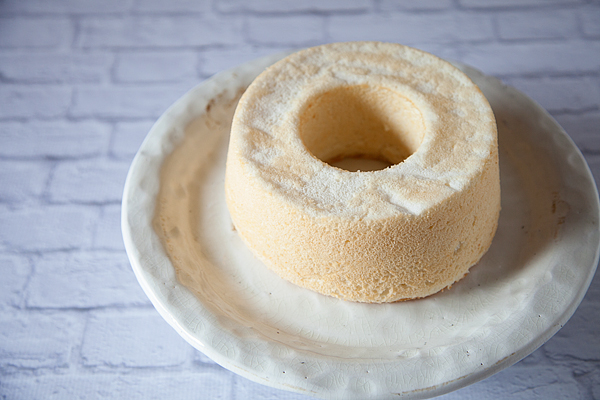
First off, I bought my angel food cake from the store… I know, Gasp!

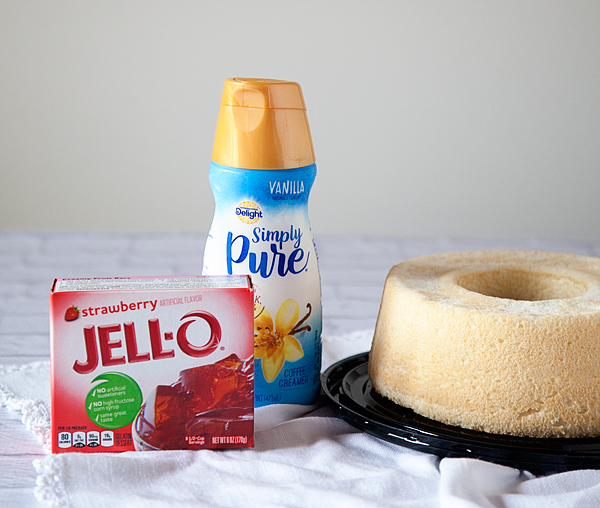
Seriously, it’s summer… I’m too busy to bake with all of the activity at the house with the kiddos home. I grabbed an angel food cake at the market, some strawberry Jell-o some International Delight Simply Pure Vanilla. LOVE this stuff! It’s made with real milk, cream & sugar, that’s it!

I have always loved the jell-o poke cake I made some great Black Cherry Jell-o Cakes a few years ago and they were a huge hit.

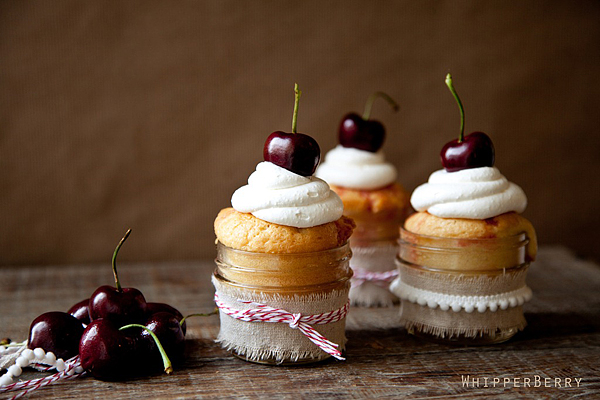
Cake-in-a-Jar

Again, my problem here is that I just didn’t have enough time to bake, I improvised and came up with this great alternative. I also added a little extra love to the Jell-o to make it extra creamy. Here’s how you make it…

Creamy Berry No-Bake Jell-o Poke Cake Recipe

Strawberry-Shortcake-Poke-Cake-from-WhipperBerry-3

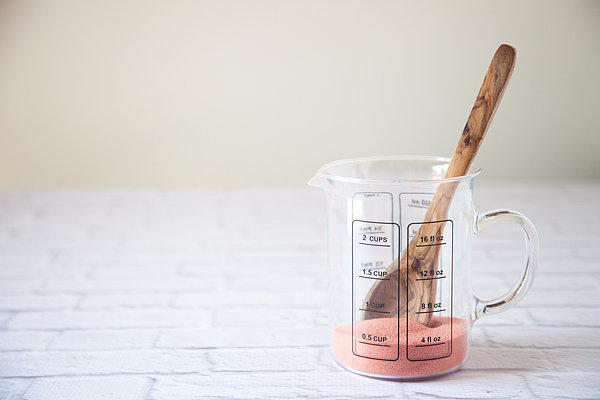
 Pour Jell-o packet into a 2 cup mixing cup.

Strawberry-Shortcake-Poke-Cake-from-WhipperBerry-4

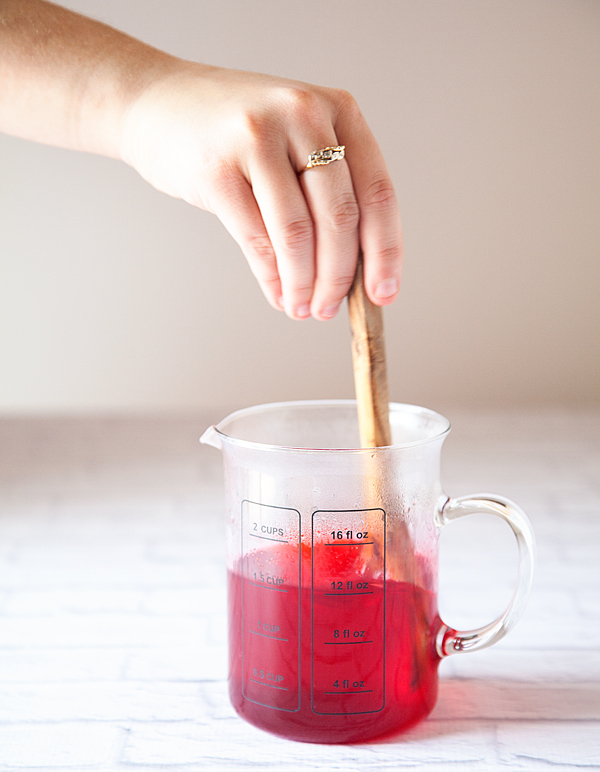
 Mix with 1 cup of boiling water.

Strawberry-Shortcake-Poke-Cake-from-WhipperBerry-5

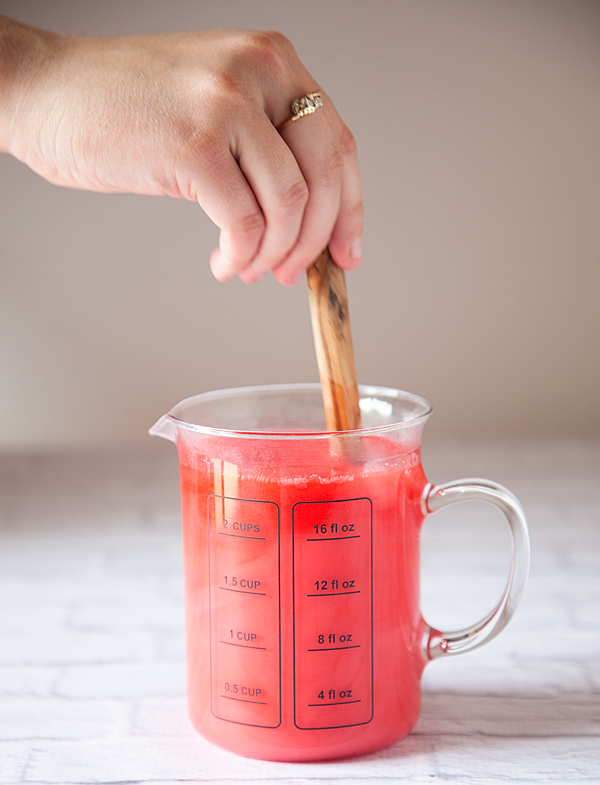
Stir to dissolve the gelatin completely.

Strawberry-Shortcake-Poke-Cake-from-WhipperBerry-6

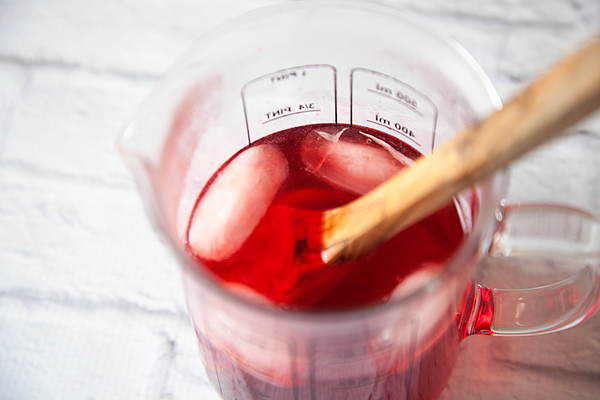
 Once the gelatin has totally dissolved, add a few ice cubes, no more than 4, to slightly cool down the liquid Jell-o.

Strawberry-Shortcake-Poke-Cake-from-WhipperBerry-7

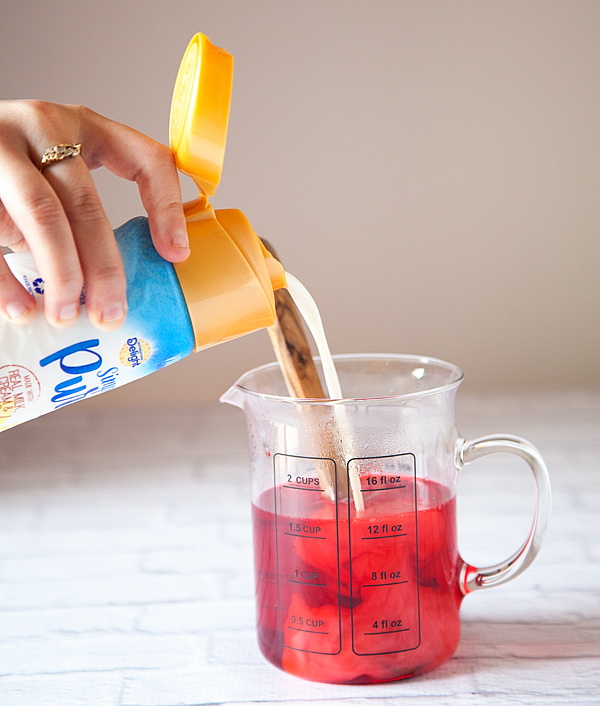
 Now for the secret ingredient! Add 1 cup of International Delight Simply Pure Vanilla Creamer.

Strawberry-Shortcake-Poke-Cake-from-WhipperBerry-8

 Stir to completely incorporate the creamer into the Jell-o mixture.

Strawberry-Shortcake-Poke-Cake-from-WhipperBerry-9

Now, it’s time to prep your cake. Place your cake on a cake plate. Don’t EVER serve a store bought cake in the container that it comes in. You want to at least TRY and fool your guest that you slaved all day in the kitchen!

Strawberry-Shortcake-Poke-Cake-from-WhipperBerry-10

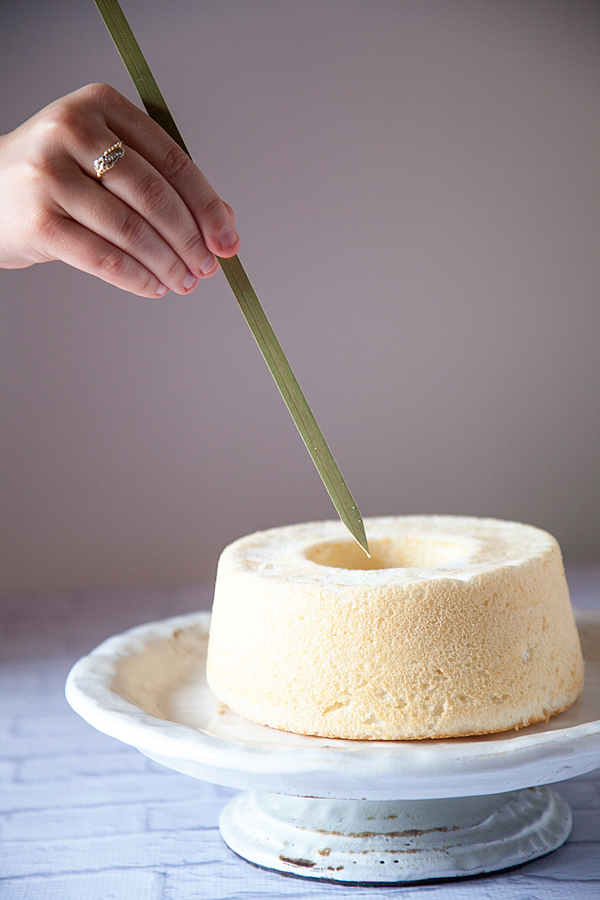
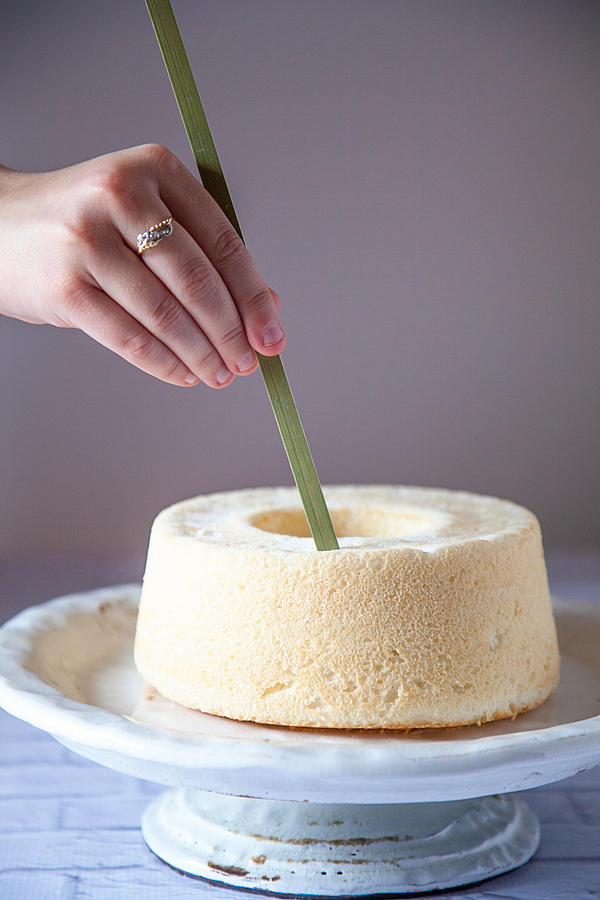
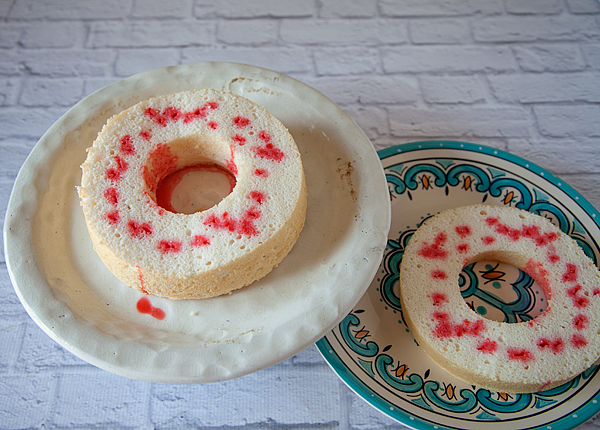
 Now, take a skewer or knife and poke a bunch of holes into your cake.

Strawberry-Shortcake-Poke-Cake-from-WhipperBerry-11

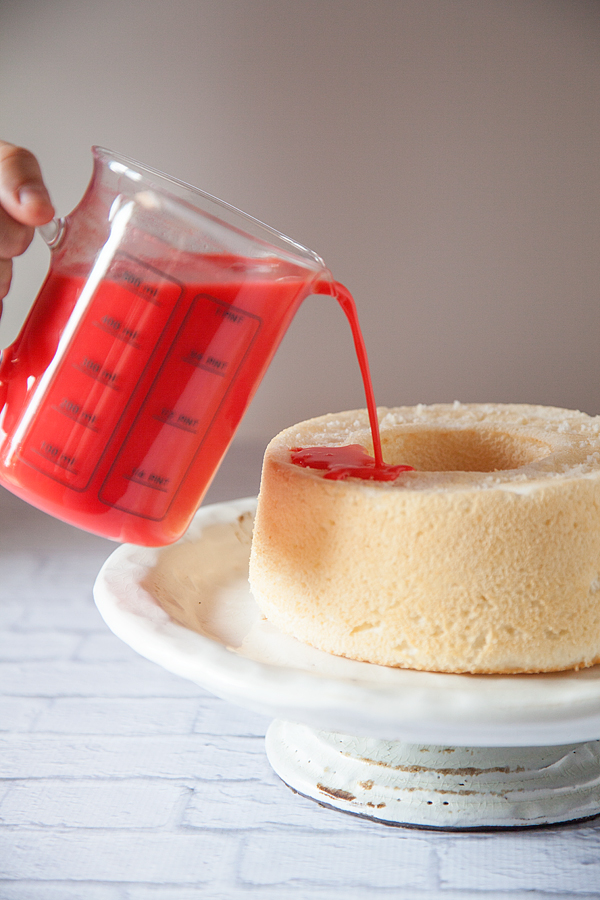
 Next, pour your creamy jell-o mixture carefully onto the cake.

Strawberry-Shortcake-Poke-Cake-from-WhipperBerry-12

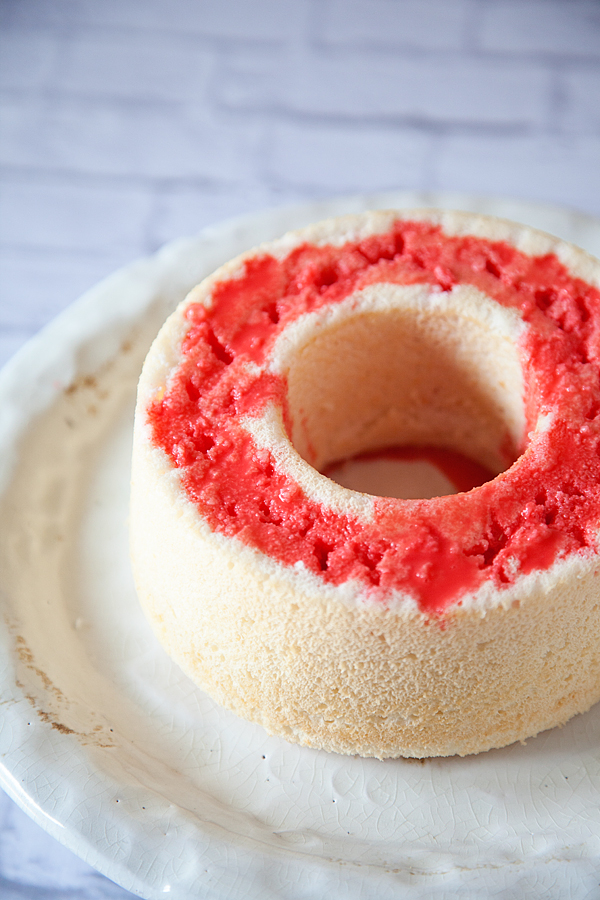
 Try and saturate as much as possible.

Strawberry-Shortcake-Poke-Cake-from-WhipperBerry-13

 I wanted to keep the sides of my cake as white as possible so I just poured the Jell-o mixture on top. You can do whatever you like. Place the cake in the refrigerator for a couple of hours.

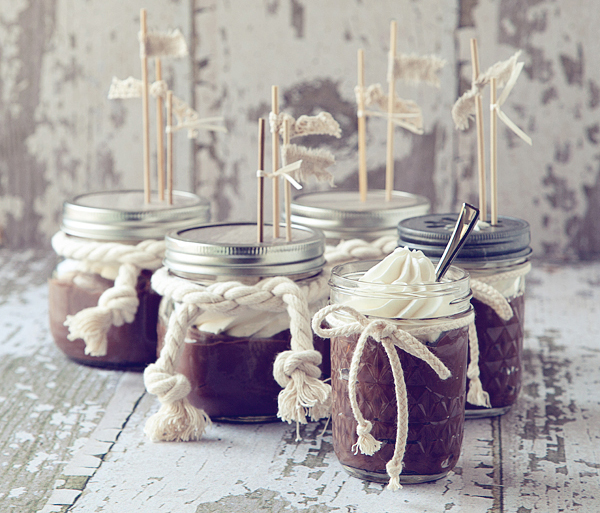
While you’re waiting for the Jell-o to set, you can make the Chantilly Cream for the topping of the cake. YUM!

You can find that recipe HERE in my post about homemade chocolate pudding and Chantilly Cream…

Chocolate-Pudding-from-Scratch

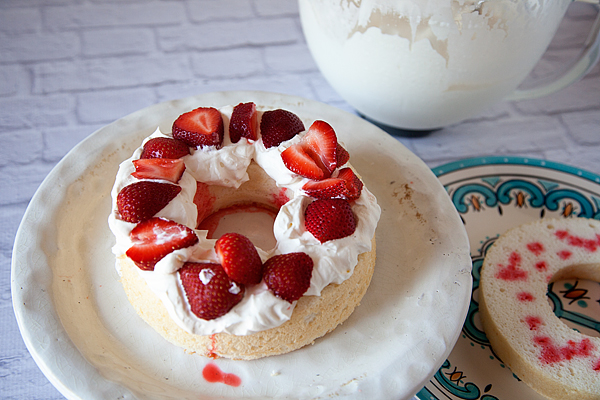
Remove the cake from the fridge and with a serrated knife, carefully cut the cake in half and remove the top of the cake.

Strawberry-Shortcake-Poke-Cake-from-WhipperBerry-15

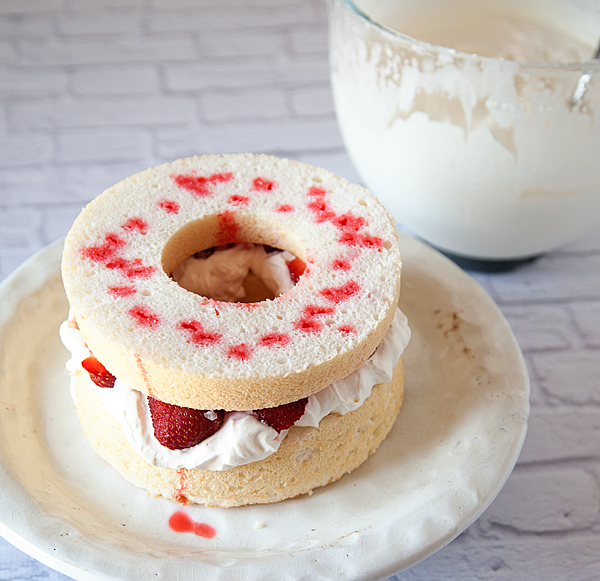
 Spoon on the Chantilly cream on top of the first layer.

Strawberry-Shortcake-Poke-Cake-from-WhipperBerry-16

Next, layer some sliced strawberries in the middle.

Strawberry-Shortcake-Poke-Cake-from-WhipperBerry-17

Now, replace the top of the cake.

Strawberry-Shortcake-Poke-Cake-from-WhipperBerry-18

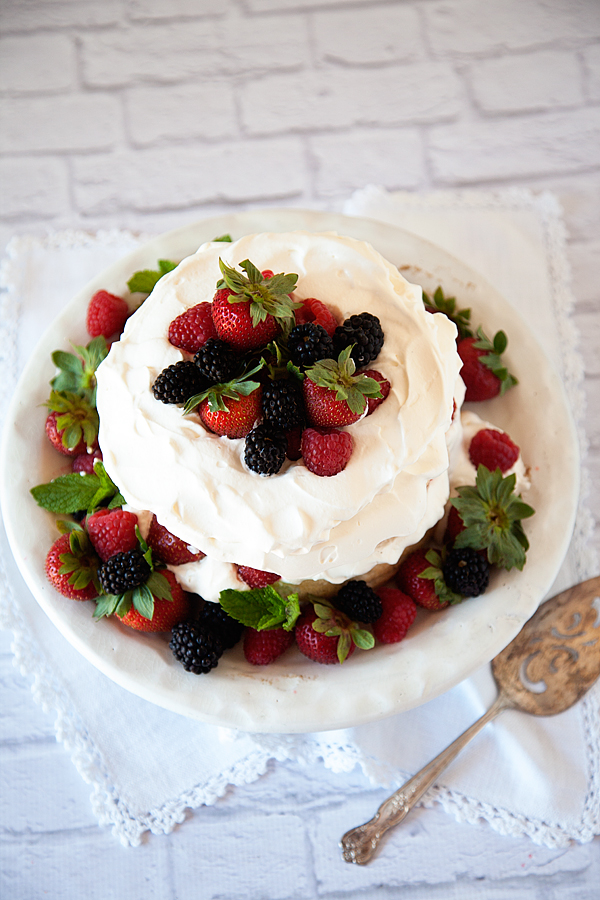
I actually flipped the layer over so the the cut side was on top. I just liked the way it looked better. Spoon another layer of the Chantilly Cream on top and then fill the center of the cake with raspberries, blackberries and top with a few strawberries.

Strawberry-Shortcake-Poke-Cake-from-WhipperBerry-20

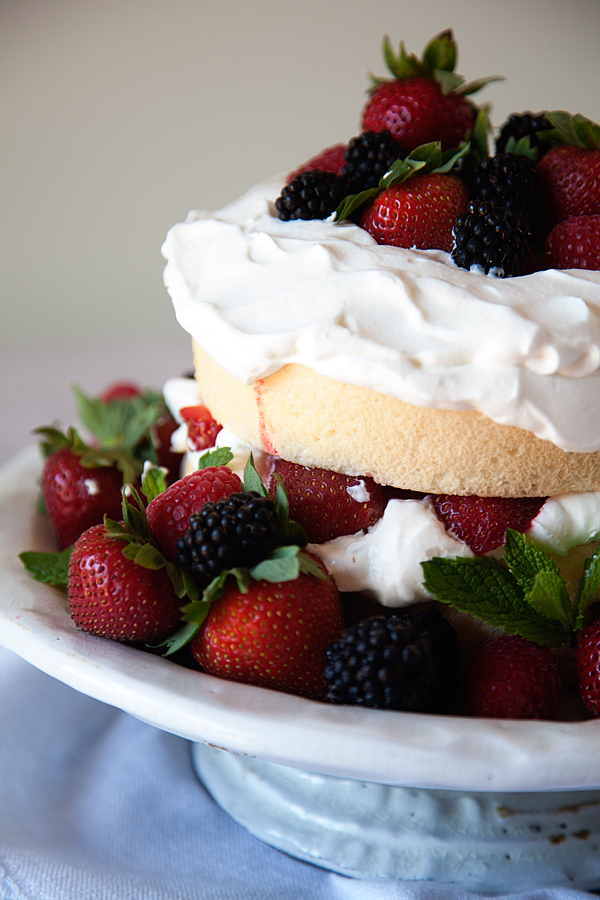
 Then around the bottom of the cake fill up the plate with the remaining berries. I like to leave the stems on my strawberries to give it that rustic look, but that’s totally up to you. I also added in a few sprigs of mint to add even more green.

Strawberry-Shortcake-Poke-Cake-from-WhipperBerry-26

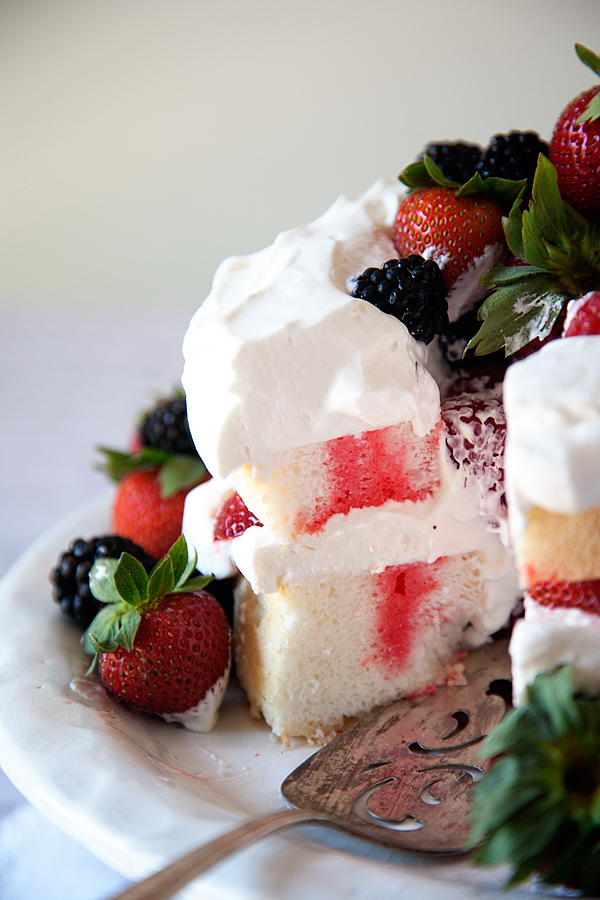
This Creamy Berry No-Bake Jell-o Poke Cake is truly a show stopper and you hardly had to lift a finger! It’s sooooo easy to make! NO baking skills required!

Strawberry-Shortcake-Poke-Cake-from-WhipperBerry-28

Slice and serve to WOW your guests with the little hidden secret inside waiting to delight your friends and family. It’s the PERFECT summer dessert!

For more great International Delight ideas and recipes, sign-up for their newsletter OR visit their Instagram, Pinterest & Facebook pages.

This is a sponsored conversation written by me on behalf of International Delight. The opinions and text are all mine.

  • Page 1
  • Page 2
  • Go to Next Page »

Primary Sidebar

Heather from Whipperberry
Hello... my name is Heather and I'm the creator of WhipperBerry a creative lifestyle blog packed full of great recipes and creative ideas for your home and family. I find I am happiest when I'm living a creative life and I love to share what I've been up to along the way... Come explore, my hope is that you'll leave inspired!

Footer

  • Privacy Policy
  • Crafts
  • Food
  • Gifts
  • Holidays
  • Home
  • Mom Life
  • Recipes
  • Travel

Copyright © 2026 · Seasoned Pro