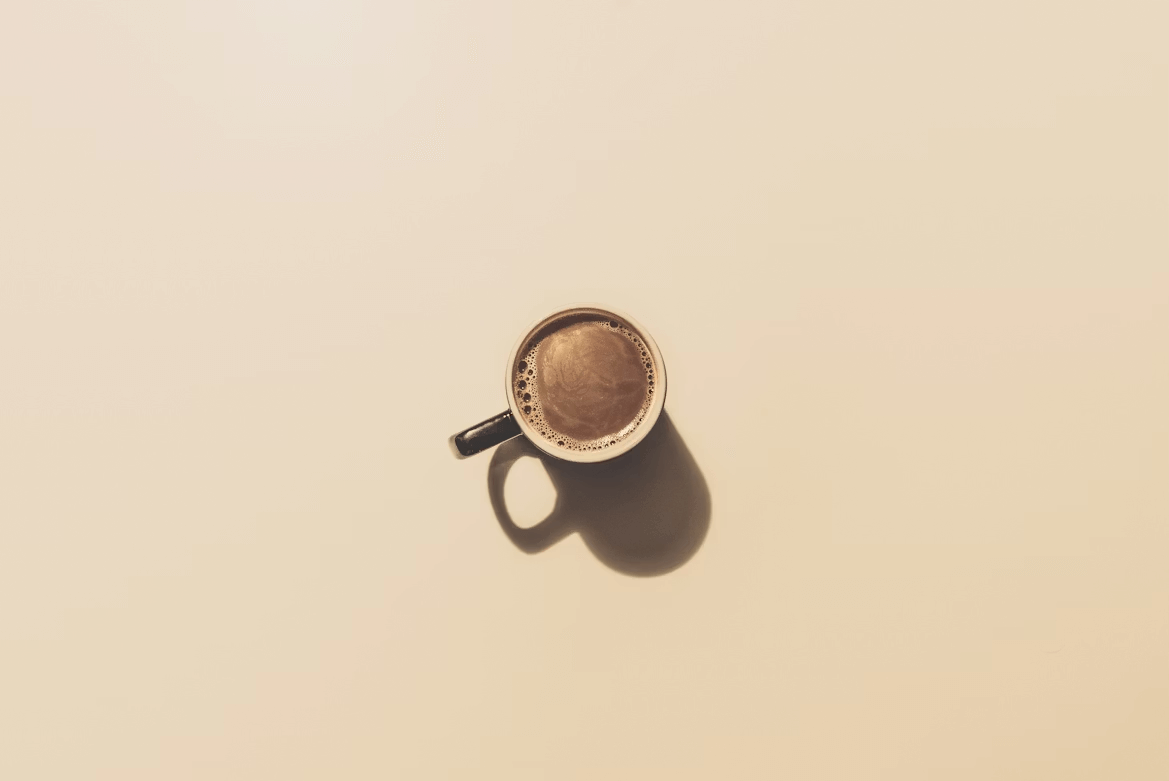
There is something special about those quiet morning moments before the day gets busy. For me, it always starts with a fresh cup of coffee and a few minutes to myself. Over time, I have realized that the cup I use matters more than I thought.
Handcrafted ceramic mugs bring a cozy, handmade feel to my daily routine. They are not just practical. They turn an everyday cup of coffee into something that feels calm and intentional. If you love simple comforts, crafts, and a good cup of coffee, you are going to enjoy these ceramics just as much as I do.

The Handcrafted Ceramics Sensory Experience
Coffee just feels better in a handmade mug. It is not just in your head. The way a cup feels in your hands and how it holds heat can change your whole experience.
Ceramic mugs keep your coffee warm longer than paper cups or thin metal ones. This means you can take your time and still enjoy a hot drink from the first sip to the last.
There is also something special about the way handmade mugs feel. You might notice small textures from the pottery wheel or slight changes in the glaze. These little details make each mug unique and more enjoyable to use.
Purity of Flavor: Ceramic does not react with your drink. That means no strange aftertaste. You get to enjoy the full flavor of your coffee, whether it is a light roast or something bold and rich.
Designing for Every Lifestyle
At Nova Ceramics, we know that no two mornings look the same. Some days start slow and quiet. Others feel rushed from the moment you wake up. That is why these mugs are designed to fit into real, everyday life.
The Homebody’s Choice
If you love slow mornings at home, a larger ceramic mug can make all the difference. These mugs are easy to hold and feel warm in your hands, which makes them perfect for cozy moments.
They are designed for comfort, with a shape that feels balanced and easy to grip. You can also choose from different finishes like soft earth tones or deeper colors inspired by nature, so your mug feels just right for your space.
The 12 oz Travel Mug Functions as The Commuter’s Companion
Not every morning is slow and relaxed. Some days, you need your coffee on the go. That is where the 12 oz travel mug comes in.
This mug is made for busy days. It fits into standard car cup holders and is easy to carry with you. Even when you are rushing out the door, you can still enjoy the feel of a ceramic mug instead of switching to metal.
It also helps keep the true flavor of your coffee. Unlike stainless steel, ceramic does not add any extra taste, so your drink stays just the way you like it.
Sustainability in Every Kiln Fire
Choosing handcrafted ceramics is not just about style. It is also a more thoughtful choice for the environment.
Many disposable coffee cups end up in landfills every year. Even the ones labeled recyclable often have a plastic lining that makes them harder to process.
A well-made travel mug can last for years. It does not go out of style, and it does not need to be replaced often. Selecting an item from Nova Ceramics ensures durability that lasts for years. Each time you use it, you help reduce waste in a small but meaningful way.
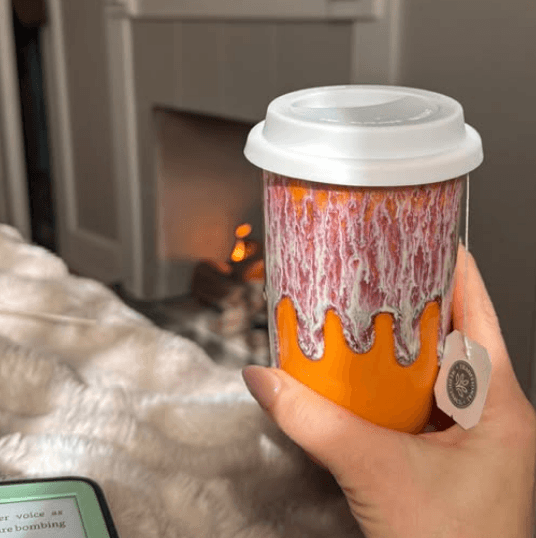
Improving the Appearance of Your Coffee
The way your coffee looks can make it even more enjoyable. A beautiful mug can highlight the color of your drink and make simple moments feel a bit more special. Clean, simple designs work well in most homes. They bring a calm and cozy feel, especially in kitchens with a farmhouse or minimalist style.
Even when you are on the go, a well-designed travel mug can make your routine feel a little more put together. It turns an everyday habit into something you can actually look forward to.
Conclusion: Elevate Your Ritual
At the end of the day, it is the little routines that make the biggest difference. A warm drink in a handcrafted ceramic mug can turn a rushed morning into a moment you actually enjoy.
I love using ceramics coffee cups from Nova Ceramics that feel both beautiful and practical. Whether I am at home enjoying a quiet start to the day or heading out with my favorite travel mug, these pieces add a bit of comfort to my routine. If you are looking for a simple way to make your mornings feel more special, take a look at the Nova Ceramics collection. This is an easy place to start.