As moms, we spend years focused on everyone else. We notice when our kids outgrow their shoes. We see every tiny change in their faces. But one day, we catch our reflection in the car mirror at school pickup and realize something looks different.
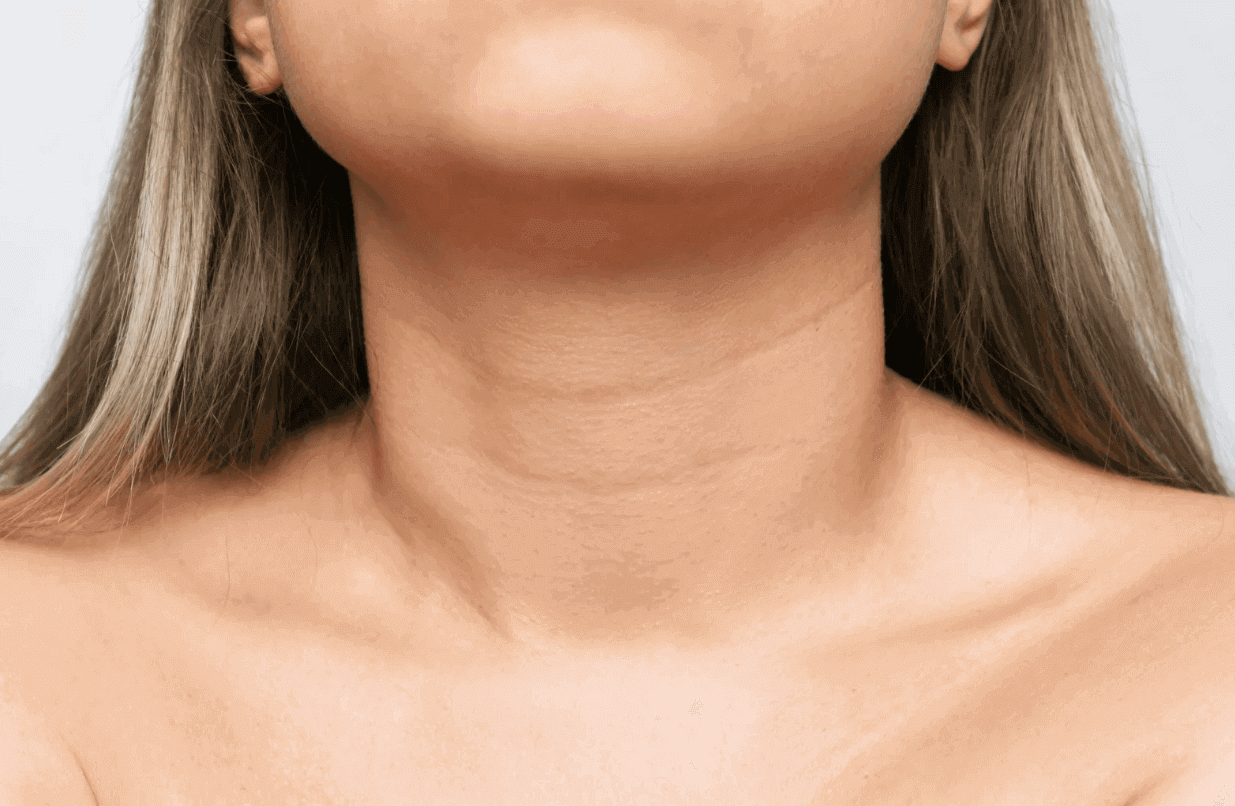
For many women, the neck and jawline are the first places that show aging. Loose skin, softening under the chin, or deeper lines can feel surprising, especially when you still feel young and energetic on the inside. If you have started thinking about a neck lift, you are not alone.
Here in busy cities like San Francisco, there are so many surgeons and clinics that it can feel overwhelming to know who to trust. Choosing the right surgeon is not just about price or location. It is about safety, honesty, and feeling confident in the person guiding you through the process.
If you are in the early stages of researching, here are seven red flags I would encourage every mom to watch for when choosing a surgeon for a neck lift.
1. Lack of Board Certification
Credentials are more than a formality. They reflect training, oversight, and accountability. Board certification confirms that a surgeon has completed specialized education and passed rigorous exams in plastic surgery. Without it, there’s no guarantee of experience or adherence to safety standards.
In practice, patients who skip this step sometimes face avoidable complications like uneven contours, poor healing, or prolonged recovery. Asking for proof of board certification and checking it through official registries is simple but essential.
It’s a step that separates surgeons who are serious about patient care from those who may not be.
2. Minimal Experience With Neck Lifts
Even board-certified surgeons can vary widely in their experience with specific procedures. Not all plastic surgeons perform neck lifts frequently, and repeated hands-on practice often makes a noticeable difference in both technique and results.
When considering a neck lift in San Francisco, it helps to ask how many procedures a surgeon performs annually and whether they’ve pursued specialized training in this area. Some clinics provide extensive patient resources to guide prospective patients; for example, Dr. James Anthony Plastic Surgery offers educational guides and consultation materials that explain the procedure, recovery, and expected outcomes. Reviewing such information can give you a better sense of a surgeon’s approach and attention to patient education.
3. No Before-and-After Photos
Surgeons who cannot provide a portfolio of past neck lift patients, or who only show “perfect” images, should raise concern. Photos demonstrate the surgeon’s skill, their sense of aesthetics, and how they handle different neck types, skin laxity, and age ranges.
Usually, reviewing a range of patient results gives a realistic expectation of outcomes. Look for consistency, natural-looking improvements, and cases similar to your own.
Patients often report feeling more confident when they’ve seen multiple examples of real results rather than curated highlights.
4. Unrealistic Promises
Some clinics present neck lifts as if they erase all signs of aging instantly. While the procedure can smooth sagging skin and define the jawline, it can’t stop natural aging, change genetics, or guarantee perfection.
From experience, patients who expect a “flawless” look often leave disappointed, even if the procedure itself went well.
Red flags include any surgeon who uses absolute language like “you will look 20 years younger” or “guaranteed results.” Honest surgeons acknowledge limitations and set expectations clearly, which leads to a smoother recovery and greater satisfaction.
5. Poor Communication
How a surgeon communicates during a consultation often mirrors how they handle the procedure itself. If questions are brushed off, explanations are vague, or you feel rushed, that’s a warning. Good surgeons take the time to outline the procedure, discuss anesthesia, recovery timelines, risks, and what you can realistically expect.
Generally, patients who feel heard before surgery tend to have a less stressful experience afterward. Communication isn’t just about being friendly. It’s about transparency and trust.
6. Pushy Consultations or Hidden Fees
Pressure tactics or unclear pricing are major red flags. A surgeon should guide your decision, not rush you into booking. If you feel pressured to schedule surgery immediately, that’s a warning sign. Similarly, transparent costs are essential. Unexpected fees for anesthesia, facility use, or follow-up care can turn what seemed straightforward into a stressful financial situation. Asking for a detailed, itemized quote up front and confirming any potential extra charges is an easy way to protect yourself.
7. Limited Access to Recovery Support
Cosmetic surgery is a process. Surgeons who offer minimal guidance for post-surgery care, recovery timelines, or signs of complications can leave patients feeling anxious and unprepared.
Recovery support isn’t just about check-ins; it includes clear instructions on swelling, pain management, scar care, and when to seek help.
Patients who lack this guidance often experience more stress and may struggle with managing their results effectively. Knowing that you have ongoing support can make a significant difference in both your confidence and recovery experience.
Conclusion
Making a decision about cosmetic surgery is personal. As moms, we are used to researching everything before we commit, from pediatricians to summer camps. This choice deserves the same care.
If you notice any of these red flags, it is okay to pause and keep looking. You should feel informed, respected, and fully comfortable before moving forward with something like a neck lift.
Wanting to feel confident in your appearance does not make you vain. It makes you human. The goal is not to look like someone else. It is to feel like yourself again. When you choose a qualified, supportive surgeon, you give yourself the best chance at results that feel natural and empowering.
0
Leave a Reply