• Skip to primary navigation
  • Skip to main content
  • Skip to primary sidebar
  • Skip to footer

Whipperberry

WhipperBerry • Your Home For Creative Inspiration

  • Home
  • Recipes
    • Starters
    • Easy Weeknight Dinners
    • Main Dish
    • Salads
    • Side Dish
    • Soups & Stews
    • Desserts
    • Breakfast
    • Miscellaneous
  • Tutorials
    • Creative Crafts
    • DIY Decor
    • Fabric Crafts
    • Food How-To
    • Jewlery
    • Paint Projects
    • Paper Art
    • Party Styling
    • Photography and Graphic Design
    • Silhouette
  • Holidays
    • Easter
    • Mother’s Day
    • Father’s Day
    • 4th of July
    • Halloween
    • Thanksgiving
    • Christmas
    • Valentine’s Day
  • Gift Ideas
    • Gifts For Everyone
    • Gifts for Dad
    • Mother’s day
    • For The Girls
    • For The Kids
    • Teacher Gift Ideas
    • Christmas
  • Printables
    • Holiday
    • Gift Idea
    • LDS Primary
  • Travel
  • About
    • Terms
  • Contact
  • Nav Social Menu

    • Facebook
    • Instagram
    • Pinterest
    • RSS
    • Twitter

Gifts

Gift Ideas That Feel Personal, Memorable, and Actually Worth Keeping

0 · Sep 22, 2026 · Leave a Comment

Finding the right gift can be surprisingly hard. I want to give something that shows I put some thought into it, especially for birthdays, holidays, weddings, and housewarmings. I also don’t want to add one more thing to someone’s home that they don’t really need.

I’ve found that the gifts people keep are usually tied to something they already love. It could be a handmade gift for a friend who appreciates DIY projects, a pretty piece for someone’s home, or a keepsake connected to a family memory. Even a practical gift can feel special when you choose it with that person in mind.

So instead of starting with a long list of popular gift ideas, think about the person first. Pay attention to what they use, what they collect, and what makes their home feel like theirs. That’s usually where the best gift ideas begin.

Gift Ideas That Feel Personal

Source: Pexels

Start With How the Person Lives, Not Just What They Like

A lot of gift shopping goes sideways because you focus too much on broad interests. Someone may love music, coffee, or travel, but that doesn’t automatically point to a good gift. What matters more is how that interest shows up in their daily life.

If your friend loves coffee, do they make pour-over every morning or grab whatever is closest on the way to class? If your aunt enjoys gardening, is she growing roses with military precision or keeping a few herbs alive on the windowsill? Those details change everything.

Useful gifts often come from observation:

  • What do they do every week without fail?
  • What do they complain about replacing?
  • What do they keep organized, displayed, or talked about often?
  • What hobby have they quietly invested in over time?

A strong gift feels less like a random pick and more like proof that you pay attention.

Choose Gifts With a Story Behind Them

Some presents stand out because they come with a built-in story. That story might relate to family history, travel, craftsmanship, or a shared memory. People tend to hold onto gifts longer when the item means more than its price tag.

Collectors’ pieces work especially well here, since they often bring history and personality into one object. For someone who enjoys decorative keepsakes, heirloom-style gifts, or finely crafted collectibles, French Limoges boxes can be a thoughtful option. They’re hand-painted porcelain trinket boxes with roots in French craftsmanship, and they often feature detailed themes like flowers, animals, landmarks, or holiday motifs.

That level of detail gives you room to match the gift to the person. Choosing a flower they grow in their garden, an animal they love, or a place they’ve visited can make a small keepsake feel much more personal.

Practical Gifts Work Better When They Feel Upgraded

Practical gifts get dismissed too quickly, mostly because people confuse useful with boring. The real issue usually isn’t practicality. It’s lack of care. A plain phone charger feels forgettable. A high-quality charging station that solves someone’s actual desk mess feels smart.

One easy approach is to choose a better version of something they already use. Think about the difference between basic and considered:

  • A standard notebook vs. a durable journal with thick paper
  • Cheap kitchen tools vs. a well-balanced chef’s knife
  • Generic candles vs. a scent that matches their home style
  • Random tote bag vs. one that fits work, gym, and errands

This approach works because you’re improving their routine instead of adding clutter. Sometimes the most appreciated gift is simply a nicer version of something they reach for all the time.

Match the Gift to the Relationship

Not every good gift is right for every person. Your relationship with someone sets the tone. A gift for a close friend can be more personal and specific. A gift for a coworker, neighbor, or in-law usually needs a little more neutral ground.

For close relationships, you can lean into inside jokes, shared experiences, or deeply specific interests. For broader circles, aim for quality and thoughtfulness without crossing into overly intimate territory.

A few reliable categories include:

  • Food and drink items with strong presentation
  • Home pieces that suit many styles
  • Hobby accessories that aren’t too specialized
  • Small luxury items people might not buy for themselves
  • Keepsakes connected to major milestones

This matters during birthdays, graduations, housewarmings, and weddings, where the wrong level of familiarity can feel awkward. The goal is to choose something that feels thoughtful without making the gift more personal than the relationship calls for.

Think Beyond the Moment They Open It

It’s easy to focus on the moment someone opens a gift, but I also like to think about what happens to it afterward. Some presents create a big reaction right away but fade fast. Others grow more meaningful because they become part of someone’s home, habits, or memories.

Before buying anything, picture where it goes next. Will it be used weekly? Displayed on a shelf? Packed away? Thinking about where the gift will end up can quickly tell you whether it’s something they’ll really enjoy.

A few things can make a gift easier to enjoy for years:

  • Durability
  • Emotional meaning
  • Aesthetic appeal
  • Seasonal tradition
  • Personal relevance

A holiday ornament tied to a memory may come out every year. A well-made box for letters or jewelry may stay on a dresser for decades. Even small objects can have staying power when they fit naturally into a person’s space and routines.

The best gifts are often the ones people continue to use, display, or bring out year after year.

Presentation Matters More Than People Pretend

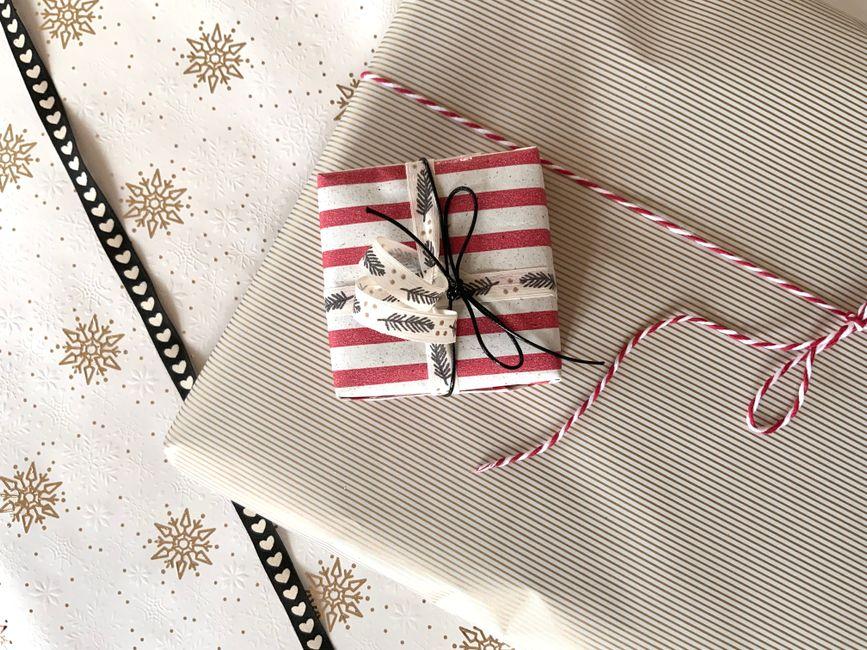
You don’t need luxury wrapping or perfectly tied bows, but presentation shapes how the gift is received. Even simple wrapping can show that you took a little extra time with the gift. A thoughtful presentation can make a simple gift feel elevated, while poor presentation can flatten something genuinely great.

Keep it clean and intentional. Use wrapping that fits the occasion and the person’s style. Add a short handwritten note if the gift has a story or specific reason behind it. That note often becomes the part people remember.

Good presentation can include:

  • Wrapping that feels neat, not rushed
  • A handmade gift tag or a little ribbon
  • A card with a real message instead of just a signature
  • Packaging that protects delicate or collectible items properly

If you like DIY projects, this is also an easy place to get creative. Try stamped kraft paper, handmade tags, dried greenery, or even wrapping paper decorated by the kids. You don’t have to make the gift itself to give it a homemade touch.

Make It Personal

If you want to give better gifts consistently, stop searching for universally perfect ideas. Those rarely exist. Better results come from being specific about the person, the occasion, and what they might actually do with the gift once they get home.

Ask yourself a few direct questions:

  • What part of their personality is easy to overlook but important?
  • What object would fit naturally into their space or routine?
  • What would feel thoughtful without feeling excessive?
  • What kind of gift would they keep, use, or remember next year?

I find questions like these much more helpful than scrolling through endless gift guides. You don’t need a huge budget or dozens of choices. Paying attention to the little things can lead you to something far more meaningful.

A memorable gift usually isn’t the biggest one in the room. It’s often the one that makes the person smile and say, “You remembered.”

Give Something They’ll Want to Keep

After all the searching, I think choosing a memorable gift comes down to knowing the person. Think about what they enjoy doing on a Saturday afternoon, what they have displayed around their home, or the family stories they love to tell. Those clues are often more helpful than another list of this year’s must-have gifts.

And it doesn’t have to be expensive. I’m a big believer in the little extras, too. Wrap it nicely, make a gift tag, or tuck a handwritten note inside. If you enjoy crafting, this is an easy place to add something handmade without making the entire gift yourself.

Years from now, no one is going to remember how trendy a gift was when you bought it. But they may still have that ornament on the tree, that little box on their dresser, or that handmade tag tucked away with other keepsakes. For me, that’s what makes a gift worth giving.

Turning Memories Into Meaningful Presents: Creative Photo Gift Ideas for Life Milestones

0 · Sep 18, 2026 · Leave a Comment

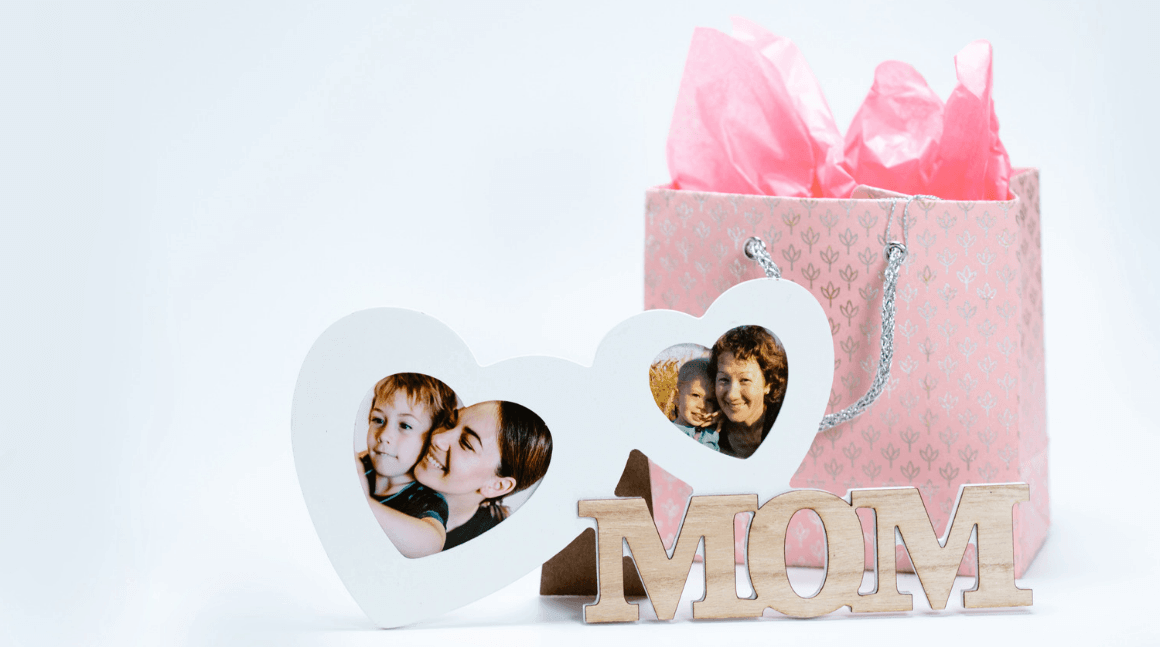
Some of the best family gifts are the ones that bring back a favorite memory. A photo from a family vacation, a baby’s first year or even an ordinary afternoon together can mean far more than something picked from a store shelf.

That’s what makes photo gifts so special. They give you a simple way to turn holidays, family celebrations and everyday moments into keepsakes loved ones can display or use long after the occasion is over.

Whether you’re celebrating a birthday, welcoming a new baby or working through your Christmas list, these photo gift ideas can help you create something personal for family and friends.

family photo gift ideas

Choose a Gift that Suits the Occasion

Before choosing a format for the gift, think about what the event means to the recipient. If it’s a wedding gift, you could opt for an elegant framed photograph of the happy couple. Or a first anniversary could be a chance to gather together photographs from the year and organise them into an album.

Parents of a new baby will appreciate a keepsake box that they can continue filling with mementos as their child grows up. Graduation photographs will look fantastic as framed desk prints. And if you’re wondering what to get grandparents for Christmas, consider a calendar filled with assorted family and kids’ pictures.

Mugs and keyrings: Personalise everyday objects into keepsakes

A gift can be both decorative and personal. Items such as mugs, cushions, coasters, keyrings and desk prints are a great way to bring photographs into everyday routines rather than being hidden away in a drawer.

These days, you can use online photo printing to easily turn a good-quality image into a polished and personalised present. For example, if you have photos from a memorable holiday, choose the best one to create a framed print for someone’s work desk. A snapshot of the entire family can add a bit of personality and meaning to a favourite mug (especially for people who can’t start the day without their coffee), or small keepsake.

Create memory-rich photo gifts to celebrate life milestones

photo locket

Major occasions offer an opportunity to tell a bigger story by bringing together several photographs to capture different moments. For an anniversary, create a photo book that takes them all the way from early dates to more recent adventures.

Newlyweds might love a framed collage containing fun candid pictures alongside formal wedding photographs. New parents could receive an album dedicated to the baby’s first months.

Or you could go further with a memory box that combines photographs with cards, theatre tickets and other mementoes from a particularly important year. Remember to add dates or short captions to make the collections even more personal.

Plan ahead to meet seasonal delivery deadlines

Unlike off-the-shelf presents, you will need a bit of time to get a personalised photo gift just right. Images will have to be selected, and then edited to fit the final format. You will also need time for printing and delivery (especially around Christmas, weddings and other busy periods).

Keep an eye on the Royal Mail website for Christmas 2026 posting dates. And if you order ahead, it will give you breathing room to correct an image or replace an item if something isn’t quite right.

Make Family Memories Part of the Gift

We take so many family photos, but most of them end up sitting on our phones. A photo gift is a simple way to bring a favorite one back into view, whether it ends up on Grandma’s desk, on the wall or on a mug someone uses every morning.

Start with a photo that brings back a good memory. Then choose a gift that fits the person and the occasion. It doesn’t have to be elaborate. Sometimes a favorite family photo printed in the right way is enough to make a gift feel genuinely personal.

How To Keep Cut Flowers Fresh for Days – Proven Methods That Actually Work

0 · Sep 1, 2026 · Leave a Comment

Cut flowers lose a significant chunk of their vase life when you skip basic care steps in the first 2 hours after purchase. That realization changed how I treat every bouquet that enters my kitchen. Whether you bring home a dozen long-stemmed roses or a handful of small flowers like spray carnations and miniature asters, the basics behind freshness stay the same – and mastering them saves both money and heartbreak.

cut flowers

Why Cut Stems Die Faster Than You Think

A freshly cut stem begins to seal within seconds of leaving water. Air bubbles travel up the xylem – the plant’s internal pipeline – and block moisture flow, reducing how much water the stem can draw up. Bacteria compound the problem. A vase of untreated tap water builds up bacteria remarkably fast within just a few days. Those microbes clog stem vessels the same way cholesterol clogs arteries.

Temperature matters, too. Warmer rooms speed up the metabolic rate of cut blooms considerably. A bouquet sitting near a sunny window wilts noticeably faster than one kept in a cooler spot. I learned that lesson the hard way after placing tulips on a south-facing windowsill in July. They drooped within 18 hours.

The First 30 minutes: Your Freshness Window

Act fast. The steps you take immediately after bringing flowers home have an outsized effect on total vase life.

Trim, strip, submerge

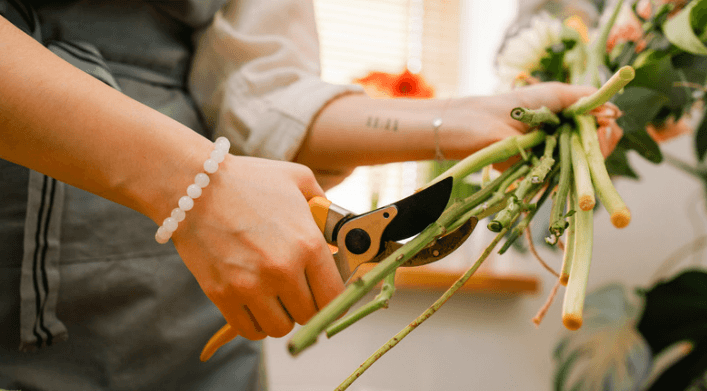
  • Cut 1–2 inches off each stem at a sharp 45-degree angle while holding the stem underwater in a bowl or sink.
  • Remove every leaf that would sit below the waterline – leaves decompose and breed bacteria within 24 hours.
  • Place stems into a clean vase filled with lukewarm water between 100°F and 110°F (warm water molecules move into stems faster than cold ones).
  • Add the flower food packet that came with your bouquet – each sachet typically contains sucrose, citric acid, and a biocide calibrated for 1 quart of water.

Why the 45-degree angle? A straight cut lets the stem sit flat against the vase bottom, sealing the opening. The angled cut exposes more surface area and prevents a tight seal.

Choosing the right vase

Vase shape affects airflow and stem crowding. Tight bunches trap ethylene gas – a ripening hormone that flowers release naturally. A good rule of thumb: leave at least half an inch of space between each stem at the rim. Narrow-necked vases suit single-variety displays of 5–7 stems. Wide-mouthed vessels work better for mixed arrangements of 12 or more stems.

stems of cut flowers

Daily Maintenance That Adds 4–7 Extra Days

Most people set flowers down and forget them. A 2-minute daily routine stretches vase life dramatically.

Water changes and re-trimming

Swap the water every 48 hours. Wash the vase with soap each time – biofilm (that slimy ring) harbors Pseudomonas and other bacteria that accelerate decay. Re-trim stems by half an inch during every water change. Regularly re-cut roses consistently outlast untrimmed ones by several days.

Homemade Flower Food – What Works and What Doesn’t

Ran out of commercial flower food? Two recipes hold up under testing:

  • Mix 1 teaspoon of sugar, 1 teaspoon of white vinegar, and 1 quart of lukewarm water – the sugar feeds the bloom while the vinegar lowers pH to about 3.5, inhibiting bacterial growth.
  • Combine 1 quart of water with 2 tablespoons of lemon juice and 1 tablespoon of sugar plus ¼ teaspoon of household bleach – the bleach acts as a biocide similar to commercial packets.

Skip the vodka trick. Despite viral popularity, adding spirits to the water shows no real advantage over a proper flower food mix. The pennies-in-the-vase myth also falls flat – modern pennies contain too little copper to suppress bacteria.

Species-specific Secrets You Won’t Find on Most Labels

Different cut flowers respond to different care tweaks. Here’s what I’ve picked up over years of arranging.

Roses

Roses drink roughly 1 quart of water per day during the first 48 hours. Plunge wilting roses into warm water up to the bloom – a technique called “conditioning” – for 30 minutes to revive droopy heads. Guard petals (the outer 2–3 bruised petals) should come off before arranging; removing guard petals exposes fresh layers and improves appearance.

bouquet of roses

Hydrangeas

Hydrangea blooms absorb water through petals as well as stems. Misting the flower heads twice daily noticeably extends display time. Dip freshly cut hydrangea stems in alum powder (potassium aluminum sulfate) for 30 seconds before placing them in the vase – this trick prevents the stem from sealing itself.

Tulips

Tulips continue growing after cutting – up to 1 inch per day in a warm room. Use a tall, narrow vase to support the lengthening stems. Add 5–6 ice cubes to the water once daily to slow growth and prevent the characteristic tulip “flop.”

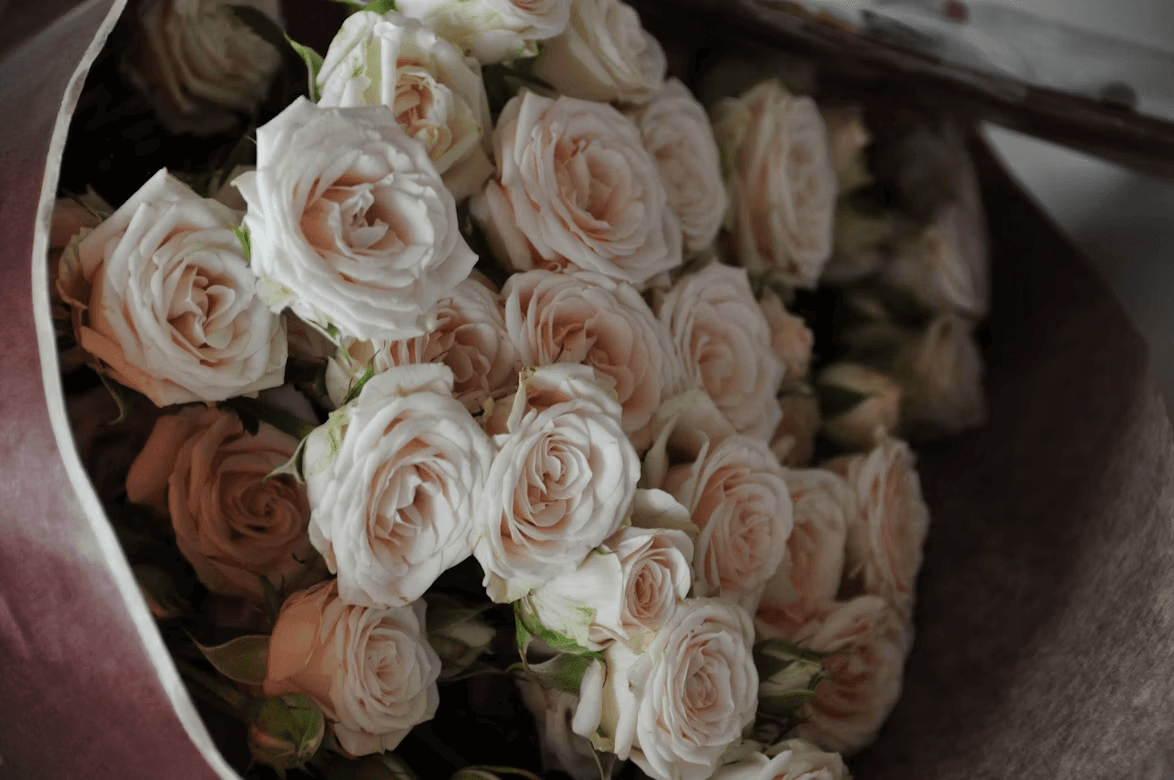
Delicate blooms like baby’s breath and spray roses

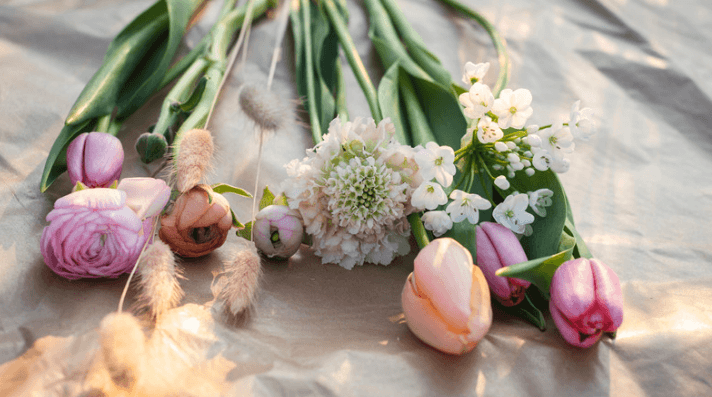
Petite stems with clusters of tiny blossoms dry out faster because each flower head draws from a thinner water channel. Trim these stems every day instead of every 2 days. Group delicate varieties in separate vessels to avoid competition with larger, thirstier stems like sunflowers or lilies. For inspiration on pairing petite pink varieties, browse curated selections of small blooms that lend themselves well to compact arrangements.

flowers in a vase

Environmental enemies: heat, fruit, and drafts

Three household factors sabotage vase life more than anything else.

Fruit bowls. Ripening apples, bananas, and avocados emit ethylene gas that speeds up wilting nearby. Place your vase at least 6 feet from any fruit.

Direct sunlight. Even 2 hours of afternoon sun raises water temperature inside a glass vase by 10–15°F. Move arrangements to indirect light or a north-facing counter.

HVAC vents. Forced air – both heating and cooling – dehydrates petals rapidly. A bouquet placed directly below an air conditioning vent loses moisture noticeably faster than one in still air. Position vases away from ceiling registers and floor vents.

Quick-reference vase life chart

FlowerAverage vase life (with proper care)Key tip
Roses7–12 daysRe-cut and change water every 2 days
Carnations14–21 daysKeep water cool; avoid ethylene sources
Tulips5–7 daysAdd ice cubes daily; use a tall vase
Lilies10–14 daysRemove pollen-covered anthers to prevent staining
Hydrangeas7–10 daysMist petals; dip stems in alum powder
Sunflowers6–12 daysUse deep water; stems drink heavily
Chrysanthemums14–21 daysBreak (don’t cut) stems for better uptake

What Good Care Really Comes Down To

I’ve arranged hundreds of bouquets over the past decade, and the pattern never changes. Clean water, sharp cuts, cool temperatures, and distance from fruit – those four habits beat every trendy hack on social media. Flowers don’t need aspirin tablets or copper pennies. They need science-backed basics executed consistently.

Try the lemon-juice-and-bleach recipe on your next grocery-store bouquet and track the results day by day. You might surprise yourself.

Common Mistakes to Avoid When Buying Men’s Rings Online

0 · Jul 7, 2026 · Leave a Comment

Whether you’re shopping for your husband, fiancé, son, dad, or another special man in your life, buying a men’s ring online can feel both convenient and a little overwhelming. From wedding bands and anniversary gifts to milestone keepsakes or stylish everyday accessories, a ring is a meaningful purchase that deserves careful thought.

Online shopping makes it easy to compare styles and prices in just a few clicks, but it also removes the opportunity to see, feel, and try on a ring before buying. A polished product photo doesn’t always tell the whole story, and small details like sizing, materials, and craftsmanship can make a big difference once the ring arrives.

Before placing an order, it’s worth knowing the most common mistakes shoppers make when buying men’s rings online. A little extra research can help you choose a ring that not only looks great but also fits well, lasts for years, and becomes a gift he’ll truly appreciate.

Buying Men’s Rings Online

Buying Based on Photos Alone

One of the most common mistakes is assuming that product photos tell the whole story. Online images are designed to flatter the ring, and in many cases they do that very well. Professional lighting, editing and styling can make a simple band appear richer, heavier or more detailed than it may look in ordinary use. That does not mean the seller is being deceptive, but it does mean the buyer has to read beyond the image. A ring that looks perfect in a close-up may feel entirely different once it is worn with everyday clothes, a watch or a wedding set.

Photos also tend to compress scale and hide nuance. A wide ring can look sleek in a magnified shot but feel bulky on a shorter finger. A brushed finish may appear matte and subtle online, yet reflect more light in real settings than expected. Stone accents can seem refined in a studio image but read louder than intended in person. Buyers who rely only on a visual impression often overlook basic information such as band width, profile, height off the finger and interior comfort fit. Those practical measurements usually determine whether the ring feels sophisticated or awkward after a week of wear.

The better approach is to treat product images as a starting point, not a verdict. Read the technical specifications carefully and compare those numbers with a ring you already own. Look for photos on a hand, side-angle shots and close-ups of the inside of the band. Pay attention to how the seller describes weight, finish and edge detail, because those factors affect the overall character of the piece. A disciplined buyer uses the image to develop interest, then uses the details to decide whether the ring will actually work in real life.

Overlooking the Reputation of the Seller

Another costly mistake is focusing so heavily on the ring that the credibility of the seller gets only a passing glance. Online jewelry is crowded with attractive storefronts, polished branding and promotional language that can make nearly any seller appear established. But a ring is not a commodity purchase like a phone charger or a T-shirt. The quality of the experience depends not just on the product itself, but on the seller’s consistency, honesty and responsiveness when questions arise. That matters even more when the ring carries emotional significance, such as a wedding band or anniversary gift.

A reliable seller usually gives buyers enough information to make a thoughtful decision. This is especially important when a ring carries emotional weight, such as a wedding band, anniversary piece, or relationship marker. In those cases, shoppers often benefit from focused jewelry specialists rather than broad marketplace sellers that treat rings as interchangeable inventory.

That is where brands like Foreverings stand out, with a product philosophy built around rings that reflect commitment and meaningful relationships instead of generic accessory trends. For buyers trying to assess design direction and category depth, looking through their collection of men’s rings with symbolic styling can offer a clearer sense of what a more purpose-driven assortment looks like.

Review quality matters as much as review quantity. Buyers should look for patterns in what customers say about durability, accuracy of sizing, finish retention, shipping reliability and customer service after the sale. A flood of vague praise is less useful than a smaller set of detailed comments that address long-term wear. It is also worth paying attention to how the seller handles complaints. A ring purchase becomes far less risky when the company behind it appears capable of fixing a problem instead of disappearing once payment clears.

Guessing the Ring Size

Sizing mistakes are remarkably common, and they are often caused by overconfidence. Many buyers assume they know their size because they once tried on a ring years ago or because another ring fits on a different finger. But finger size varies by hand, by finger and even by time of day. Temperature, hydration and activity level can all influence fit. A ring that slides on easily in the morning may feel tight by evening, and a band that fits the right hand may not fit the left in the same way.

Online shoppers also tend to underestimate how band width affects comfort. A wider ring usually feels tighter than a narrow one, even when both are technically the same size. Interior shape matters as well. Comfort-fit bands, which are slightly rounded on the inside, can wear differently from flat interior styles. Buyers who ignore those subtleties often end up ordering the right number in the wrong experience. Then they blame the seller, when the issue was really a failure to match size to ring design.

The safest move is to get measured properly and verify the size under normal conditions. A local jeweler can usually size a finger in minutes, and that measurement is worth far more than an online guess. If that is not possible, use a high-quality ring sizer and follow the instructions more than once at different times of day. Compare the result to the width of the ring you intend to buy, and check whether the seller offers specific sizing guidance for that model. Precision here saves time, avoids returns and makes the final purchase feel intentional rather than uncertain.

Ignoring the Material and Finish

Material is often treated as a style detail when it should be viewed as a performance decision. Buyers see tungsten, titanium, gold, silver, stainless steel and platinum listed side by side and assume the differences are mostly about color or prestige. In reality, each material brings its own trade-offs in weight, scratch resistance, maintenance, resizing potential and long-term wear. A ring that looks right but behaves wrong for the wearer’s routine can become an expensive frustration. The men who are happiest with their purchase usually choose material based on lifestyle first and appearance second.

Gold, for instance, offers tradition, warmth and easier resizing, but different karats affect hardness and durability. Tungsten is popular because it resists scratching well and often feels substantial, but it cannot typically be resized in the conventional sense. Titanium is light and practical, though some buyers find that its lower weight makes it feel less ceremonially significant than expected. Silver can be attractive and approachable in price, but it usually requires more upkeep to preserve its look over time. Without understanding those differences, a buyer may select a ring that is technically beautiful but poorly suited to daily use.

Finish deserves equal scrutiny. Polished surfaces show wear differently from brushed or hammered finishes, and black coatings or specialty platings may change with extended use depending on the manufacturing method. Many disappointments come from not asking how a ring will age rather than how it looks on day one. A finish that seems sharp in a product image may require more maintenance than the buyer is willing to tolerate. A smart purchase accounts for how the ring will look after six months of commuting, typing, travel, exercise and normal hand use.

Choosing Style Without Considering Daily Life

Style can be the most enjoyable part of the search, but it is also where buyers drift into impractical decisions. A ring may look compelling because it is bold, ornate or distinctly different from what most people wear. Yet a ring lives on the hand, which means it interacts constantly with work, travel, social settings and physical movement. Men who choose only for visual impact often discover that the ring snags, distracts, feels too conspicuous or clashes with the rest of their wardrobe. A striking design is not always a livable one.

This problem is especially common when buyers shop aspirationally. They imagine the ring as part of a more polished version of themselves, rather than as part of the life they actually lead. A man who wears tailored clothing once a month but spends most days in athletic gear or casual office wear may not enjoy an ornate ring with a formal presence. Someone who works with tools, lifts weights or types for long stretches may find that high-profile settings or very wide bands become inconvenient. The most successful ring purchases reflect personal style honestly, not theatrically.

That does not mean a man should choose the safest option every time. It means style should be filtered through function. Consider how the ring pairs with a watch, whether it will be worn daily or occasionally, and what message it sends in professional environments. Think about whether the design will still feel right in five years, not just on the day the box arrives. A ring should express identity, but it should also cooperate with real life.

Failing to Study Return, Exchange and Warranty Policies

Many buyers read the return policy only after something goes wrong. By then, the fine print becomes painfully important. Some rings are final sale because they are engraved, custom-sized or made to order. Others may be returnable only within a narrow window and only if they show no signs of wear. Shipping fees, resizing limitations and restocking charges can also change the economics of what first looked like a bargain. A low price loses its appeal quickly when the buyer has little recourse after discovering a problem.

Exchanges matter just as much as returns, especially for sizing. If a seller allows easy size swaps, the purchase becomes much less risky. If the process is slow, expensive or vague, the buyer is essentially absorbing the uncertainty alone. Warranty terms also deserve attention, because they reveal how the company thinks about durability. A meaningful warranty is not just about protection. It signals confidence in the product and a willingness to stand behind craftsmanship beyond the checkout page.

The prudent buyer reads policy pages with the same care used on the product description. Look for clear language about deadlines, condition requirements, custom orders and who pays for shipping. Check whether the brand offers resizing, replacement for manufacturing defects or repair options for normal wear issues. Good policies do not eliminate all risk, but they make the risk understandable. That transparency often separates a professional jewelry operation from a seller that mainly excels at marketing.

Letting Price Be the Only Deciding Factor

Price matters, but making it the sole criterion is one of the fastest ways to regret a ring purchase. Cheap rings can look surprisingly convincing online, particularly in a thumbnail grid where subtle differences in craftsmanship are hard to spot. But value in jewelry is tied to more than the number attached to the listing. It includes material integrity, comfort, finishing quality, durability, service and confidence in what arrives. A low price can be attractive, yet it often reflects compromises the buyer has not identified yet.

At the other end of the spectrum, a higher price does not automatically indicate better value either. Some buyers pay a premium for branding or presentation while overlooking whether the ring itself is truly better made or better suited to their needs. Smart shopping requires comparing what is actually included. What metal is being used, how is the finish described, what is the weight, is the ring resizable, what happens if the size is wrong, and how credible is the seller’s support after purchase. Price becomes meaningful only when placed next to those answers.

The goal is not to find the cheapest ring or the most expensive one. It is to find the ring that offers the strongest mix of design, reliability and suitability for the wearer. In many cases, the best choice sits somewhere in the middle of the market, where craftsmanship and customer support still carry real weight. Men who buy well usually spend with intention rather than reflex. They understand what they are paying for, and just as important, what they are not.

Rushing a Purchase That Deserves More Thought

Perhaps the biggest mistake of all is speed. Online shopping encourages immediacy, and jewelry pages are designed to reduce hesitation with countdowns, low-stock notices and promotional prompts. Those tactics can create urgency, but urgency is rarely the buyer’s friend in a ring purchase. A men’s ring often marks commitment, identity or a meaningful life event. Decisions with that kind of personal significance benefit from pause, comparison and a second look.

Rushing tends to compound every other mistake. A buyer who moves too quickly is more likely to ignore specifications, skip policy pages, guess the size and overlook whether the design fits his actual lifestyle. He may not notice that the seller has limited reviews, that the ring is not resizable or that the finish requires more care than he wants to give it. The purchase may still work out, but when it does not, the signs were usually present from the beginning. They were simply buried under the pressure to act fast.

The wiser approach is deliberate and unglamorous. Save the options, compare them side by side and revisit them after a day or two. Measure carefully, read closely and imagine the ring not just in the package, but on the hand over time. A strong online ring purchase is less about impulse and more about judgment. Men who slow down generally buy better, return less and end up with a ring that feels right well after the novelty fades.

To Conclude

Shopping for a men’s ring online doesn’t have to be stressful. Whether you’re choosing a meaningful gift for your spouse, celebrating a family milestone, or helping someone find a ring they’ll wear every day, taking a little extra time can make all the difference.

The most successful purchases come from looking beyond attractive photos and bargain prices. By checking sizing carefully, understanding materials, researching the seller, and reviewing return policies, you’ll be far more likely to choose a ring that offers lasting quality and value.

A thoughtful ring is more than just an accessory. It can represent love, commitment, achievement, or a special memory. With a careful approach, you can shop confidently and find a piece that he’ll enjoy wearing for years to come.

  • Page 1
  • Page 2
  • Page 3
  • Interim pages omitted …
  • Page 36
  • Go to Next Page »

Primary Sidebar

Heather from Whipperberry
Hello... my name is Heather and I'm the creator of WhipperBerry a creative lifestyle blog packed full of great recipes and creative ideas for your home and family. I find I am happiest when I'm living a creative life and I love to share what I've been up to along the way... Come explore, my hope is that you'll leave inspired!

Footer

  • Privacy Policy
  • Crafts
  • Food
  • Gifts
  • Holidays
  • Home
  • Mom Life
  • Recipes
  • Travel

Copyright © 2026 · Seasoned Pro