• Skip to primary navigation
  • Skip to main content
  • Skip to primary sidebar
  • Skip to footer

Whipperberry

WhipperBerry • Your Home For Creative Inspiration

  • Home
  • Recipes
    • Starters
    • Easy Weeknight Dinners
    • Main Dish
    • Salads
    • Side Dish
    • Soups & Stews
    • Desserts
    • Breakfast
    • Miscellaneous
  • Tutorials
    • Creative Crafts
    • DIY Decor
    • Fabric Crafts
    • Food How-To
    • Jewlery
    • Paint Projects
    • Paper Art
    • Party Styling
    • Photography and Graphic Design
    • Silhouette
  • Holidays
    • Easter
    • Mother’s Day
    • Father’s Day
    • 4th of July
    • Halloween
    • Thanksgiving
    • Christmas
    • Valentine’s Day
  • Gift Ideas
    • Gifts For Everyone
    • Gifts for Dad
    • Mother’s day
    • For The Girls
    • For The Kids
    • Teacher Gift Ideas
    • Christmas
  • Printables
    • Holiday
    • Gift Idea
    • LDS Primary
  • Travel
  • About
    • Terms
  • Contact
  • Nav Social Menu

    • Facebook
    • Instagram
    • Pinterest
    • RSS
    • Twitter

Holidays

Confused About Your Engagement Ring? Here’s How to Choose the Right One

0 · May 7, 2026 · Leave a Comment

Engagement ring shopping sounds romantic in theory. In practice, a lot of people find it quietly overwhelming — the choices are endless, the terminology is confusing, and the stakes feel high. Nobody wants to spend a significant amount of money on something the other person will wear every day and not love.

The good news: once you understand a few basics, the process gets a lot more manageable. Here’s a plain-language guide to making a decision you’ll both be happy with.

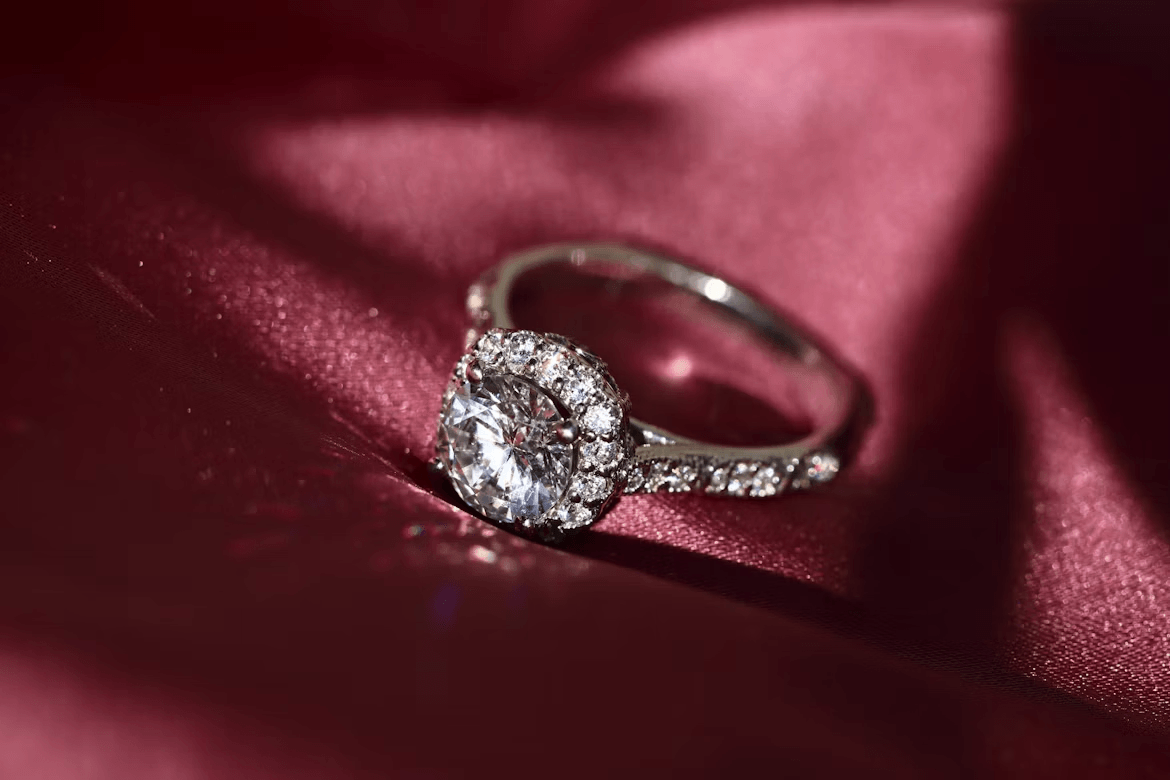
engagement ring

Start With What They Already Wear

Before you look at a single engagement ring, pay attention to the jewelry your partner already wears. Do they gravitate toward gold or silver tones? Do they wear delicate, minimal pieces or something bolder? Are their rings mostly classic shapes or more unusual ones?

Most people have a fairly consistent aesthetic across their jewelry, and engagement ring preferences tend to follow that pattern. If they wear small, understated earrings and a simple necklace, a large solitaire with a lot of presence may not be the right call, regardless of what’s trending.

The Four Cs: What Actually Matters Day to Day

You’ve probably heard of the four Cs — cut, color, clarity, and carat. They’re all real factors in diamond quality, but they don’t all affect how a ring looks in everyday wear equally.

Cut is the one that matters most for how the diamond looks to the naked eye. A well-cut diamond catches and reflects light in a way that makes it appear bright and lively. A poorly cut diamond can be technically high-quality on paper and still look dull.

Color and clarity affect pricing significantly, but differences in the middle grades (G-H color, VS2-SI1 clarity) are largely invisible without magnification. Many jewelers recommend prioritizing cut and spending less on color and clarity grades that nobody will see without a loupe.

Carat is weight, not size — and two diamonds of the same carat can look quite different depending on their cut proportions. A slightly smaller diamond that’s well-cut often appears larger than a heavier diamond that isn’t.

Setting Style Changes Everything

The setting — how the diamond or stone is held in the ring — has as much impact on the final look as the center stone. A solitaire on a plain band looks completely different from the same stone in a halo setting or on a pavé band.

Metal choice also changes the read: yellow gold has a warm, classic feel; white gold and platinum are cooler and more contemporary; rose gold tends to photograph beautifully but is worth checking against skin tone in person.

One practical note: prong settings show more of the stone and maximize sparkle, but they can also catch on things. Bezel settings are more protective if the person is active with their hands.

Lab-Grown vs. Natural Diamonds

This question comes up in almost every ring conversation now. Lab-grown diamonds are physically and chemically identical to mined ones — not simulants like cubic zirconia. The difference is origin and price. Lab-grown diamonds typically cost 50 to 70 percent less for the same specs.

According to the Gemological Institute of America, lab-grown and natural diamonds have the same optical, chemical, and physical properties — the distinction is in how they formed. For couples who prioritize budget or sustainability, lab-grown is a legitimate and increasingly popular choice. For couples who place value on the natural origin, mined diamonds carry a different meaning. Neither is wrong.

Where to Browse Without the Pressure

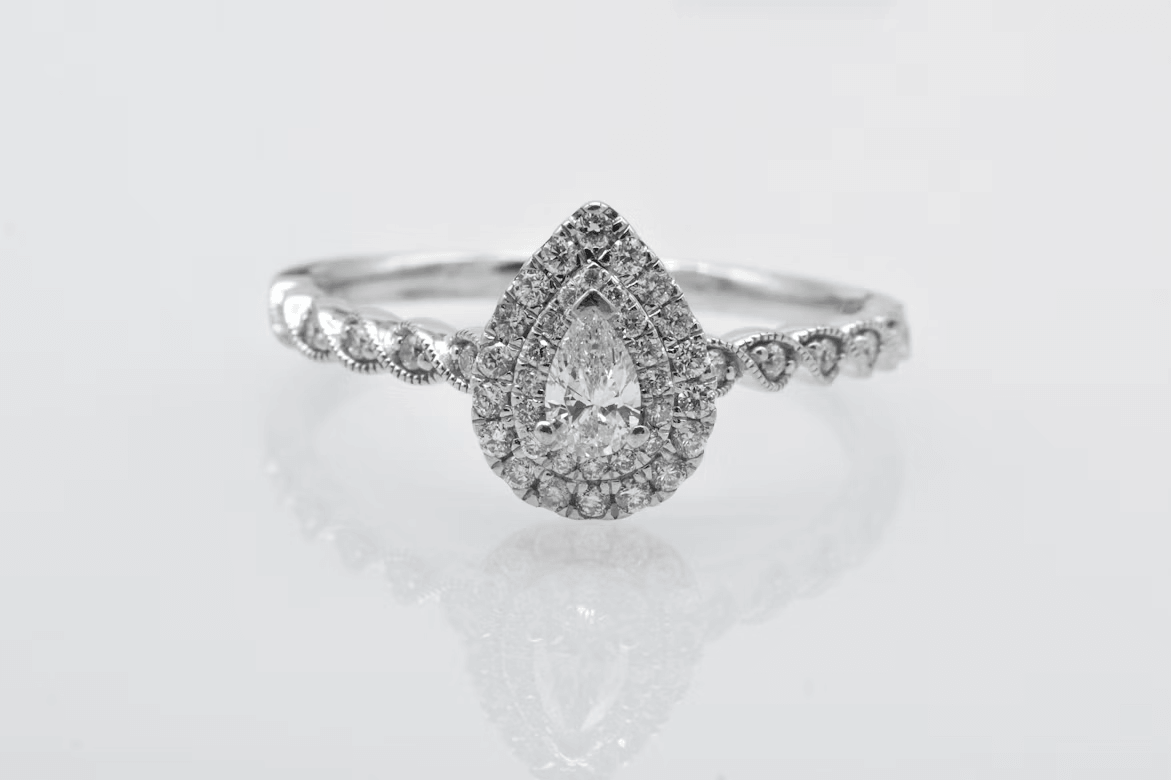
choosing engagement rings

Traditional jewelry store shopping can feel pushy and time-pressured — and it’s hard to comparison-shop in person. More couples are doing a significant part of their research online, where they can take their time, compare specs side by side, and use visualization tools to see how different combinations look.

Ritani’s collection of engagement rings is worth exploring if you want to look at a wide range of styles and specs in one place. Their site lets you build rings from scratch — choosing a setting and then pairing it with a stone to see exactly what it looks like — which is a useful way to narrow down preferences before committing to anything.

Getting the Size Right

Ring sizing is one of the more stressful parts of the surprise proposal. A few approaches that work: borrow a ring they wear on their left ring finger and have a jeweler measure it, ask a close friend or family member who might know, or go with a slightly larger estimate and plan to resize after — which most jewelers do at no or low cost.

Finger size also fluctuates with temperature and time of day, so measuring in the evening or after mild exercise gives a more representative reading than measuring first thing in the morning.

Conclusion

There’s no objectively correct engagement ring — only the one that fits the person wearing it. Take your time, pay attention to their existing style, and don’t get too distracted by specs that don’t affect how the ring actually looks in real life. The most important thing is that it feels like something they’d choose for themselves. Get that right, and the rest is just details.

Easy Ways to Make Your Home Feel Warm and Welcoming During Festive Seasons

0 · Apr 13, 2026 · Leave a Comment

A home can look absolutely perfect and still feel… a bit uncomfortable. It’s flawless, but people pick up on it almost immediately, even if no one says anything. Everything is in place, nothing’s out of line, and yet there’s this quiet feeling like you have to be careful. Like you shouldn’t sit too freely or touch too much. It feels more like a space to admire than one to actually settle into.

And then there are homes that are the complete opposite. A chair’s a little off, something’s happening in the kitchen, there’s a bit of noise, a bit of movement, and none of it matters. People just ease into it. They sit wherever, conversations start without effort, and time kind of slips by without anyone noticing.

That difference doesn’t come from decoration. It comes from how the space is set up to be lived in. During festive seasons, that becomes even more obvious. There’s more noise, more people, more movement. Trying to control all of it usually backfires. Letting the space absorb it works better.

I’ve learned over the years that a home does not have to look perfect to feel inviting, especially during the holidays. In fact, some of the most beautiful spaces can feel a little uncomfortable when everything is too put together.

As a mom, I love creating a home where my family and friends can relax, gather, and truly enjoy the moment. When the festive season comes around, it becomes even more important to focus on how a home feels instead of how it looks. A few simple changes can make your space feel cozy, lived-in, and full of joy.

Make Your Home Feel Warm and Welcoming

Start With the Feel, Not the Look

It’s easy to get caught up in how things look. New plates, matching colours, carefully arranged corners. All of that helps, but only up to a point. What actually makes a space feel right is much less visible. Lighting that isn’t harsh on the eyes. A room that isn’t packed with things. Air that feels fresh and good instead of heavy and smelly. These aren’t that major changes, but they shift how people behave the moment they walk in.

Even scent works like this. Not something strong or artificial, just a faint, natural background. Food cooking, clean fabric, or even just an open window can do more than any diffuser. People don’t walk in and analyse these details. They just feel more at ease without knowing why.

Let People Use the Space

One thing I’ve learned as a mom is that a home can feel less welcoming when everything looks too perfect. When pillows are lined up just right or the table feels like it is only for display, people naturally hold back. Even kids can feel like they have to be extra careful.

In our home, I try to set things up so everyone feels comfortable using the space. Chairs can be moved around, pillows can be tossed on the floor, and no one has to ask before sitting down. It may not look perfect, but it feels lived in and relaxed, which matters so much more.

Food plays a big role here too. When everything feels formal, people hesitate. But when food is simple and easy to reach, everyone jumps right in. I love setting things out in a way where my family and guests can help themselves without overthinking it.

There’s a reason most hosting advice, including this guide from BBC Good Food, focuses on keeping things simple. When guests feel at ease, the whole home feels warmer and more inviting.

Different Traditions, Same Outcome

One thing I love is seeing how different families celebrate. Even though traditions may look different, they all create that same feeling of warmth and togetherness.

Christmas and Easter often bring cozy moments with shared meals and simple traditions that families repeat year after year. Halloween has a more relaxed feel, with people coming and going and a fun, easy energy in the home.

In Hindu homes during Diwali, there is a beautiful sense of preparation. Cleaning, lighting diyas, and creating rangoli all help set the tone. In Chinese New Year celebrations, there is intention in every detail, from the colors to the food to the way the home is arranged.

In Muslim homes, celebrations like Eid bring a wonderful sense of sharing. Food is prepared and given to others, and the home becomes part of something bigger than just hosting. For those observing Eid ul-Adha, qurbani introduces a structured way of giving, where what happens inside the home extends beyond it.

Even though these traditions are different, they all create homes that feel open, welcoming, and full of life.

Food Sets the Tone

Food has a bigger impact than most people realise. Not because of how elaborate it is, but because of how easy it feels.

Complicated setups tend to create distance. Guests wait, ask questions, or avoid touching anything. Simple setups do the opposite. People serve themselves, move around, and naturally gather in small groups. That’s when conversations start to stretch. People stop being careful and start being comfortable.

festive season with family

The Small Things That Change Everything

Some things are barely noticeable, but they affect the entire experience. In our home, I try to keep a few simple things in mind:

  • Music that sits in the background instead of taking over
  • An entry that feels clean and calm, not rushed
  • Enough space so people aren’t adjusting themselves constantly
  • Basic things, such as water, seating, and serving areas, are obvious without needing directions

When these are right, everything else becomes easier.

Stop Trying to Get It Exactly Right

Trying to manage every detail usually creates the opposite effect. The space starts to feel controlled. People become slightly more aware of what they’re doing, what they’re touching, and where they’re sitting.

The most comfortable homes leave room for small disruptions. Someone shows up late. Plans shift. Conversations run longer than expected. That’s not a flaw. That’s usually where the best parts happen.

During the holidays, those little moments like sharing food, laughing together, and enjoying time as a family matter the most. When you focus on that, your home naturally becomes a place everyone loves to gather.

Ultimately, the arrangement and decorations are forgotten. They recall how the place made them feel, including if they could chill out, stay in, and take part in the activities without giving it any thought. That’s what creates a very friendly atmosphere in a house. It’s how people fit into it, not how it appears.

Simple Ways to Make Holidays More Meaningful at Home

0 · Apr 13, 2026 · Leave a Comment

The holidays always seem to come and go so quickly, especially when life feels full and busy. As a mom, I have learned that the most meaningful moments are not about doing more, but about being more present with my family. Creating simple traditions, adding a little creativity, and slowing things down at home can turn even the smallest moments into something special.

Here are easy and heartfelt ways to make the holidays feel more meaningful, here are a few ideas you can try with your family.

make holidays more meaningful at home

Focus on What Repeats, Not What Impresses

Not every tradition needs effort behind it. The ones that stay are usually the easiest to repeat. It could be one dish that is only cooked once a year. A small habit before everyone sits down. Even something like letting kids handle one part of the setup or decoration every time. These things don’t stand out immediately, but over time they become the part people expect for the years to come.

Giving everyone a role helps more than it seems. One person sets the table, someone else helps with food, and someone manages small details. It spreads responsibility, but more importantly, it makes the day feel shared instead of managed by one person.

There’s research from Harvard Health Publishing that links these routines to stronger family connections, but that part is obvious without data. Repetition creates familiarity, and familiarity is what people attach to.

Change the Feel, Not the Setup

Most people focus on how things look. What actually affects the day more is how the space feels. Bright lights, noise, constant movement, those things make everything feel faster. Slight adjustments slow it down. Softer lighting, familiar smells from food, or even quiet background sound can change how the same space feels without changing anything major.

It’s not decoration. It’s atmosphere. And that’s what people respond to without realising it.

Stop Trying to Get Through the Day Perfectly

The idea of a “perfect” holiday usually creates the opposite result. It builds pressure, and that pressure shows up in small ways, such as rushed conversations, shorter patience, and constant checking of what’s next. When that expectation drops, things settle on their own. Timelines loosen. Conversations don’t get cut short. There’s space for things that weren’t planned.

According to the American Psychological Association, lowering that kind of pressure directly improves how people experience holidays. It’s not surprising that less control usually leads to more natural interaction.

ways to make holidays meaningful

Slow Down the Food Process

Food is always part of the day, but it often becomes something to complete rather than something to experience. Involving others changes that. Children helping with small steps, explaining where a dish comes from, or simply not rushing through meals make a difference.

Sitting together without distractions, even for a short time, shifts the tone. It stops being about serving and starts feeling shared.

Leave Space for Nothing in Particular

Most holidays are planned too tightly. Every hour has something attached to it. That removes the moments that usually end up mattering.

Leaving gaps without assigning anything to them allows the day to breathe. Conversations last longer. People stay present instead of moving on to the next thing. These pauses don’t need structure. They just need to exist.

Let the Day Extend Beyond the House

When everything stays inside one space, the holiday can feel complete but contained. Adding something beyond that, even in a small way, tends to ground it. This doesn’t require large gestures. It can be as simple as giving away items that are no longer needed or contributing to something that reflects the values being practised that day.

Some families choose to support charitable organisations through initiatives such as Orphans In Need Qurbani, where the impact extends to children who would otherwise be left out during important occasions.

It’s not about shifting focus away from the home. It just adds meaning to it.

Reduce Interruptions That Break the Flow

Devices don’t seem like a problem until the day feels a bit disconnected. Notifications, messages, and constant checking interrupt moments without being obvious.

Setting limits helps more than expected. Phones away during meals, notifications off for a few hours, or replacing idle scrolling with shared time can bring back continuity. It’s not about removing devices completely. Just controlling when they take attention.

Keep It Realistic

Doing too much usually leads to the same outcome: fatigue. And when the day ends in exhaustion, the experience doesn’t hold the same value.

Keeping things limited makes them repeatable. Fewer activities, less pressure to add new elements every year, and using what already exists keep it manageable. That’s what allows something to become a tradition instead of a one-time effort.

Final Thoughts

Making holidays more meaningful does not require big plans or perfect details. It comes down to the time you spend together and the memories you create along the way. Whether it is a simple craft, a shared meal, or a quiet moment at home, those are the things your family will remember most. Start small, keep it simple, and enjoy every moment together.

6 Surprisingly Simple Outfit Ideas for Goth Beginners

0 · Feb 10, 2026 · Leave a Comment

Beginner goth style is best achieved by combining comfortable basics like black cotton tees with single statement pieces. By focusing on dark layers and mixed textures, newcomers can easily adopt sub-styles like romantic or Victorian goth without sacrificing practical daily wearability. You do not need an entirely new wardrobe to start.

The most effective outfits often rely on a simple strategy of anchoring the look in familiar clothing. This approach allows for personal expression through alternative clothing while ensuring you feel confident rather than costumed.

Goth Style Can Be Simple and Comfortable

Woman in a gothic dress


The secret many seasoned goth dressers know is that the foundation of most striking looks involves a handful of easy pieces. Think cotton tees, well-fitting denim, and versatile boots paired with one statement layer.

By stripping away the pressure to wear elaborate ensembles every day, you discover that authentic alternative fashion fits seamlessly into a modern lifestyle.

Key Insight: You do not need a costume closet to look authentic. A sustainable goth wardrobe is actually built on 80% comfortable black basics and just 20% high-impact statement pieces.

A Quick Look Back at How Goth Fashion Began

Goth fashion emerged from the late-1970s UK post-punk scene, drawing inspiration from Victorian mourning aesthetics and literature, classic horror films, and gothic rock/post-punk music.

The movement was originally characterized by trademark black clothing, dramatic silhouettes, and a brooding color palette that set a distinct mood. Goth fashion has since permeated mainstream runways, with black lace, leather, and combat boots becoming staples.

Key Styling Principles for New Goths

Building a cohesive wardrobe starts with understanding a few core mechanics of dark fashion. These principles help turn standard black clothing into a deliberate aesthetic statement.

  • Color Strategy: Start with an all-black base. If pure black feels too stark, add depth with charcoal, oxblood, or dark jewel tones to soften the visual impact.
  • Layering for Depth: Begin with breathable cotton or bamboo tees. Finding the right dramatic layers is essential, and exploring Medieval Collectibles’ elegant goth clothing can help you identify high-quality staples like lace dusters that balance durability with authentic style.
  • Texture Play: Visual interest in monochromatic outfits comes from mixing textures. Pair matte fabrics like cotton and denim with lustrous satin or plush velvet.
  • Accessories that Matter: Small details make a huge difference. Chokers, silver hardware, statement rings, and platform or combat boots deliver instant goth attitude.
Pro Tip: When wearing monochromatic black, texture is your best friend. Prevent your outfit from looking flat in photos or low light by mixing light-absorbing fabrics like velvet with light-reflecting materials like satin or leather.

Six Easy Goth Outfit Ideas

Woman in a gothic black dress outdoors

Ready to dress the part? These six formulas prove that dark fashion can be straightforward and stylish.

1. Black Basics with One Bold Piece

This formula relies on a black tee and black jeans paired with a standout topper, such as a red velvet kimono. For maximum comfort, choose stretch denim and opt for unlined velvet layers to prevent overheating. This works because it anchors you in familiar basics, while a single statement piece clearly communicates the goth aesthetic.

2. Corset Top with a Long Skirt

If you’re thinking of outfit ideas for goth beginners, pick a soft underbust corset with modest boning to define the waist without restricting breathing. A great layering trick is to wear it over a mesh or cotton long-sleeve top for coverage and texture contrast. Look for corsets with elastic back panels or side-zips to ease entry and exit.

3. Band Tee with a Lace Layer

Pair a favorite music tee with a floor-length lace duster or shrug. This combination adds instant romantic goth style by juxtaposing edgy graphics with delicate, intricate fabric. To balance the volume of the long lace, try knotting the tee at the waist.

4. Victorian Style Blouse with Fitted Pants

Look for blouses featuring details like ruffled cuffs, high collars, or jabot ties. To keep the silhouette modern, balance the loose top with skinny jeans or tailored cigarette pants. This look is surprisingly work-friendly when you tuck the blouse in and add ankle boots.

5. Long Coat with Boots

Outer layers define this look, so choose a duster, trench, or military-style coat in wool or faux leather. For footwear, select combat boots for casual days or heeled platforms for nights out. A coat with a back vent is a practical choice that adds mobility when you walk or sit.

6. Simple Black Dress with Strong Accessories

A-line, slip, or skater dresses make versatile canvases for dark fashion. A wide waist belt, layered chains, and dark lipstick can transform an otherwise minimal piece. For extra depth without bulk, add fishnet tights under the dress.

Where to Find Your First Pieces

If you are building a beginner goth wardrobe, decide first which items are worth a splurge and which you can thrift. Basics like tees and black denim are easy to find secondhand. However, statement layers often benefit from better craftsmanship, so investing there can pay off in comfort.

Important: Alternative fashion brands often use sizing standards that differ significantly from high-street retailers. Always measure your bust, waist, and hips with a tape measure and compare them to the specific item’s size chart before ordering.

Caring for Your Goth Wardrobe

Maintaining the deep blacks and delicate fabrics of this style requires specific care.

  • Velvet and Lace: Hand-wash in cool water with gentle detergent. Roll in a towel to remove excess moisture, then lay flat to dry.
  • Boots Care: Stuff with newspaper or boot shapers to maintain shape; polish leather every few wears.
  • Corset Maintenance: Air out after each wear; spot-clean the lining; avoid machine washing.
  • DIY Fixes: Keep a small bottle of black fabric dye to refresh faded cotton.

Confidence and Self-Expression

Goth fashion isn’t a gatekept club; it is an evolving canvas for personal storytelling. Whether you gravitate toward romantic goth style with flowing lace or prefer a minimalist Victorian goth blouse and trousers, the key is wearing what feels authentic. Experiment at your own pace, mix vintage with new, and remember that comfort empowers confidence.

Quote: “Goth is not about the brand on the label, but the atmosphere you create. It is a mindset of finding beauty in the shadows and expressing your inner self without apology.”

Your Next Steps

Pick one of the six goth outfit ideas, maybe that black basics formula or the corset-and-skirt combo, and try it this week. Notice how textured layers and statement accessories shift not just your look but your mood. When you are ready to expand, revisit the outfit formulas above to tailor your growing wardrobe. Happy experimenting!

Author Profile: Medieval Collectibles is the leading online retailer of authentic medieval replicas and fantasy collectibles for history enthusiasts, reenactors, and collectors worldwide.
  • Page 1
  • Page 2
  • Page 3
  • Interim pages omitted …
  • Page 46
  • Go to Next Page »

Primary Sidebar

Heather from Whipperberry
Hello... my name is Heather and I'm the creator of WhipperBerry a creative lifestyle blog packed full of great recipes and creative ideas for your home and family. I find I am happiest when I'm living a creative life and I love to share what I've been up to along the way... Come explore, my hope is that you'll leave inspired!

Footer

  • Privacy Policy
  • Crafts
  • Food
  • Gifts
  • Holidays
  • Home
  • Mom Life
  • Recipes
  • Travel

Copyright © 2026 · Seasoned Pro