At the start of a new month, it feels easy to commit to healthier meals, calmer mornings, organized evenings, or better routines for everyone in the house. But by week three, real life shows up. Schedules shift. Kids get sick. Work runs late. Energy dips. The plan that looked great on paper starts to feel impossible.
If you want healthy habits that last longer than 30 days, your routines need to work for real family life. They need to be simple, flexible, and strong enough to handle busy seasons. Here is how to build healthy habits that support your home without adding stress or burnout.
Start With Maintenance, Not Transformation
Many habits fail because they’re built around dramatic change. We try to overhaul our mornings, fitness routine, diet, and organization systems all at once. Instead, focus on maintenance. Ask yourself: What do I want to protect long term? Protect your energy, finances, home, and health.
When you frame habits as maintenance rather than transformation, they feel more practical and less overwhelming. You’re not trying to become a different person, but to preserve what you’ve already worked hard to build.
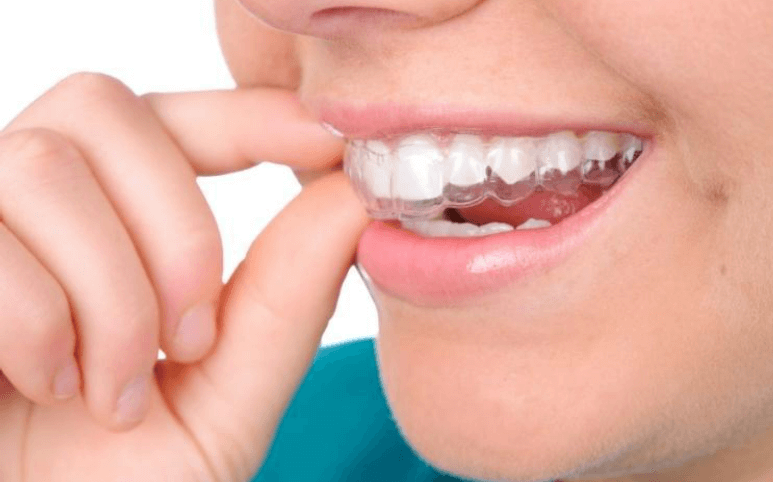
For example, if you invested years in orthodontic treatment, you must protect your hard-earned smile. You can maintain your results by consistently wearing a custom retainer available from Cheeky as a simple daily habit to prevent expensive correction later.
Make Habits Small Enough to Survive Busy Weeks
Consistency beats intensity. If your new routine requires perfect conditions, it won’t survive a busy season. Healthy habits should work even on your most chaotic days.
Instead of committing to a 60-minute workout, commit to moving for 10 minutes. Before reorganizing your entire pantry, reset one shelf. The key is designing habits that continue when motivation fades.
This principle applies especially to long-term health routines. Wearing your retainer each night doesn’t feel dramatic, but it prevents gradual shifts that are costly to fix later. Small, repeatable actions are more powerful than ambitious short bursts of effort. When habits are small, they’re easier to repeat, and repetition is what builds stability.
Reduce Friction Wherever Possible
Every habit competes with convenience. If something feels complicated, expensive, or time-consuming, you’ll delay it. Over time, delay turns into avoidance.
Lowering friction makes consistency easier. Lay out your workout clothes the night before and keep a water bottle on your desk. Store your retainer case somewhere visible so it becomes part of your bedtime routine.
The same logic applies when replacing a lost or worn retainer. In the past, that often meant booking appointments and waiting weeks for a replacement. Today, services like Cheeky simplify that process.
If you need a replacement retainer, you can order one from Cheeky without scheduling a traditional office visit. Cheeky provides dentist-approved retainers, includes a free impression kit, covers shipping, and offers a 30-day guarantee. Removing barriers like these makes it easier to stay consistent rather than putting off care.
Attach Habits to Existing Routines
One of the most reliable ways to build lasting habits is to stack them onto existing routines.
If you brew coffee every morning, review your priorities while it brews. If you’re used to brushing your teeth every night, place your retainer case beside your toothbrush. When you sit down to plan your week on Sunday evenings, take five minutes to check upcoming commitments at the same time.
You don’t need to carve out brand-new time blocks, but anchor new behaviors to familiar cues. Your brain already recognizes the routine. You’re simply adding one more step to a pattern that’s established.
For families, this can work even better. A shared nightly reset, dishes, backpacks, and oral care, becomes part of the household rhythm. Over time, it feels automatic rather than forced.
Plan for Imperfection in Advance
Most habits don’t fall apart because of one missed day. They fall apart because we interpret one missed day as failure. Disruptions, such as travel, illness, deadlines, and holidays, will interrupt your routine. Remember that the goal isn’t perfection but resilience.
Instead of asking, “How do I never miss a day?” ask, “What’s my plan when I miss one?”
If you skip a workout, return the next day without doubling up. When you forget to wear your retainer one night, resume the following evening. If a week becomes overwhelming, stick to the essentials rather than abandoning the system altogether.
Long-term consistency comes from returning quickly, not performing flawlessly. When you normalize imperfection, you reduce the all-or-nothing thinking that derails progress.
Revisit and Adjust Every 30 Days

Ironically, many habits fall apart after 30 days because we never review them.
Life changes, schedules evolve, and energy levels shift with seasons. A routine that worked in January may not work in June.
Set a monthly check-in. Ask yourself:
- What felt easy?
- What felt forced?
- What did I skip most often?
- What actually improved my daily life?
Adjust accordingly. Sometimes that means simplifying, changing the time of day you complete a task, or replacing tools that are worn out or uncomfortable.
If your retainer no longer fits well or shows signs of wear, replacing it promptly helps you avoid setbacks that may require larger corrections later. Small adjustments keep systems sustainable. Flexible habits adapt to your reality instead of demanding ideal conditions.
Build Systems, Not Streaks
Streaks feel motivating until they break, but systems are more reliable. A system supports your habit regardless of mood, stress level, or schedule.
Systems include keeping your retainer case on your nightstand, placing workout shoes by the door, and scheduling a recurring calendar reminder for a monthly review. When systems exist, you rely less on discipline.
Over time, these structural decisions compound. You’ll protect your investments, preserve your progress, and avoid having to restart from scratch every few months.
Conclusion
Healthy habits last when they fit into everyday life. Start with maintenance instead of major overhauls. Keep routines small enough to survive busy weeks. Reduce friction wherever you can, attach new habits to routines you already follow, plan for imperfection, and check in regularly as a family.
When habits feel simple and practical, they become part of your family rhythm. The goal is not perfection. It is steady care for what matters most, your family’s time, health, home, and the investments you have already made together.
0
Leave a Reply