Family life moves fast. Between school schedules, work commitments, and daily responsibilities, it can feel hard to slow down and truly connect. That is one reason many families are rethinking the way they travel.
Instead of planning packed itineraries filled with constant activity, more families are choosing trips that allow them to settle in and enjoy time together. Immersive travel experiences focus on being present in one place rather than rushing from one attraction to another. The goal is not to check off a list, but to create shared moments that feel calm, connected, and memorable.
When families choose destinations where the experience and accommodations are woven together, the trip feels less stressful and more meaningful from the moment they arrive.
Staying Where the Experience Happens
One of the clearest examples of immersive travel is choosing destinations that combine experience and accommodation in one place. Instead of separating where you sleep from what you came to enjoy, these stays allow everything to exist together in a single setting.
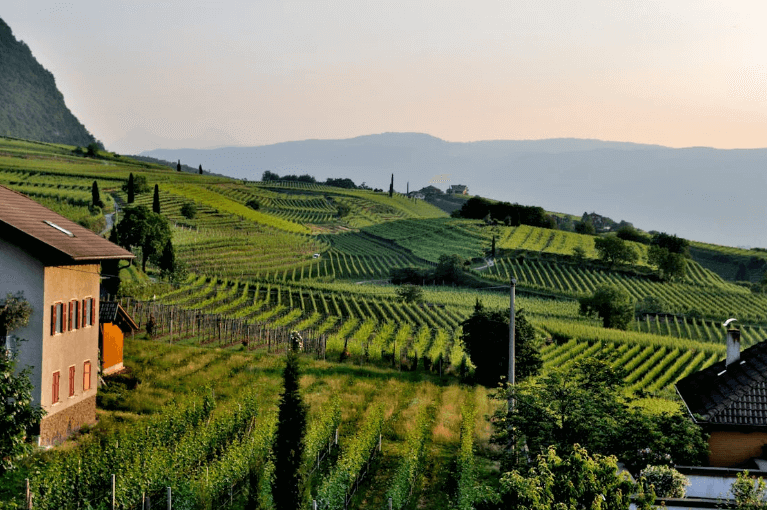
Travelers looking for vineyards with lodging often want more than wine tastings alone. They want to wake up surrounded by the landscape, take slow mornings, and enjoy the rhythm of vineyard life without leaving the property. Staying on-site creates a natural flow to the day, where meals, views, and activities feel connected rather than scheduled.
Immediately after discovering this type of stay, it helps to understand what makes it work so well. Nicewonder Farm & Vineyards is a vineyard resort that offers on-site lodging designed to keep guests immersed in the setting from start to finish. The property features luxury accommodations, a working vineyard, wine experiences, and on-site dining, allowing visitors to enjoy everything without the need to travel elsewhere. This kind of setup supports a slower pace and lets guests focus on the experience rather than logistics.
Travelers Are Choosing Depth Over Checklists
Modern travelers are becoming more selective about how they spend their time. Instead of trying to see everything, many prefer to explore fewer places more deeply. Immersive travel supports this shift by encouraging travelers to stay present rather than constantly move on to the next thing.
When you stay in one place and truly settle in, you begin to notice details that rushed travel often misses. The way light changes throughout the day, how mornings feel different from evenings, and how the atmosphere evolves all become part of the experience.
This approach reduces travel fatigue and creates space for genuine enjoyment. Travelers return home feeling refreshed rather than exhausted, which is one of the main reasons immersive stays are becoming more appealing.
Experiences Feel More Authentic When They’re Part of Daily Life
Immersive travel works because it blends naturally into daily routines. Instead of planning every hour, travelers fall into a rhythm shaped by the environment around them. Meals happen when they feel right, walks happen when the mood strikes, and downtime becomes just as valuable as activity.
Staying somewhere that reflects the destination allows travelers to experience a place more authentically. There’s no need to rush or travel. The experience unfolds naturally, often leading to moments that feel personal and unplanned.
This sense of authenticity is especially appealing to travelers who want their trips to feel meaningful rather than manufactured. Being present in the setting creates memories rooted in feeling, not just photos.
Immersive Travel Supports Wellness and Mental Reset
Another reason immersive travel is gaining popularity is its impact on mental well-being. Stepping into an environment that encourages slowing down helps reduce stress almost immediately. When you don’t have to make constant decisions about transportation, reservations, or timing, your mind gets a break.
Scenic surroundings, open space, and quiet moments contribute to a sense of calm that many travelers seek. Immersive stays often encourage rest without forcing it. Guests can choose how active or relaxed they want to be without pressure.
This balance supports a true mental reset. Travelers return home feeling clearer and more grounded, which is something traditional fast-paced travel often fails to deliver.
Destinations Are Responding to the Desire for Meaningful Stays
As traveler preferences change, destinations are adapting. More properties are being designed to support immersive experiences rather than serve as simple overnight stops. Thoughtful layouts, intentional design, and integrated experiences are becoming central to modern travel planning.
Instead of focusing on volume, immersive destinations prioritize atmosphere and flow. The goal is to create a place where guests feel comfortable staying put rather than constantly leaving. This approach aligns with travelers who value quality over quantity.
These destinations understand that immersion doesn’t come from luxury alone. It comes from how everything works together, from the setting to the pacing to the overall experience.
Why Immersive Travel Feels More Memorable
Memories formed through immersive travel experiences tend to last longer because they’re tied to emotions rather than schedules. Travelers remember how a place made them feel, not just what they did there. The slower pace allows moments to sink in and become meaningful.
Instead of recalling a blur of attractions, travelers remember quiet mornings, shared meals, and time spent simply being present. These moments often feel more personal and restorative.
That emotional connection is what makes immersive travel stand out. It creates stories that feel lived rather than planned.
Choosing Experiences That Align With How You Want to Travel
Immersive travel isn’t about avoiding activity. It’s about choosing experiences that align with your energy and intentions. Some travelers want adventure, others want rest, and many want a mix of both. Immersive stays allow that flexibility.
When the destination itself provides the experience, travelers can move at their own pace. There’s no pressure to maximize time or justify the trip through constant activity.
This freedom is a big reason immersive travel continues to resonate with people seeking more thoughtful ways to explore.
Conclusion
Immersive travel reflects what many families are craving most: time together without constant pressure. When the setting encourages a slower pace, conversations happen naturally, laughter feels unhurried, and simple moments become lasting memories.
By staying where the experience unfolds around you, families can trade busy schedules for shared meals, peaceful mornings, and meaningful connection. The focus shifts from doing more to being together.
As families continue to value quality time at home and away, immersive travel offers not just a deeper understanding of the place but a thoughtful way to step outside daily routines while strengthening the bonds that matter most.
0
Leave a Reply