Picture this: You’re driving through an unfamiliar city, GPS running, maybe a little tired from hours on the road — and suddenly, another car cuts into your lane. The impact happens in seconds. Now you’re standing on the side of a busy road, shaken, unsure of what to do next, and far from home.
It’s a situation no traveler wants to face, but thousands of people experience it every year, including visitors and drivers navigating busy corridors in cities like Memphis. The decisions you make in the minutes and hours following a crash can have a lasting impact on your health, your finances, and your ability to get fair compensation.
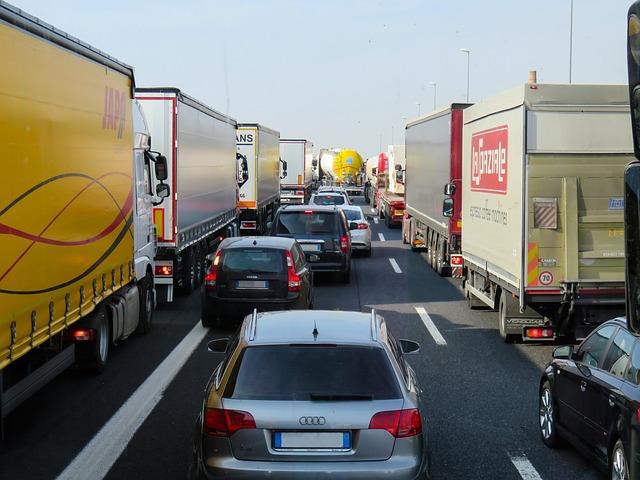
1. Get Out of the Traffic Flow First
Most people’s first instinct is to jump out and check the damage. On a busy road, that can be dangerous. If the car can move, pull it as far off the road as possible. Once you’re clear of live traffic lanes:
• Turn on your hazard lights immediately to alert other drivers.
• Stay inside the vehicle with your seatbelt on until it is safe to exit.
• If you must exit, use the passenger-side door to avoid stepping into traffic.
• Place road flares or emergency triangles behind the vehicle if available.
2. Call 911 and Get an Official Police Report
One of the most common mistakes travelers make after a minor collision is deciding to handle it privately with the other driver. Weeks later, the other driver denies fault or turns out to be uninsured. Without a police report, you’re left with nothing. When officers arrive:
• The officer documents exact location, road conditions, and vehicle positions.
• Both drivers’ statements are recorded before stories can change.
• If the other driver is impaired or unlicensed, the officer will catch it.
• You’ll receive a report number your insurance company will need.
Even if you feel fine and the damage looks minor, always call 911. Adrenaline can mask injuries that show up hours later.
3. Watch What You Say at the Scene
What you say at the scene — even a casual “I’m sorry” or “I didn’t see you” — can be used as an admission of fault. Many states follow a modified comparative fault system, meaning that if you’re found to be 50% or more at fault, you could lose your right to any compensation at all.
Be polite and cooperate with police, but limit what you say to the other driver. Firms like Maggio Law recommend that travelers reach out to a car accident lawyer in Memphis as early as possible — before making any statements to the other driver’s insurance company — so that fault is determined properly, not decided by a rushed roadside conversation.
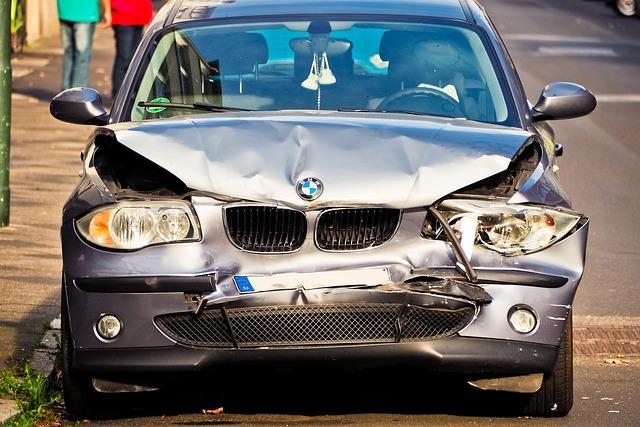
4. Document Everything at the Scene
Think of the crash scene as evidence that disappears within hours. Skid marks fade, witnesses leave, and conditions change. Use your phone to capture:
• Wide-angle photos showing all vehicles and their positions.
• Close-up shots of every point of impact on all vehicles.
• Road conditions — skid marks, potholes, faded lane markings, broken signals.
• Any visible injuries on yourself or passengers.
• Screenshots of your GPS route, including speed if your app tracks it.
Also collect the full name, phone number, insurance carrier, policy number, and license plate of every driver involved. If bystanders witnessed the crash, ask for their contact details too.
5. See a Doctor the Same Day
Travelers often wait until they get back home to see a doctor. That gap — even just a few days — can seriously damage an injury claim. Insurance companies use delayed medical treatment as a primary argument that injuries weren’t caused by the crash.
Crash-related injuries like whiplash, herniated discs, and mild traumatic brain injuries don’t always show up right away. Visit the nearest emergency room or urgent care facility the same day, ask the physician to document the crash as the cause of your visit, and request copies of all records before leaving town.
6. Handle the Insurance Company Carefully
Within 24 to 48 hours, you’ll likely receive a call from an insurance adjuster. That recorded statement they’re asking for is not for your benefit — it’s designed to limit what they pay you. Follow these rules:
• Decline to give a recorded statement until you’ve spoken with an attorney.
• Never say you’re “feeling fine” — you may not fully know your injuries yet.
• Do not accept any settlement offer on the first call.
• Write down the adjuster’s name, claim number, and every call date and time.
7. Know What Compensation You Can Recover
Many crash victims assume their only option is to get their car fixed and move on. In reality, the law allows injured parties to pursue several categories of damages:
• Medical expenses — ER visits, imaging, specialist care, physical therapy, and future treatment.
• Lost income — wages lost during recovery and reduced earning capacity if injuries are long-term.
• Pain and suffering — physical discomfort, emotional distress, and reduced quality of life.
• Property damage — repair or replacement costs for your vehicle and personal belongings.
• Punitive damages — in cases where the at-fault driver was impaired or reckless.
Final Thoughts
A car crash while traveling can derail your trip, your health, and your finances — but it doesn’t have to derail your ability to recover fully. Move to safety, call the police, watch what you say, document everything, see a doctor the same day, and get legal guidance before accepting anything from an insurance company.
Whether you were just passing through or visiting for the first time, you have the same legal rights as any local resident. Acting quickly and carefully in those first few hours makes all the difference.
0
Leave a Reply