Camping feels extra special once the sun goes down. The fire glows, the air cools, and everyone starts reaching for snacks, sweatshirts, and sleeping bags. Then the little problems begin. Shoes disappear into shadows, the cooking table gets too dark, and the tent turns into a pile of half-seen gear.
After reviewing common campsite routines, the best lighting setup is usually simple, flexible, and easy to move as needed. The goal is not to flood the whole campsite with bright light. It is to make the spaces people use after dark safer, calmer, and easier to enjoy.
Light the Tent and Sleeping Area First
Start with the tent, since this is where people change clothes, find bedding, settle kids, and search for small items at night. A large lantern can work, but it may feel too bright in a small tent. It can also get knocked over when everyone is moving around.
Compact puck lights can be a handy option for tight camping spaces. One light near the tent door can help campers find zippers, shoes, and torches. Another option is sleeping bags, which can make bedtime easier without lighting up the entire tent.
Soft light is best for sleeping areas. Bright white light may be useful while unpacking, but a warmer glow feels better when everyone is winding down. If camping with children, a small light near their sleeping space can help them feel more settled.
Keep one light within easy reach of each sleeping area. Place it in the same spot every night, such as by the door, beside a sleeping mat, or in a hanging pocket. No one wants to dig through a bag in total darkness.
Lighting also helps with tent safety. A small glow near the entrance can make it easier to step over shoes, bags, and sleeping mats. It can also help people spot tent lines or uneven ground when leaving the tent at night.
Make the Camper and Camp Kitchen Easier to Use
Campers, trailers, and vans often have built-in lights, but they do not always reach every cupboard, bunk, or storage corner. Small lights can brighten under-seat storage, steps, shelves, and packed gear areas without taking up much space.
Place a light near the camper door to make the steps easier to see. Add another near the cooler, storage bins, or the area where shoes and jackets pile up. These are the spots people use again and again after sunset.
The camp kitchen needs focused light more than any other outdoor area. Cooking in low light can make simple tasks harder, from checking whether food is done to finding a spoon or reading a label. A lantern on the table can help, but a smaller light closer to the prep area often works better.
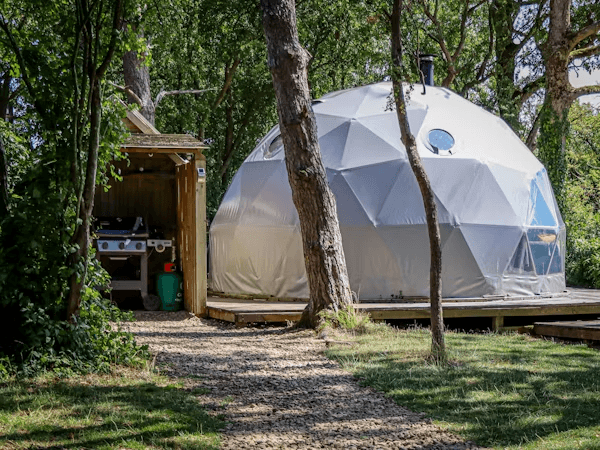
Try placing a light near the stove, chopping board, or food prep table. Keep it away from flames, hot pans, and anything that could melt. If the kitchen is under a canopy, a light clipped or placed above the table can brighten the workspace without getting in the way.
Storage bins also need light. Plates, mugs, napkins, snacks, and utensils are easier to find when the bin is not a dark hole. A small light inside or next to the bin can save time and stop people from using their phone light while cooking.
Do not forget the clean-up zone. A light near the water jug, washing bowl, drying rack, or rubbish bag makes washing dishes easier. It also helps campers spot dropped food, which is useful when keeping the campsite tidy.
Battery-powered or rechargeable lights are often the easiest choice at camp. They reduce the need for cords, which can become trip hazards around tables, chairs, and tents. Before leaving home, test each light and pack spare batteries or charging cables.
Keep Paths, Gear, and Evening Routines Simple
A good campsite lighting plan should help people move around with less fuss. Start with the paths used most often. This might be the route from the tent to the camper, from the kitchen to the chairs, or from the sleeping area to the bathroom path.
Low lights near steps, roots, guy ropes, and uneven ground can help guide movement. They do not need to be bright. A soft glow is often enough to show the way.
Gear storage is another easy win. Backpacks, fishing gear, toys, pet supplies, towels, and extra blankets can be hard to find after dark. Place a small light near the storage area that gets used the most. This keeps the rest of the campsite peaceful while still making key items easy to reach.
For family camping, night routines matter. Parents may need to find water bottles, medication, nappies, wipes, or extra layers during the night. A small light near these supplies can make those moments smoother and quieter.
Think about brightness for each area. Use brighter light for cooking, packing, or repairs. Use softer light for sleeping, reading, and relaxing. Mixing both types makes the campsite more comfortable.
A Cosier Campsite Starts With Better Light
The best campsite lighting is not complicated. Start with the tent, camper, kitchen, paths, and gear storage. Then add light only where it solves a real problem.
Puck lights can be useful at camp because they fit into small spaces and help brighten areas where larger lanterns may feel bulky. With the right lights in the right places, evenings feel safer, calmer, and much easier to enjoy.
0
Leave a Reply