The Grand Canyon spans 277 river miles and reaches depths of over a mile, so no single visit will let your family see all of it. The real question isn’t how to see everything, but how much time you need to experience the parts that matter most to your family.
Whether you’re adding it to a Southwest road trip, planning a dedicated vacation, or hoping to explore beyond the rim, the right amount of time depends on your travel style and the ages and interests of everyone in your group.
One Day Is Enough For a Solid Overview
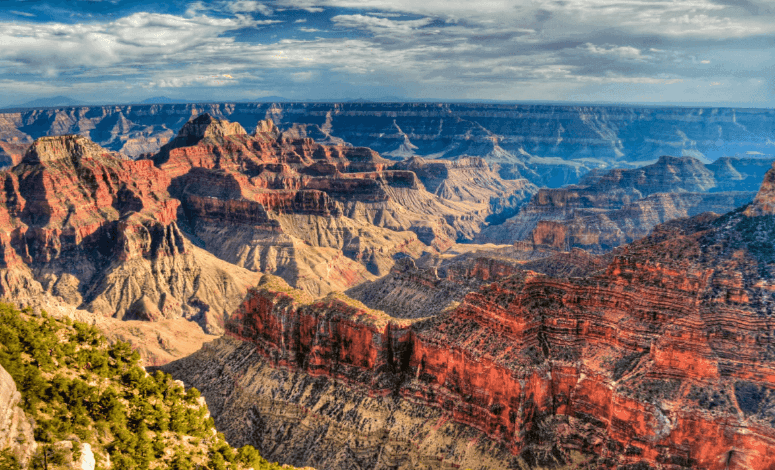
A single day at the South Rim, which handles about 90 percent of park visitors, gives you time to hit several overlooks, watch the light change over the canyon walls, and get a genuine sense of scale. Mather Point, Yavapai Point, and Hopi Point are all easily reached and offer distinct views. You can also walk a portion of the Rim Trail, which is paved, mostly flat, and connects many of the best viewpoints without requiring a permit or serious hiking gear.
One day works well if the Grand Canyon is a stop on a bigger Southwest road trip, or if you’re arriving from Phoenix, Las Vegas, or Flagstaff and need to keep moving. Just know that a single day means you’re seeing the canyon, not experiencing it. There’s a difference, and most first-time visitors sense it the moment they have to leave.
Two Days Lets You Slow Down and Go Below the Rim
Two days changes the visit substantially. This is enough time to explore both the more popular Desert View Drive on the east side and the Hermit Road area to the west, and still have a free morning or afternoon for a short hike into the canyon itself.
The Bright Angel Trail and South Kaibab Trail both start near the main visitor area and drop steeply below the rim. You don’t need to hike far to understand why rangers constantly remind people that going down is optional but coming back up is mandatory. Even a two-hour round trip to a spot like Ooh Aah Point on the South Kaibab Trail delivers views that no overlook can match, since you’re inside the canyon rather than looking down into it.
Two days also gives you breathing room for sunrise and sunset, which are dramatically different experiences from midday viewing. The canyon’s colors shift constantly as the sun moves, and having two evenings instead of one roughly doubles your chances of catching a clear, memorable sky.
Three Days Suits Hikers and Photographers
If hiking below the rim is a priority rather than an afterthought, three days is a more realistic minimum. This allows for one longer day hike, such as a trip to Skeleton Point or even Cedar Ridge, without turning the whole visit into a single exhausting push.
Three days also accommodates the unpredictability of weather and crowds. Summer thunderstorms can close certain trails or viewpoints temporarily, and having extra time means a canceled morning doesn’t wreck the entire trip. Photographers benefit especially from this pace, since the canyon’s best light often shows up at inconvenient hours, and having multiple sunrises and sunsets to work with matters more than any single golden hour.
This is also a reasonable amount of time to add a rafting trip, a mule ride, or a visit to the North Rim, which sits about 220 miles away by car and offers a quieter, higher-elevation perspective on the same canyon.
When a Guided Visit Makes Sense
For visitors without a car, or those who’d rather not deal with parking and shuttle logistics during peak season, Grand Canyon South Rim tours are a practical way to cover the highlights efficiently. Many depart from Las Vegas, Phoenix, or Williams and combine transportation, a knowledgeable guide, and stops at the main viewpoints into a single well-organized day or overnight package. This approach works particularly well for travelers on tight schedules who still want context and history along with the views, rather than just a windshield tour.
Matching Your Days to Your Goals
If you’re mainly after photographs and iconic views, one focused day can genuinely deliver. If you want a mix of sightseeing and a taste of hiking, two days hits a comfortable balance. If the canyon itself is the primary destination rather than a stop along a bigger trip, three days lets you slow down, adjust for weather, and actually descend into the landscape rather than just admiring it from above.
Lodging availability inside the park is also worth factoring into the decision, since rooms at places like the El Tovar or Bright Angel Lodge book out months in advance during peak season. If those are full, staying in Tusayan or Williams and driving in each day is common, but it adds time that’s worth building into whatever schedule you choose.
Final Words
There’s no universal right answer to how many days the Grand Canyon deserves, especially when every family travels at its own pace. Some families will be happy with a day of scenic viewpoints, while others will want extra time for short hikes, ranger programs, and unforgettable sunrises or sunsets.
Decide what kind of experience you want to share together, then plan your schedule around that. With a little extra time and realistic expectations, your visit can become one of those family trips everyone talks about long after you get home.
0
Leave a Reply