Hard water often announces itself quietly, through cloudy glassware, stiff towels, dry-feeling skin, and crusted fixtures. A properly working softener limits calcium and magnesium, which helps plumbing, appliances, and daily washing tasks perform as expected. Over time, resin, valves, and controls can lose accuracy. Recognizing early signs gives homeowners a clearer way to decide whether service is enough or whether the system has reached the point where it needs replacement.
Mineral Stains Return
Returning mineral spots often signal that resin beads are losing their exchange capacity. Faucets, glass shower panels, and dishware may clean up well, then haze over within days. At that stage, water softener replacement deserves consideration because worn controls, depleted resin, or aging valves can let hardness minerals pass through the home despite normal settings and regular salt refills.
Soap Stops Lathering
Soap should foam without extra product once treated water reaches sinks, showers, and laundry connections. Weak lather suggests minerals are still interfering with cleansing agents. Shampoo may feel harder to rinse from hair, while skin can feel tight after bathing. If several fixtures show the same pattern, the softener should be evaluated promptly.
Laundry Feels Rough
Hardness minerals bind to fabric during wash cycles. Towels can turn coarse, shirts may lose softness, and darker colors often appear faded sooner. Adding more detergent may hide the problem briefly, but it cannot correct poor mineral removal. Reliable softening helps fabric rinse cleaner, dry better, and feel closer to its original texture.
Scale Builds Faster
Scale around aerators, showerheads, and appliance fittings points to weak mineral control. The deposits may look chalky, crusted, or white. Even minor buildup can narrow openings and reduce fixture performance. If residue returns soon after cleaning, routine maintenance may no longer be enough. Persistent scale often reflects exhausted resin or a failing regeneration cycle.
Water Pressure Drops
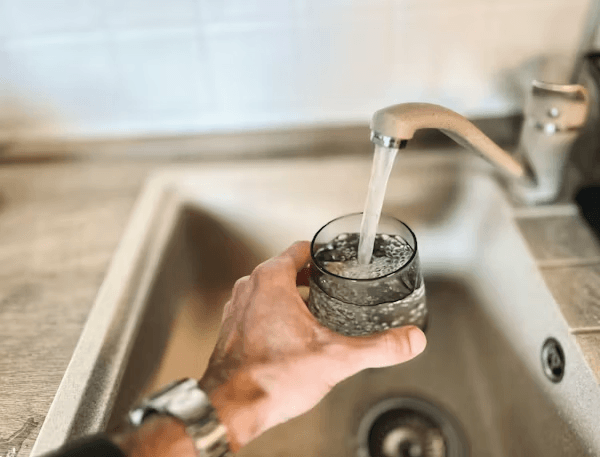
Lower pressure can develop when mineral deposits restrict pipes, fixture screens, or softener components. A struggling unit may also slow flow through its tank or valve assembly. One weak faucet may be an isolated issue, but several affected rooms suggest a wider issue. Pressure changes paired with scale deserve a complete plumbing review.
Salt Use Changes
Most healthy softeners follow a fairly steady salt pattern. Sudden overuse may point to a stuck control head, poor programming, or excessive regeneration. Very low salt use can be just as concerning, because the unit may have stopped cycling. Either change matters more when spots, rough laundry, or soap problems appear together.
Brine Tank Problems
The brine tank supports regeneration, so repeated trouble there should not be ignored. Salt bridges, mushy buildup, or standing water can prevent resin from recharging correctly. A one-time blockage may be simple to clear. Recurring issues suggest valve wear, design limitations, or aging parts that reduce reliable operation.
Appliances Work Harder
Dishwashers, washing machines, and water heaters are sensitive to mineral buildup. Scale can reduce heating efficiency, coat internal parts, and leave residue on dishes or fabrics. Hot water recovery may slow, while appliance cycles may seem less effective. When several machines show strain at once, softener performance should be checked.
Water Tastes Different
Treated water should stay fairly consistent in taste and feel. A mineral flavor, unexpected saltiness, or a noticeable change in texture may indicate a softening imbalance. Taste alone does not prove system failure, but it adds useful evidence. If household members notice changes at multiple taps, hardness testing can confirm what is happening.
Repairs Keep Repeating
A single repair may extend the system’s useful service life. Repeated fixes tell a different story. Timers, seals, resin, and valves can become costly when failures stack up. Older models may also waste more salt and water than newer equipment. Once repairs become frequent, replacement may offer steadier performance and reduce operating waste.
Age Becomes a Factor
A softener’s age matters, even when the unit still runs. Local hardness, household size, water use, and maintenance habits all affect its lifespan. Systems over ten years old deserve closer attention when symptoms return. Older equipment may regenerate, yet still remove minerals poorly or operate with declining efficiency.
Testing Gives Clarity
Water testing turns vague symptoms into measurable facts. A hardness test can compare treated water with the incoming supply. If hardness remains high after regeneration, the softener may be failing internally. Testing also separates active softener trouble from scale left behind by earlier hard water exposure. Clear readings make repair or replacement decisions easier.
Conclusion
A worn softener usually fails in stages rather than stopping at once. Stains, rough laundry, poor lather, pressure changes, unusual salt use, and appliance strain all provide useful clues. Homeowners who track these signs can act before mineral damage spreads through pipes and equipment. Professional testing can confirm whether repair remains practical. When age, recurring faults, and hard water symptoms align, replacement becomes the more practical choice.
0
Leave a Reply