Stored products can look perfectly safe from the outside. Bags remain sealed, boxes stay stacked in the pantry or garage, and containers may sit untouched for weeks or months. Yet food, household supplies, pet products, and other stored goods can gradually become contaminated without any obvious warning.
The problem often starts with insects, moisture, poor storage conditions, or contamination that was already present when a product entered the home. By the time someone opens a package and notices webbing, larvae, mold, unusual odors, or damaged packaging, the issue may already have spread to nearby items.
Understanding how contamination happens makes it much easier to prevent a small storage problem from affecting an entire pantry, garage, basement, or utility room.
The Cost of Finding It Late
Stored-product pests such as beetles, weevils, and moths are commonly attracted to flour, cereal, rice, pasta, spices, pet food, birdseed, dried fruit, nuts, and other shelf-stable goods. Some can develop inside apparently sealed packages, making an infestation difficult to notice in its early stages.
Once established, pests can move from one package to another. A forgotten bag of flour at the back of a cupboard, for example, can eventually lead to activity in cereal boxes, baking ingredients, pet food, and other nearby products.
In a typical household, removing contaminated goods and thoroughly cleaning the affected area may be enough to resolve a limited problem. More serious infestations, however, can spread into wall gaps, shelving, garages, outbuildings, or large storage areas, particularly in homes that also hold bulk goods or inventory for a home-based business.
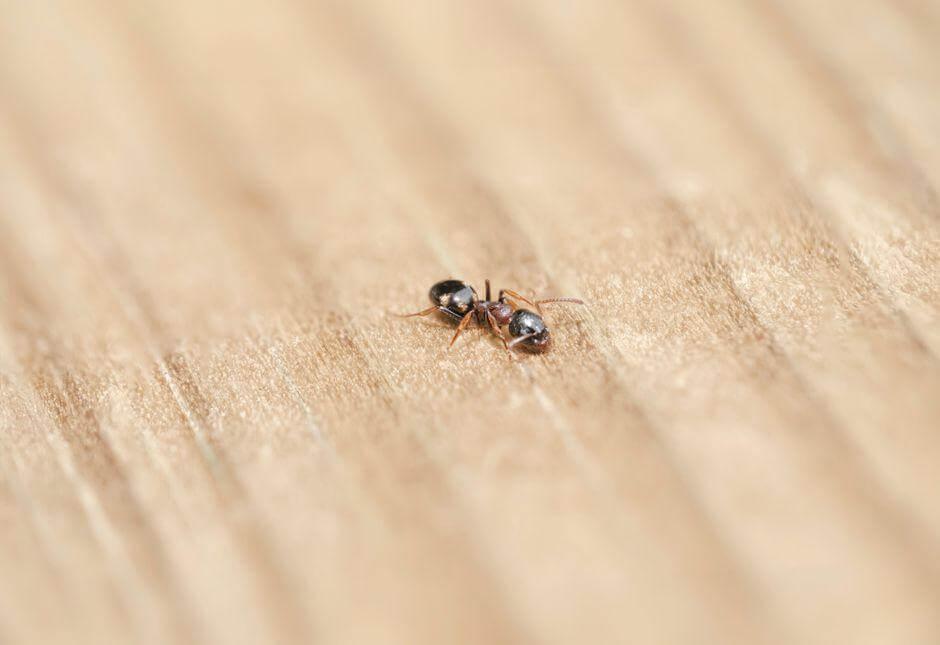
When contamination has become widespread and ordinary cleaning or household pest treatments are no longer sufficient, professional assessment may be necessary. Properties with extensive storage areas or large quantities of affected inventory may require specialists that provide the best commercial fumigation services to determine whether fumigation or another targeted treatment is appropriate. The important step is identifying the source and treating the infestation at the level required for the property rather than repeatedly addressing only the insects that are visible.
How Products Can Arrive Already Contaminated
Not every storage problem begins inside the home.
Dry food and other packaged goods can occasionally contain insect eggs or larvae before they are purchased. Because early stages of an infestation may be hidden inside grains, flour, cereal, seeds, or packaging seams, the product can look completely normal when it is brought home.
After several weeks in a warm pantry or cupboard, the insects develop and become noticeable.
This is one reason newly purchased bulk goods should be inspected before being added to existing supplies. Check packages for small holes, damaged seams, unusual dust around the packaging, webbing, or tiny insects.
When buying large bags of rice, flour, pet food, birdseed, or similar products, consider transferring them into sealed containers instead of leaving them in the original packaging. Doing so limits the ability of pests to spread if one product happens to be contaminated.
Storage Conditions That Make Contamination Worse
The environment where products are stored plays a major role in how quickly problems develop.
Warm Temperatures
Warm cupboards, garages, utility rooms, and storage areas can accelerate insect activity. Products stored near appliances, heating systems, direct sunlight, or poorly ventilated spaces may remain warmer than the rest of the home.
Keeping dry goods in a cool location can help slow insect development and preserve product quality.
Excess Moisture
Moisture creates a separate contamination risk.
A leaking pipe, damp basement, humid garage, condensation, or poorly sealed container can expose stored products to moisture. Once humidity enters food or packaging, mold and mildew may develop.
Moisture can also weaken cardboard packaging and labels, making products easier for insects to access.
Products that require dry storage should therefore be kept away from floors, plumbing, exterior walls prone to condensation, and other damp areas.
Poor Airflow
Closets, crowded pantries, and tightly packed garage shelves can create areas where heat and moisture accumulate.
Leaving some space around stored goods improves airflow and makes it easier to inspect shelves regularly. It also prevents forgotten items from disappearing behind newer purchases.
Small Spills Can Sustain Pest Problems
A surprisingly small amount of food can support stored-product insects.
Flour behind an appliance, cereal crumbs in a cupboard corner, pet food underneath a storage bin, spilled birdseed in the garage, or dry food trapped between shelving units can all provide a continuing food source.
That means removing an infested package alone may not completely solve the problem.
After discovering contamination, empty the surrounding storage area and clean it thoroughly. Vacuum corners, shelf joints, cracks, drawer runners, and spaces underneath containers rather than simply wiping visible surfaces.
Pay particular attention to:
- Pantry corners and shelf edges
- Areas beneath appliances
- Cracks around cabinets
- Pet food storage areas
- Garage shelving
- Reusable storage containers
- Spilled grains, seeds, or dry ingredients
Discard vacuum contents promptly so insects or eggs are not left inside the home.
Use Sealed Containers for Vulnerable Products
Original packaging is not always ideal for long-term storage.
Thin plastic bags, cardboard boxes, and folded paper packaging can be penetrated by some stored-product pests. Once an insect population becomes established, nearby packages may become vulnerable even if they have never been opened.
Airtight containers made from durable plastic, glass, or metal provide a stronger barrier.
This approach is particularly useful for:
- Flour
- Rice
- Pasta
- Cereal
- Nuts and seeds
- Baking ingredients
- Spices
- Pet food
- Birdseed
- Dried fruit
Clear containers have another advantage because they make it easier to notice unusual activity before opening the product.
Rotate Stored Products Regularly
Time is one of the biggest contributors to unnoticed contamination.
Products that remain at the back of a pantry or storage shelf for months are more likely to be forgotten. If insects, moisture, or packaging damage develops, the problem can continue without being noticed.
A simple first-in, first-out system works well at home. Place newly purchased products behind older ones so the oldest items are used first.
It also helps to review stored goods every few months and check expiration dates, packaging condition, and signs of pests.
Bulk buying can save money, but buying more than the household can reasonably use increases the amount of time products spend in storage.
Watch for Early Signs of Contamination
Finding a problem early usually makes it much easier to control.
Signs of stored-product pests may include:
- Tiny beetles or moths near cupboards
- Webbing inside food packages
- Small holes in packaging
- Larvae or shed skins
- Unusual powder or dust around grains
- Clumped dry ingredients
- Damaged cardboard boxes
- Insects around pantry ceilings or walls
Moths flying around the kitchen do not always mean the source is immediately nearby. Their larvae may be developing inside a package several shelves away.
If activity appears, inspect every vulnerable dry product in the area rather than checking only the package where an insect was first seen.
Don’t Forget Garages, Basements, and Utility Areas
Kitchen cupboards are not the only places where stored products become contaminated.
Garages and basements often hold pet food, grass seed, birdseed, emergency food supplies, paper goods, seasonal items, and bulk household products. These spaces may also experience larger temperature and humidity changes than the main living area.
Products stored directly on concrete floors can be particularly vulnerable to moisture. Raising them onto shelves and keeping them away from exterior walls can reduce the risk.
Regular inspections are especially important in storage areas that are not visited every day.
Make Prevention Part of Your Storage Routine
Preventing contamination does not require complicated systems. Most problems can be reduced through a few consistent habits.
Inspect new products before storing them, keep vulnerable goods in sealed containers, clean spills quickly, avoid excessive humidity, and use older products before opening newer ones.
It is also worth periodically checking shelving, cupboards, garages, and bulk-storage areas for damaged packaging or signs of pest activity.
The goal is not simply to respond effectively once contamination appears. It is to create storage conditions that make contamination much less likely in the first place.
Products stored at home can remain safe for long periods when temperature, moisture, cleanliness, packaging, and rotation are managed properly. A little attention to these details can prevent one overlooked package from turning into a much larger household problem.
0
Leave a Reply