Key Takeaways
- Safety comes before cleanup, repairs, or financial decisions.
- Document damage before removing, cleaning, or replacing belongings.
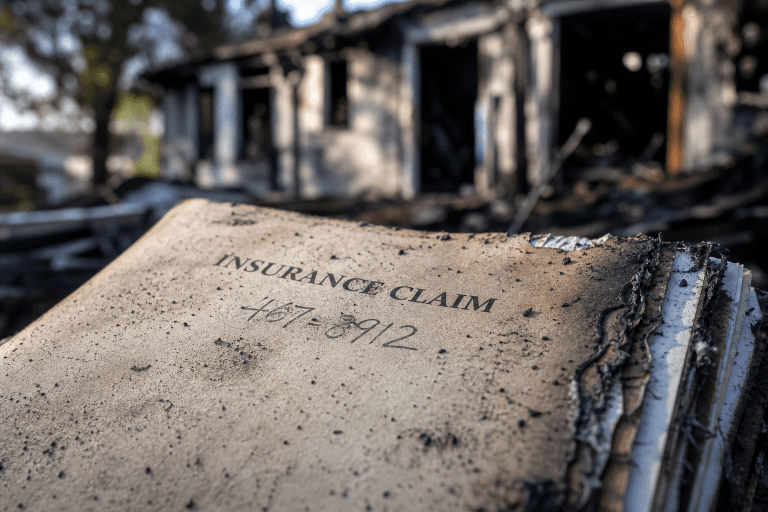
- Contact your insurer early and keep all receipts, reports, and claim notes organized.
- Smoke, soot, water, and hidden structural damage can affect areas that look untouched.
- Repairing, rebuilding, or selling as-is can each be reasonable paths depending on your situation.
A house fire can turn familiar routines into a long list of urgent decisions. Once everyone is safe, the goal is not to solve everything at once. It is to take the next responsible step, protect your household, preserve records, and give yourself time to evaluate the future of the property. For owners considering whether they want to repair or move on, options to sell a fire damaged house in North Carolina may be worth comparing with the expected cost, time, and stress of restoration.
Recovery is rarely limited to the burned room. Smoke can travel through vents and wall cavities, water used to extinguish the fire can affect floors and insulation, and damaged electrical or structural systems may create hazards that are not immediately visible. A methodical approach can help you avoid rushed choices while protecting your financial interests.
The First Hours After A House Fire
In the first day, focus on people before property. Confirm that household members and pets are safe, follow instructions from firefighters, police, and utility workers, and do not re-enter until officials say it is safe. Contact your insurance company to open a claim and ask what emergency measures it authorizes. The steps for handling the first days after a home fire can help families prioritize shelter, documentation, and immediate needs.
When It Is Safe To Return
A home can remain dangerous after flames are out. Floors, ceilings, roof sections, and support beams may be weakened, while damaged wiring, gas lines, plumbing, broken glass, exposed nails, and wet surfaces can create serious risks. Smoke residue and contaminated water may also affect indoor air and belongings. Use qualified professionals for structural, electrical, plumbing, and gas inspections rather than relying on a quick visual review.
How To Document The Damage
Before substantial cleanup begins, create a detailed visual and written record. Take wide photos of every room, then close-ups of charring, soot, water stains, broken windows, damaged siding, and roof openings. Photograph furniture, appliances, electronics, clothing, and personal items, including belongings that appear intact but may have smoke or water exposure.
What To Save
- The fire department report, insurance policy information, and claim number.
- Receipts for lodging, meals, clothing, storage, boarding, and emergency repairs.
- Repair estimates, contractor proposals, and written messages about the claim.
- A room-by-room inventory of damaged, missing, cleaned, or discarded items.
Managing Insurance And Money Matters
Review your policy carefully because coverage may be separated into the dwelling, personal property, and additional living expenses. Ask about deductibles, limits, deadlines, temporary repairs, debris removal, emergency boarding, and hotel or rental reimbursement. Keep notes after every call, including the date, name of the person you spoke with, and what was discussed. If a claim becomes disputed or unusually complicated, consider speaking with a licensed insurance professional or attorney in your state.
Cleaning Smoke, Soot, And Water Damage
Post-fire cleanup involves more than sweeping out ash. Smoke odor can settle into drywall, insulation, cabinets, flooring, fabrics, and HVAC systems. Water used during firefighting can contribute to deterioration and mold if it is not addressed quickly. Do not mix cleaning chemicals, use damaged electrical equipment, or throw away high-value items before they have been documented and assessed. A salvage professional can help determine what can be cleaned, restored, or safely replaced.
Finding Temporary Housing And Support
Temporary housing may involve staying with family, using a hotel, renting a short-term home, or seeking community assistance. Plan for medications, work and school schedules, transportation, important documents, pet care, and clothing. Keeping one folder for receipts, contact information, claim notes, and repair documents can reduce confusion. Families can also use post-fire recovery planning resources to organize practical tasks involving insurance, documents, salvage, and returning home.
Repairing, Rebuilding, Or Selling The Property
Repairing The Home
Repairing may be appropriate when the structure is sound, insurance proceeds are sufficient, and you are prepared to manage estimates, permits, inspections, and contractors. Get detailed scopes of work and understand payment schedules before signing.
Rebuilding Or Renovating
A larger rebuild can create an opportunity to update layouts, wiring, insulation, and safety features. It can also require more money, decisions, and time than a standard repair. Begin with a realistic budget and a clearly defined project scope.
Selling The Property As-Is
Selling may suit owners who do not want to manage a lengthy restoration. Compare potential net proceeds with the likely out-of-pocket repair costs, holding costs, liens, title matters, and the personal effort involved in rebuilding.
Common Mistakes To Avoid
- Entering before officials approve re-entry.
- Cleaning or discarding items before documenting them.
- Hiring the first contractor who promises an unusually fast result.
- Signing agreements without reviewing scope, costs, and payment terms.
- Ignoring smoke damage because the visible fire area seems small.
- Making a rushed choice about selling without comparing alternatives.
A Simple Recovery Checklist
- Confirm everyone is safe and wait for permission to enter.
- Secure housing, food, medications, transportation, and pet care.
- Notify the insurer and document every conversation.
- Photograph the property and damaged belongings.
- Protect the home from weather, theft, and additional damage.
- Arrange inspections, cleanup, and repair estimates as needed.
- Compare repair, rebuild, renovation, and sale options before signing anything.
Conclusion
A house fire can make ordinary decisions feel overwhelming, but a clear order of action helps restore control. Put safety first, document thoroughly, communicate carefully with your insurer, and take time to assess the property’s future. Whether recovery leads to repair, rebuilding, or an as-is sale, informed decisions can reduce avoidable costs and stress.
0
Leave a Reply