Why Planning a Modern Home Electrical Upgrade Starts Before You Call an Electrician
Most homeowners don’t spend much time thinking about the electrical system behind their walls. But a renovation, a new appliance, or plans for an EV charger can quickly change that. Even smaller problems, such as breakers that trip regularly or lights that flicker when an appliance turns on, can be a reason to have the system checked.
Modern homes also ask more from their electrical systems. Heat pumps, induction ranges, EV chargers, smart home equipment, and battery storage can add loads that an older home was never designed to handle. Before adding more equipment, find out what your existing system can safely support. In many homes, that won’t require a new panel or complete rewiring.
A good plan starts with your current electrical service, the condition of the panel and wiring, and what you expect to add in the next few years. If you’re already renovating, planning the electrical work at the same time can also help you avoid opening finished walls again later.
Electrical codes, permit requirements, and utility procedures can vary by location, so it helps to work with an electrician familiar with local requirements. In Colorado, for example, Denver-area homeowners can consult a local provider such as Courtesy Electric Company when planning panel, wiring, or other electrical upgrades.
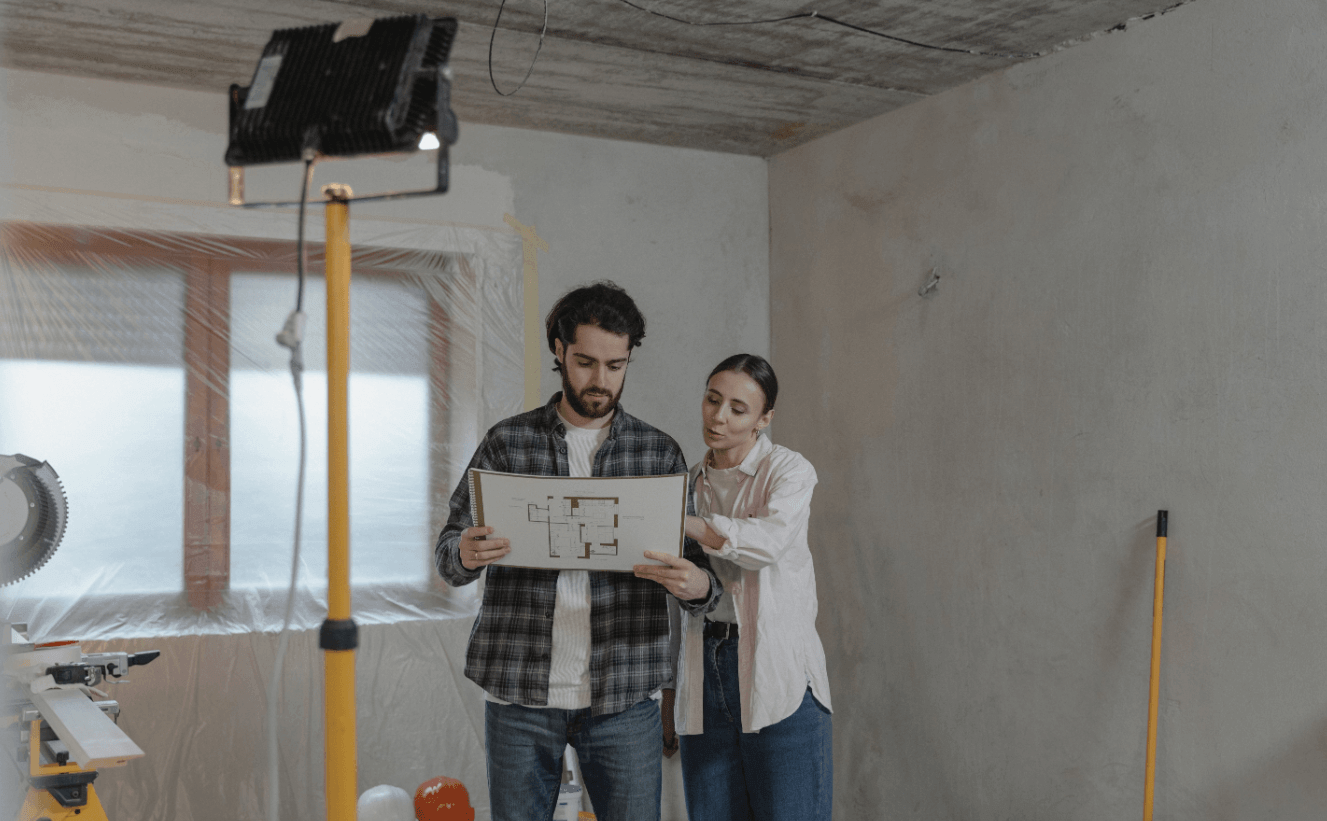
What Is an Electrical Plan and Why Does It Matter?
Before any wires are pulled or panels are touched, a solid electrical plan should be in place. An electrical plan — sometimes called a wiring diagram or electrical blueprint — is a detailed layout that maps out where outlets, switches, lighting fixtures, and circuits will be located throughout a home. It also accounts for the load each circuit will carry and identifies any areas where the existing system may fall short of current code requirements.
This kind of upfront documentation does more than guide the installation process. It helps homeowners and electricians spot potential problems before they become expensive mid-project surprises. If a circuit is undersized for a planned appliance, or if an area of the home lacks proper GFCI protection, an electrical plan surfaces those issues early — when they’re still easy and affordable to address.
An electrical plan also serves as a long-term reference. If you ever need to add an outlet, troubleshoot a problem, or sell your home, having an accurate record of your home’s wiring layout is genuinely useful. For anyone planning a renovation, this step is often skipped — and it’s one of the most costly oversights a homeowner can make.
How to Assess Your Home’s Current Electrical Capacity
Understanding what your existing electrical system can handle is the foundation of any upgrade plan. Electrical panel capacity is measured in amperes (amps), and the size of your panel determines how much electricity can flow into your home at any given time.
Older homes — particularly those built before the 1960s — may have panels rated at just 60 amps. These systems were designed for a time when the average household ran a handful of appliances. Homes from the 1980s often have 100-amp panels, which can support most standard household needs but may struggle to accommodate today’s higher-demand equipment. Most updated panels today are rated at 200 amps, which provides the headroom needed for modern electrification.
To find your panel’s current rating, locate the main switch at the top of your breaker box. It should be labeled with its amperage. From there, check how many open circuits are available — slots that aren’t currently in use — since adding new appliances or systems will require dedicated circuits.
Before making any changes, it’s always worth having a licensed electrician evaluate your panel in person. They can assess not just the amperage, but also the condition of the wiring, the safety of the breakers, and whether your current service from the utility is sufficient for what you’re planning.
Key Signs Your Home Needs an Electrical Upgrade

Warning Signs Homeowners Should Never Ignore
Your home’s electrical system often signals trouble before a serious problem develops. The challenge is knowing which signs are worth acting on immediately and which ones to monitor over time. In most cases, the answer is: don’t wait.
Some of the most common warning signs that an electrical upgrade may be needed include:
- Frequent circuit breaker trips: If a breaker trips regularly under normal use, the circuit is likely overloaded or the panel is struggling to meet current demand.
- Flickering or dimming lights: This can indicate loose wiring, an overloaded circuit, or a panel that can’t maintain consistent voltage.
- Warm or discolored outlets: Outlets that feel warm to the touch or show signs of discoloration around the faceplate are a potential fire hazard and should be evaluated right away.
- Burning smells: Any smell of burning plastic or electrical components — whether from an outlet, appliance, or within a room — warrants immediate professional attention.
- Blown fuses or sparking outlets: These are clear indicators that the system is being pushed beyond its safe limits.
None of these symptoms should be dismissed as minor inconveniences. Each one points to an underlying condition that a licensed electrician should assess. Addressing them proactively restores safety, improves efficiency, and prevents more serious damage down the line.
Outdated Panels and Hidden Safety Risks
Not every electrical problem gives you an obvious warning. An older panel may continue working while still containing components that deserve closer inspection, particularly when the home’s electrical demands have increased over the years.
Federal Pacific Electric (FPE) panels are one example that electricians may flag in older homes because of documented concerns involving the performance of some of their breakers. If you find an FPE panel in your home, don’t attempt to inspect or test it yourself. Have a licensed electrician identify the equipment, evaluate its condition, and recommend what to do next.
Age alone isn’t the only concern. Corrosion, loose connections, damaged components, improper modifications, and overloaded circuits can develop in electrical systems of different ages. Homeowners may not be able to spot these conditions from outside the panel, and opening or working inside a service panel can expose you to dangerous electrical current.
If you have an older panel, plan to add high-demand appliances, or have noticed recurring electrical problems, a professional inspection can tell you much more than the age or brand name on the equipment.
The Most Important Electrical Upgrades for a Modern Home
Safety-First Upgrades: GFCI and AFCI Protection
Two of the most impactful safety upgrades available to homeowners involve protective circuit technology that has become standard in modern construction — but is still absent in many older homes.
Ground Fault Circuit Interrupters (GFCIs) are designed to cut power almost instantly when they detect an imbalance in the electrical current — the kind of imbalance that occurs when electricity is flowing somewhere it shouldn’t, such as through a person. GFCIs are now required in kitchens, bathrooms, garages, outdoor areas, and anywhere else water and electricity might come into proximity. In older homes, these protections are often missing entirely.
Arc Fault Circuit Interrupters (AFCIs) address a different but equally dangerous problem. Electrical arcing — when current jumps across a gap in damaged or deteriorating wiring — is one of the leading causes of residential electrical fires. AFCIs detect these arc signatures and shut the circuit down before a fire can start. Adding AFCI protection to an older home can be more involved than installing GFCIs, particularly if the existing panel is outdated, but the safety benefit is significant.
Both upgrades are guided by the National Electrical Code (NEC), which is updated regularly to reflect evolving safety standards. While the NEC isn’t federally mandated, it’s widely recognized as the benchmark for safe electrical installations, and many local jurisdictions adopt its requirements.
Grounded Outlets and Modern Wiring
Homes built before World War II frequently have two-prong, ungrounded outlets throughout. These outlets lack the third grounding wire that modern three-prong outlets use to safely redirect excess electrical current away from people and equipment. Ungrounded outlets increase the risk of electrical shock and can also contribute to fire hazards under certain conditions.
Replacing these outlets as part of a renovation or upgrade project is a straightforward way to improve safety throughout the home. In some cases, rewiring may be necessary to properly ground the circuits — particularly in homes with older knob-and-tube wiring, which was never designed with grounding in mind and can pose its own set of risks in a modern electrical environment.
Device Charging Stations and USB Outlets
The average household today supports a growing number of personal devices — smartphones, tablets, laptops, smartwatches, wireless earbuds, and more — all of which need to be charged regularly. This has created a new layer of demand on home electrical systems that simply didn’t exist a generation ago.
Installing dedicated device charging stations or outlets with built-in USB ports is a practical upgrade that reduces reliance on adapters and power strips while keeping standard outlets free for other uses. It also allows for more intentional circuit planning, so charging demand is distributed across the panel rather than concentrated in a single area.
Planning a Modern Home Electrical Upgrade Around New Technology and Appliances
When New Appliances Require a Panel Upgrade
Adding modern, high-demand appliances to a home is one of the most common triggers for a panel upgrade — and one of the most important reasons to plan carefully before installation begins.
Appliances like heat pumps, induction stoves, heat pump water heaters, and electric vehicle chargers all draw significantly more power than the gas or older electric equipment they replace. Many of them require dedicated 240V circuits that may not currently exist in your home. If your panel doesn’t have the capacity or available circuits to support these additions, an upgrade will be necessary before installation can proceed safely.
That said, not every home with a 100-amp panel needs to upgrade before electrifying. With careful load planning and the right appliance choices, many homeowners can add new electric equipment without increasing panel capacity. The key is getting a professional assessment before committing to a particular path.
Before installing a high-demand appliance, have an electrician calculate how much additional load your existing system can safely handle. This can help determine whether you need a new circuit, load-management equipment, or a larger electrical service. Getting that answer before buying equipment can prevent changes to the project later.
It’s also worth considering the broader impact of increasing your home’s electrical load. In neighborhoods where many homes are electrifying simultaneously, the local utility infrastructure may need to be assessed and potentially upgraded. Coordinating with your electrician — and in some cases your utility — before proceeding can prevent delays and unexpected costs.
Smart Panels and Energy Management Solutions
One of the more significant developments in residential electrical systems in recent years is the emergence of smart panel technology. Unlike traditional panels, smart panels provide real-time data on energy consumption at the circuit level, allowing homeowners to see exactly where power is being used and make informed decisions about how to manage it.
Smart panels can also support load balancing — automatically directing power to where it’s needed most and reducing the likelihood of overloads. For homes with EV chargers, solar panels, and high-demand appliances all running simultaneously, this kind of demand management can make a meaningful difference in both safety and efficiency.
Energy management systems and power-sharing devices offer another layer of flexibility, allowing multiple high-draw appliances to share a circuit intelligently rather than requiring separate dedicated circuits for each one. This can reduce the scope — and cost — of a panel upgrade in some situations.
Battery Storage and Backup Power Planning
A complete electrical upgrade plan should also account for what happens when the grid goes down. Home standby generators and battery storage systems provide backup power during outages, and integrating them into your electrical plan from the start is far more efficient than adding them later.
Standby generators — including models from manufacturers like Generac and Cummins — are designed to switch on automatically when utility power is lost, keeping critical systems running without interruption. Battery storage systems, such as Franklin Battery Storage, offer a cleaner, quieter alternative that can store energy from solar panels or the grid and deploy it during outages or peak demand periods.
Planning for backup power during an upgrade — rather than treating it as a separate future project — allows the electrical infrastructure to be designed with these systems in mind, reducing redundant work and ensuring everything integrates properly.
How Electrical Upgrades Add Long-Term Value to Your Home
Long-term benefits of upgrading your home’s electrical system:
- Improved safety through modern protective devices and updated wiring
- Increased capacity to support current and future high-demand appliances
- Greater energy efficiency with smart panels and load management tools
- Enhanced home resale value and buyer confidence during inspections
- Readiness for EV charging, solar integration, and full electrification
- Reduced risk of fire, shock, and system failure from outdated components
- Lower long-term energy costs through efficient electric equipment
- Flexibility for future renovations without costly mid-project surprises
Future-Proofing Your Home’s Electrical System
Future-proofing doesn’t mean automatically installing the largest electrical service available. Start with what the house needs now and what you’re realistically likely to add over the next several years.
A 200-amp upgrade makes sense for some homes, especially when several high-demand appliances or systems are being added. But plenty of homes can continue using 100-amp service with careful load planning, efficient appliances, or energy-management equipment. A licensed electrician can perform a load calculation based on your existing equipment and planned additions rather than assuming every modern home needs the same service size.
Think about the projects that may be coming next. An EV charger, induction range, heat pump, workshop equipment, solar system, or battery backup can affect the decisions you make today even if installation is still a few years away. Discussing those plans early may help your electrician leave enough panel space or install wiring that makes a future project easier.
Choose upgrades based on how you actually use your home and what you expect to add over the next few years. That can prevent unnecessary work now and another expensive electrical project later.
Coordinating Electrical Work With Renovations
One of the most practical pieces of advice for anyone planning an electrical upgrade is to coordinate it with other renovation work whenever possible. When walls are already open for a kitchen remodel or bathroom renovation, running new wiring is significantly easier and less expensive than cutting into finished surfaces later.
Timing matters in other ways, too. If a utility service upgrade is required — meaning the wires connecting your home to the grid need to be upgraded — that process can take weeks or even months to schedule, depending on your utility and region. Starting that conversation early, ideally before the rest of your renovation is underway, prevents costly delays.
Before walls are closed up at the end of a renovation, it’s worth doing a walkthrough with your electrician to verify that all wiring is properly secured, all connections are correct, and everything is documented. Taking photos or video of the wiring behind walls before they’re sealed gives you a valuable reference for any future work.
Frequently Asked Questions About Planning a Modern Home Electrical Upgrade
Do I Need a Panel Upgrade Before Adding New Appliances?
Not necessarily. Whether a panel upgrade is required depends on your current panel’s amperage, how many open circuits are available, and what new appliances you’re planning to add. Homes with 100-amp panels can often accommodate new electric appliances with careful load planning, particularly if energy-efficient models are chosen and power-sharing devices are used where appropriate. Homes with panels rated below 100 amps are much more likely to need an upgrade before adding significant new load. A licensed electrician can assess your specific situation and help you determine the most practical path forward.
What Should I Ask an Electrician When Planning a Modern Home Electrical Upgrade?
When meeting with an electrician to discuss an upgrade, it helps to come prepared with specific questions. Some of the most useful ones include:
- Is my current panel sufficient for the appliances I’m planning to add?
- Do I need any new 240V outlets, and are there existing circuits that can be repurposed?
- Does my utility service need to be upgraded, and if so, how long does that process typically take?
- Are smart panel or circuit-sharing options available that could reduce the scope of the upgrade?
- What is the condition of my existing wiring, and are there any areas that need to be replaced or reinforced?
- Can you provide references from similar residential projects?
Getting clear answers to these questions before work begins helps set realistic expectations and prevents surprises once the project is underway.
How Do I Know If My Home’s Wiring Is Safe for Modern Electrical Demands?
The age of your home is a useful starting point. Homes built before the mid-20th century may still have knob-and-tube wiring, which was not designed with grounding in mind and can be a fire risk when paired with modern electrical loads. Homes from the 1960s through the 1980s may have aluminum wiring in branch circuits, which requires specific handling and connections to be safe.
A professional home inspection or electrical safety check is the most reliable way to assess wiring condition. During an inspection, an electrician will look for exposed wires, open ground receptacles, loose or corroded conductors, missing outlet plates, and signs of overloading or improper modifications. They’ll also check whether the panel shows any hot spots or other signs of stress. Ensuring that everything meets current NEC standards — or understanding where it falls short — gives you a clear picture of what the system can safely handle and what needs to be addressed.
Conclusion
Before spending money on an electrical upgrade, find out what your home actually needs. An older panel isn’t automatically inadequate, just as a newer one isn’t necessarily ready for an EV charger, heat pump, or several new appliances. The condition of the system and the electrical load matter more than assumptions based on age alone.
If you’re already renovating, talk to your electrician before the walls are opened and closed. It may be the easiest time to add circuits, replace problem wiring, or prepare for equipment you plan to install later. Take a few photos of the wiring before drywall goes back up, too. They can save a lot of guessing during a future project.
Leave work inside the panel and other electrical modifications to a qualified electrician. For the homeowner, the useful part is knowing what you want the house to handle, asking the right questions, and getting those plans sorted out before the work starts.
0
Leave a Reply