Finding the right gift can be surprisingly hard. I want to give something that shows I put some thought into it, especially for birthdays, holidays, weddings, and housewarmings. I also don’t want to add one more thing to someone’s home that they don’t really need.
I’ve found that the gifts people keep are usually tied to something they already love. It could be a handmade gift for a friend who appreciates DIY projects, a pretty piece for someone’s home, or a keepsake connected to a family memory. Even a practical gift can feel special when you choose it with that person in mind.
So instead of starting with a long list of popular gift ideas, think about the person first. Pay attention to what they use, what they collect, and what makes their home feel like theirs. That’s usually where the best gift ideas begin.
Start With How the Person Lives, Not Just What They Like
A lot of gift shopping goes sideways because you focus too much on broad interests. Someone may love music, coffee, or travel, but that doesn’t automatically point to a good gift. What matters more is how that interest shows up in their daily life.
If your friend loves coffee, do they make pour-over every morning or grab whatever is closest on the way to class? If your aunt enjoys gardening, is she growing roses with military precision or keeping a few herbs alive on the windowsill? Those details change everything.
Useful gifts often come from observation:
- What do they do every week without fail?
- What do they complain about replacing?
- What do they keep organized, displayed, or talked about often?
- What hobby have they quietly invested in over time?
A strong gift feels less like a random pick and more like proof that you pay attention.
Choose Gifts With a Story Behind Them
Some presents stand out because they come with a built-in story. That story might relate to family history, travel, craftsmanship, or a shared memory. People tend to hold onto gifts longer when the item means more than its price tag.
Collectors’ pieces work especially well here, since they often bring history and personality into one object. For someone who enjoys decorative keepsakes, heirloom-style gifts, or finely crafted collectibles, French Limoges boxes can be a thoughtful option. They’re hand-painted porcelain trinket boxes with roots in French craftsmanship, and they often feature detailed themes like flowers, animals, landmarks, or holiday motifs.
That level of detail gives you room to match the gift to the person. Choosing a flower they grow in their garden, an animal they love, or a place they’ve visited can make a small keepsake feel much more personal.
Practical Gifts Work Better When They Feel Upgraded
Practical gifts get dismissed too quickly, mostly because people confuse useful with boring. The real issue usually isn’t practicality. It’s lack of care. A plain phone charger feels forgettable. A high-quality charging station that solves someone’s actual desk mess feels smart.
One easy approach is to choose a better version of something they already use. Think about the difference between basic and considered:
- A standard notebook vs. a durable journal with thick paper
- Cheap kitchen tools vs. a well-balanced chef’s knife
- Generic candles vs. a scent that matches their home style
- Random tote bag vs. one that fits work, gym, and errands
This approach works because you’re improving their routine instead of adding clutter. Sometimes the most appreciated gift is simply a nicer version of something they reach for all the time.
Match the Gift to the Relationship
Not every good gift is right for every person. Your relationship with someone sets the tone. A gift for a close friend can be more personal and specific. A gift for a coworker, neighbor, or in-law usually needs a little more neutral ground.
For close relationships, you can lean into inside jokes, shared experiences, or deeply specific interests. For broader circles, aim for quality and thoughtfulness without crossing into overly intimate territory.
A few reliable categories include:
- Food and drink items with strong presentation
- Home pieces that suit many styles
- Hobby accessories that aren’t too specialized
- Small luxury items people might not buy for themselves
- Keepsakes connected to major milestones
This matters during birthdays, graduations, housewarmings, and weddings, where the wrong level of familiarity can feel awkward. The goal is to choose something that feels thoughtful without making the gift more personal than the relationship calls for.
Think Beyond the Moment They Open It
It’s easy to focus on the moment someone opens a gift, but I also like to think about what happens to it afterward. Some presents create a big reaction right away but fade fast. Others grow more meaningful because they become part of someone’s home, habits, or memories.
Before buying anything, picture where it goes next. Will it be used weekly? Displayed on a shelf? Packed away? Thinking about where the gift will end up can quickly tell you whether it’s something they’ll really enjoy.
A few things can make a gift easier to enjoy for years:
- Durability
- Emotional meaning
- Aesthetic appeal
- Seasonal tradition
- Personal relevance
A holiday ornament tied to a memory may come out every year. A well-made box for letters or jewelry may stay on a dresser for decades. Even small objects can have staying power when they fit naturally into a person’s space and routines.
The best gifts are often the ones people continue to use, display, or bring out year after year.
Presentation Matters More Than People Pretend
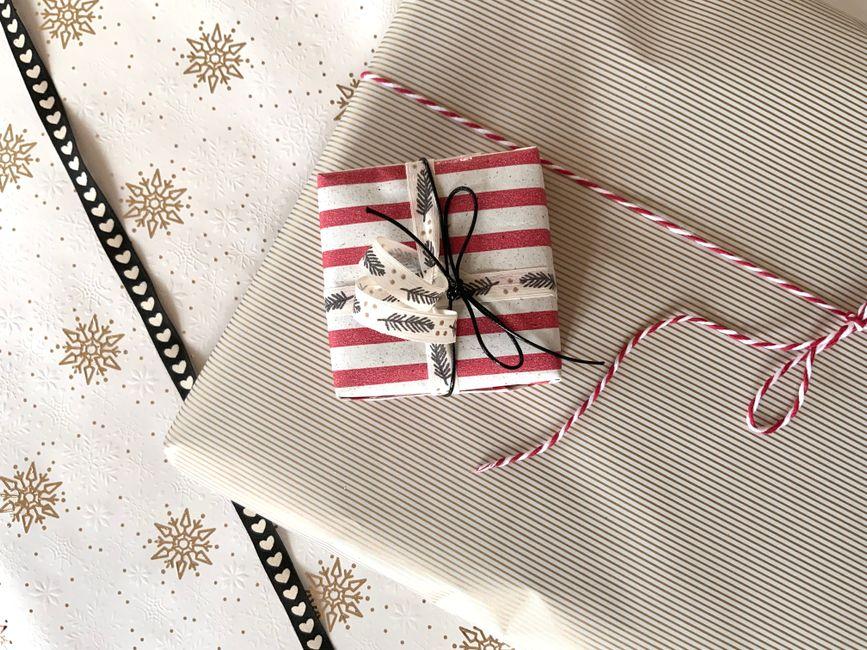
You don’t need luxury wrapping or perfectly tied bows, but presentation shapes how the gift is received. Even simple wrapping can show that you took a little extra time with the gift. A thoughtful presentation can make a simple gift feel elevated, while poor presentation can flatten something genuinely great.
Keep it clean and intentional. Use wrapping that fits the occasion and the person’s style. Add a short handwritten note if the gift has a story or specific reason behind it. That note often becomes the part people remember.
Good presentation can include:
- Wrapping that feels neat, not rushed
- A handmade gift tag or a little ribbon
- A card with a real message instead of just a signature
- Packaging that protects delicate or collectible items properly
If you like DIY projects, this is also an easy place to get creative. Try stamped kraft paper, handmade tags, dried greenery, or even wrapping paper decorated by the kids. You don’t have to make the gift itself to give it a homemade touch.
Make It Personal
If you want to give better gifts consistently, stop searching for universally perfect ideas. Those rarely exist. Better results come from being specific about the person, the occasion, and what they might actually do with the gift once they get home.
Ask yourself a few direct questions:
- What part of their personality is easy to overlook but important?
- What object would fit naturally into their space or routine?
- What would feel thoughtful without feeling excessive?
- What kind of gift would they keep, use, or remember next year?
I find questions like these much more helpful than scrolling through endless gift guides. You don’t need a huge budget or dozens of choices. Paying attention to the little things can lead you to something far more meaningful.
A memorable gift usually isn’t the biggest one in the room. It’s often the one that makes the person smile and say, “You remembered.”
Give Something They’ll Want to Keep
After all the searching, I think choosing a memorable gift comes down to knowing the person. Think about what they enjoy doing on a Saturday afternoon, what they have displayed around their home, or the family stories they love to tell. Those clues are often more helpful than another list of this year’s must-have gifts.
And it doesn’t have to be expensive. I’m a big believer in the little extras, too. Wrap it nicely, make a gift tag, or tuck a handwritten note inside. If you enjoy crafting, this is an easy place to add something handmade without making the entire gift yourself.
Years from now, no one is going to remember how trendy a gift was when you bought it. But they may still have that ornament on the tree, that little box on their dresser, or that handmade tag tucked away with other keepsakes. For me, that’s what makes a gift worth giving.
0
Leave a Reply