Water doesn’t announce itself. A leak can start behind a wall or under a floor and sit there quietly, and by the time most people realize something’s wrong, it’s been going for weeks, sometimes months. Nobody really warns you about this when you buy a house. The plumbing stays out of sight until the day it doesn’t, and by then you’re usually facing a repair project instead of a quick fix.
I’ve talked to plenty of homeowners and plumbers about this, and the story tends to repeat itself. Someone notices a small clue, like a musty smell, a water bill that crept up by twelve dollars, or a patch of ceiling that looked “a little off,” and decides it’s nothing. None of it feels urgent, so it gets put off. Then one day the drywall feels soft, and the plumber has bad news within minutes of walking in.
Here’s what usually tips people off before the damage gets expensive.
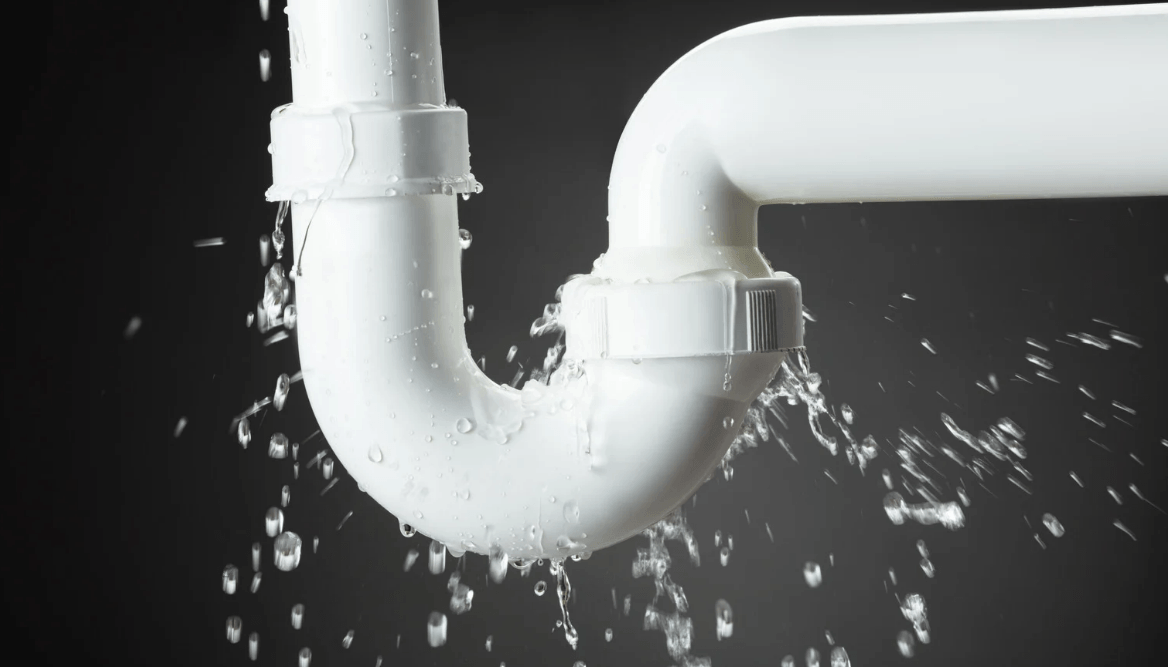
Your Water Bill Goes Up for No Reason
This is often the first sign, and it’s the one people brush off the fastest. Most households use about the same amount of water each month unless something changes, such as guests staying over, a new garden, or a running toilet you already know about. If your bill jumps and your habits haven’t changed, that’s frustrating, but it’s worth paying attention to.
A higher bill is rarely a billing error. More often, water is escaping somewhere in the system. According to the EPA, household leaks can waste nearly 10,000 gallons of water a year, which adds up on your bill even when you can’t see where it’s going. To check, turn off every tap and water-using appliance, write down the reading on your water meter, and look again after an hour or two. If the number has changed, water is going somewhere it shouldn’t.
You Hear Water When Nothing’s Running
Turn off every faucet, appliance, and ice maker, then listen for a minute. If you still hear a trickle, a faint rush, or a soft hiss coming from under the floor or inside a wall, you’re probably not imagining it. Damaged or high-pressure pipes make these sounds, and the noise carries through drywall and subflooring farther than most people expect. In this case, your instincts are usually right: if it sounds like water, it probably is.
Musty or Mildew Smell With No Visible Source
Mold doesn’t need much moisture to grow. The bigger risk usually comes from a slow drip inside the walls getting worse rather than a burst pipe. A small leak trapped inside a wall cavity can go unnoticed for weeks, slowly building up moisture in a closed space with no airflow, which is exactly where mold thrives.
If a room smells earthy or stale and you can’t trace it to anything obvious, like wet towels or damp carpet, the smell may be coming from inside the walls or floor. It’s one of the most commonly dismissed signs because it’s easy to blame on humidity or an older home. That’s sometimes the cause, but often it isn’t.
Warped, Buckling, or Discolored Flooring
Moisture builds up in and around the wood, causing it to expand, and laminate flooring can start to bubble. Tiles can shift too if the subfloor underneath softens. When you notice any of this near a bathroom, kitchen, or laundry area, it’s more likely a sign of water collecting beneath the surface than normal wear. Keep in mind that the damage can appear some distance from the actual leak, since water follows the path of least resistance instead of dripping straight down.
Stains or Discoloration on Walls and Ceilings
Dark patches on drywall, bubbling paint, and brown rings on the ceiling usually mean water is collecting behind the surface. Many people treat them as cosmetic, but they typically point to an ongoing problem. If you paint over a stain and it comes back, the source hasn’t been fixed yet, only covered up.
Unexplained Cracks in Foundation or Shifting
People often overlook this one because they assume foundation cracks come from soil movement or normal settling, and sometimes they do. But a slab leak can also be the cause. When water collects near or under the foundation, it changes the moisture level of the surrounding soil unevenly, which can lead to cracks or shifting that looks like ordinary settling. If you spot new cracks and don’t see any grading or drainage problems outside, it’s worth ruling out a leak first.
Water Pressure Dropping Mysteriously
Low water pressure can have several causes, including supply problems, mineral buildup, or water leaking out of the pipes before it reaches your faucet. If the pressure has dropped gradually and stayed low across the whole house, not just at one or two fixtures, a leak may be diverting water elsewhere. Low pressure at a single faucet, on the other hand, is more often caused by a clogged aerator or mineral buildup.
Warm Spots on the Floor
This applies to homes with heating or hot water pipes running under the floor, and it’s a sign that’s easy to miss. A warm patch can be easy to dismiss, especially in a busy household where you’re already stepping over toys, laundry baskets, and everything else that somehow ends up on the floor. Some people notice it, find it a little strange, and forget about it. It’s worth having checked.
The Small Signs Matter More Than the Bigger Ones
Most people picture leaks as dramatic events, like water pooling on the floor, a burst pipe, or a sagging ceiling. In reality, most leaks start small and hidden, doing damage while everything looks normal on the surface.
The longer a leak goes unnoticed, the more it tends to cost. What might have been a same-day repair can turn into wood rot, mold remediation, or foundation work.
If you’ve noticed one or more of these signs, don’t wait for the problem to become obvious. Have a licensed plumber check for leaks, because by the time water damage is visible, the repair bill is usually much higher.
The Bottom Line
None of these signs guarantees a leak on its own. Still, people who have dealt with hidden water damage often say, looking back, that the warning signs were there all along. They just didn’t connect them until someone pointed them out. Paying attention to small changes around your home can save your walls, floors, and foundation from much bigger repairs.
0
Leave a Reply