We have all been told that when we feel completely exhausted, the best solution is to sit down, collapse onto the couch, and do absolutely nothing. Yet, when you finally sit down after a day of keeping your family running and try to rest your brain, something frustrating happens.
Instead of feeling a sense of deep peace and calm, your mind suddenly spins out of control. Your brain begins racing through endless to-do lists, replaying old arguments, or nagging you with a persistent sense of guilt about all the productive things you should be doing right now. Before long, trying to rest feels more stressful than working, leaving you wondering why simply relaxing has become so difficult.

The Struggle with Sitting Still
Trying to rest through complete inactivity often feels like trying to stop a moving train in a split second. When you transition directly from a day of school runs, work, meals, and everyone’s schedules to total stillness, your brain retains its high-speed momentum, causing internal thoughts to sound louder and more aggressive. You might find yourself shifting uncomfortably, checking your phone out of pure restlessness, or feeling an overwhelming urge to get back up and clean the house.
Exploring mindful self-discovery resources on the Overwell platform can help you understand how your nervous system reacts to quiet moments, giving you gentle tools to transition smoothly into real recovery without forcing yourself into uncomfortable stillness.
The underlying truth behind this frustrating experience is that true mental rest does not require complete physical inactivity. For many parents, forcing themselves to sit still and stare at a wall creates mental friction rather than relief. Your brain often does not need absolute silence to recover from cognitive fatigue; it simply needs a complete shift in focus, an opportunity to engage in low-pressure activities that allow your overstimulated mind to reset naturally.

Why Doing Nothing Doesn’t Always Rest Your Brain
Doing nothing fails to rest your brain because your mind rarely stays empty when external stimulation stops. When you pull away from active tasks without giving your mind a gentle anchor, your brain activates its default mode network. This natural cognitive state immediately fills the quiet void with self-criticism, future planning, and worry. Instead of resting, your mind spends its downtime running through tomorrow’s lunches, appointments, and permission slips, leaving you feeling just as drained as you were before you sat down.
Furthermore, physical fatigue and mental fatigue are two entirely different experiences that require completely different recovery strategies. Physical tiredness responds well to lying down and resting your body, but mental burnout often stems from monotonous stress, constant decision-making, and heavy emotional pressure.
Running a household means making hundreds of small decisions a day, and lying on the couch doing nothing does not relieve that cognitive overload; it simply isolates your tired mind with its own racing thoughts, turning peaceful downtime into an uncomfortable battle with inner restlessness.
Sleep matters, but it is a different kind of recovery from the breaks you take while you are awake. A good night’s sleep does not stop a long, demanding day from wearing your focus down by mid-afternoon, which is why daytime rest still needs its own place in your routine.
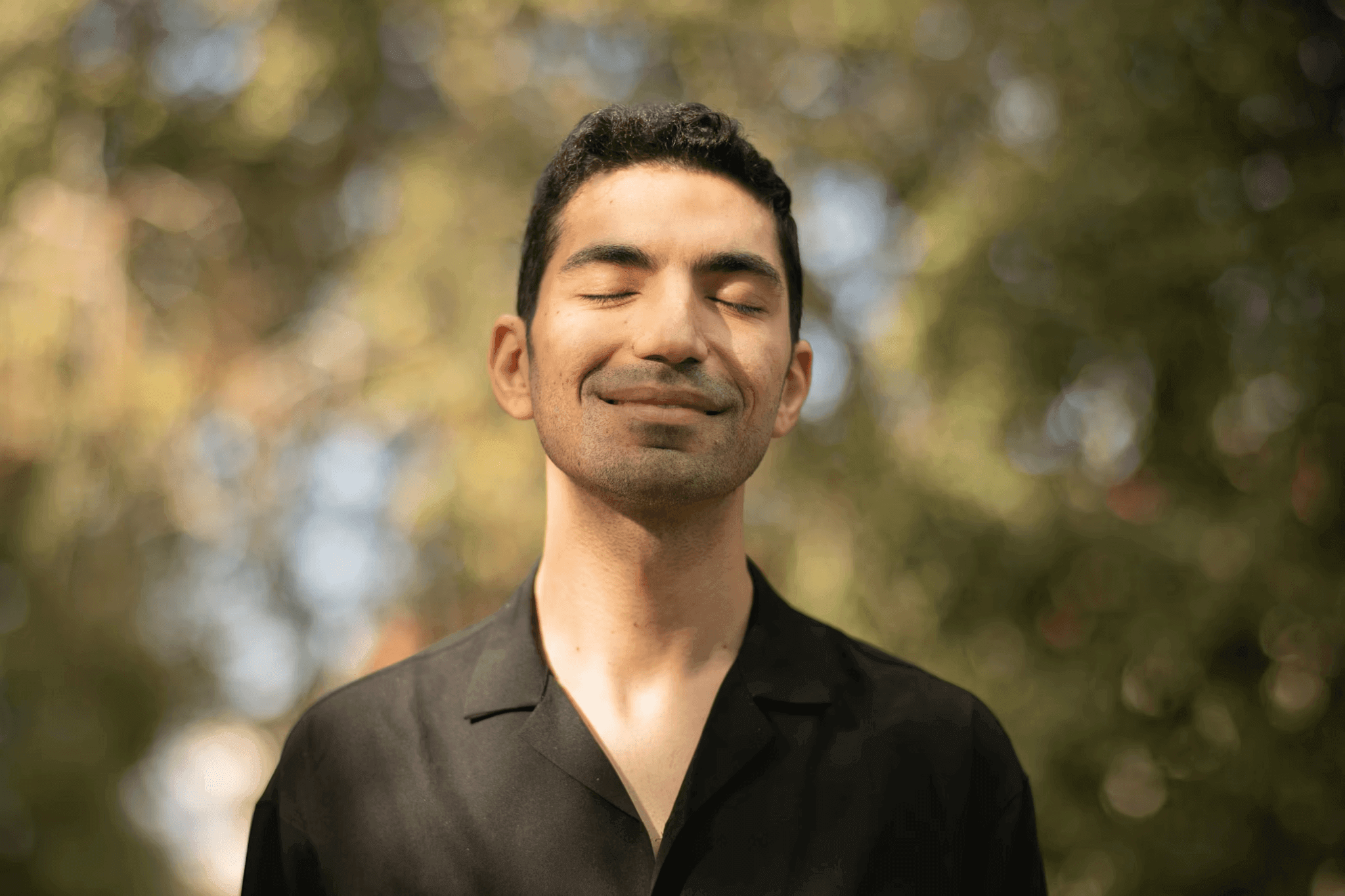
Mindset Traps That Make Rest Feel Uncomfortable
Several rigid mental assumptions continuously sabotage your ability to recharge your mind effectively, keeping your brain trapped in a state of exhaustion.
First, you might fall into the trap of equating rest with complete inactivity. Believing that valid relaxation only counts when you are lying down in total stillness or doing absolutely nothing at all creates unnecessary friction, making quiet moments feel restless rather than peaceful.
Second, you might rely on using screens as default rest. Turning to television, video streaming, or social media scrolling once the kids are finally in bed actually floods your brain with fresh stimulation, rapid imagery, and emotional noise, worsening your mental fatigue instead of relieving it.
Third, you might spend your days waiting for permission to pause. Convincing yourself that you must earn your right to rest by finishing the laundry, the dishes, and every other item on your endless to-do list first guarantees that true recovery never happens.
By recognizing these subtle mindset traps, letting go of unhelpful perfectionism, and giving yourself unconditional permission to recharge, you can embrace active rest, protect your daily bandwidth, and restore a lasting sense of mental ease and emotional balance.
Simple Ways to Practice Active Rest
Giving your brain a genuine break requires shifting toward low-demand, engaging activities that absorb your attention without draining your energy. Many of them fit easily into a busy family day.
First, engage in low-demand physical tasks. Performing simple, repetitive movements—like taking a gentle walk around the block, watering houseplants, or light stretching while the kids play nearby—grounds your mind in physical reality, allowing racing thoughts to settle naturally without requiring intense focus.
Second, switch to sensory or creative outlets. Redirecting your attention toward light, tactile hobbies such as doodling at the kitchen table, listening to calming instrumental music, or preparing a simple meal offers a soothing shift in focus that refreshes your mental space without adding pressure. If your children are curious, let them join in, so that rest and family time can overlap.
Third, practice regular micro-pauses throughout your day. Taking brief, one-minute breaks to step away from bright screens, stretch your body, or look out a nearby window prevents cognitive fatigue from accumulating and building into severe evening burnout. Even a pause in the school pickup line or while dinner simmers counts.
By incorporating these intentional habits into your schedule, honoring your body’s natural need for quiet pauses, and prioritizing active recovery, you can effectively protect your precious mental bandwidth, lower your daily stress levels, and restore a lasting sense of clarity, balance, and quiet ease to your life.
Redefining What Rest Means to You
Reclaiming your mental vitality is not about forcing yourself into rigid definitions of relaxation that feel uncomfortable, unnatural, or boring. Rest is a personalized experience, and whatever truly restores your inner peace, lowers your stress levels, and brings a sense of light balance to your day is a valid, productive way to recharge.
By letting go of the false belief that rest requires complete inactivity, you give yourself permission to explore active, engaging ways to refresh your mind. Whether your brain finds peace through a quiet neighborhood walk, a creative hobby, or a simple physical task, learning how to rest your brain without sitting still allows you to protect your mental health, bring more energy back to your family, and navigate busy days with clarity and ease.
0
Leave a Reply