Getting the kids ready for a new school year always feels like a project of its own. Between shopping for school supplies, organizing backpacks, buying new clothes, and preparing lunchboxes, there’s plenty to keep parents busy. Once the first few weeks of school begin, homework, extracurricular activities, and everyday family responsibilities can make the calendar even more crowded.
With so much attention going toward school essentials, it’s easy to overlook one important appointment: your child’s eye exam. Many parents assume that a routine vision screening at school or during a pediatric checkup is enough to confirm that their child sees clearly. However, these screenings don’t provide the same detailed assessment as a comprehensive eye examination.
Making eye care part of your family’s back-to-school routine can help identify vision concerns that might otherwise go unnoticed. Whether you’re organizing appointments for the first time or updating your annual family checklist, these practical steps can help you prepare without adding unnecessary stress to your schedule.
1. Understand the Difference Between a Vision Screening and an Eye Exam
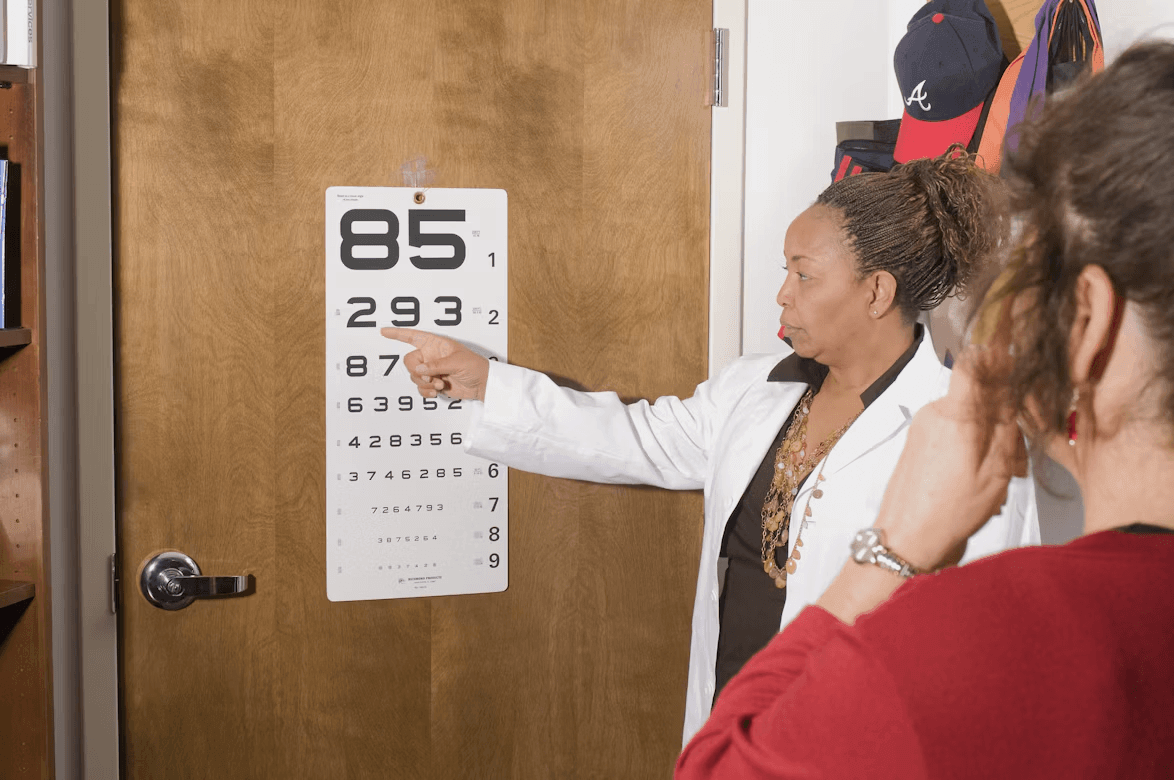
School vision screenings are helpful because they can identify certain problems that might affect a child’s ability to see clearly. These checks often involve reading letters or symbols from an eye chart, allowing school nurses or healthcare professionals to recognize children who may need further evaluation. However, a screening typically focuses on specific aspects of vision and cannot assess every potential concern.
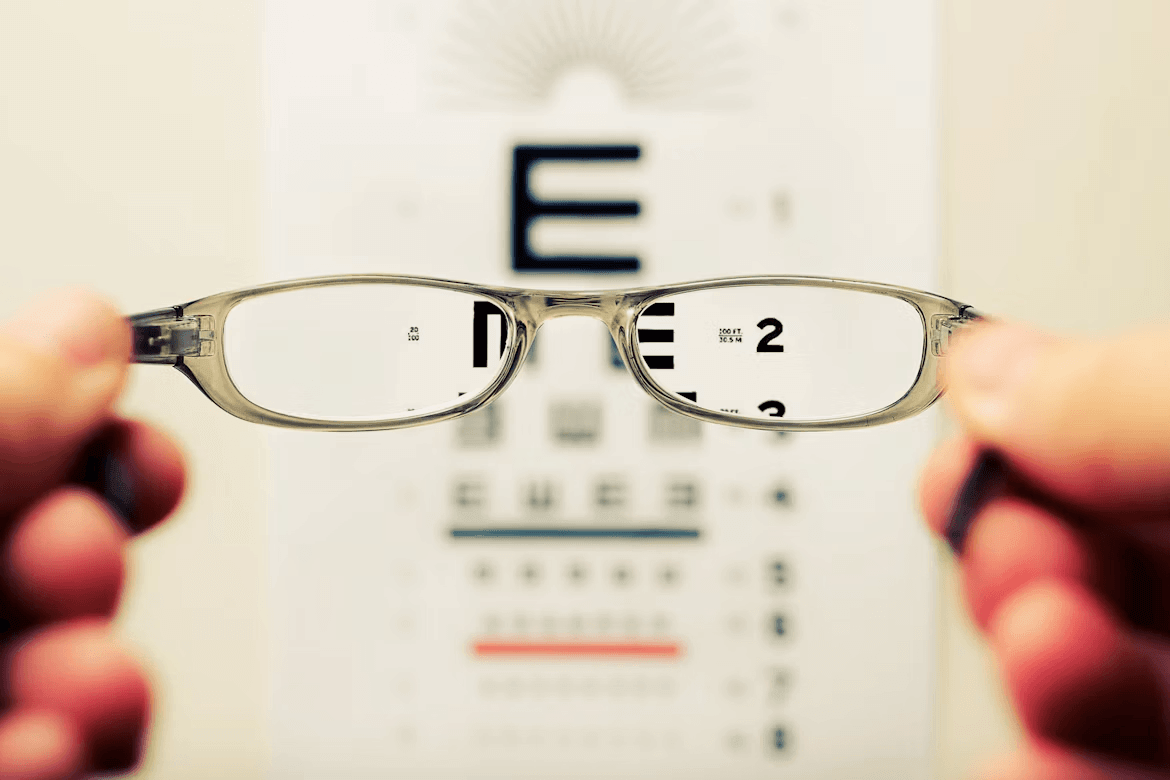
A comprehensive eye exam with an optometrist or ophthalmologist provides a more detailed evaluation. In addition to checking visual clarity, the eye care professional may assess how well the eyes focus, how they work together, and whether there are signs of other eye health concerns. Some children experience difficulty with reading or focusing even when they can identify letters on a standard vision chart.
The American Optometric Association emphasizes the importance of comprehensive pediatric eye examinations because routine screenings may miss certain vision problems. For parents, this means a passed school screening can be reassuring, but it shouldn’t automatically replace professional eye care.
2. Make Eye Exams Part of Your Family’s School-Year Schedule
Back-to-school season is a convenient reminder to review your children’s healthcare appointments. Along with dental checkups, vaccinations, and sports physicals, consider adding eye examinations to your family calendar. Scheduling these visits in advance can help prevent them from getting lost among school projects, birthday parties, and extracurricular commitments.
The American Optometric Association recommends a comprehensive examination before children enter first grade and annual examinations throughout the school years. Children who wear glasses or contact lenses, experience changes in their vision, or have certain risk factors may require additional appointments based on their eye doctor’s recommendations.
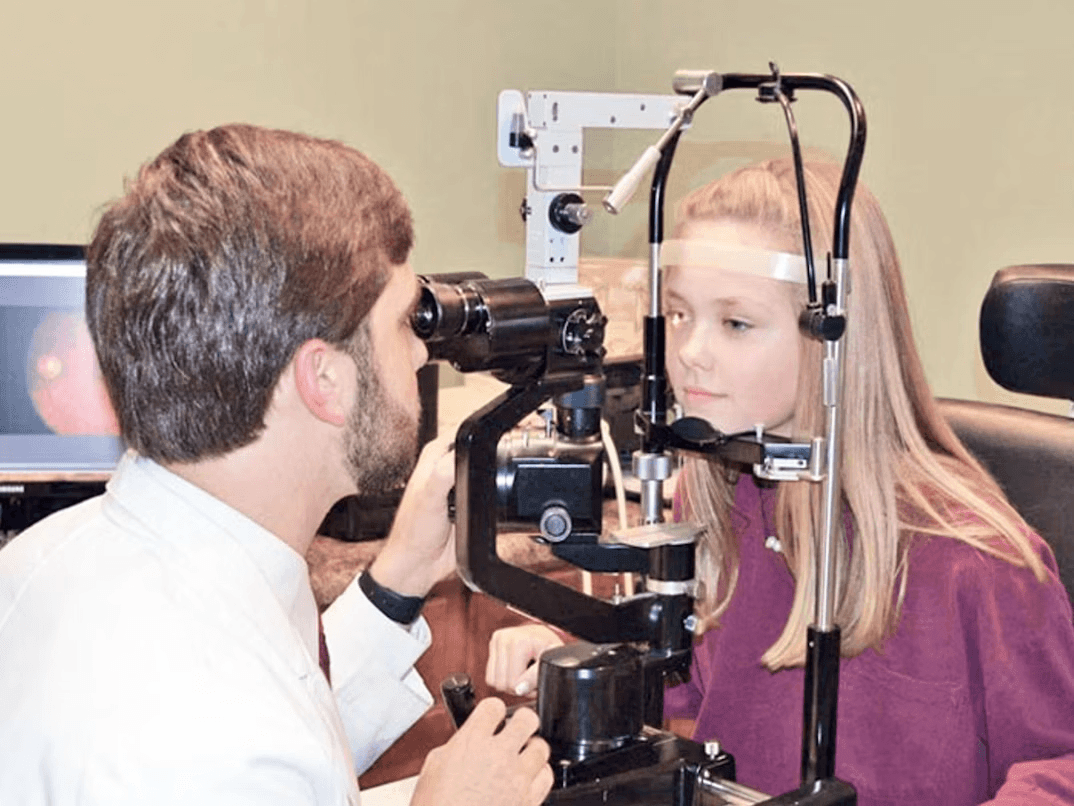
If your child hasn’t had a comprehensive eye exam recently, contact an eye care professional to discuss the appropriate schedule. You might find it easier to book appointments during summer vacation, on a school holiday, or shortly after the academic year begins. Choosing a consistent time each year can make the appointment feel like a regular part of your family’s routine rather than another last-minute task.
3. Watch for Small Signs of Vision Problems at Home
Children don’t always realize when their vision has changed. Younger children, in particular, may assume everyone sees the world the same way they do. Instead of complaining about blurry vision, they might develop habits that seem unrelated to their eyesight, such as avoiding certain activities or becoming frustrated when completing schoolwork.
Pay attention to how your child behaves while reading, drawing, watching television, or finishing homework. Squinting at distant objects, holding books unusually close, frequently rubbing their eyes, or complaining about headaches after reading may be reasons to arrange an eye examination. Some children may also struggle to copy information from the classroom board or lose their place while reading.
These behaviors don’t necessarily indicate a vision problem, but they’re worth discussing with a qualified eye care professional. If a teacher mentions difficulty seeing classroom materials or you notice persistent changes in your child’s reading habits, consider scheduling an appointment rather than waiting for the next routine checkup. Sudden vision loss, significant eye pain, or other acute eye symptoms require prompt medical attention.
4. Prepare a Simple Checklist Before the Appointment
A little preparation can make your child’s eye appointment more productive. Before the visit, write down any symptoms you’ve noticed, including when they occur and whether they seem connected to reading, screen use, or outdoor activities. If your child already wears glasses or contact lenses, remember to bring them along with any relevant prescription information.
It can also help to ask your child’s teacher whether they’ve observed difficulties with classroom activities. Teachers may notice squinting, problems copying notes, or a child repeatedly moving closer to the board. Combining these observations with what you see at home gives the eye care professional a clearer picture of your child’s everyday visual needs.
Family medical history is another important detail to share. According to the American Association for Pediatric Ophthalmology and Strabismus, children with one or both nearsighted parents have a higher risk of developing nearsightedness themselves. Mentioning relevant family history can help the doctor understand your child’s individual risk factors.
To make the process easier, keep a small family healthcare folder with appointment dates, prescriptions, and notes from previous visits. Having everything organized in one place can save time when scheduling future appointments or completing school health forms.
5. Ask About Nearsightedness and Changes in Vision
Nearsightedness, also known as myopia, is a common vision condition that makes distant objects appear blurry while nearby objects remain relatively clear. A child with myopia might have no trouble reading a book but struggle to see classroom presentations, road signs, or objects across a playground.
Myopia often develops or progresses during childhood as the eyes grow. AAPOS explains that changes can be particularly noticeable between ages seven and twelve, although vision may continue changing throughout the teenage years. Because these changes can occur gradually, children may not recognize that their distance vision is becoming less clear.
If your child is diagnosed with myopia, ask the eye care professional about suitable treatment and management options. Prescription glasses or contact lenses can correct blurry vision, while certain specialized lenses and other treatments may help slow progression in eligible children. The most appropriate approach depends on your child’s age, prescription, eye health, and individual circumstances.
Understanding your child’s vision needs can also help you make practical adjustments at home. For example, ensuring that they have appropriate glasses for reading classroom materials or participating in activities may make daily tasks more comfortable. Continue following the recommended examination schedule so prescription changes and other concerns can be addressed.
6. Check Vision Coverage and Plan for Eye Care Expenses
Family healthcare expenses can add up quickly, especially when school-related purchases and appointments happen around the same time. Before scheduling an eye exam, review your insurance benefits to understand what’s covered and whether you need to choose a provider within a particular network.
Under the Affordable Care Act, pediatric vision services are included among essential health benefits for qualifying individual and small-group health plans. However, the details can vary depending on the plan and applicable coverage rules. Prevent Blindness provides information about pediatric vision benefits, including how certain plans cover examinations and prescription eyewear. Check your specific policy for copayments, deductibles, frame allowances, and other restrictions before booking.
If your family doesn’t have suitable vision coverage, ask your child’s school nurse or local community organizations about available assistance. Through VSP Eyes of Hope, eligible children may be able to access no-cost eye examinations and glasses. Program availability and eligibility requirements should be confirmed before relying on this option.
For additional expenses, such as upgraded frames or lenses not fully covered by insurance, ask the eye care office whether payment arrangements are available. Some participating practices offer financing through services such as Cherry, which provides payment options for eligible vision care expenses. Before using financing, review the repayment schedule, interest charges, eligibility requirements, and total cost.
Planning ahead allows you to make informed decisions about your family’s eye care without unexpected expenses becoming another source of back-to-school stress.
7. Create an Eye-Friendly Homework Space at Home
Once the school year begins, children spend considerable time reading, writing, completing assignments, and using digital devices. Creating a comfortable homework environment is a practical way to support healthy study habits while making everyday routines easier for the entire family.
Start by choosing a dedicated workspace with suitable lighting, comfortable seating, and enough room for school supplies. Position books and screens at an appropriate distance so children aren’t constantly leaning forward or bringing materials unusually close to their faces. Reducing distracting glare and keeping the work surface organized can also make the space more comfortable.
For inspiration, WhipperBerry’s guide to setting up a math homework station at home shares practical ideas for creating an organized, child-friendly study area. Simple additions such as labeled storage containers, a desk lamp, and a dedicated place for notebooks can make homework time feel less chaotic.
It’s equally important to encourage regular breaks from close-up activities. AAPOS recommends keeping books and screens at least twelve inches away and following the 20-20-20 rule, which involves looking at something approximately twenty feet away for twenty seconds after every twenty minutes of near work.
Outdoor activities are another useful part of a balanced routine. Research discussed by the American Academy of Ophthalmology connects increased outdoor time with a lower risk of childhood myopia. Encourage opportunities for outdoor play, walks, or family activities while following appropriate sun protection practices.
These habits support a healthier daily routine, although they don’t replace comprehensive eye examinations or treatments recommended by an eye care professional.
8. Add Eye Care to Your Family’s Back-to-School Checklist
One of the easiest ways to avoid forgetting important appointments is to include them in a family organization system you already use. Whether you prefer a wall calendar, digital reminders, or a colorful printable checklist, keeping school and healthcare responsibilities together can make planning more manageable.
WhipperBerry’s after-school checklist offers inspiration for organizing daily school responsibilities, from completing homework to putting backpacks away. You can apply the same idea to a broader family checklist that includes dental visits, eye exams, school supplies, and other seasonal appointments.
Consider creating a dedicated section on your family calendar for healthcare reminders. Record the date of your child’s most recent eye exam, note when the eye doctor recommends returning, and set a reminder several weeks before the next appointment. If you have multiple children, keeping their appointments together in one calendar can make coordinating visits easier.
You can also involve older children in the process by encouraging them to keep track of their glasses, report changes in vision, and understand why regular eye care matters. Helping children develop these habits can make them more comfortable discussing their health and taking responsibility for everyday routines as they grow.
Make Eye Health Part of a Successful School Year
Back-to-school preparation involves much more than purchasing notebooks and organizing lunchboxes. It’s also an opportunity to review the habits, routines, and healthcare appointments that help children feel comfortable and prepared for everyday school activities.
A comprehensive eye examination can identify vision concerns that may not be detected during a routine school screening. By paying attention to potential warning signs, preparing for appointments, checking insurance benefits, and encouraging eye-friendly habits at home, parents can take practical steps to support their children’s visual health.
The best approach is to make eye care an ongoing part of family life rather than something you only think about when a problem appears. Add the next appointment to your calendar, keep relevant information organized, and encourage your children to tell you when something doesn’t look or feel right. A little planning today can help keep an important part of their health from getting overlooked during the school year.
0
Leave a Reply