• Skip to primary navigation
  • Skip to main content
  • Skip to primary sidebar
  • Skip to footer

Whipperberry

WhipperBerry • Your Home For Creative Inspiration

  • Home
  • Recipes
    • Starters
    • Easy Weeknight Dinners
    • Main Dish
    • Salads
    • Side Dish
    • Soups & Stews
    • Desserts
    • Breakfast
    • Miscellaneous
  • Tutorials
    • Creative Crafts
    • DIY Decor
    • Fabric Crafts
    • Food How-To
    • Jewlery
    • Paint Projects
    • Paper Art
    • Party Styling
    • Photography and Graphic Design
    • Silhouette
  • Holidays
    • Easter
    • Mother’s Day
    • Father’s Day
    • 4th of July
    • Halloween
    • Thanksgiving
    • Christmas
    • Valentine’s Day
  • Gift Ideas
    • Gifts For Everyone
    • Gifts for Dad
    • Mother’s day
    • For The Girls
    • For The Kids
    • Teacher Gift Ideas
    • Christmas
  • Printables
    • Holiday
    • Gift Idea
    • LDS Primary
  • Travel
  • About
    • Terms
  • Contact
  • Nav Social Menu

    • Facebook
    • Instagram
    • Pinterest
    • RSS
    • Twitter

Recipes

4 of the Best Irish Whiskies Plus a Bonus Recipe

0 · Aug 31, 2025 · Leave a Comment

Irish whiskey is having a real moment, and for good reason. With its smooth character, rich flavors, and centuries of tradition, it’s a spirit that deserves a place in every collection. Whether you enjoy sipping it neat, mixing it into a cocktail, or simply admiring the craftsmanship of rare bottles, Irish whiskey offers something truly special.

Today, I’m highlighting four of the best rare Irish whiskies worth seeking out. Each one has its own story, unique aging process, and unforgettable flavor profile. And as a bonus, I’ll share a cozy Irish whiskey apple cider recipe you can make at home—perfect for a chilly evening.

4 Irish Whiskies To Add to Your Collection

Jameson Single Pot Still – Five Oak Cask Release

First up, we have this delicious option by Jamesons! Over the years, Jamesons have teased fans with limited edition five oak cask releases, and are back again with another round! These are super popular, and you will need to be quick to grab one of these limited edition bottles. The Irish whiskey is distilled across five casks, absorbing flavours from three different oak casks, ex-bourbon and ex-sherry casks. All of these contribute to the rich flavour of the whiskey, giving it plenty of depth.

The whiskey has a nice spice, but doesn’t burn your throat, leaving a silky finish that makes you want another glass (and another). It is best enjoyed on its own rather than with food, as you don’t want to tarnish the flavour!

Character

  • Nose – honeycomb, salted caramel fudge, ripe fruits, cinnamon, ginger, nutmeg, and orange peel
  • Palate – chocolatey fruits with multi-layered spices and a silky finish

What you need to know

  • Colour – Deep gold
  • ABV – 46%
  • Maturation – made in five oak casks, including Virgin Irish oak, Virgin European oak, Virgin American oak, ex-Bourbon, and ex-Sherry
best irish whiskies

Green Spot 11 Year Old Single Cask

One of the best rare Irish whiskies is this 11-year single cask from Green Spot. Despite being matured in just one cask, it is rich and full of your favourite flavours, intensifying with every sip. Green Spot made just 162 bottles of this whiskey, so it can be hard to get your hands on it. When you do, you will be blown away by how silky it tastes! The high ABV makes this one of the strongest Irish whiskeys on the market, too.

Character

  • Nose – Orchard fruits, vanilla, floral honey, and toasted oak. Notes of clove spice and nutmeg build over time
  • Taste – a silky texture with soft oak tannins. Notes of salted caramel and honey oats follow this with ripe fruits and crushed mint
  • Finish – a lingering finish of spices with orchard fruits and charred oak that push through

What you need to know

  • Colour – Golden
  • ABV – 59.1 %
  • Maturation – 11 years in a single Bourbon barrel2.

Midleton Very Rare Barry Crockett Legacy

Milton’s whiskey is named after distiller Barry Crockett and is made using American bourbon barrels to get the perfect balance of spice, citrus, and vanilla. While the whiskey isn’t as rare as others on the list, it can still be tricky to find when choosing your whiskey. You can expect a refined taste with this whiskey and plenty of flavours that are associated with Irish whiskey. If you are adding an Irish whiskey to your collection, this is the perfect choice!

Character

  • Nose – vanilla and toasted oak with lime, green berries, sweet pepper, and pears
  • Taste – light pepper with citrus, mandarin orange, and limes. Cinnamon and vanilla follow with oak
  • Finish – full flavours that fade into a clean American oak

What you need to know

  • Colour – amber gold
  • ABV – 46%
  • Maturation – American bourbon cask

Bushmills 16 Year Old Whiskey

While Bushmills offer many popular whiskeys, their 16 year old single malt is quite hard to track down. The whiskey has a unique flavour, thanks to spending 16 years in a combination of casks before being matured for a final year in port wine barrels. This final year helps to give it a unique, dark colour, and a wonderful taste. You can expect the usual notes of spice and nuts, with some juicy fruits, and the ruby redness that sets it apart from other whiskies. While you can dilute the whiskey to reduce the flavour, we think it is best served neat, over ice.

Character

  • Nose – treacle toffee and sweet pie are the big and robust flavours that start
  • Taste – Caramelised fruits, toasted nuts, and port provide a concentrated and full-bodied flavour
  • Finish – jammed berries and milk chocolate provide a deep finish

What you need to know

  • Colour – dark ruby red
  • ABV – 40%
  • Maturation – 16 years in Oloroso sherry butts, bourbon barrels, and port pipes
warm irish whisky apple cider

Bonus Recipe: Warm Irish Whiskey Apple Cider

And because I can’t resist adding a little culinary twist, here’s a cozy recipe that’s perfect for chilly evenings or even a fall gathering:

Warm Irish Whiskey Apple Cider

Ingredients:

  • 2 cups apple cider
  • 1.5 oz rare Irish whiskey (try the Bushmills 16-Year-Old if you can find it!)
  • 1 cinnamon stick
  • 2–3 whole cloves
  • 1 thin slice of fresh orange
  • Optional: drizzle of honey

Instructions:

  1. In a small saucepan, warm the apple cider with the cinnamon stick, cloves, and orange slice over low heat. Don’t let it boil—just warm it gently to release the spices.
  2. Once warmed, remove from heat and strain if needed.
  3. Stir in your Irish whiskey and a little honey if you like it sweeter.
  4. Pour into a mug, curl up by the fire (or your favorite blanket), and sip slowly.

This is one of those comforting little drinks that makes any evening feel extra special.

Why Rare Irish Whiskey Deserves a Spot in Your Kitchen

Adding a rare Irish whiskey to your collection is a bit like finding the perfect vintage piece for your home—it’s not always easy, but when you find the one, it feels like a treasure. These unique bottles bring incredible stories and flavors, and they’re such a fun way to explore a little bit of Irish heritage from the comfort of your kitchen or bar cart.

And hey, if you ever want to do more than sip, try adding a splash to your next dessert, or whip up that warm cider recipe. Irish whiskey isn’t just for collecting. It’s meant to be enjoyed.

When searching for your rare Irish whiskey, I recommend checking out The Whiskey Club. Not only do they offer a subscription where you can have delicious whiskey delivered to your door, but they also frequently have rare Irish whiskeys you can purchase and enjoy. Head to their site to find some of the rarest Irish whiskies available today.

DIY Frozen Treats the Whole Family Can Make Together

0 · Jul 17, 2025 · Leave a Comment

You know what I’ve realized? Some of our best family memories aren’t the big vacations or the perfectly planned outings. They’re the simple little things, like making homemade popsicles on a Saturday morning. Sure, you can buy a box at the store, but there’s something special about blending, pouring, and layering your own frozen treats as a family. The sticky fingers, colorful messes, and giggles over taste tests? That’s the good stuff.

Making DIY frozen treats is more than just a fun kitchen activity. It’s a hands-on way to slow down, create, and enjoy something sweet together. Whether you’ve got toddlers helping with fruit or teens experimenting with flavors, this is one of those simple traditions that sticks. And it’s way easier than it looks!

Why Frozen Treats Bring Families Together

Let me be frank: you don’t just freeze stuff—you freeze moments. Here’s why whipping up frozen treats with your kids works wonders:

  • Sensory joy. Sticky sweetness, chill that tingles, colorful splashes—it’s a mini adventure for the senses.
  • Creative freedom. Let me catch this—your kid’s coloring the mold with berries, your teen layering juice and cream. It’s art you can eat.
  • Casual education. Measuring ingredients, converting cups to milliliters—it’s learning disguised as fun.
  • Ritual and routine. Saturday mornings with molds lined up? That’s tradition in motion.

So trust me, this isn’t just a food project. It’s a weekend moment.

DIY Frozen Treats

How We’re Keeping It Cool

Before we slice, swirl, or sip, we gotta talk chill. If your mix is too warm, textures go mushy, colors blur, and layers bleed. That’s where techniques from commercial kitchens (and, yes, high-end ice machines) can come in handy.

You can even check out pro-grade tools like a commercial ice machine. These machines keep things frosty and fast, perfect for serious home pros.

Why Chill Matters

  • Texture is everything. Fast chilling prevents large ice crystals so your treats are smooth, not grainy.
  • Flavor holds. Cold keeps volatile aromas trapped until you bite.
  • Slot layering. Want those rainbow layers? Chill between pours—no color bleed.

The Science Behind Freezing

Knowledge for the curious: freezing at 0°F (–18 °C) halts bacterial growth and preserves food safety indefinitely, although quality may degrade over time.

At Cornell, prep techniques like ice baths and quick freezing are recommended to maintain texture and flavor—especially for fruits and vegetables . So while homemade pops are kid-made, they still rely on sound science.

Chill Hacks & Prep Tricks

Here’s your cheat sheet to crunchy, colorful treats:

  1. Pre‑chill your tools. Freeze the molds and mixing bowls at least 30 minutes beforehand. It’s a pro chef tip.
  2. Ice bath drills. After cooking a liquid base, cool it fast in ice water—no waiting for it to drop to room temperature.
  3. Layer like a boss. Pour, freeze a bit, then add next layer. It makes those Instagram-worthy stripes pop.
  4. Use instant coffee kits. If you’re adding coffee flavor, dissolve espresso powder in a tiny bit of hot water—no foreign flakes.
  5. Cover and date. Labeling molds avoids that mystery tray from last month.

DIY Frozen Treats Recipes for the Crew

1. Rainbow Fruit Pops (Simple + Stunning)

Ingredients (makes 12):

  • 2 cups mixed fruit (mangoes, berries, peaches)
  • ½ cup Greek yogurt or juice
  • 1–2 tbsp honey or maple syrup (optional)

Directions:

  1. Blend fruit and yogurt until silky. Taste, adjust.
  2. Divide into three or four bowls—add a dash of food coloring if you want rainbows.
  3. Pour the first color, freeze 30–45 min, then layer the next.
  4. Freeze overnight (6–8 hrs).

Bonus: Between layers, stick in fresh fruit chunks—hello, surprise pop.

2. Coffee‑Cream Pops (Grown‑Up Twist)

Ingredients (makes 10):

  • 1 cup brewed coffee, cooled
  • ½ cup milk or cream (dairy or plant-based)
  • 2 tbsp sugar or syrup
  • Optional: sprinkle of cocoa or cinnamon

Directions:

  1. Mix coffee, milk, sweetener. Taste—strong, smooth, perfect.
  2. Pour into molds, freeze 4–6 hrs.
  3. Dessert-level upgrade: drizzle in melted dark chocolate halfway through freezing.

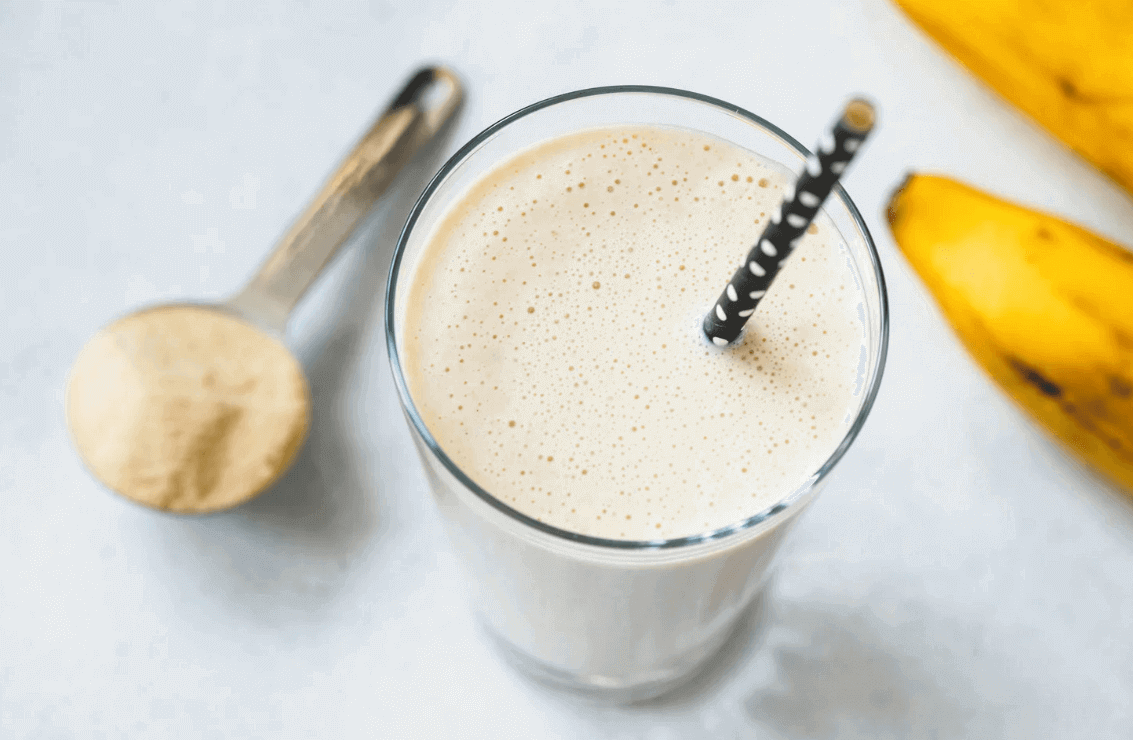
3. Banana‑Soft‑Shake Pops

Ingredients (makes 8):

  • 2 ripe bananas
  • 1 cup vanilla yogurt
  • ½ cup milk or almond milk

Directions:

  1. Blend until thick and creamy.
  2. Pour into molds, freeze 3–4 hrs.
  3. For milkshake texture, blend again mid-freeze, then re-freeze.

4. Citrus Mint Cooler Pops

Ingredients (makes 12):

  • Juice of 3 oranges + 1 lemon
  • ½ cup water or sparkling water
  • 1 tbsp honey
  • Small mint leaf per mold

Directions:

  1. Mix juice, water, honey. Taste adjust.
  2. Place mint leaves in molds, pour juice lightly.
  3. Freeze partway, then top off with remaining juice. Freeze fully.
Citrus Mint Cooler Pops

Creative Add‑Ins

Let the family personalize with these:

  • Mini chocolate chips
  • Crushed cereal (like mini‑wheats or oats)
  • Sprinkles or edible glitter
  • Tiny marshmallows
  • Crushed dried fruits (apricot, cranberries)

Mini‑tip: Keep mix-ins under ¼ cup per mold to maintain texture and reduce swirl.

Storage & Lifespan

  • Date it. Cold safety indefinite, but flavor and texture best within 2–3 weeks.
  • Wrap it. Plastic or silicone molds → airtight zip bags → flat in freezer.
  • Rotate smartly. Store at the back—not the door—to avoid temperature dips.

Handling Mishaps

  • Grainy texture? Freeze was too slow. Pre‑chill and use ice bath.
  • Muddled layers? You skipped partial freezes. Try 30–45 minutes before layering.
  • Freezer burn wrinkles? Check seals and storage temp—door placement is your culprit.
  • Too sweet or tart? Add honey, syrup, or yogurt to balance; or mix juice with water for lighter sweetness.

Lessons from Kitchen Science

You’re sneaking in science like a ninja:

  1. Phase changes: The liquid → solid transformation involves energy exchange—kids feel it (it’s cold!) and taste it (smooth vs crystalline).
  2. Concentration matters: Sugars and salts lower freezing point—so sweeter mixes freeze softer. Great for creamy desserts.
  3. Ice crystal control: Chilling fast = small crystals; slow freeze = ice shards. Know the science, eat better treats.

Nutritional Swaps & Tips

  • Use low-fat Greek yogurt to boost protein.
  • Swap cane sugar for pure maple syrup or honey.
  • Try plant-based milks (oat, soy, almond) to reduce dairy.
  • Sneak in veggies—spinach, carrot purée, zucchini—all mask well in fruity bases.

Bonding Through the Chill

This is real talk: you’re not just making food—you’re making memories. The spilled blender, the fruity mustaches, the shield-your-face laughter when the ice cube tumbles out early. You’ll look at your freezer tray one day and it’ll whisper, “We did this together.”

Putting It All Together: A Sample Weekend Plan

Time Activity
Saturday 10 AM Pre‑chill molds and bowls.
10:30 AM Blend rainbow fruit base with kiddos watching closely.
11:00 AM Pour first layer; freeze 45 min.
11:45 AM Layer second color; top with fresh berries; freeze again.
12:30 PM Lunch break while pops freeze.
1:00 PM Prep coffee‑cream pops for evening treat.
Sunday 5 PM Family taste test + rerun favorite recipe next weekend.

Wrapping Up

Here’s the scoop: making frozen treats with your family is a simple, joyful project that delivers a ton more than a tasty dessert. You get playtime, mini‑science lessons, creative bursts, and memories you’ll laugh about forever.

So pull out those molds, gather your crew, and let the kitchen turn into a popsicle lab for the afternoon. You don’t need anything fancy – just a few ingredients, a dash of creativity, and some eager little hands. Who knows? You might even start your own family frozen treat ritual that comes back every summer.

Brew Better Mornings: Is It Time to Roast Your Own Coffee?

0 · Jul 17, 2025 · Leave a Comment

Mornings in our house usually start with the hum of the coffee maker and the smell of something warm and familiar brewing in the kitchen. Whether you’re lighting a candle, sneaking a few quiet moments before the kids wake up, or just savoring that first magical sip, we all have our little morning rituals.

For me, coffee is non-negotiable—it’s a comforting pause before the day gets going. But recently, I started wondering if that morning cup could be even more special. Could it be something I made, start to finish, with my own hands?

If you’ve ever been curious about home coffee roasting, you’re definitely not alone. More and more coffee lovers are turning this everyday habit into a hands-on craft, and it’s easier than you might think. With trusted resources like Coffee Equipment Pros, even first-timers can explore roasting with confidence and ease. Let’s explore what roasting your own beans at home looks like and why it might just become your new favorite part of the day.

The Case for Roasting at Home

1. Freshness You Can Taste

Pre-roasted beans start losing their flavor just days after roasting, even in a sealed bag. By the time you get to them, they’re often past their peak. When you roast at home, you’re in total control. You can roast a small batch today and brew it tomorrow, keeping the flavor notes sharp, complex, and deeply aromatic.

That “wow” moment when you sip your first truly fresh cup? Worth it.

coffee beans

Photo by Juan Pablo Serrano from Pexels

2. Full Flavor, Your Way

Ever sip a cup of coffee and think, “It’s good, but I wish it had more brightness,” or “This is too smoky for me”? Home roasting lets you experiment with different beans, roast levels, and profiles until you find your perfect balance. Light and fruity? Dark and chocolaty? It’s your call.

Roasting gives you agency—something store-bought blends can’t offer. And once you dial in your ideal roast, your daily coffee becomes something uniquely yours.

3. It’s Surprisingly Easy to Start

Roasting might sound like an advanced hobby, but beginner-friendly equipment makes it accessible. Air roasters, for example, are compact and intuitive—great for small kitchens and curious beginners. Drum roasters offer more control, and some even come with app integration for extra geek points.

Most home roasting setups don’t require complicated gear or a steep learning curve. If you can toast nuts or bake cookies, you can roast coffee.

Morning Rituals, Upgraded

A Sensory Experience

There’s something almost meditative about roasting. The scent of green beans transforming into something warm and complex. The crackling sound of the beans during their “first crack.” The color change from pale green to rich caramel brown. It’s a feast for the senses—and a way to slow down, even if just for 10 minutes.

For anyone who enjoys the tactile joys of cooking, gardening, or sourdough baking, home roasting offers that same sense of craft and calm.

Roasting = Wellness?

Okay, coffee won’t solve all your problems—but intentional habits can make mornings feel better. Adding a sensory, hands-on step to your coffee routine can help you reconnect with your space and your body before the scroll-and-scroll of daily life begins.

Roasting isn’t just about flavor. It’s about grounding yourself in something simple and rewarding.

What You’ll Need to Get Started

The Beans

You’ll be starting with green coffee beans, which are raw and unroasted. You can buy them in small sample packs or bulk quantities. There are dozens of origins and varietals to explore—Ethiopian, Colombian, Guatemalan, Sumatra, and beyond.

Each origin brings a different personality to your brew. Think of it like wine—but with more caffeine and fewer hangovers.

The Roaster

There are a few types of home roasters to choose from:

  • Air roasters: These circulate hot air around the beans, kind of like a popcorn popper. They’re fast, clean, and perfect for beginners.
  • Drum roasters: These rotate the beans in a heated chamber. They take a bit longer but allow more control over the roast.
  • Manual methods: For the adventurous, you can even roast in a cast iron skillet or oven, though this requires extra attention and smell tolerance.

Most home roasters are about the size of a small countertop appliance and don’t take up much space.

Ventilation

Roasting does produce smoke, especially if you like your beans dark. A vented kitchen fan, an open window, or even roasting on a patio can help. Some people prefer roasting in the garage or near an open door to keep things fresh.

A Cooling Tray

Once your roast is done, the beans need to cool quickly to stop the cooking process. Some roasters come with built-in cooling, but a colander and fan will do in a pinch.

What to Expect Your First Time

It Won’t Be Perfect (And That’s Fine)

Your first roast might come out too light or too dark. You might forget to set a timer or misjudge the “crack” sounds. That’s all part of the learning curve—and the charm. The good news? Coffee is forgiving, and every batch teaches you something new.

You’ll Start Noticing Things

Once you roast your own beans, you’ll become more attuned to differences in origin, roast levels, and even grind size. Suddenly, your palate sharpens, and you start describing coffee like a pro: “jammy,” “toffee,” “floral,” “earthy.”

And it’s not snobbery—it’s curiosity.

Photo by Thirdman from Pexels

FAQs (For the Cautiously Curious)

Is it expensive?

Not really. Green beans cost less per pound than roasted beans, and a solid entry-level roaster pays for itself in a few months. Over time, you’ll spend less and drink better.

Is it time-consuming?

A small batch roast usually takes 8–12 minutes. Add a few more to let it cool, and that’s it. You don’t have to roast every day—just once or twice a week, depending on how much you drink.

Does it make a mess?

A bit, yes. Beans shed a papery skin called chaff during roasting, but it’s easy to sweep or vacuum up. Some roasters come with chaff collectors, which help keep things tidy.

Will it ruin my kitchen?

Nope! As long as you’ve got decent airflow and don’t walk away mid-roast, it’s safe. Just don’t try it under a smoke detector with no ventilation, or your first batch might come with an unexpected fire drill.

Tips for a Smooth Start

  • Start small. Roast 50–100g of beans per batch until you get comfortable.
  • Keep a roast log. Write down time, temperature, and how the roast tasted. It helps you improve fast.
  • Smell and listen. Your senses are your best guide. Watch for color changes and listen for the “crack.”
  • Rest your beans. Let roasted beans sit for 12–24 hours before brewing to allow CO₂ to release and flavors to stabilize.

When Coffee Becomes a Conversation Starter

One fun side effect of home roasting? It becomes part of your story. Friends will ask what you’re brewing. You’ll start giving away little jars of beans as thoughtful, handmade gifts. Coffee stops being something you just drink and becomes something you share.

Even if you’re not planning to become the next small-batch roasting entrepreneur, this hobby fits beautifully into a mindful, home-centered lifestyle. Like baking your own bread or growing herbs on the windowsill—it feels good because it’s yours.

A Final Pour

So, is home coffee roasting worth it? If you’re like me and love adding little moments of intention into your routine, things that slow life down just a bit, then absolutely.

Roasting your own beans turns an everyday cup of coffee into something meaningful. It’s a way to ground yourself before the busyness begins. And who knows? You might even find yourself sharing little jars of your custom roast with friends or turning your kitchen into a cozy conversation starter.

You don’t need to be a coffee expert or have a fancy setup to get started. Just a bit of curiosity and a love for cozy, hands-on rituals. Give it a try—your next great morning might begin not just with a brew, but with your very own roast.

Delicious Apple Turnover Recipe

0 · Jul 12, 2025 · Leave a Comment

Is there any food or beverage in the world that produces the same emotions and thoughts as a whiff of freshly baked apple turnovers does? These nostalgic little bits of Americana are the perfect snack for both hot weather and cold, depending on how you serve them, and they’re as easy or challenging to make as you like. In my recipe, I’ve included a basic puff pastry recipe, so that you have control over the flavor profile from the start of the process and also the best possible option for fillings if you’re a little short on time. I’ve also shared a few ways to jazz the turnovers up and make them a little bit different from the usual. Enjoy!

Delicious Apple Turnover Recipe

The Homemade Puff Pastry

Recipe

  • 1¼ cup very cold butter (salted)*, cubed
  • ½ cup very cold water
  • ¼ teaspoon salt*
  • 2 cups all-purpose flour

*If you’re using unsalted butter, then be sure to add ¾ teaspoon of salt. The better the quality of the butter, the better the dough will turn out.

Method

  1. Put the flour and salt in a food processor bowl, then add ¾ cup (170 grams) of cold, cubed butter. Pulse (with a metal blade) until butter is absorbed (10–12 quick pulses), then add the remaining cold, cubed butter and pulse a few more times to combine. Add the cold water and pulse a few times until the dough begins to form into a ball. DO NOT OVER PROCESS.
  2. Place the dough onto a floured surface and knead lightly around 10 times. Roll into a rectangle (approximately 12 x 18 inches) with a lightly floured rolling pin.
  3. Fold the dough into an envelope shape, then in half. Wrap in plastic and refrigerate for 1–2 hours. Remember to use the dough when it’s as cold as possible!
homemade caramel sauce

Homemade Caramel Sauce (for serving)

Ingredients

  • 1 cup packed brown sugar
  • ½ cup unsalted butter
  • ¼ cup heavy cream
  • 1 teaspoon vanilla extract (Optional)

Method

  1. Heat the sugar in a stainless steel saucepan (don’t use nonstick) over medium heat. Stir it constantly with a silicone spatula or a wooden spoon for about 6 minutes. DO NOT stop stirring or the sugar will burn.
  2. Once the sugar is melted, immediately stir in the butter until combined. In this step, the caramel will bubble rapidly, so be very careful to avoid sugar burns. If the butter separates or if the sugar clumps, remove the pot from the heat and vigorously whisk to combine them again. Keep whisking, it will come together eventually!
  3. After the butter has melted and combined, stir constantly as you add the heavy cream very slowly. Again, the mixture will bubble rapidly, so take care! After the cream is combined, allow the mixture to boil for 1 minute. The temperature will rise to about 220°F (104°C) (use a thermometer), and the mixture will increase in size.
  4. Remove from the heat and stir in the salt. Allow the caramel to cool before using (it will thicken as it does).
Homemade Apple Turnover Recipe

The Turnovers

Ingredients

  • I use the Andros Professional range of fruit fillings: the apple cinnamon is perfect for this dish as it’s made specifically for pastry chefs – really a treat to work with! 6 cups
  • 1 tsp cinnamon
  • 1/2 cup white sugar
  • 1/2 tsp vanilla extract
  • Pinch salt
  • 2 square puff pastry sheets (25 cm/10″)
  • 1 egg, beaten

Recipe

  1. Line a large cutting board or upside-down tray with baking/parchment paper.
  2. Using very cold pastry, cut it into 4 squares (5″ each) and brush 2 edges with egg, then place about 1–2 tablespoons of the pre-prepared filling on the egg-brushed side.
  3. Fold into a triangle and seal with a flour-dipped fork. Transfer to a baking paper-lined cutting board.
  4. Refrigerate for 20 minutes (cold dough bakes better)
  5. Preheat the oven to 400°F/200°C (180°C fan).
  6. Slide the paper holding the turnovers onto a large baking tray. Brush turnovers with egg and poke with a fork a few times. Bake for 25 minutes or until golden.
  7. Serve this delicious apple dessert warm with icing sugar, cream, or ice cream and caramel sauce.

Make Them Yours

Feel like turnovers that are a little bit extra? Instead of just providing whipped cream to dunk them in or serving the turnovers with ice cream like a mini apple pie, make cream-filled turnovers instead. Make the turnovers as above and then, when ready to serve, whip stabilized cream or use regular cream and whip until stiff so it’s pipeable. Gently make a hole in the pastry and pipe it inside (having good quality baking equipment like a metal piping nozzle makes it easier) and serve it like a sandwich. For more creative ideas with fruit-filled pastries, check out Katie Cross recipes.

Voila! The perfect apple turnovers customized to your liking. What could be more delicious?

  • « Go to Previous Page
  • Page 1
  • Page 2
  • Page 3
  • Page 4
  • Page 5
  • Interim pages omitted …
  • Page 65
  • Go to Next Page »

Primary Sidebar

Heather from Whipperberry
Hello... my name is Heather and I'm the creator of WhipperBerry a creative lifestyle blog packed full of great recipes and creative ideas for your home and family. I find I am happiest when I'm living a creative life and I love to share what I've been up to along the way... Come explore, my hope is that you'll leave inspired!

Footer

  • Privacy Policy
  • Crafts
  • Food
  • Gifts
  • Holidays
  • Home
  • Mom Life
  • Recipes
  • Travel

Copyright © 2026 · Seasoned Pro