Key Takeaways
- Technological advancements are enabling seniors to age in place while boosting safety, health care access, and social participation.
- Innovative solutions like smart home devices and remote health monitoring tools are pivotal in fostering independence among older adults.
- Comprehensive adoption of senior-friendly technology can reduce healthcare costs and improve overall quality of life.
Table of Contents
- Smart Home Technologies Enhancing Safety
- Wearable Health Monitors for Proactive Care
- Telehealth Services: Bridging the Healthcare Gap
- Tools for Social Connection and Mental Well-being
- Financial Management Solutions for Seniors
- Challenges and Considerations in Technology Adoption
- Conclusion
The good news is that technology is making it easier than ever for seniors to live independently. Simple tools can support daily routines, improve safety, and make it easier to stay in touch with family and friends.
Devices such as a personal medical alert system offer quick help in emergencies and peace of mind for everyone involved. Small changes like these can make a big difference.
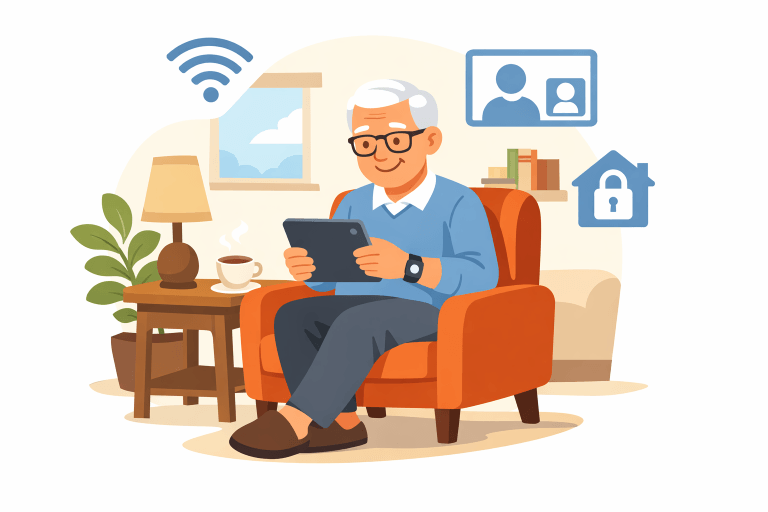
From smart home features to telehealth and wearable devices, seniors now have more support than ever. These tools do more than improve safety. They help older adults stay connected, confident, and in control of their daily lives.

Smart Home Technologies Enhancing Safety
Modern homes are becoming smarter, and these advancements are particularly transformative for seniors who aim to live independently. Automated lighting reduces trip hazards at night, while smart locks allow for remote entry control and real-time alerts if someone tries to enter the home unexpectedly.
Motion detectors and doorbell cameras add layers of protection, turning the home into a safer sanctuary. For those with mobility challenges or memory loss, these features are especially beneficial, empowering seniors to maintain autonomy and control over their environment without risking injury.
Major resources such as the CDC fall prevention guidelines highlight the importance of environmental modifications in reducing injury risk, demonstrating how essential smart home solutions are in daily life.
Wearable Health Monitors for Proactive Care
Wearable technology, from fitness bands to sophisticated smartwatches, is transforming health monitoring for older adults. These devices measure vital signs like heart rate and oxygen saturation, assess sleep quality, and even detect falls or abnormal heart rhythms.
For instance, devices with automatic fall detection can alert emergency contacts immediately if a fall is suspected, drastically cutting response time and potentially saving lives.
Caregivers and healthcare providers benefit greatly from the ability to remotely monitor changes in health status, allowing for timely interventions that help seniors remain in their homes longer and with greater confidence. Insights published by Forbes Health showcase the advancements and diversity in wearable health devices, further emphasizing their usefulness in proactive senior care.
Telehealth Services: Bridging the Healthcare Gap
Seniors often face barriers to accessing regular medical care, including transportation issues, mobility challenges, and health risks. Telehealth bridges this gap by enabling virtual consultations with healthcare professionals.
Through secure video calls or dedicated telehealth apps, older adults can access medical advice for chronic conditions, medication management, and mental health support without leaving the comfort and safety of home.
This not only simplifies routine checkups but also saves time and travel expenses, helping the healthcare system allocate resources more efficiently, as discussed in The New York Times.
Tools for Social Connection and Mental Well-being
Maintaining relationships and staying mentally active is vital to senior health. As isolation can negatively impact well-being, technology offers powerful solutions. Video calling platforms like Zoom and FaceTime, as well as social media and online communities, let seniors stay in touch with family and friends, regardless of distance.
Some organizations even use virtual reality to create immersive social experiences, letting older adults participate in book clubs, classes, or travel adventures from their living rooms. The simple act of connecting regularly can significantly curb loneliness and emotional decline.
Financial Management Solutions for Seniors
Managing finances can become increasingly complex with age. Fortunately, technology simplifies this through online banking, budgeting apps, and digital wallets. These platforms enable seniors to automate bill payments, track expenses, and monitor investments.
Many fintech solutions now incorporate robust fraud detection and alerts, adding another layer of security for seniors, who are often prime targets for scams. These resources facilitate financial independence, helping seniors stay organized and confident in managing their resources.
Challenges and Considerations in Technology Adoption
Despite these many benefits, technological adoption among seniors is not without challenges. Barriers such as limited digital literacy, cost constraints, and privacy or security concerns can hinder usage.
Solutions must be intuitive, with simple interfaces and clear guidance. Ongoing training and access to support resources remain key. Further, devices must be affordable and protect sensitive data so seniors can use them confidently without fear of breaches or misuse.
Conclusion
Helping our loved ones stay independent at home is something many families care deeply about. With the right tools, it is more possible than ever.
Technology can support safety, health, and connection in simple and meaningful ways. From smart home features to wearable devices and virtual care, these solutions help seniors live with more comfort and confidence.
With a little guidance and support, families can choose tools that fit their needs and make everyday life easier. It is a simple way to create a safer and more connected home for the people who matter most.
0
Leave a Reply