• Skip to primary navigation
  • Skip to main content
  • Skip to primary sidebar
  • Skip to footer

Whipperberry

WhipperBerry • Your Home For Creative Inspiration

  • Home
  • Recipes
    • Starters
    • Easy Weeknight Dinners
    • Main Dish
    • Salads
    • Side Dish
    • Soups & Stews
    • Desserts
    • Breakfast
    • Miscellaneous
  • Tutorials
    • Creative Crafts
    • DIY Decor
    • Fabric Crafts
    • Food How-To
    • Jewlery
    • Paint Projects
    • Paper Art
    • Party Styling
    • Photography and Graphic Design
    • Silhouette
  • Holidays
    • Easter
    • Mother’s Day
    • Father’s Day
    • 4th of July
    • Halloween
    • Thanksgiving
    • Christmas
    • Valentine’s Day
  • Gift Ideas
    • Gifts For Everyone
    • Gifts for Dad
    • Mother’s day
    • For The Girls
    • For The Kids
    • Teacher Gift Ideas
    • Christmas
  • Printables
    • Holiday
    • Gift Idea
    • LDS Primary
  • Travel
  • About
    • Terms
  • Contact
  • Nav Social Menu

    • Facebook
    • Instagram
    • Pinterest
    • RSS
    • Twitter

dog health

Why Daily Walks Are One of the Simplest Ways to Support Dog Health

0 · Jan 25, 2026 · Leave a Comment

When people think about ways to support dog health, they often focus on diet changes, supplements, or vet visits. While all of those matter, one of the most powerful and overlooked health supports is also the simplest: a daily walk. Yes, you read that right!

To be precise, regular walks don’t just burn energy. They influence a dog’s physical condition, mental balance, and long-term well-being in ways that are hard to replicate indoors. Plus, dogs are built for movement. Even breeds that seem content lounging at home still benefit from structured outdoor activity.

On that note, let’s dive into the article to understand the benefits of daily walks to support dog health!
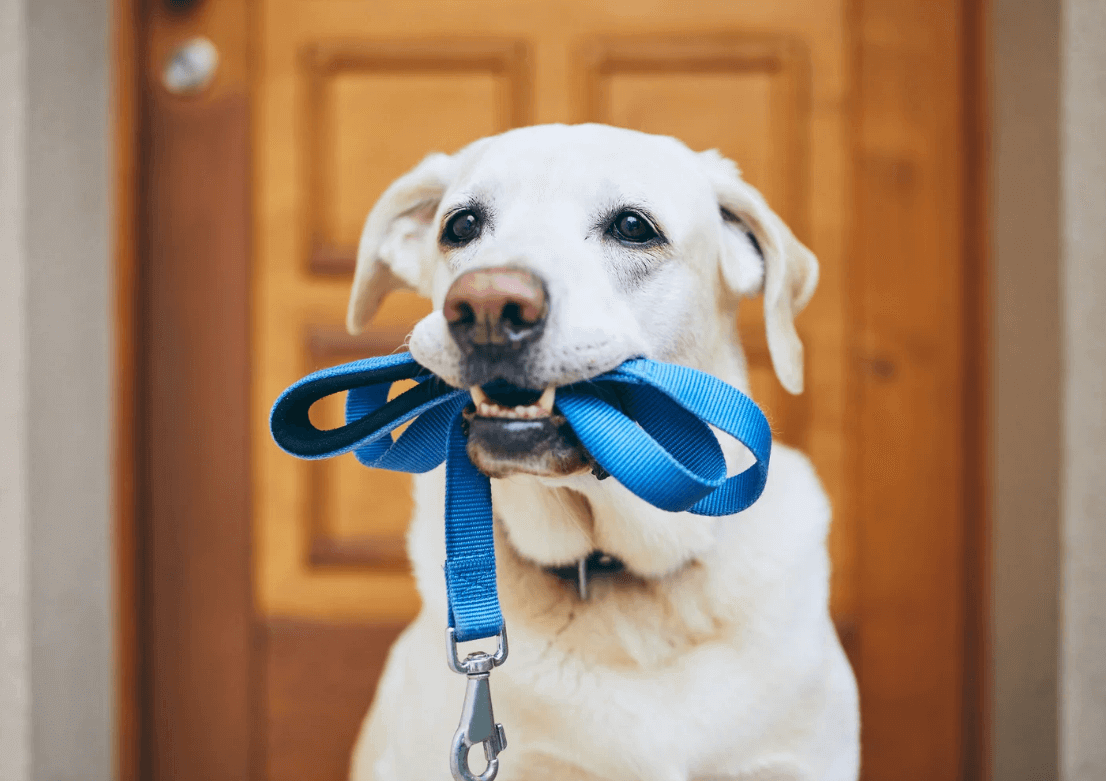
dog walk

1. Daily Walks Support Physical Health Beyond Basic Exercise

At the most obvious level, daily walks help dogs maintain a healthy weight. Obesity is one of the most common health concerns in dogs today, and lack of regular movement is a major contributor. Walking provides low-impact exercise that supports calorie balance without putting excessive strain on joints.

Beyond weight management, regular walks help:

  • Strengthen muscles and joints.
  • Improve cardiovascular health.
  • Support digestion and metabolism.

Unlike high-intensity play, walking keeps the body moving at a steady, sustainable pace. This makes it especially valuable for older dogs or breeds prone to joint issues. Over time, consistent movement helps preserve mobility and reduce stiffness, making daily activities more comfortable. Just as importantly, walks encourage natural movement patterns, for example, sniffing, stopping, and adjusting pace. These are the things that structured indoor exercise can’t replace.

2. Consistent Walking Routines Support Behavioral Health

Dogs thrive on routine. Knowing when they’ll eat, rest, and go outside creates a sense of security. Daily walks reinforce that structure, helping dogs regulate energy levels and behavior throughout the day.

Regular walks can:

  • Reduce hyperactivity.
  • Improve leash manners.
  • Strengthen focus and responsiveness.

For many dogs, behavior challenges stem not from disobedience but from unmet needs. Walking provides a constructive outlet for energy and curiosity, making it easier for dogs to settle afterward.

However, for dogs, consistency matters more than intensity. A predictable daily walk often has a greater impact on behavior than occasional long outings. This is the reason why many pet owners turn to local dog walking services when their own schedules become unpredictable. This, as a result, ensures dogs still receive structured movement even on busy days.

For example, services like Trails and Tails Dog Walking focus on maintaining that consistency, helping dogs stay active and balanced regardless of their owners’ work routine. They offer structured, routine walks that are tailored to a dog’s pace, age, and physical condition. Ultimately, such regular walks with a familiar walker can reinforce positive habits and reduce stress caused by irregular schedules.

3. Mental Stimulation Is Just as Important as Physical Activity

Dogs don’t experience the world only through movement; they experience it through smell, sound, and exploration. Daily walks provide mental enrichment that’s difficult to achieve inside the home.

During a walk, dogs:

  • Process new scents and environments.
  • Practice focus and impulse control.
  • Release mental tension through exploration.

Mental stimulation plays a key role in reducing anxiety-related behaviors such as excessive barking, chewing, or restlessness. Dogs that don’t get enough stimulation often find their own outlets—which aren’t always desirable.

By the way, a walk doesn’t need to be long to be mentally effective. Even familiar routes offer value, as dogs pick up on subtle changes in scent and surroundings. This mental engagement contributes to emotional balance and can lead to calmer behavior at home.
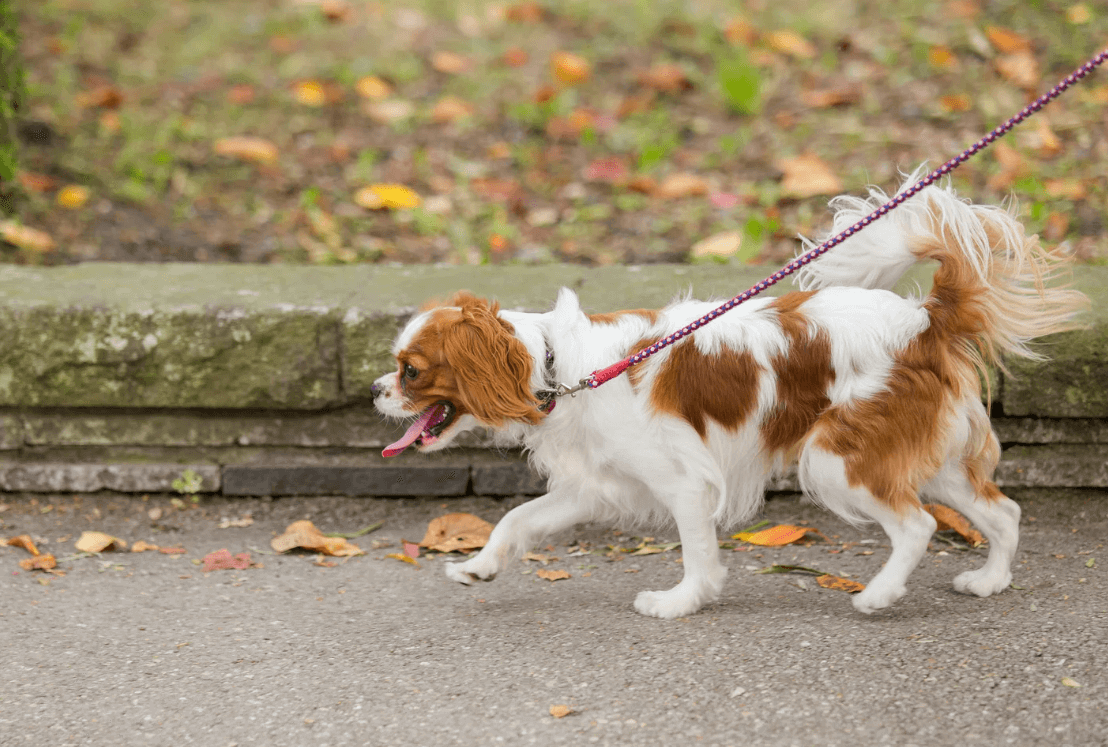
support dog health

4. Regular Walks Help Spot Health Changes Before They Become Problems

One practical but often overlooked benefit of daily walks is that they reveal changes in a dog’s physical condition much earlier than indoor routines do. When dogs move consistently—at a familiar pace and on familiar routes—even small deviations become noticeable.

During regular walks, early signs such as:

  • Slower movement or reduced stamina.
  • Mild stiffness at the start of a walk.
  • Hesitation on curbs or inclines.
  • Uneven gait or shortened strides.

can surface long before a health issue becomes obvious at home. These changes may be linked to joint stress, weight gain, muscle weakness, or early mobility concerns.

From a health perspective, this makes daily walking a form of preventive observation, not just exercise. Consistent movement keeps muscles engaged and joints lubricated, while also creating a baseline for what “normal” looks like for each dog. When that baseline shifts, it’s easier to take timely action, whether that means adjusting activity levels, reviewing diet, or seeking veterinary advice.

To Sum It All Up!

Daily walks are one of the simplest, most effective ways to support dog health. They promote physical fitness, mental stimulation, behavioral balance, and emotional wellbeing—all without specialized equipment or complex routines.

Whether handled personally or supported through dog walking services, consistent walks help dogs live healthier, calmer, and more fulfilled lives. In many cases, the difference between a restless dog and a content one isn’t a new toy or training technique—it’s the simple habit of stepping outside, together, every single day.

Low-Fat Dog Treat Ideas Every Pet Parent Should Know

0 · Aug 29, 2025 · Leave a Comment

As a mom, I know how easy it is to spoil every member of the family, including the four-legged ones. In our home, treats are more than just rewards. They’re little moments of joy. But when I started looking more closely at what we were feeding our dog, I realized many popular treats were packed with unnecessary fat and calories. That sent me on a mission to find better, healthier options that still make tails wag.

If you’re also trying to balance love with health when it comes to your pup, keep reading. I’m sharing a few low-fat dog treats that have worked well in our home and might be perfect for yours too.

Why Watch the Fat Content in Treats?

Fat isn’t always the enemy, but too much of it can be. Dogs need some of it for energy, a shiny coat, and proper nutrient absorption. The trouble starts when chews and snacks tip past healthy limits. High-fat treats quickly add calories that a dog doesn’t burn off, leading to weight gain and joint strain. Over time, this can reduce mobility and lower the quality of life.

Dog chewing on a bone

The risks go beyond the scale. Fatty treats have been linked to pancreatitis, a painful condition that can become dangerous if not managed. Smaller breeds and puppies are especially at risk because even small amounts of excess weight put extra stress on developing bones and organs.

And then there’s digestibility. Chews like rawhide and pig ears aren’t just high in fat, but they’re also tough for the stomach to process. They can splinter, swell, and cause blockages, turning treat time into a health scare.

Low-Fat Substitutes That Still Satisfy

Low-fat substitutes come in many forms, from single-ingredient animal treats to crunchy produce and homemade recipes. Here are some of the best categories to explore:

Natural Single-Ingredient Treats

Single-ingredient treats are among the cleanest and leanest snacks you can give your pup. Because they’re made from just one natural source and prepared by slow baking or air drying, they retain flavor without the need for additives or extra fat. That makes them easier to digest, lighter in calories, and far safer than processed snacks that rely on fillers and grease.

A favorite of many pet parents in this category is the cow ears. Naturally low in fat and rich in protein, these treats provide lasting chewing satisfaction without piling on unnecessary calories. Even better? Some trusted companies, like Bully Bunches, even offer the cow ear for dogs online that are ethically sourced from free-range cattle. That means healthier chews delivered right to your door without any guesswork.

Other lean choices include beef tendons, esophagus strips, and dehydrated fish skins. Each provides texture, flavor, and the chewing satisfaction pups crave, without the greasy residue or heavy calories.

Man and dog on dock by lake

Fruits and Veggie Options

Fresh produce isn’t just for people. Many dogs enjoy the natural sweetness and crunch of fruits and vegetables. Carrot sticks, for instance, are low in calories and high in fiber. Freeze a peeled one for a longer‑lasting chew that helps soothe teething gums. Cucumbers provide hydration and crunch without sugar; cut them into sticks or small chunks depending on your furry friend’s size.

Sweet potato treats are also a popular homemade option. Slice into thin strips, bake at a low temperature until leathery, and store in an airtight container. Pumpkin pieces can also be dehydrated for a chewy treat rich in beta‑carotene. Always introduce new fruits and veggies gradually and avoid dog-toxic options like grapes, onions, and avocado.

Seafood-Based Treats

Fish is a lean protein by nature, so it’s a great choice for low-fat treats. It packs more punch and taste compared to some of the red meats that have additional calories. It’s a perfect idea for dogs who need to maintain weight in check while still having treats.

Person holding chopsticks in front of a dog

Plus, not only is seafood low in fat, but it’s also healthy in other ways. Fish contains omega-3 fatty acids that promote a shiny coat, prevent inflammation, and keep joints healthy. That means fish-based treats are a two-fer: a treat your dog enjoys and a nutritional supplement.

Some of the best ones include cod jerky, strips of dried salmon, or sardines. They are crispy, airy, and rich in natural taste. Just be sure to offer them gradually, as the taste and texture would be unfamiliar to some pups.

Closing Thoughts

Treat time should be a happy moment for your pup and for you. By switching to lower-fat options, you’re not just cutting calories. You’re giving your dog a better chance at long-term health. Whether it’s a crunchy carrot, a chewy cow ear, or a fish-based snack full of good fats, there are plenty of wholesome ways to show your love.

As someone who balances mom life, crafting, and travel with caring for our dog, I’ve learned that small changes like this can really matter. If you’re building a healthy daily rhythm for your pet, you might also enjoy our family dog wellness routine. Here’s to healthy treats that keep tails wagging and hearts happy.

Raising Responsible Kids: How to Include Children in the Family Dog’s Wellness Routine

0 · Aug 18, 2025 · Leave a Comment

As a mom, I’ve learned that raising responsible kids isn’t about long lectures or endless reminders—it’s about showing them how responsibility looks and feels in real life. One of the sweetest (and sometimes messiest!) ways to teach that lesson is by letting children play an active role in caring for the family dog.

From filling water bowls to brushing out tangles in a furry coat, kids quickly see how their small efforts make a big difference. It’s the same feeling they get when finishing a craft project or helping with family travel plans—hands-on experiences that build confidence and pride. And the best part? Caring for a pet is a daily opportunity to teach life skills that stick.

Start with the Small Stuff

If you’ve been doing 100% of the dog care yourself, it probably feels it’s quicker to just keep it that way (and practically speaking, it is). But to start, hand over some of the small, daily jobs to your kiddo.

Source: Pexels

For example, if you have a six-year-old, teach them how to refill the water bowl (and why fresh water is important) and scoop the right amount of kibble. A ten-year-old can be taught how to brush the dog, and even help you with tracking when it’s time for flea prevention (don’t forget to teach them why fleas are dangerous for the dog and humans, too).

You’ll notice we suggested a few easy but nevertheless important tasks. The latter is the essential piece of the puzzle: things they do should actually be useful, not “pretend” jobs that you’ll redo later. Kids can tell when they’re tasked with important duties vs pretend ones. Maybe not immediately, but they catch up fast.

So, explanations matter. Instead of “Give the dog food,” say, “Dogs need the right amount every day, just like us. Too much or too little and they can get sick.” Likewise, explain why homemade treats can be better than store-bought for the dog’s health.

Make Nutrition a Teachable Moment

Most kids love learning that pets have some of the same needs we do. Show them the dog’s food, explain what’s in it, and why you chose it. If you use supplements, let them see that part too. For example, Honest Paws natural probiotic for dogs is something you can tie directly to their own experience: “Just like yogurt helps our tummy/digestion (depending on your kid’s age), probiotics help keep a dog’s gut healthy.”

Basically, you link action to a benefit. Once a kid makes that connection for themselves, they’re more likely to remember it and take ownership.

Exercise Works Both Ways

Another task you can hand to your child is walking. Dogs need them regularly, and frankly, most kids could use more physical activity, too.

Young girl with a dog on hay bale

So, let your child take the leash sometimes. However, do this only if they’re big enough to manage it safely. If they’re under 12, walk with them, if they’re older and you have a small breed, consider letting them go alone on a short, familiar route. It will be good for the kid and the dog.

Show Them How to Spot Changes

Vet visits are important, but they’re just a piece of the wellness puzzle. You also want to teach your child to notice the small stuff: Is the coat shiny or dull? Are there any unusual lumps? Is the dog suddenly tired more often? These are early signs that something might be wrong. Kids often enjoy the “detective” element here.

The earlier they learn that health is something you keep an eye on, the more natural it’ll be for them to do the same for themselves later.

Be the Example

We mentioned that words alone rarely work on children, but actions almost always do. This is why you should also show them how to be responsible through your own actions.

If you treat the dog’s care as important (measuring food instead of eyeballing it, choosing quality over whatever’s cheapest, brushing them regularly, etc.) they’ll notice. You can even draw parallels: “We eat well so our bodies stay strong. We give the dog good food and supplements for the same reason.”

Still, go into it with realistic expectations. Be optimistic but also forgiving. Your child will sometimes forget, other times rush through the job or skip it entirely. Correct it, but don’t make it a shame-fest.

Remember, positive reinforcement is key so acknowledge the times they do it well and simply explain what they didn’t do right. Over time, the consistency of doing it (and the satisfaction of seeing the dog happy and healthy) will be its own motivator.

Conclusion

At the end of the day, raising responsible kids is about giving them real opportunities to contribute in meaningful ways. When they see their dog’s happy tail wags, shiny coat, or boundless energy thanks to their care, they realize that their efforts matter.

It won’t always be perfect, sometimes they’ll forget, or rush, or need reminders but every walk, meal, and wellness check builds their sense of independence. Just like the little moments we cherish while crafting together or exploring new places as a family, these small routines add up. Over time, they not only help raise a happy, healthy pup, but also children who grow up proud of their ability to care, contribute, and take responsibility.

Common Dog Health Issues Every Family Should Know (And How Insurance Can Help!)

1 · Apr 2, 2025 · Leave a Comment

If your home is anything like ours, your dog isn’t just a pet—they’re part of the family. Whether they’re chasing the kids around the backyard, snuggling during movie night, or greeting you with the happiest tail wags after a long day, dogs bring so much love into our lives. But just like any family member, they can face health problems that catch us off guard. That’s why understanding common dog health issues—and how pet insurance can help—is such an important part of caring for our furry companions.

Let’s walk through five of the most common dog health issues that families face and explore how the right pet insurance plan can give you peace of mind (and protect your budget) when your pup needs medical care.

5 Common Dog Health Issues

1. Ear Infections: A Common Issue in Floppy-Eared Pups

If your dog is constantly scratching their ears or shaking their head, an ear infection could be the culprit. Breeds like Golden Retrievers, Cocker Spaniels, and Basset Hounds are especially prone to them.

How pet insurance helps: Vet visits, diagnostic tests like ear swabs, and treatments such as antibiotics or ear drops are often covered. If things escalate and your pup needs surgery, a more comprehensive plan can take the edge off those bigger bills.

2. Gastrointestinal Troubles: When Curiosity Gets the Best of Them

Dogs explore the world with their mouths—which sometimes leads to tummy trouble. Vomiting, diarrhea, or even more serious issues like pancreatitis can result from eating the wrong thing (hello, mystery object from the yard!).

How pet insurance helps: From bloodwork and X-rays to surgery for foreign object removal, a good insurance plan helps cover those unexpected vet expenses so you can focus on helping your pup feel better.

Common Dog Health Issue

3. Skin Allergies and Itchy Paws

Itchy skin, hair loss, and red spots are more than just annoyances—they could point to dog health issues like allergies. Whether it’s pollen, food, or dust mites, skin allergies can become chronic and uncomfortable for your dog.

How pet insurance helps: Allergy testing, medications, and even immunotherapy can be pricey. Pet insurance may cover ongoing care, helping you manage your pup’s symptoms without breaking the bank. Of course, focusing on your dog’s overall wellness is just as important as being prepared for the unexpected. Sometimes, a healthy diet and targeted supplements can make all the difference in managing skin and joint health. To learn more about products that can help, visit: https://puplabs.com/

4. Arthritis and Joint Aches: Especially in Bigger or Older Dogs

Our older dogs (and even some young, energetic ones) can experience joint issues like arthritis or hip dysplasia. Watching your best friend slow down or struggle with movement is heartbreaking.

How pet insurance helps: Treatments like physical therapy, pain meds, and sometimes even surgeries are covered by many policies. Some plans also include alternative therapies like acupuncture or hydrotherapy—which might be exactly what your dog needs.

5. Cancer: A Tough Diagnosis, But There’s Help

One of the more serious dog health issues families might face is cancer. From mast cell tumors to bone cancer, this diagnosis is always scary—but early detection and treatment can make a difference.

How pet insurance helps: Surgery, chemotherapy, radiation, and specialist care are all expensive, but many comprehensive pet insurance plans include coverage for these treatments. That means you can focus on supporting your dog without constantly worrying about cost.

Choosing the Right Insurance for Your Pup

Just like with human healthcare, not all pet insurance policies are created equal. If you’re looking into it, here are some things to consider when choosing an insurance for dogs:

  • Chronic condition coverage: Look for plans that include long-term issues like arthritis or allergies.

  • Reimbursement rates: Understand what percentage you’ll get back after paying a vet bill.

  • Coverage limits: Check the yearly or lifetime payout caps.

  • Waiting periods: Don’t wait until your dog gets sick to sign up—coverage usually doesn’t start right away.

  • Pre-existing conditions: These are often excluded, so it’s best to insure your pup while they’re still healthy.

Common Dog Health Issues

Protecting Your Pup From Common Dog Health Issues

Caring for a dog means loving them through all of life’s ups and downs—including dog health issues. While we can’t predict every bump in the road, we can plan for them. Pet insurance gives families a safety net so we can focus on what really matters—keeping our furry companions healthy, happy, and part of our adventures for as long as possible.

If you’ve been on the fence, now might be the perfect time to look into pet insurance options that work for your budget and your dog’s needs. Because when you treat your dog like family (and we know you do), their health is worth it.

Primary Sidebar

Heather from Whipperberry
Hello... my name is Heather and I'm the creator of WhipperBerry a creative lifestyle blog packed full of great recipes and creative ideas for your home and family. I find I am happiest when I'm living a creative life and I love to share what I've been up to along the way... Come explore, my hope is that you'll leave inspired!

Footer

  • Privacy Policy
  • Crafts
  • Food
  • Gifts
  • Holidays
  • Home
  • Mom Life
  • Recipes
  • Travel

Copyright © 2026 · Seasoned Pro