Working out at home is a practical solution for busy moms. Between school runs, chores, and everything else on your plate, finding time for the gym can feel out of reach. Having a small space at home to exercise means no need for childcare or commuting. But squeezing in a workout without a clear plan or proper gear can lead to slow progress and unwanted aches.
To build strength safely and make your time count, you need the right setup. These four essentials help you stay consistent, protect your joints, and build real upper body strength without leaving the house.
Why Upper Body Workout Needs Structure?
Random movement slows progress. Muscles respond best to repeated patterns and a gradual increase. Without structure, the body adapts unevenly. Some muscle groups grow faster, while others fall behind. This imbalance increases strain and limits visible results.
A planned approach improves control. Reps become cleaner. Joints stay aligned. Movement feels more stable. Progress also becomes easier to track over the course of weeks. When patterns repeat with purpose, strength builds without confusion. Structure creates rhythm. Rhythm supports safety and steady improvement over time.
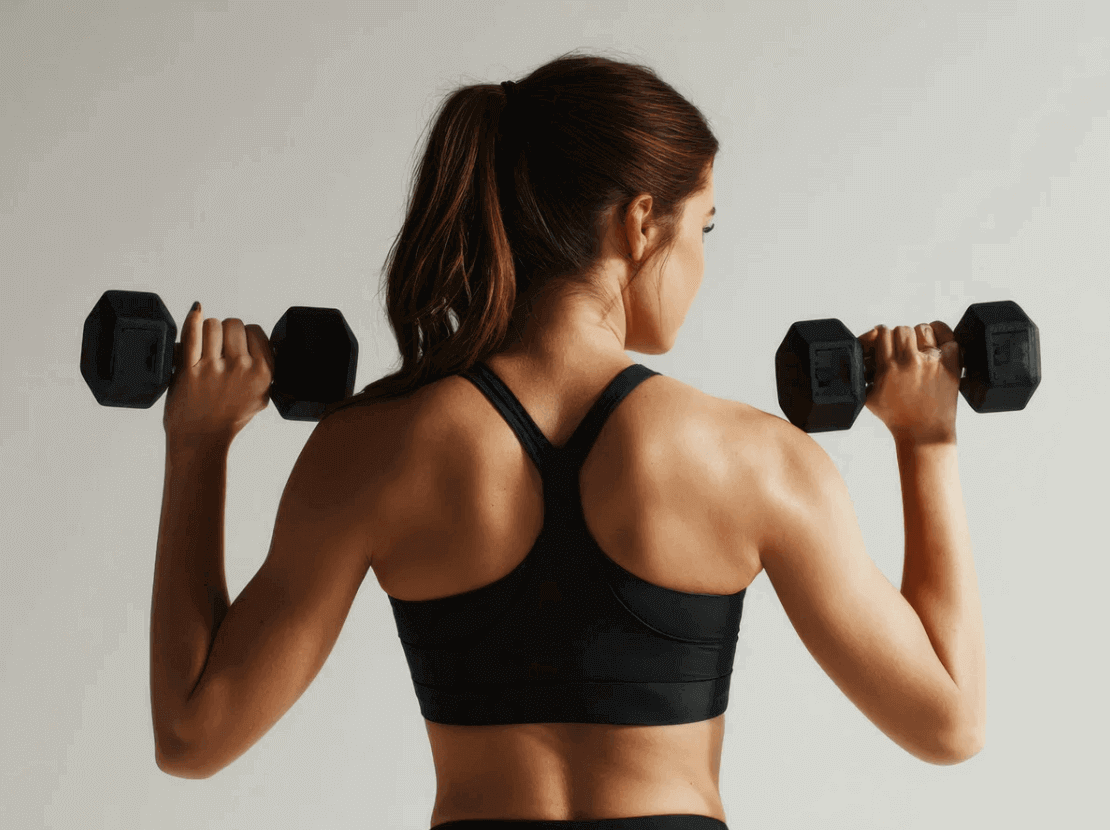
4 Core Equipment for Upper Body Strength
Once the structure is in place, results depend on the tools that support each movement pattern. The right essentials improve control, protect joints, and help maintain steady strength gains without overloading the body.
Adjustable Resistance for Arm Strength
Progress in arm training depends on how well resistance is managed. Fixed weight limits result once the body adapts. Sudden jumps in load raise the risk of strain. Adjustable resistance removes both problems. It allows smooth increases over time. It also keeps tension focused on the working muscles instead of the joints. This makes a significant difference in long-term safety and steady development.
For example, adjustable dumbbells are among the most practical tools for people who want to perform the best workouts for triceps and biceps in a small personal space. That is why many turn to resources, such as PowerBlock, where training guidance and equipment design work together to support controlled arm development. This approach improves extension power, supports elbow health, and helps maintain steady progress without unnecessary stress.
Stable Surface for Safe Pressing
Pressing movements play a major role in chest and shoulder development. Floor presses and supported angles require a steady base. Without stability, force leaks through poor balance. This weakens muscle engagement and raises the chance of joint discomfort. Over time, unstable pressing can also create uneven strength between sides. This imbalance may later affect posture and shoulder comfort.
A firm surface supports proper alignment. It keeps the spine steady. It also helps maintain shoulder position during each press. Controlled motion becomes easier. Effort remains directed toward the working muscles rather than toward stabilizing the body. Confidence also improves during heavier sets. With steady support below, strength output feels more natural and secure over time. This added control also helps reduce fatigue during longer sessions.
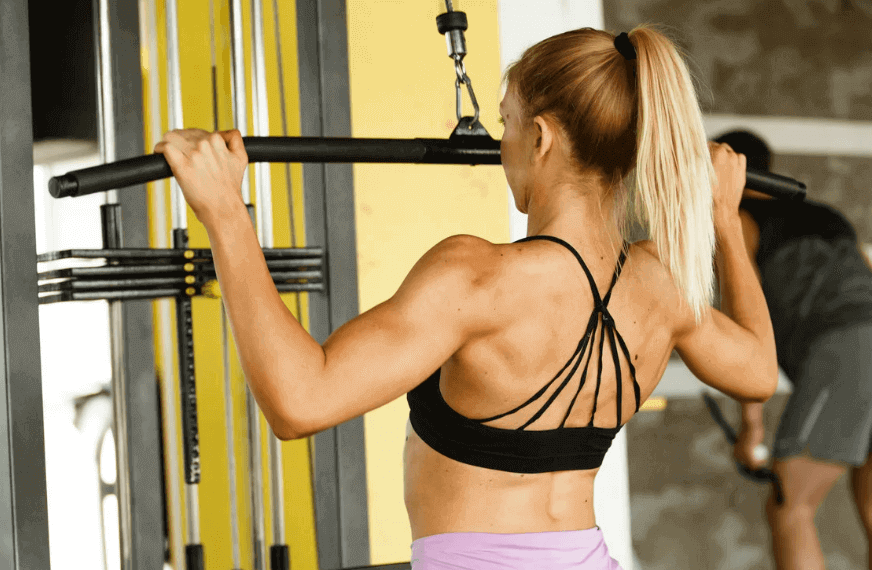
Pulling Support for Back Growth
Pull motions balance pressing work. Rows and controlled pulls protect posture. They also support shoulder health across daily movement. Without these patterns, many people develop tight front muscles and weak rear chains. This imbalance often leads to rounded shoulders and upper-back stiffness. Over time, this can affect breathing and neck comfort.
Proper pulling support allows smooth backward motion. It also improves control during slow returns. Back muscles respond well to this steady tension. Stability during pulls improves grip alignment and elbow tracking. Strong pull work supports full upper-region balance. It also lays a stronger foundation for advancing progress and injury control. Consistent pulling also improves overall upper-body coordination.
Grip Strength and Wrist Control
Grip limits many lifts earlier than expected. Weak hold strength reduces performance before larger muscle groups reach full effort. Wrist control also affects joint safety during repeated loaded movement. Poor grip often forces the body to compensate through the elbows or shoulders. This compensation raises long-term strain risk. Grip-focused tools strengthen hands and forearms.
This improves control during both pulls and presses. Tighter control allows better force transfer. It also protects smaller joints from uneven stress. Strong wrists improve alignment under pressure. This supports safer movement patterns through long training cycles and repeated tension. A better grip also builds confidence during heavier sets.
Final Thoughts
You don’t need a long upper body workout or fancy equipment to see results. What matters is having a clear plan and the right tools that work with your schedule and your body. With these essentials, you can train smarter, not harder. Supplements are optional, but if you prefer to skip the beta-alanine “tingles,” this guide to pre-workout without beta alanine explains how it works, what to look for, and how to support energy and focus without the itch. They help you feel stronger, move better, and stay active through all the demands of mom life. Whether you’re lifting during nap time or fitting in a quick session before dinner, consistency and the right support can keep you on track and feeling your best.