Key Takeaways
- Annual veterinary check-ups are fundamental for early health intervention.
- A balanced diet and ample hydration are cornerstones of wellness.
- Daily play and environmental enrichment stave off boredom and stress.
- Clean litter boxes and predictable routines can reduce anxiety and foster a sense of security.
Supporting your cat’s wellness requires a multifaceted approach that looks beyond the basics of food and shelter. True feline well-being lies in striking a balance between physical health, nutrition, mental stimulation, and emotional security.
Whether you’ve recently welcomed a new kitten or you’re seeking ways to improve an older cat’s quality of life, these strategies can create a nurturing environment for your feline companion.
If you’re considering enhancing your cat’s diet, nutrition supplements for cats can be a valuable addition to reinforce overall health and vitality.
Just like humans, cats thrive best when their physical, mental, and emotional needs are regularly met. A thoughtful routine and attention to detail can make a significant difference in longevity and happiness, helping you identify potential health issues before they become serious problems and reducing the risk of common feline illnesses.
Cats are observant and sensitive to changes in their surroundings. Consistency in your daily routine, along with proactive health care, helps your feline companion feel safe and cherished. Learn more about cat behavioral enrichment and how it reduces the risk of stress-related illness by visiting trusted sources such as the ASPCA’s feline care guide.
Regular Veterinary Check-Ups
Annual or biannual wellness exams are essential for the early detection of common feline health problems, including obesity, parasites, arthritis, renal disease, and dental issues.
Preventive care forms the foundation of a long and healthy life for your pet. During these visits, veterinarians offer valuable advice on diet, activity levels, and age-appropriate health screenings to keep your cat thriving.
According to PetMD, catching diseases in their beginning stage through regular wellness exams can dramatically improve outcomes for cats.
Balanced Nutrition and Hydration
A balanced diet tailored to your cat’s age, weight, and health status is key to avoiding nutritional deficiencies and preventing weight gain—one of the most prevalent health threats to indoor cats.
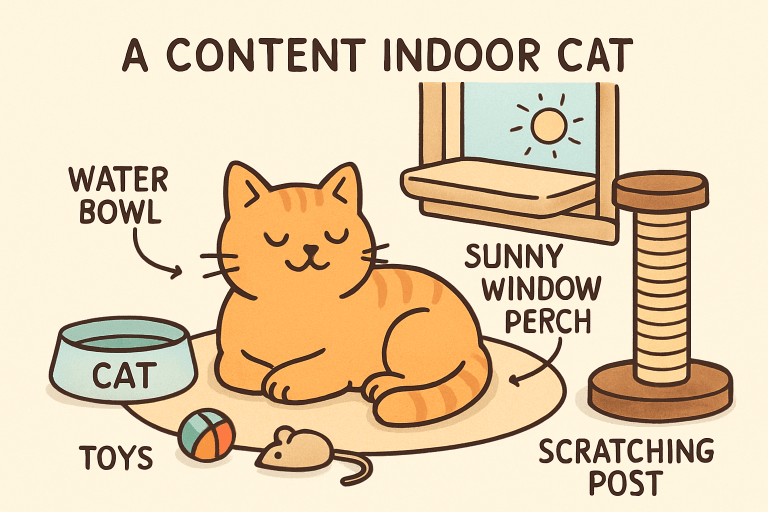
Ensure your cat always has access to fresh water, as they are prone to dehydration, which can have serious consequences for their kidneys and urinary system. If you are concerned about your cat’s diet, consult your veterinarian for advice on commercial foods, feeding schedules, and proper portion sizes.
Interactive Play and Environmental Enrichment
Mentally and physically stimulating activities mirror a cat’s natural hunting behaviors and can help ward off destructive tendencies caused by boredom. Daily play sessions using wand toys, puzzle feeders, or balls encourage healthy heart function and joint mobility.
Installing cat trees, interactive toys, scratching posts, and vertical shelves invites exploration and satisfies your cat’s innate curiosity and climbing instincts. The PAWS guides offer safe and engaging toys and games for all ages.
Maintaining a Clean Litter Box
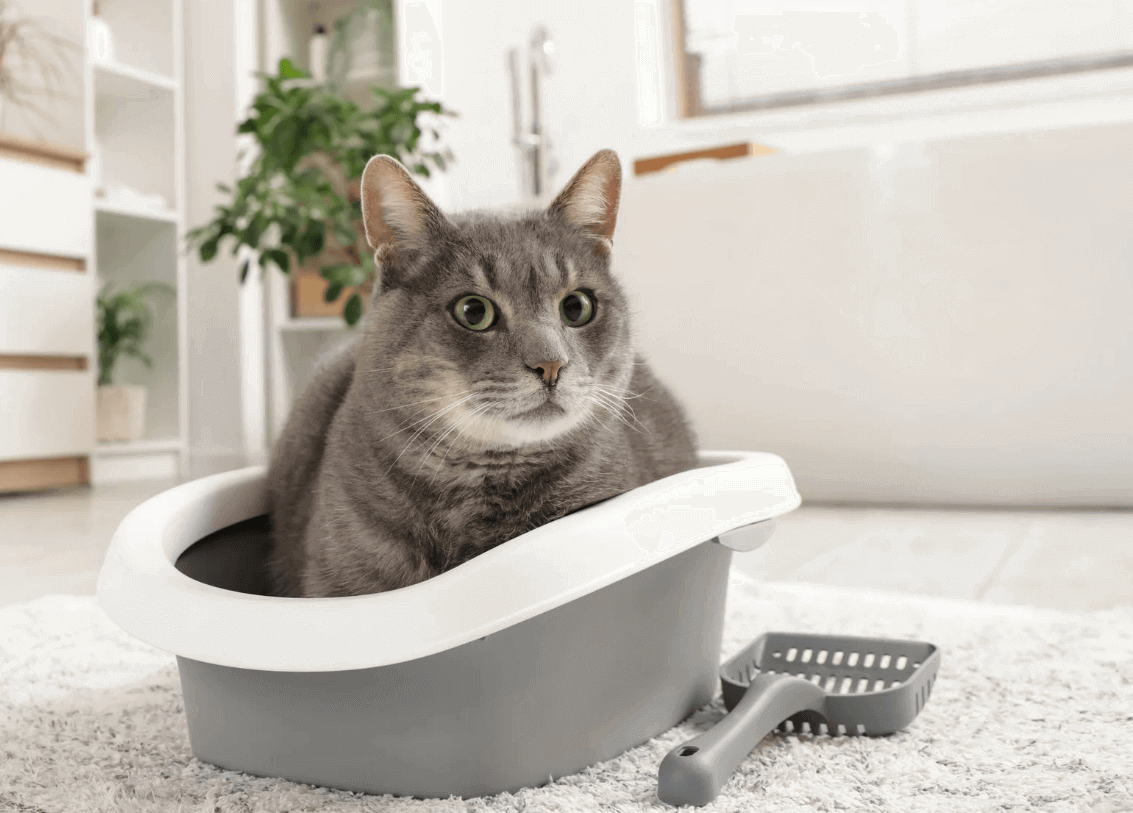
Good litter box hygiene is critical not only to comfort but to prevent urinary tract problems. Scoop the box at least once a day and replace the litter regularly to minimize unpleasant odors and bacterial buildup.
The box should be spacious and situated in a quiet location, away from noisy appliances or heavy foot traffic. Multi-cat households require an extra box for each additional cat to reduce territorial disputes and ensure all cats can use their trays without anxiety.
Consistent Routines
Cats are creatures of habit. Predictable meal times, scheduled play, and established quiet periods create a sense of stability and safety that relieves anxiety. Once routines are set, avoid frequent changes to your cat’s feeding or sleeping areas so they always know what to expect from their environment.
Providing Safe Spaces
Create hideaways and quiet perches to allow your cat to observe their home from a secure vantage point or retreat when feeling overstimulated. Cat trees, window beds, or even a cozy box in a closet give your cat autonomy over their space while reducing stress. These safe zones play a crucial role in emotional well-being and are especially important in multi-pet households or busy homes.
Regular Grooming
Frequent brushing removes loose fur, helps distribute natural skin oils, and gives you the chance to notice any new lumps, bumps, or skin conditions early. For long-haired breeds or elderly cats with reduced self-grooming abilities, regular brushing helps prevent painful tangles and hairballs. Nail trimming and ear cleaning should also be included in your grooming routine to minimize health risks.
Monitoring Behavior Changes
Cats are masters at hiding pain and discomfort. Monitor your cat’s behavior closely. Changes in appetite, drinking habits, grooming, or litter box usage may signal underlying health concerns that require veterinary attention. Early intervention is key in addressing both medical and emotional issues, ensuring your cat stays happy and healthy for years to come.
Fostering your cat’s wellness at home doesn’t have to be complicated, but it requires attentiveness, compassion, and a proactive approach to their unique needs. With consistency in care and an enriched environment, your feline friend will flourish, offering endless affection and companionship in return.