Did you know that homes without regular upkeep can lose more than 10% of their value? I learned this the hard way after putting off a few “small” tasks that quickly turned into bigger issues.
The good news is that just a few hours of maintenance each season can increase your home’s value by about 1% every year. But for me, this isn’t only about protecting our investment. It’s about keeping my family safe and comfortable under our roof.
Regular home maintenance helps prevent those stressful, expensive repairs we never plan for. Having a simple household maintenance checklist makes everything feel more manageable, especially when life is already busy with kids, school schedules, and endless to-do lists.
Little things truly matter. Changing thermostat batteries once a year or checking carbon monoxide detectors every season can make a real difference. This is especially important during the colder months, when heating systems run more often and safety becomes even more critical.
In this post, I’m sharing an easy way to build a realistic home maintenance schedule, along with seasonal checklists that help keep your home running smoothly all year long. Because when your home feels safe and cared for, it brings a whole lot more peace of mind for everyone inside.
Plan Your Home Maintenance Schedule
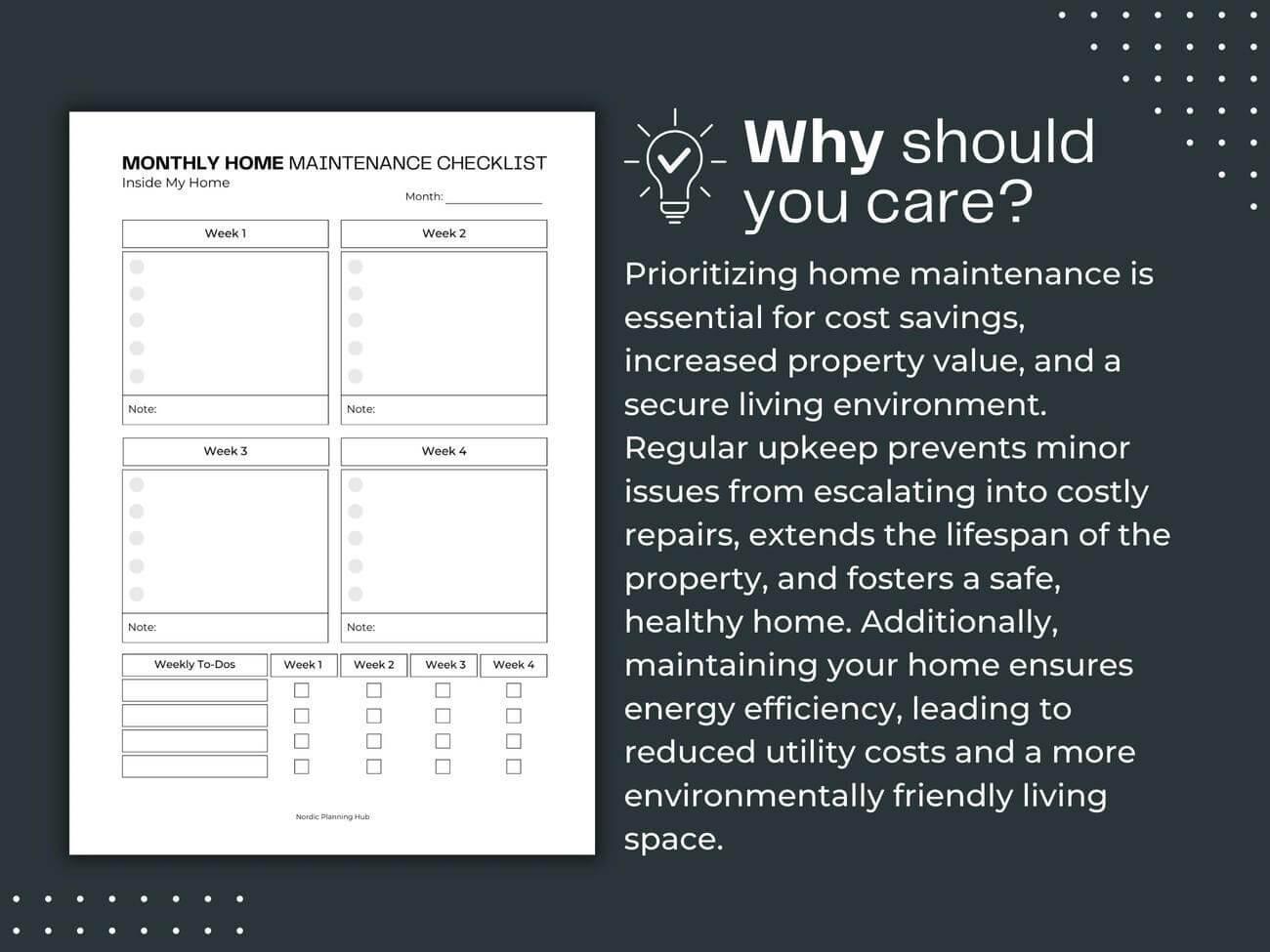
Image Source: Etsy
You need a well-laid-out system to maintain your property instead of just reacting to problems. I have learned that having a plan in place makes home care feel much less overwhelming, especially when I am juggling family routines and kids’ schedules. A proper home maintenance schedule helps me stay organized and prevents small issues from turning into stressful surprises.
Taking a proactive approach also saves time and money down the road. When everything is planned ahead, I can focus more on my kids and less on unexpected repairs, knowing our home is being cared for in a steady and thoughtful way.
Create a seasonal home care calendar
Home care becomes easier when you break down maintenance tasks by season. I like setting recurring calendar reminders for the first weekend of each season in March, June, September, and December. This regular approach helps you stay on top of important tasks. You’ll also save money on repairs by avoiding peak times when tradespeople are busy.
Digital tools or a simple printed checklist on your refrigerator can help track your home maintenance schedule. Some homeowners check critical systems like HVAC filters, plumbing, and appliances monthly, with detailed inspections every three months.
Track repairs and keep receipts
Start documenting all repairs and improvements as soon as you move in. Your records should show:
- The completion date
- The service provider
- The cost of repair or improvement
Good records serve many purposes. I have found they make the disclosure process easier when selling, help build trust with potential buyers, and give you documentation for taxes. There is another important reason as well. You will not have any backup if contractor work causes problems without proof of purchase.
Know when to hire professionals
DIY projects are popular now, and many home tasks can be handled without help. Jobs like painting and landscaping are DIY-friendly, but complex work such as roof replacement, siding installation, plumbing, and kitchen remodeling require professional expertise.
You should think about hiring professionals for tasks that are:
- Above your skill level
- Too time-consuming
- Risky
- Connected to critical home systems like HVAC or electrical
Some situations also require immediate professional support. Issues involving structural damage, smoke residue, or the need for fire damage cleanup should never be handled without trained specialists, as improper handling can create safety risks and long-term problems.
It’s worth mentioning that you should check credentials before hiring anyone. Ask for proof of licensing, insurance, and proper certifications, and get detailed written estimates before work starts. The final bill should only be paid after all work meets your satisfaction.
Spring and Summer Checklist
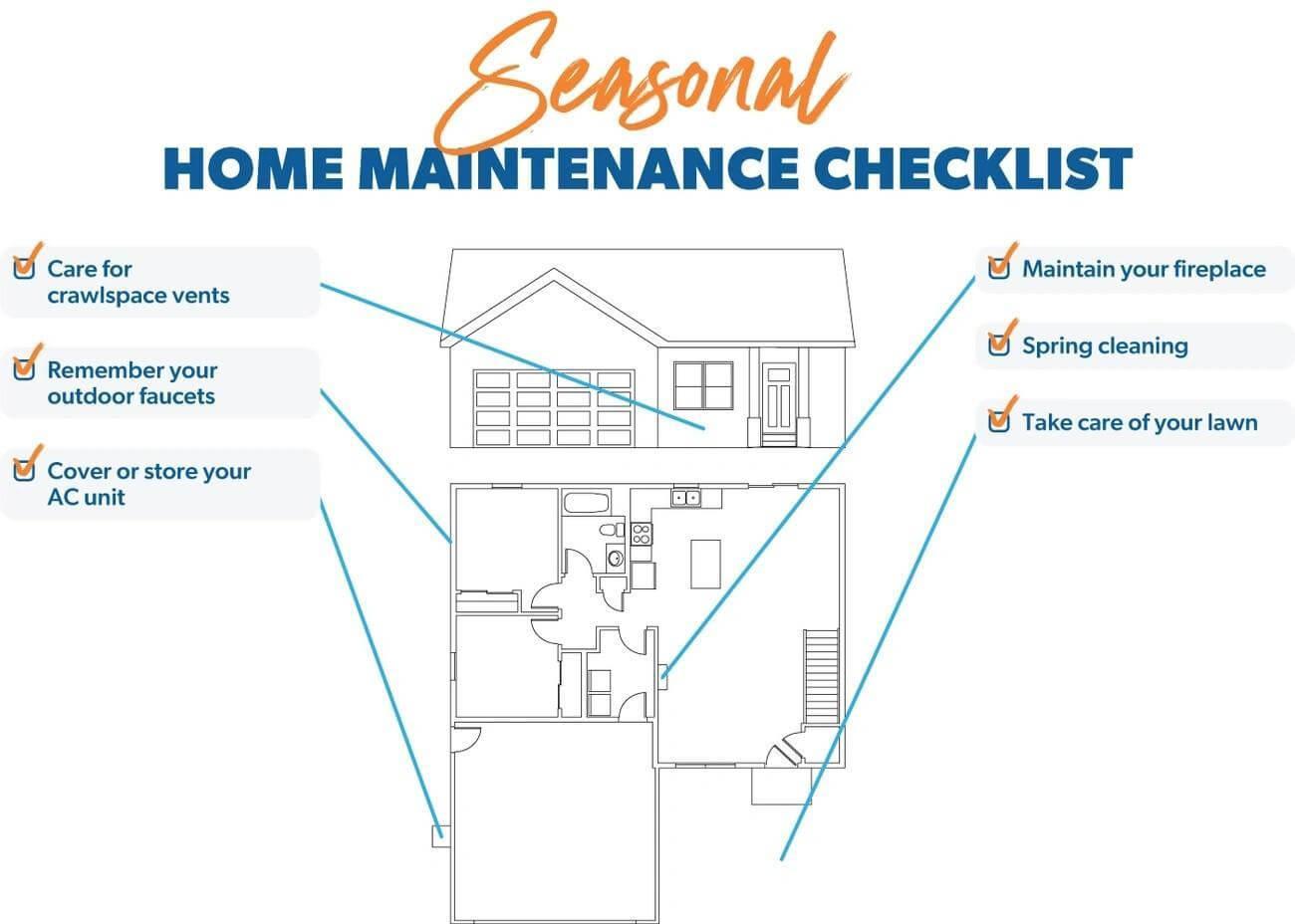
Image Source: Ramsey Solutions
Spring is my favorite time to walk around the house and see what winter may have left behind. After months of cold weather, it feels good to finally check for damage and start fresh. Taking care of these tasks early helps me feel more prepared for the warmer months ahead.
A full spring and summer home maintenance checklist gives me peace of mind knowing our home is ready for longer days, open windows, and more time spent outside. Staying ahead of small fixes now helps keep everything running smoothly when life gets busy again.
Inspect roof, siding, and foundation
Start by looking at your roof to find missing, damaged, or curling shingles that might cause leaks. Check your foundation for masonry cracks where water could get in. Your siding needs inspection for rotting, loose sections, or damage that needs fixing. You can use binoculars to safely check the roof from the ground. After big storms, look again for new damage – catching issues early helps avoid pricey repairs.

Clean windows, screens, and gutters
Now let’s focus on cleaning windows inside and out. This is usually a task I try to tackle on a calm day when the kids are busy playing or helping in small ways nearby. You can use a homemade solution made from one cup rubbing alcohol, one cup water, and a tablespoon of white wine vinegar.
Take out window screens and clean them with a soft brush and mild soap. Your gutters need a good cleaning to get rid of winter debris that could damage the foundation. Look for any leaks or damage to the gutter system from freeze-thaw cycles.
Service HVAC and test A/C units
Your cooling system needs preparation – change filters, check hose connections for leaks, and make sure drain pans work properly. Getting a professional tune-up before summer will help it run better. This is especially important in areas where summers can be intense, as higher temperatures put extra strain on your system. For example, homeowners in Michigan can schedule a preseason tune-up with trusted air conditioning services in Michigan to improve efficiency, lower energy costs, and address minor issues before they turn into major problems.
The seasonal maintenance should include checking electrical connections, relays, and capacitors. Your system needs proper refrigerant levels and leak testing to work right.
Prep garden and lawn for growth
When the soil thaws, rake your lawn to clear debris that could kill the grass. Set your sprinkler systems to give 1-1.5 inches of water each week during summer. You might want to use pre-emergent herbicides to stop weeds before they show up. Cut back damaged plants and take out any that didn’t make it through winter. If you have a garden pond, you can keep it healthy by removing fallen leaves, cleaning the filter, and checking water levels as temperatures rise.
Check plumbing and water heater
Your exposed pipes need checking for leaks and corrosion. Taking care of your water heater yearly helps it last 10-12 years. The tank needs draining and flushing to remove efficiency-reducing sediment. Make sure to test the pressure relief valve and look at the anode rod – replace it if it’s too corroded.
Fall and Winter Checklist
Fall and winter create special challenges for homeowners when temperatures drop and weather gets harsh. I always feel a stronger sense of responsibility during these colder months, knowing how important it is to keep our home warm and safe. A good home maintenance checklist helps prevent damage that can get pricey and brings peace of mind as temperatures continue to fall.
Service furnace and inspect chimney
Your annual furnace inspection and cleaning should happen before temperatures drop too low. Energy Star suggests yearly professional maintenance that will give a safe and efficient heating system. A professional should check noisy belts, poor performance, or unusual behavior that might indicate problems. A certified sweep should inspect and clean your chimney to check for creosote buildup that can cause dangerous fires. The inspection needs to cover the flue, venting system, and hidden areas to find cracks or blockages.
In colder regions, chimneys are especially vulnerable to issues like freeze-thaw damage, ice dams, moisture penetration, and masonry cracking. When more serious problems occur, it’s important to seek professional help. For example, homeowners in Michigan can rely on professional chimney repair services in Jackson for expert inspections, repairs, and guidance on proper maintenance to keep their chimneys safe and functional throughout the winter.
Seal gaps in windows and doors
Sealing drafty windows and doors is the quickest way to keep warm air in and cold air out. You can apply self-adhesive weatherstripping made of felt, vinyl, rubber, or silicone along window and door sides. Door sweeps work great for drafty door bottoms. Rope caulk is another solution – you just peel off 1/8-inch strips and press them into gaps. Foam backer rods are perfect for larger gaps, starting at 3/8 inch diameter.
Protect pipes and outdoor faucets
The first freeze means it’s time to drain and disconnect garden hoses. You should turn off interior shut-off valves that serve outside faucets, then open exterior taps to drain remaining water. Insulated covers on outdoor faucets add extra protection. This simple step stops pipes from freezing and bursting, which saves you from expensive repairs.
Stock emergency supplies and test alarms
Your emergency kit should include:
- Non-perishable food and water for at least three days
- Flashlights and extra batteries
- First aid supplies and medications
- Warm clothing and blankets
Monthly testing of smoke and carbon monoxide detectors is essential, and you should replace batteries at least once yearly. Carbon monoxide detectors need to be on every floor, especially near bedrooms.
Avoiding Common Maintenance Mistakes
Smart homeowners can still make maintenance mistakes that get pricey. These errors are easy to avoid if you pay attention and take proper care.
Don’t delay seasonal tasks
Putting off seasonal maintenance leads to bigger problems down the road. Small issues turn into major repairs when neglected. Your phone’s reminder system helps track important maintenance tasks—from furnace filter changes to fridge filter replacements. Most maintenance chores take just minutes to complete, so tackle them right away instead of waiting.
Use proper tools and techniques
The right equipment helps maintenance tasks get done safely and well. Complex work with electrical systems or roofing needs professional help to prevent accidents and give quality results.
Avoid ignoring small repairs
Little problems like dripping faucets or small cracks quickly grow into expensive headaches. Studies show homeowners save up to 35% on repair costs through regular maintenance. A small roof leak might seem minor but can lead to water damage, mold growth, and structural problems.
Keep vents and filters clean
Dirty HVAC filters make your system work harder, which wastes energy and shortens equipment life. Here’s what you need to do:
- Replace filters every 1-3 months
- Clean dryer vents annually to prevent fire hazards
- Maintain clean air ducts to improve indoor air quality
Conclusion
Keeping up with home maintenance does not have to feel overwhelming for me. When I focus on one season at a time, everything feels more manageable. A cared-for home gives me peace of mind and helps our days run more smoothly. It is comforting to know that the space where my family spends most of its time is safe, reliable, and well looked after.
I have learned that taking care of our home is also a form of self-care. When I stay ahead of small issues, I worry less and feel more confident handling whatever comes our way. A well-maintained home allows me to focus on family moments instead of unexpected problems that interrupt daily life.
For me, home maintenance is not about having everything perfect. It is about showing care through consistency. Every small step I take adds to the comfort and security of our home. Knowing I am doing what I can to protect my family brings a sense of calm that makes all the effort worthwhile.