• Skip to primary navigation
  • Skip to main content
  • Skip to primary sidebar
  • Skip to footer

Whipperberry

WhipperBerry • Your Home For Creative Inspiration

  • Home
  • Recipes
    • Starters
    • Easy Weeknight Dinners
    • Main Dish
    • Salads
    • Side Dish
    • Soups & Stews
    • Desserts
    • Breakfast
    • Miscellaneous
  • Tutorials
    • Creative Crafts
    • DIY Decor
    • Fabric Crafts
    • Food How-To
    • Jewlery
    • Paint Projects
    • Paper Art
    • Party Styling
    • Photography and Graphic Design
    • Silhouette
  • Holidays
    • Easter
    • Mother’s Day
    • Father’s Day
    • 4th of July
    • Halloween
    • Thanksgiving
    • Christmas
    • Valentine’s Day
  • Gift Ideas
    • Gifts For Everyone
    • Gifts for Dad
    • Mother’s day
    • For The Girls
    • For The Kids
    • Teacher Gift Ideas
    • Christmas
  • Printables
    • Holiday
    • Gift Idea
    • LDS Primary
  • Travel
  • About
    • Terms
  • Contact
  • Nav Social Menu

    • Facebook
    • Instagram
    • Pinterest
    • RSS
    • Twitter

interior design

The Cozy-Modern Aesthetic That’s Taking Over Family Homes This Winter

2 · Jan 14, 2026 · Leave a Comment

Countless family homes throughout the country are currently embracing a whole new design direction this winter. It’s one that feels welcoming, warm and effortlessly pulled together—all while not sacrificing practicality.

We’re talking about the new cozy-modern look that blends contemporary simplicity and clean lines with warm tones, soft textures and lived-in comfort. This home aesthetic is far less about creating picture-perfect rooms, and it’s more about developing spaces that will actually support your life on a daily basis.

We understand how the cozy-modern approach is particularly appealing for busy families that need their homes to feel both stylish and calm, so check out the below sections to learn more about how you can improve your home’s look amid the constant movement of your family’s busy schedule!
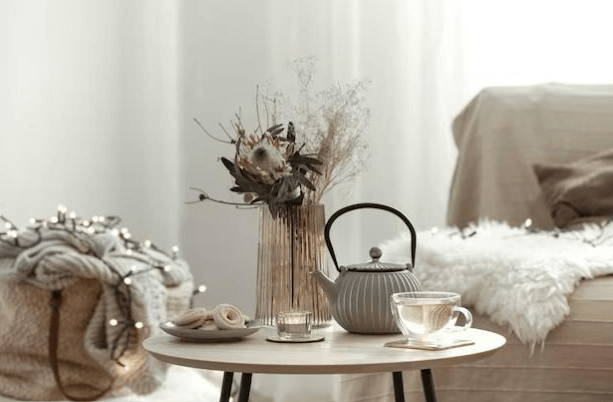
Cozy-Modern Aesthetic

What Exactly Is A Cozy-Modern Style?

At the core of this décor movement, a cozy-modern home design is all about striking a perfect balance.

With this approach, you’ll blend the streamlining nature of modern décor with layered details and softened materials. A common example of this would be warming up neutral color palettes with soft taupes, creamy whites, warm wood tones and muted greens.

Although furniture mainly leans in the simplistic direction for this trend, it’s key to maintain comfort as well. Plush armchairs, deep sofas and rounded edges will all help to make your room feel less rigid and more relaxed.

Intentional, cozy-modern décor isn’t excessive—because it’s simply adding functional and warm pieces cohesively together.

Why Today’s Families Are Drawn To The Cozy-Modern Look

The cozy-modern home aesthetic tends to work perfectly for family homes due to it being both forgiving and flexible.

You’ll be able to allow your rooms to naturally evolve with your changing needs, all while still maintaining décor cohesiveness. So, instead of strict design rules, this concept emphasizes durability, ease and comfort.

The cozy-modern approach also embraces imperfection. Subtle material variations, natural textures, and all sorts of layered finishes help make homes feel less fragile and more lived-in. For families, this means far less stress about ensuring perfection and much more focus on creating feel good spaces.

Allowing Texture To Do The Heavy Lifting

Texture also plays a significant role in today’s cozy-modern interiors. Because color palettes tend to be slightly restrained within this concept, many families will evoke visual interest through layering different materials together.

This can include woven baskets, soft throws, upholstered furniture and wood accents that all combine together to add depth—without being too overwhelming.

Even more practical décor elements like seating or storage bins are typically chosen for tactile appeal, and this increased emphasis on texture goes a long way to make rooms feel inviting and warm.

Runner Rugs Have Become An Essential Cozy-Modern Element

Another overlooked yet impactful element within cozy-modern designs is the use of runner rugs throughout a home. Although browsing affordable runner rugs online has never been easier, finding the right runners for your family home can sometimes be tough when factoring in things like foot traffic, softness and warmth.

Kitchens, hallways, laundry rooms and entryways can all benefit from runner rugs that connect spaces together visually and also make them more comfortable. In cozy-modern homes, runner rugs typically feature muted tones, subtle patterns, and natural textures that help complement the rest of the space’s palette.

But beyond style, runner rugs also do a wonderful job of protecting floors, reducing noises, and creating a flowing sense throughout a family home. This type of combination of functionality and form is precisely what cozy-modern living is all about—because it evokes beauty that works subtly behind the scenes.

Furniture That’s Less Rigid & More Relaxed

Today’s cozy-modern homes typically favor furniture setups that are very inviting. This means that chairs are cushioned, sofas are deeper, and pieces often include soft curves—as opposed to sharp angles.

But what’s important to keep in mind here is that you don’t necessarily have to sacrifice a modern look by also incorporating some coziness into your furniture strategy. Clean lines are typically still present within this style, but what’s different is that they’re often paired with thoughtful proportions and comfortable fabrics.

For those looking to achieve this balance in their dining spaces, Knox Deco’s sturdy, premium rustic table base offers an ideal foundation that combines the warmth of rustic materials with sleek, contemporary design.

And the results are spaces that feel beautifully contemporary, and also not too cold!

Setting The Cozy-Modern Mood With Lighting

Lighting undoubtedly plays a massive role in terms of developing a cozy-modern atmosphere.

Instead of relying on overhead fixtures, many families are now layering their lighting strategies throughout their properties. This often includes floor lamps, table lamps, and all sorts of wall sconces that help create a more flexible glow that’s adaptable based on different times of day.

Warm bulbs also enhance a home’s cozy feeling and make neutral spaces come off as more inviting, which is particularly important during evenings when families relax together.
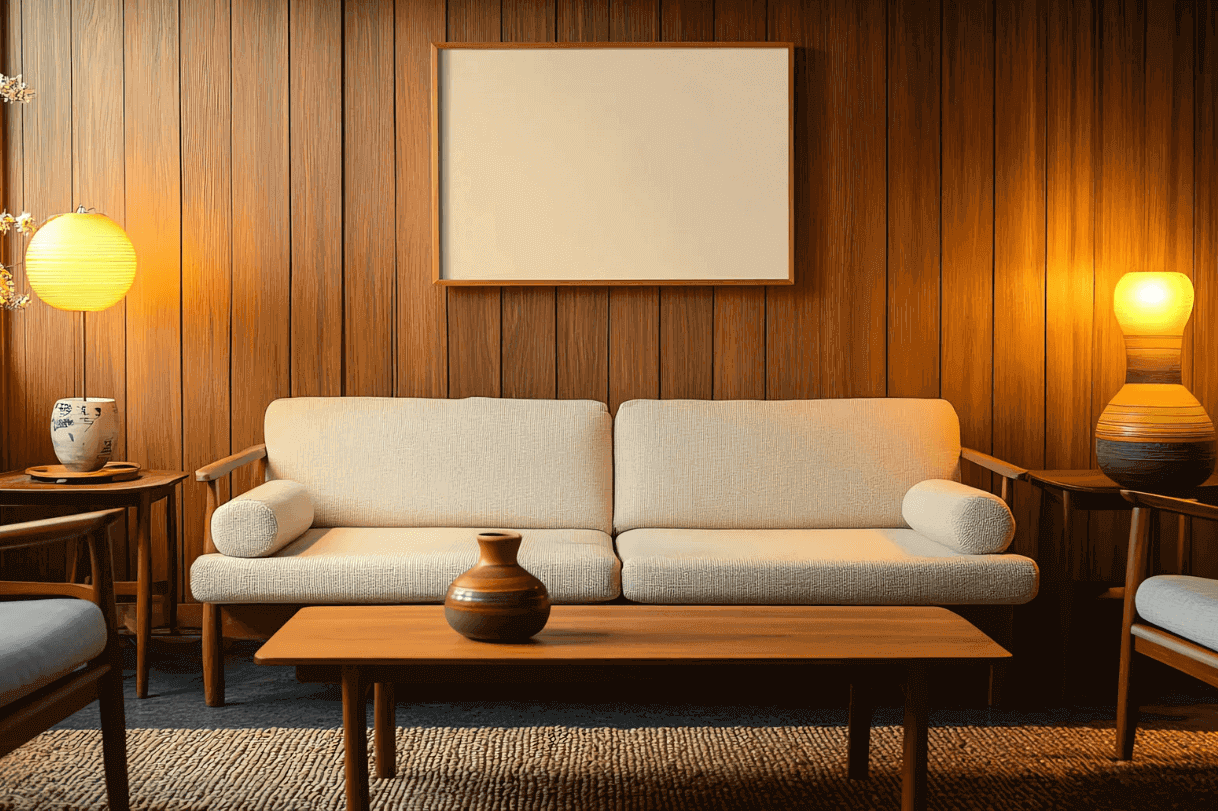
Cozy-Modern Interior

The Home Style That Grows With Your Family

By far one of the biggest appeals toward the cozy-modern home aesthetic is its longevity. This is far from a fleeting, trend-driven interior design concept that’ll be out of style within a matter of just a few years.

Instead, it’s a true foundation for many family homes that’s capable of evolving with changing tastes, growing kids and shifting needs.

By focusing on factors like warmth, comfort and thoughtful design, cozy-modern homes can feel practical, timeless and genuinely welcoming all year long!
The Art of Personalizing Your Home Without The Clutter

0 · Nov 19, 2025 · Leave a Comment

A home becomes truly special when it reflects the people who live there: who they are, how they move through life together, and what they value.

In a place like Portland, Oregon, where city life can be energetic and home is often a sanctuary, there’s real opportunity to design spaces that feel calm, connected, and filled with family memories.

By thoughtfully choosing the things that matter instead of filling every corner, you can let personality shine through without overwhelming your everyday living.

In this article, we explore how simple layers, meaningful accents, and practical editing help you make a home that invites your family in and welcomes all the things you love into your everyday routine.

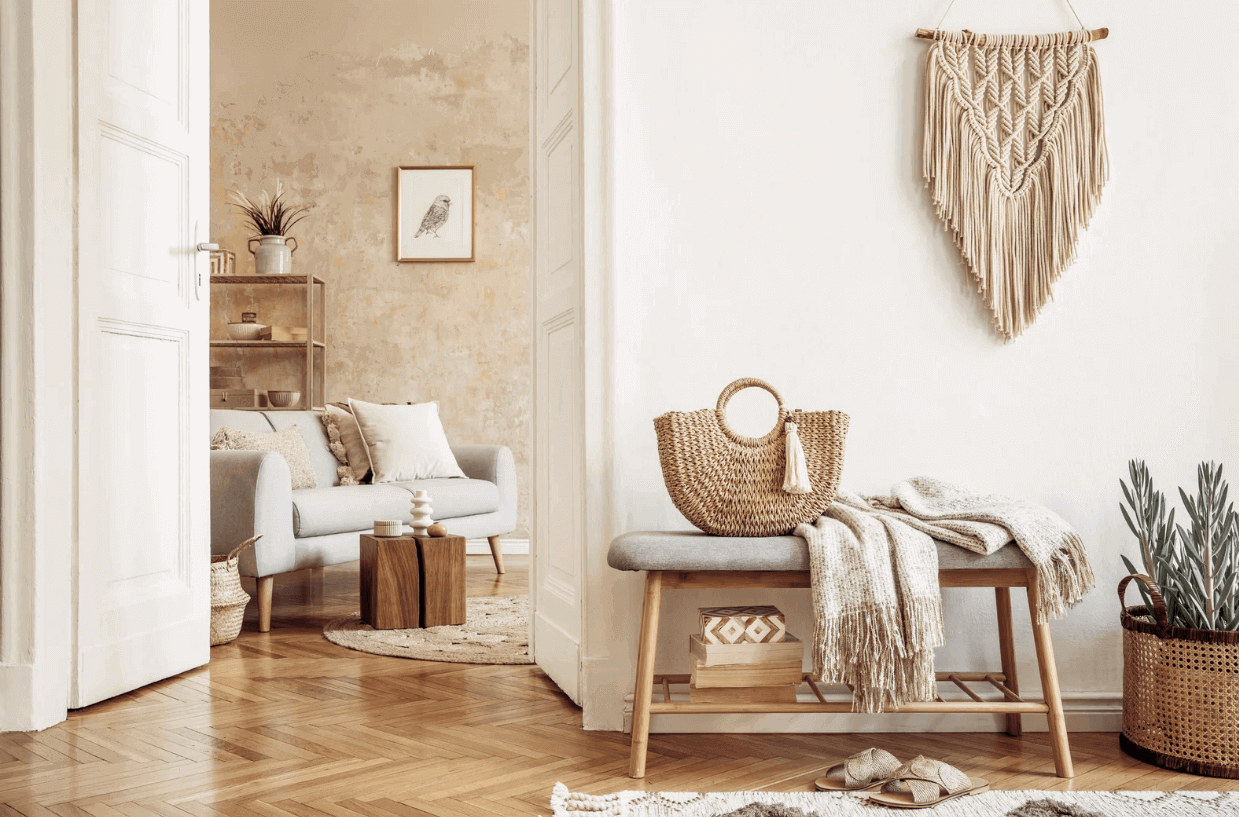
Personalizing Your Home

source

Bringing Gentle Character To The Bathroom

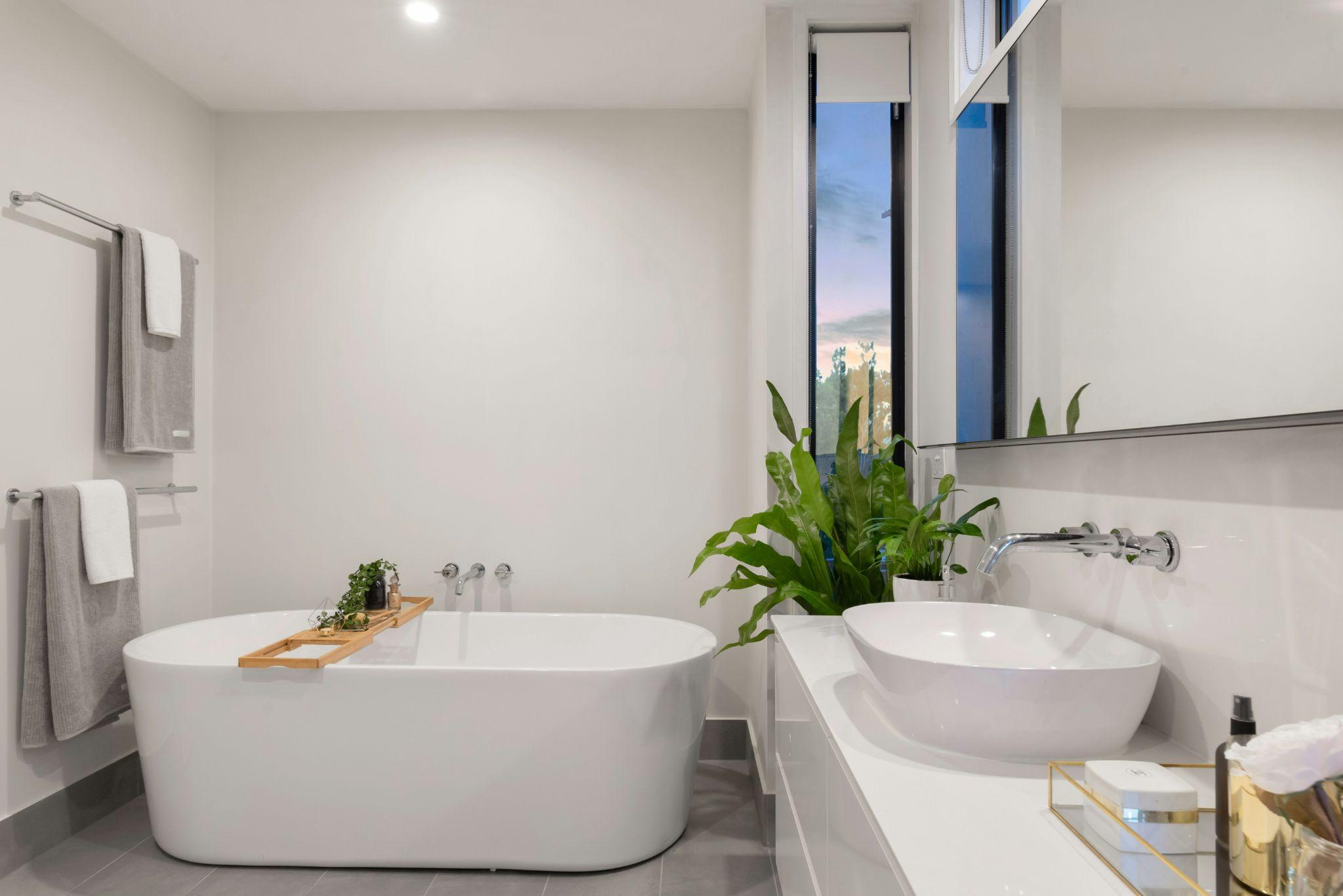
The bathroom is a practical space, yet it also has great potential for a quiet personality. Because it is often smaller than other rooms, every choice matters. Clean lines, soft colors, and uncluttered surfaces give the room a restful mood. From there, it only takes a few thoughtful details to make the space feel like your own.

Textiles such as towels and rugs can introduce subtle patterns or color without overwhelming the room. A simple mirror with an attractive frame, a small piece of art that can handle moisture, and a discreet storage solution can all add interest while keeping the space tidy.

If you feel unsure about where to begin, get in touch with Bath Center of Portland, a premier bathroom remodeling company, to discuss your ideas and explore how to bring them to life in a calm and organized way.

Scent and lighting also shape the mood. Warm, soft light and a fresh yet gentle fragrance keep the room feeling serene. By limiting yourself to a few coordinated choices, you avoid visual clutter and create a bathroom that feels personal, polished, and restful.

Choosing Accents With Intention

Personal accents are often what make a home feel alive. The key is to be selective rather than trying to display every meaningful object at once. Think about which items truly represent your story. These might be framed photos, a favorite vase, a small sculpture, or a handmade piece that carries memories.

Place these accents where they can be appreciated, not lost among many other objects. A single shelf, a side table, or the top of a console can act as a stage for a small group of carefully chosen items. Leave enough empty space around them so the eye can rest. This intentional approach gives your home personality without creating a sense of clutter.

Using Color To Support Calm

Color has a strong influence on how a room feels. When you want your home to feel personal yet not overwhelming, start with a calm base and then add your favorite shades in smaller touches. Walls, large furniture, and floors can stay in softer hues that support a sense of openness. Then you can introduce richer or brighter colors through pillows, art, throws, or decorative objects.

The goal is harmony rather than uniformity. Choose colors that relate to one another, either through shared undertones or a repeating accent. When a shade appears in several subtle ways, the room feels coordinated and thoughtful. By keeping the number of accent colors limited, you reduce visual noise and allow each tone to have a clear role.

Arranging Furniture For Flow

Furniture layout shapes both the look and function of a room. Even the most beautiful pieces can feel overwhelming if they block movement or crowd the space. Begin by thinking about how you use the room. Decide where you want conversation areas, reading corners, or work spots, then arrange furniture to support those activities.

Leave comfortable pathways between pieces so people can move without squeezing past anything. Keep some open floor space to give the room breathing room. Choose furniture that suits the scale of the room and avoid adding more seating or tables than you truly need. This careful arrangement lets your favorite pieces stand out while the room remains calm and usable.

personalised home

Displaying Personal Memories With Care

Many people treasure photos, souvenirs, and personal mementos, yet these can quickly overwhelm a room if displayed without structure. Instead of spreading them across every surface, gather them into focused displays. A small gallery wall or a single shelf devoted to personal memories can feel heartfelt and intentional.

Choose frames or display methods that relate to each other so the collection feels unified. Leave space between pieces so each one can be enjoyed. You can also rotate items through your display over time, allowing different memories to take a turn in the spotlight while others are safely stored.

Personalizing Your Home – Balancing Function and Personality

Your home is more than a collection of furniture and decor. It is a living space that supports your family, your stories, and your rhythms. A home that works well in daily life feels naturally more peaceful.

Think of functionality as the foundation and personalization as the finishing layer. When functionality is in place, your personal touches can shine. A well-placed lamp, a cozy chair by the window, or a basket by the door for essentials—these thoughtful details bring joy and ease.

With patience and intention, the small, meaningful choices you make build into a home that reflects who you are and how you live, while staying calm and welcoming. Each room can breathe with clarity, comfort, and gentle character, shaped by the people who call it home.

Design Tips for Small City Apartments

0 · May 20, 2025 · Leave a Comment

Living in a small city apartment often means balancing style with practicality. Whether you’re nestled in the heart of downtown or tucked away in a quieter borough, limited square footage doesn’t have to mean sacrificing comfort or personality. With a few smart design choices and a touch of creativity, even the tiniest spaces can feel like home – and more importantly, like your home.

Here are our top design tips for small city apartment to help you transform a compact space into a stylish, functional oasis that works for city living.

1. Make Friends With Vertical Space

When you don’t have a lot of floor space, walls become your best friend. Think beyond hanging art and consider vertical storage. Wall-mounted shelves, tall bookcases, and hanging planters can free up valuable space. Installing floating shelves above doorways or desks can also add storage without making the room feel cramped.

For an added touch, try coordinating your vertical storage with the room’s color scheme. Light-colored shelving can blend into the walls, helping the room feel larger.

Design Tips for City Apartments

2. Use Mirrors to Maximize Light and Illusion

Mirrors are a time-tested trick for making small spaces feel larger and brighter. Placing a large mirror opposite a window reflects natural light throughout the room. Even a collection of smaller mirrors in a gallery arrangement can create the illusion of depth.

Mirrored furniture, such as side tables or wardrobes, can bounce light around your space.

3. Go Multi-Functional With Furniture

In a small apartment, every piece of furniture should earn its place. Choose items that offer more than one function, like an ottoman that opens up for storage, a reading nook with shelves,  or a bed with built-in drawers underneath. Drop-leaf tables and extendable dining tables are perfect for hosting guests without sacrificing daily floor space.

Consider investing in a sofa bed for overnight visitors. It lets you offer hospitality without needing a dedicated guest room, which is ideal for city livers who want to make the most of their layout.

4. Define Zones in Open-Plan Layouts

Open-concept living is common in urban apartments, but defining zones within that layout helps avoid the feeling of a single, chaotic space. Use rugs, lighting, or furniture placement to visually separate areas like the living room, kitchen, and bedroom.

For example, a small sectional can divide the living area from the kitchen, while a low bookshelf can subtly mark off a workspace. This makes the space feel more organized and also helps with functionality and flow.

5. Stick to a Cohesive Color Palette

Color can make or break a small space. While it’s tempting to go bold, large doses of dark or contrasting colors can actually overwhelm a small area. Stick to a consistent, light color palette to keep things airy and spacious. Think whites, soft greys, and pale neutrals with the occasional accent color to create visual interest.

That said, don’t shy away from personality. Add texture through textiles like throws, cushions, and curtains. A single statement wall or patterned tile flooring can give you depth without crowding the space.

6. Keep Clutter at Bay

Clutter shrinks space. Storage is important, but so is being selective about what you bring into your apartment. Consider a minimalist mindset: only keep what you love, use, or need.

Hidden storage is your secret weapon. Think under-bed storage bins, behind-the-door organizers, or baskets tucked beneath consoles. Keeping surfaces clear will help the apartment feel open and clean, even when it’s fully lived in.

7. Don’t Forget the Ceiling

Ceilings are often overlooked, but in small apartments, they can play a surprisingly big role. A unique ceiling light draws the eye upward, adding dimension. In some cases, painting the ceiling a lighter color than the walls or adding simple paneling can give the illusion of more height.

If you’re renting and can’t make permanent changes, consider hanging a pendant lamp or paper lantern that speaks to your style without requiring a full electrical overhaul.

8. Let the Light In

Natural light is one of the biggest assets in a small space. Avoid heavy drapes or bulky window treatments. Instead, go for sheer curtains or blinds that let sunlight filter through while still offering privacy.

If your apartment lacks natural light, layer different sources like floor lamps, table lamps, and wall sconces to brighten the room. A warm lighting scheme can make even the smallest apartment feel cozy and inviting rather than closed in.

Design Tips for Small City Apartments

9. Make Room for Personality

One of the most common mistakes in small space design is stripping away character in pursuit of minimalism. While simplicity helps, your apartment should still reflect you. Incorporate a few favorite photos, unique art pieces, or vintage finds.

Even practical items can be beautiful. Choose cookware in colors you love if it’s going to live on an open shelf. Display books or mementos you genuinely enjoy seeing every day.

This kind of thoughtful curation transforms a generic space into a true reflection of your taste and values, without adding unnecessary clutter.

10. Consider Your Living Arrangement

If you’re sharing your apartment with roommates, communication and planning are essential. Coordinating décor choices and storage solutions will help keep common areas functional and welcoming for everyone.

And if you’re still in the process of finding the right apartment share, platforms like Spare Room make it easier to rent a room in San Francisco, New York, Boston, or any other US city that fits your lifestyle and budget. Finding the right match can have a big impact on how your apartment functions – and how well your design efforts are respected.

Final Thoughts

Designing a small city apartment is all about smart choices and making every square inch count. By focusing on functionality, minimizing clutter, and creating a visual masterpiece, you can create a home that feels open, stylish, and truly yours – no matter how small the footprint.

Small spaces can inspire big creativity. And with the right approach, your apartment can feel just as expansive and expressive as any full-sized home.

Primary Sidebar

Heather from Whipperberry
Hello... my name is Heather and I'm the creator of WhipperBerry a creative lifestyle blog packed full of great recipes and creative ideas for your home and family. I find I am happiest when I'm living a creative life and I love to share what I've been up to along the way... Come explore, my hope is that you'll leave inspired!

Footer

  • Privacy Policy
  • Crafts
  • Food
  • Gifts
  • Holidays
  • Home
  • Mom Life
  • Recipes
  • Travel

Copyright © 2026 · Seasoned Pro