• Skip to primary navigation
  • Skip to main content
  • Skip to primary sidebar
  • Skip to footer

Whipperberry

WhipperBerry • Your Home For Creative Inspiration

  • Home
  • Recipes
    • Starters
    • Easy Weeknight Dinners
    • Main Dish
    • Salads
    • Side Dish
    • Soups & Stews
    • Desserts
    • Breakfast
    • Miscellaneous
  • Tutorials
    • Creative Crafts
    • DIY Decor
    • Fabric Crafts
    • Food How-To
    • Jewlery
    • Paint Projects
    • Paper Art
    • Party Styling
    • Photography and Graphic Design
    • Silhouette
  • Holidays
    • Easter
    • Mother’s Day
    • Father’s Day
    • 4th of July
    • Halloween
    • Thanksgiving
    • Christmas
    • Valentine’s Day
  • Gift Ideas
    • Gifts For Everyone
    • Gifts for Dad
    • Mother’s day
    • For The Girls
    • For The Kids
    • Teacher Gift Ideas
    • Christmas
  • Printables
    • Holiday
    • Gift Idea
    • LDS Primary
  • Travel
  • About
    • Terms
  • Contact
  • Nav Social Menu

    • Facebook
    • Instagram
    • Pinterest
    • RSS
    • Twitter

roofing

Why Roof Hatch Insulation Performance Matters More Than Most Builders Think

1 · Nov 27, 2025 · Leave a Comment

When we talk about improving a home, most conversations focus on cozy paint colors, open kitchen designs, or energy-efficient windows. Few of us think about something as subtle as a roof hatch. This small panel on the roof allows someone to climb into the attic or access the roof. Yet the insulation and build quality of a roof hatch can quietly affect your home’s comfort and energy bills for years.

A poorly insulated hatch can let warm air escape in winter or hot air seep in during summer, which makes your heating or cooling system work harder. In a house full of family life, where comfort and consistent energy bills matter, paying attention to roof hatch insulation can make a meaningful difference.

What’s In a Number

According to statistics relative to R-value effectiveness of performance, commercial roofs range at levels of R-30 or better while most commercial standard roof hatches only operate at R-10 and slightly above.

For something that is not much larger than a 4’x4′ square, one would not think that this makes such a difference, but it does, primarily when considering where the hatch integrates with the rest of the building envelope.

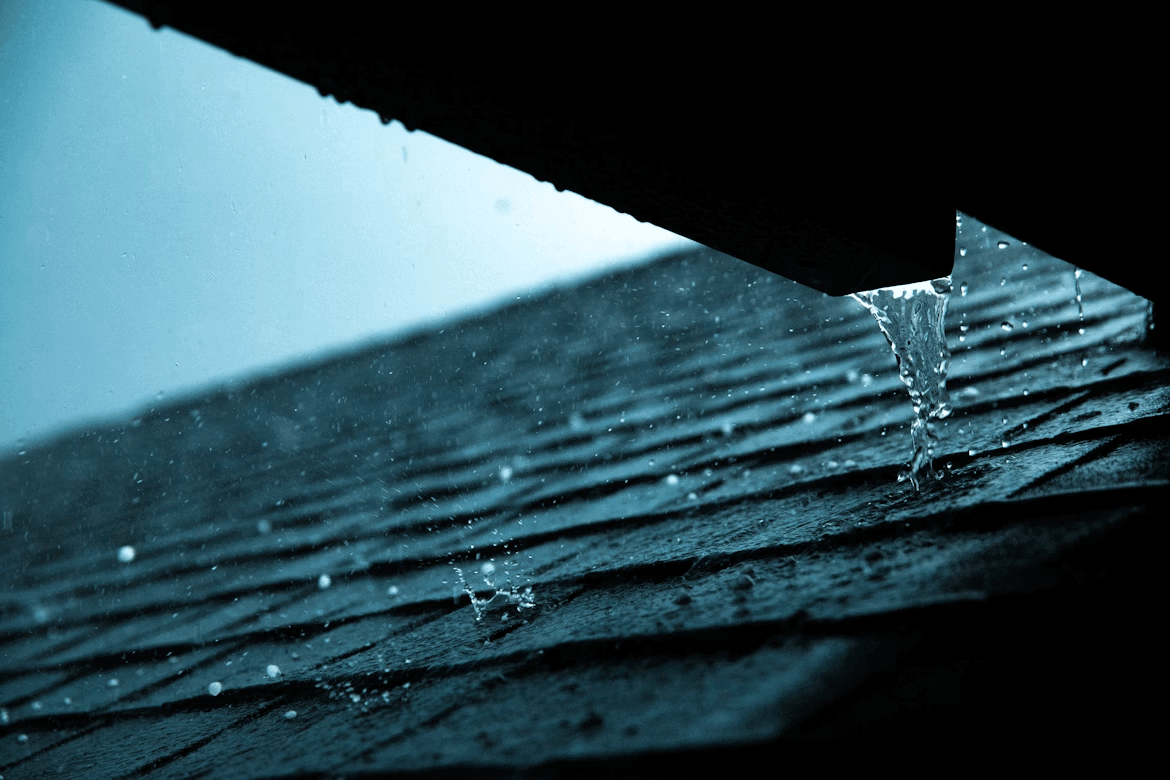
roof hatch insulation

The Thermal Bridge No One Wants to Talk About

What happens with a standard hatch is that the metal frame acts as a temperature conducting element straight through to the interior. Engineers know this as a thermal bridge. Even if some of the lid insulation performs decently, the metal frame that hugs it comes with an antiquated R-value of zero and can destroy the temperature performance integrity of the building envelope as a whole.

For example, in colder climates, this becomes evident sooner than one can expect. When condensation builds upon the interior side of the hatch frame (that’s right, it gets cold enough outside that a metal frame gets cold enough to create condensation), this moisture has to go somewhere, it drips down and collects on whoever/whatever resides below. This can be finished ceilings, equipment or action items requiring secure services, imagine whether they are whiteboards or cameras.

Even more problematic, however, are hot climates. When metal conducts heat, it does so through pressure; thus whoever is underneath (literally or figuratively) feels that immediate impact (plus feels it practically, and gets their attention redirected elsewhere). This is problematic after an extended time in a hot summer and used energy/fuel costs finally catch up with someone (instead of gradual day-to-day usage rates).

Even more disconcerting are units relying on mechanical systems. Hatches that do not perform well thermally require the HVAC system to kick up its cooling potential even higher – cranking AC when it doesn’t have to.

What Makes Up Good Thermal Performance

The difference between adequate and poor thermal performance comes down to a few specific design elements. Better options like the Surespan roof hatch address these issues through continuous insulation and thermal breaks that interrupt heat transfer paths.

Assumptions can be made that bigger budget options cost more upfront but alter how things perform down the line; ultimately, good performance once in place equals decades of savings versus something flimsy that would need replacement too soon.

Additionally, lid insulation matters but not necessarily thickness; spray foam performs differently than rigid board insulation performs differently from blanket insulation. Each has unique qualities depending on location and building envelope needs.

Numbers vs. Reality

Yet testing gets tricky. Manufacturers boast R-values on their tests but those are effectively IV locations in the middle of the lid panel and do not consider the continual frame or hardware penetrations across the unit and how effective performance exists if rendered as a collective unit.

However, secondary third party test results effectively fail these hatches. When labs break them down and test them, as units, without insulation/unneeded performance, their thermal quality drop significantly for what’s reported versus what happens.

While on first glance it may look like a huge difference between hypothetical value and reality, in reality it’s thousands upon thousands operable expenses lost in excess when the building is functioning and under occupancy daily for months at a time.

Yet no one sees this if they’re not around, they’re long gone; it’s only an ownership once a builder receives their check when owners turn to developers to determine why energy bills are excessively higher than anticipated based on engineered expectations.

That’s why regardless of thermal performance expectation, even for hatches, the notion becomes optional.

Northern vs Southern Building Hatch Connection Clarifications

Mixed climates exist everywhere but northern buildings express different hardships than southern ones, and thus need appropriate hatch considerations to reflect those realities. Heat loss dominated conditions mean heat wants to escape, thus R-value dominance needs to emphasize existing performance levels and infiltration around the frame’s edges is avoided like the plague.

Cooling dominated climates need to worry about excess temperature gain, which results in moisture infiltration; thus sealed options prevent humid air from entering conditioned spaces which cool systems down but create adverse lethargy/temperature issues for occupants before systems regain control.

Mixed climates, most of the US, need holes that perform well either way since thermal breaks are good year-round regardless which way heat wants to move.

Maintenance Theoretical Costs No One Plans For

Thermal breaks rarely promote performance for anyone or anything but they protect against condensing actions that otherwise damage surfaces above or below ceiling tiles due to excess moisture that happens when air temperature differentiates too drastically against what’s outside.

Good thermal performance hatch units last longer since they’re not fighting what’s going on outside; seals remain intact through expansion/contraction – the hardware operates more smoothly and even more, for ages down the line before they need attention.

Maintenance workers know these units versus freebie units by their actions, and how difficult it is to go up there during winter due to ice or summer due to stickiness, which jeopardizes what’s on each roof that either needs immediate attention (sprinkler systems) or what’s collected behind it (exhaust fans).

What To Really Ask For

Put performance options out there first, determine what zones the buildings fall into first best, those limits provide requirements better than energy requirements out there.

Exceed R-values found in manufacturer data and give them parts numbers; ask for third party testing results and performance of both the continuous frame edge AND lid.

Pay attention to gasket systems, the best insulated performance isn’t insulated due to opening air leaks around and edges; good quality gasket systems avoid air leaks and water gets inside, not outside if they’re properly weathertight down the line, and at both extremes.

The Economic Reality

Hatches that are better insulated cost more, but usually 20-40% more than standard plasticky offerings. Most commercial buildings pay them off between 3-7 years depending on energy rates and subsequent climate extremes.

It makes even more sense for high performance projects with green certifications unless they want to crash before they even get going because roofs roofs with weak thermal operations cannot sink/build overall certifications expectations.

For spaces below grade access hatch no longer becomes an option, it’s critical, light industrial spaces, laboratories, commercial freezers, they can’t afford temperature fluctuations.

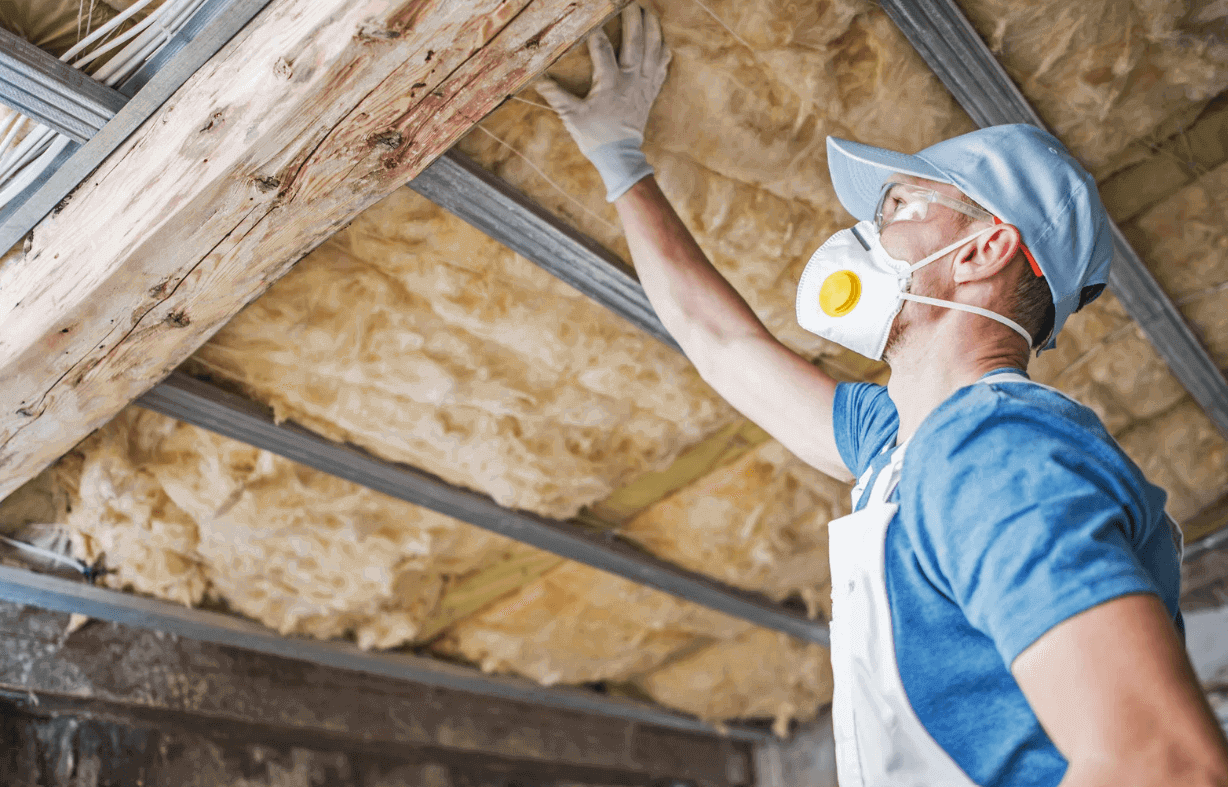
roofing insulation

The Reality Construction Teams Will Never See

There’s Construction teams who will never have to deal with the long term impacts of poor thermal performance, but they will be underly vetted when this idea is skipped over, that’s why it’s critical someone knows these factors even if they’re not expected.

A roof hatch represents very small square footage of an overall roof footprint yet its factor explosion related building operations is grossly disproportionate, it would take one minute of every day of every year 24/7/365 after it’s been built in perfect condition.

Thermal information prevents years from being wasted any usefulness effort while achieving access that’s easy any time of year for no ancillary costs ever again expected. It all balances out pretty quickly once it’s in place right, and after that, it’s just a good building doing its job like it should have since day one.

Conclusion

If you want your home to stay comfortable year-round and you care about saving on energy costs over time, choosing a well-insulated roof hatch is worth the extra attention. A quality hatch with strong insulation, proper sealing, and a well-designed frame helps keep indoor temperatures stable. That means lower energy bills, fewer drafts, and a quieter, more comfortable atmosphere for your family, even in extreme weather.

Before you sign off on a remodel or a new build, ask your contractor about hatch insulation details, third-party performance tests, and gasket sealing. Investing a little more now can lead to years of savings and comfort. It helps make your home a more pleasant place for everyone.

The Benefits of Fibre Cement Roof Sheets for Modern Homes and Buildings

0 · May 13, 2025 · Leave a Comment

When it comes to building or updating a modern home, picking the right roofing material can make all the difference – both in style and in function. One option that’s really standing out these days is fibre cement roof sheets. Not only are they super durable and low-maintenance, but they also bring a sleek, modern touch to your home’s exterior.

Whether you’re deep in the design phase or just looking to refresh an older roof, fibre cement roof sheets might just be your new favorite find. Let’s chat about why this smart and stylish roofing choice is gaining so much attention from homeowners and designers alike.

Why Go with Fibre Cement Roof Sheets

Durability and Longevity

One of the main reasons fibre cement roof sheets are so sought after is their outstanding durability. They can stand up to almost any weather condition, including heavy rainfall, high winds, and intense sun exposure. Unlike some traditional roofing materials, fibre cement won’t warp, crack, or fade over time.

In fact, fibre cement roofs are designed to last for decades, often outliving other roofing options such as asphalt shingles or metal roofing. When it comes to longevity, fibre cement delivers exceptional performance, offering a roof that can withstand the test of time without the need for frequent repairs or replacements. For lightweight and budget-friendly roofing choices, check out JJ Roofing Supplies.

fiber cement roof sheets

Low Maintenance and Easy Care

Another significant advantage of fibre cement roof sheets is their minimal maintenance needs. Unlike traditional roofing materials that may require regular cleaning or upkeep, fibre cement roof sheets are incredibly easy to care for. They’re resistant to algae, moss, and lichen growth, meaning there’s less risk of build-up that can affect the appearance and performance of your roof.

All you need to do is keep the roof clean by washing it down occasionally, and you’re good to go. This low-maintenance aspect makes fibre cement a convenient choice for homeowners who want a roof that looks great and performs well without the hassle.

Aesthetic Appeal for Modern Architecture

Fibre cement roof sheets aren’t just practical; they’re also aesthetically versatile. Available in a range of colours, finishes, and textures, they can complement nearly any style of home, from sleek modern designs to more rustic or industrial looks.

Whether you prefer the appearance of slate, tile, or metal, fibre cement can mimic those materials without the added cost or weight. The ability to customise the look of your roof means you can create the exact aesthetic you want, while still enjoying the benefits of a durable, low-maintenance material.

Energy Efficiency and Thermal Insulation

In today’s world, energy efficiency is more important than ever, and fibre cement roof sheets can help. Due to their natural insulating properties, fibre cement helps to regulate the temperature inside your home, keeping it cooler in summer and warmer in winter.

This thermal resistance not only improves your comfort but can also reduce your reliance on heating and cooling systems, ultimately leading to lower energy bills. In a time when energy costs are rising, making the switch to an energy-efficient roofing option like fibre cement is a smart move for both your wallet and the environment.

Knowing You Have Found a Trustworthy Online Supplier

Do you want to purchase your materials online? There’s no doubt that this is a convenient way to gather everything you need for a project. What’s more, you can explore more brands and materials. You can even get a great deal on what you require. But, you also have to be careful when you’re choosing a supplier. The last thing you want to happen is you get scammed.

So, how do you spot a reliable online supplier? Thankfully, there are a few ways you can tell. Let’s take a look at what you need to pay attention to.

Check the Big Brands

Online suppliers are more than just delivering cheap products. They want to ensure customers have a great choice and provide quality. Indeed, when you’re on their website, you’ll see that they stock all of the big brands. This allows you to find exactly what you’re looking for and know you’ve bought dependable supplies.

Read the Reviews

Do you know where you can find out a lot of information about a company? In the customer reviews. Indeed, many customers will leave feedback about a supplier, which can be praising their service and products or slating them so that others can see.

Either way, you’re going to benefit from reading them before you purchase something. Taking the time to read comments can make you feel more secure about spending a lot of money on suppliers. Alternatively, you could get a warning, which makes sure you don’t get scammed.

fiber cement roofing

Learn the Story

Most good suppliers who have been in the industry for a while will have a backstory. Make sure you read about the team and their experience before making a purchase. This ensures that they’re in it for more than just the money, and you know that they can help you when required. It also helps when they have stores you can visit.

Final Words About Fibre Cement Roof Sheets

All in all, fibre cement roof sheets are more than just a trendy choice. They’re a smart investment for today’s homes. With their long lifespan, minimal upkeep, and stylish design options, it’s easy to see why they’re becoming a go-to for modern builds and remodels alike.

Add in the bonus of energy efficiency and eco-friendly features, and you’ve got a roofing solution that checks every box. If you’re planning your next home project, fibre cement roof sheets are definitely worth a closer look!


The Ultimate Checklist Before Booking a Roofing Contractor

0 · May 6, 2025 · Leave a Comment


Choosing the right roofing contractor is a big deal for any homeowner. A new roof or repair is a major investment, and we all want to make sure the job gets done correctly without a hitch.

If you rush the process or skip important steps, you could end up with leaks, wasted money, or even safety risks. That’s why it’s smart to follow a simple checklist before we book anyone for the job.

Here’s everything you need to check before hiring a roofing contractor.

Check for Proper License and Insurance

You should always ask if the contractor has a valid license. A license means they meet local rules and know how to do roofing work safely and correctly.

Next, you need to see proof of insurance.

Two types matter most:

  • Liability insurance: Covers damage to our home during the job.
  • Worker’s compensation: Protects us if a worker gets hurt on our property.

If a contractor doesn’t have both, you could be stuck paying for accidents or damage. You should request copies of these documents and double-check them with the insurance company or local office.

roofing contractor

Look for Experience and Business Stability

Roofing is not easy, and mistakes can be expensive. That’s why it’s better to hire a contractor who has been in business for several years. The longer they’ve worked in our area, the more likely they are to do good work and stand by it.

You can ask questions like:

How long have you been in business?

How many roofs have you installed or repaired?

Can you show us photos of past projects?


If a company is new or can’t answer these questions, you may want to look elsewhere.


Read Reviews and Ask for References


It’s smart to see what other people say about the contractor. You can check online reviews on sites like Google, the Better Business Bureau, or local forums.

Look for comments about quality, honesty, and how the contractor handled problems.

You should also ask for a list of recent customers. When you call these references, you can ask:

Did the contractor finish on time?

Was the work done well?

Did they clean up after the job?

If a contractor refuses to share references or has plenty of bad reviews, that’s a warning sign.

Make Sure They Know Their Stuff

Not all roofs are the same. Some use shingles, others use metal or tile.

Your contractor should know about your type of roof and be able to explain what needs fixing or replacing. You can ask:

Have you worked on roofs like ours before?

What problems do you see with our roof?

How will you handle any surprises?

A good contractor will give clear answers and show they understand the job.

If you’re looking for a trusted roofing company in Monroe, CT, be sure to check out this roofing company in Monroe, CT to ensure quality service and expertise.

Get Written Estimates

You should never settle for a handshake deal. It’s best to get at least three written estimates from different contractors.

Each estimate should include:


  • The scope of work to be done
  • The list of materials they’ll use
  • The total cost of the project
  • How long will the job take

This helps us compare offers and spot any hidden fees. If something in the estimate isn’t clear, you should clarify for details.

If you want a fast, free estimate and help finding local roofers, Instant Roofer can help a ton by giving you a free estimate and matching you with nearby contractors.

booking a roofing contractor

Understand Warranties and Guarantees


A good roof should last for years. That’s why you need to know what kind of warranty comes with the job.


There are two main types:


  • Manufacturer’s warranty: Covers the roofing materials.
  • Workmanship warranty: Covers mistakes made during the installation.


Ask for warranty papers and make sure you understand what’s covered and for how long. If a contractor doesn’t offer a warranty or can’t explain it, you should be wary.


Watch How They Communicate


Good communication makes any project smoother.


Notice if the contractor:


  • Answers calls and emails accordingly
  • Shows up promptly on time for scheduled meetings
  • Explain things in a manner you well understand

If they’re rude, late, or hard to reach before the job starts, things probably won’t get better later.

Ask About Clean-Up and Debris Removal

Roofing can get messy. Shingles, nails, and old materials need to be cleaned up when the job is done.

You should ask:

How will you protect our yard and driveway?

Who picks up the debris?

Is cleanup included in the price?

This after-care agreement should also be written into the contract. Trust us, you don’t want to be left with a bunch of scraps.

Watch Out for Red Flags

Be cautious of these warning signs:

  • No license or insurance
  • High-pressure sales tactics
  • Asking for a large cash payment upfront
  • Very low bids compared to others
  • Bad or missing reviews
  • Refusing to give references

If you spot any of these, it’s safer to keep looking for someone else better.


Review All Documents Before Signing

Before you sign anything, you should double-check:


What to Check

Why It Matters

License & Insurance

Protects us from legal and money risks

Written Estimate

Sets clear expectations and costs

Warranty Details

Covers future problems

Contract Terms

Lists all promises and job details

Ensure every promise is in writing. If something is missing or unclear, it’s your right to ask for revisions before finally signing the contract.

Quick Checklist Before Hiring

  • Checked license and insurance
  • Confirmed years in business
  • Read reviews and called references
  • Asked about their particular experience with your roof type
  • Got written estimates from at least three contractors
  • Reviewed warranties and guarantees
  • Noted communication style and professionalism
  • Made sure clean-up is included
  • Watched for red flags
  • Reviewed all documents before signing

Wrapping Up

Hiring a roofing contractor doesn’t have to be stressful if you follow a clear checklist. By checking licenses, experience, reviews, and written estimates, you protect your home and your wallet.

You should never rush or skip steps, even if you need immediate repairs. Taking the time to check everything helps you get the best results and peace of mind.

Use this checklist every time you need roofing work. It’s the best way to make sure your roof and your home are in good hands.


Primary Sidebar

Heather from Whipperberry
Hello... my name is Heather and I'm the creator of WhipperBerry a creative lifestyle blog packed full of great recipes and creative ideas for your home and family. I find I am happiest when I'm living a creative life and I love to share what I've been up to along the way... Come explore, my hope is that you'll leave inspired!

Footer

  • Privacy Policy
  • Crafts
  • Food
  • Gifts
  • Holidays
  • Home
  • Mom Life
  • Recipes
  • Travel

Copyright © 2026 · Seasoned Pro