Travel goes wrong more often than most people plan for. A slippery hotel corridor, a tour bus collision, a pool deck with no safety signage, a rental vehicle that was not properly maintained. These situations happen on trips across the country and across the world, and when they result in injury, most travelers have no clear idea what their rights actually are.
Understanding the basics before you need them is genuinely useful. Knowing when to seek legal help is the more important question.
Travelers Have Rights, But They Vary by Where You Are
Whether a trip is domestic or international changes the legal landscape significantly. Within the United States, general personal injury law applies, which means that a property owner or service provider who was negligent in a way that caused your injury carries potential liability. The standards for what constitutes negligence and the damages available vary by state, but the principle is consistent.
Outside the United States, your rights depend on the laws of the country where the injury occurred. Some countries have strong consumer and personal injury protections. Others have very limited recourse for injured visitors. Crucially, many travelers assume that their own country’s legal standards apply wherever they go. They do not.
According to the CDC Yellow Book on Injury and Death During Travel, motor vehicle crashes were the leading cause of non-natural death among US citizens abroad between 2019 and 2021, accounting for 26% of all non-natural deaths. The data underscores how frequently travel-related injuries occur and how serious they can be.
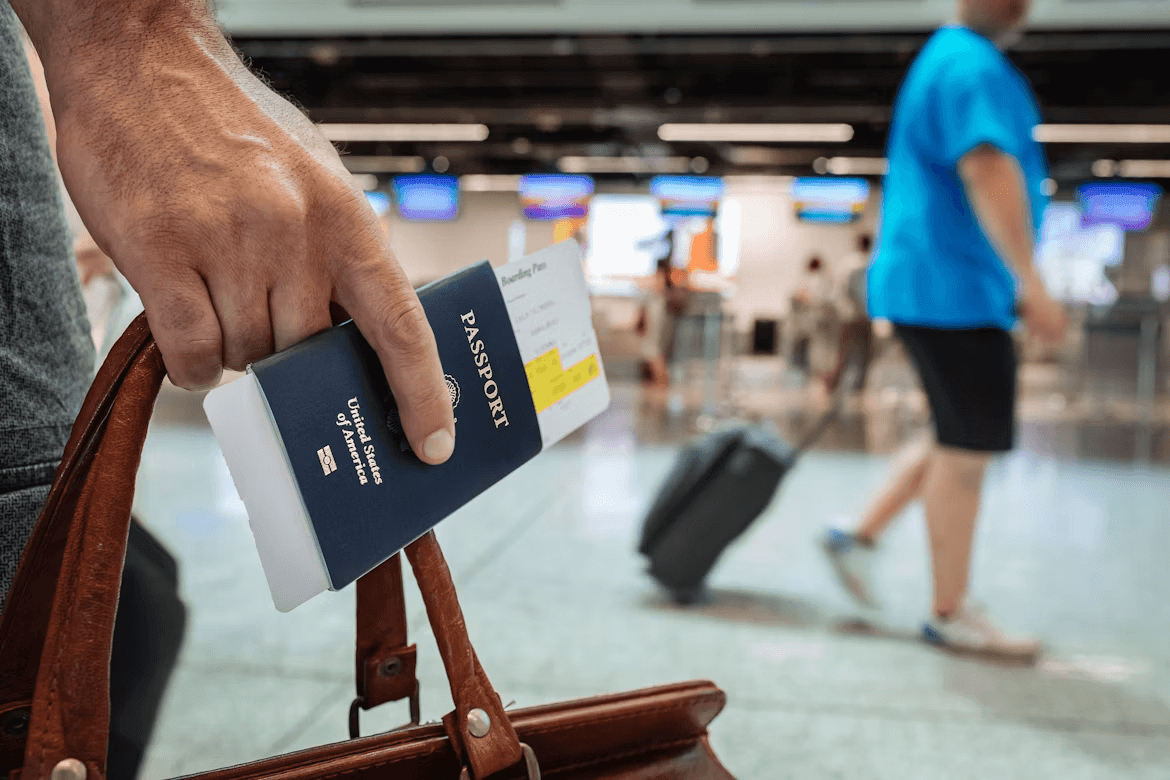
Common Scenarios Where Travelers Have a Legal Claim
Not every travel inconvenience creates legal liability. But certain scenarios do, and recognizing them helps travelers take the right steps at the right time.
Hotel and accommodation injuries: Property owners have a duty to maintain safe premises. Wet floors without warning signage, broken railings, inadequate lighting in stairwells, or dangerous pool conditions that result in guest injury all potentially create liability for the accommodation provider.
Transportation accidents: When an injury occurs on a tour bus, a rental vehicle, a cruise ship, or a commercial flight, the transportation provider may be liable depending on the circumstances. These cases often involve specific regulatory frameworks, such as maritime law for cruise ship incidents or international aviation conventions for airline injuries.
Tour and excursion accidents: Guided tours, adventure activities, and excursions arranged through travel companies carry their own duty of care toward participants. Inadequately trained guides, defective equipment, or failure to disclose known risks can create liability even when a waiver was signed.
Slip and fall incidents at public venues: Restaurants, attractions, cultural sites, and public spaces all carry some duty to maintain safe conditions for visitors. When that duty is breached and injury results, a claim may be available.
What to Do Immediately After a Travel Injury
The actions taken in the hours and days after an injury significantly affect the options available later. The most important steps are:
- Seek medical attention and get everything documented in writing, including the diagnosis, treatment provided, and the medical professional’s contact information
- Photograph the scene, any hazard that caused the injury, and your injuries themselves
- Collect witness names and contact details from anyone who saw what happened
- Report the incident formally to the hotel, tour operator, or relevant authority and get a copy of any report filed
- Avoid signing any documents presented by the other party or their insurer without legal advice
- Contact your travel insurance provider as soon as possible
That last point about signing documents is particularly important. Injured travelers are sometimes asked to sign releases or accept settlements quickly, before the full extent of their injuries is known. Doing so typically eliminates any further legal options.

When You Need an Accident Lawyer
Many travel injury situations can be resolved through insurance claims without legal involvement. But several circumstances make professional legal advice necessary rather than optional.
You should consult a lawyer when:
- The injury is serious and has resulted in significant medical costs, lost income, or long-term effects on your health or quality of life
- The at-fault party’s insurer has made a settlement offer that you are not sure reflects your full losses
- There is any dispute about who was responsible for the injury
- The incident occurred in a foreign country and you are unsure what rights you have or where a claim should be filed
- You were asked to sign anything before fully understanding your legal position
Consulting an accident lawyer helps you understand your rights and options before making decisions that may be difficult to change later. GLS Injury Law works with people who have been injured through others’ negligence, including in travel-related contexts, providing clear guidance on what claims are available and what the realistic path forward looks like.
Travel Insurance Does Not Replace Legal Rights
Many travelers assume that travel insurance is sufficient protection for any injury that occurs on a trip. It is a useful financial safety net, but it is not a substitute for legal rights and it does not always cover the full scope of what an injured traveler may be entitled to recover.
Travel insurance typically covers emergency medical expenses and some associated costs. It does not typically compensate for pain and suffering, long-term disability, or losses that exceed policy limits. A legal claim against a negligent party may recover categories of loss that insurance does not touch.
The two options are not mutually exclusive. Both can and often should be pursued simultaneously.
Conclusion
Travel injuries are not uncommon, and the circumstances that create them are not always random bad luck. When someone else’s negligence caused your injury, you have rights worth understanding and, in many cases, rights worth pursuing.
The steps you take immediately after an incident, and the decision about when to seek legal advice, are what determine whether those rights translate into actual protection.