Most homeowners discover moisture problems after the damage is already visible. A stain on the ceiling. Paint bubbling on a bathroom wall. A floorboard that has started to bow. By the time these symptoms appear, water has usually been present and active for weeks or months.
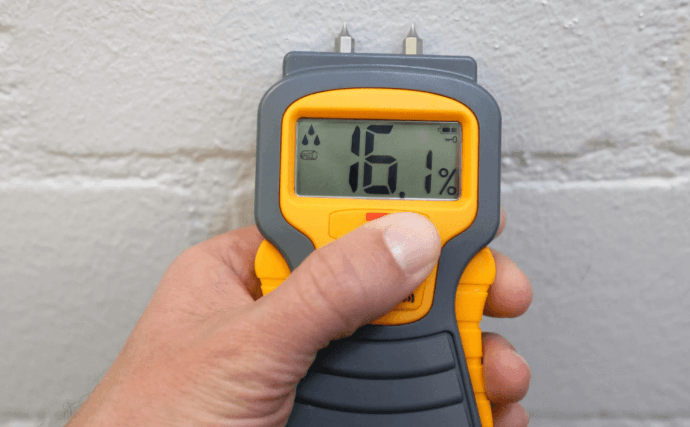
A moisture meter changes the timeline. It detects elevated moisture levels in building materials before visible damage appears, giving homeowners the information they need to act before a small problem becomes an expensive one. But the tool is most valuable in specific rooms where moisture risk is highest and where early detection makes the most financial difference.
1. The Bathroom
Bathrooms are the highest-risk room in most homes for moisture-related damage. Steam from showers, water splashing around bath edges and shower trays, and the daily cycle of wet and dry conditions create persistent moisture stress on surrounding materials.
The wall cavities and subfloor directly adjacent to shower enclosures and baths are the most vulnerable areas. Grout and sealant failures that look minor on the surface often allow water to track laterally behind tiles and into wall framing or subfloor before any visible surface indication appears.
A moisture meter used on the drywall behind and beside the shower enclosure, and on the subfloor material around the bath base, identifies whether water is accumulating in these areas before mold growth, structural softening, or tile delamination has begun. A reading above 20% in drywall or above 19% in timber subfloor materials warrants investigation.
2. The Kitchen
Kitchen moisture risk concentrates in two specific areas: under and behind the sink cabinet, and at the dishwasher installation.
Sink waste connections and supply line fittings have a higher failure rate than most homeowners realise. A slow drip inside a closed cabinet may go undetected for months, saturating the cabinet base and the subfloor beneath it. Dishwasher door seals and drain line connections produce similar slow-leak scenarios.
Regular moisture meter checks on the cabinet base material, the subfloor area immediately beneath the sink, and the adjacent kickboard panels identify active moisture accumulation from connections that appear dry on visible inspection. Early detection in the kitchen prevents the combination of subfloor damage and mold growth that makes kitchen renovation scopes far larger than they need to be.
3. The Laundry
The laundry combines the risks of plumbing connections with the moisture output of washing machines and dryers. A slow leak from washing machine hoses or drain connections, combined with inadequate dryer venting that exhausts warm moist air into a small enclosed space, creates persistent humidity that damages wall linings and promotes mold growth behind appliances that are rarely moved for inspection.
Moisture meter checks behind and beside the washing machine cabinet, at the wall surface where the dryer exhaust is located, and at skirting board level throughout the laundry identify accumulation before it becomes structural.
For homeowners wanting a reliable tool to monitor these five rooms systematically, Sensorahome.com offers moisture meters and home monitoring products designed for residential use across all material types.
4. The Basement or Subfloor Space
Basements and subfloor crawl spaces are the most moisture-prone areas in most homes and the least frequently checked. Ground moisture migrates upward through concrete slabs and into timber framing above. Poor external drainage concentrates water against foundation walls. Ventilation inadequacy allows humidity to accumulate in enclosed spaces without seasonal drying.
Elevated moisture in subfloor timbers is among the most common causes of structural wood decay in Australian and North American residential construction. Checking floor joists, bearers, and the underside of flooring materials periodically with a moisture meter identifies conditions that are approaching or exceeding safe thresholds for timber stability.
5. Around Windows and Exterior Walls
Window perimeter areas are consistent moisture entry points. Failed sealant around window frames, inadequate flashing above windows, and condensation forming on cold frames in winter all introduce moisture into the adjacent wall assembly.
Moisture meter checks on the drywall or plasterboard immediately below windows, at the window sill level, and on the wall surfaces in the corners adjacent to window openings identify infiltration that visual inspection alone misses. Corner areas at exterior wall junctions are particularly vulnerable to thermal bridging effects that produce condensation within the wall assembly during cold weather.
Conclusion
A moisture meter used consistently across these five rooms converts moisture management from a reactive problem into a proactive maintenance habit.
The cost of the tool is recovered on the first significant problem it identifies early enough to address without major remediation. For most homeowners, that first detection occurs within the first year of regular use.
0
Leave a Reply