When your family life feels noisy, gardening gives everyone something simple to come back to: soil, water, weather, waiting. You don’t need to own a rural land, a perfect garden or expensive kit. A pot on a step can be enough to make children feel involved.
It is also one of those activities where adults and children can be side by side without needing constant entertainment.
Gardening together can also be a gentle way to bring more rhythm into family life. Watering plants, checking what’s changed and coming back to the same small jobs each week can help children feel involved and settled.
That kind of everyday consistency matters in many homes, including those supported by an FCA fostering agency, where simple routines can help children feel safer and more secure.
Easy things to start with:
- A packet of quick-growing seeds.
- One child-sized watering can or shared jug.
- Plant labels made from scrap card or sticks.
- A small job each child can repeat without much help.
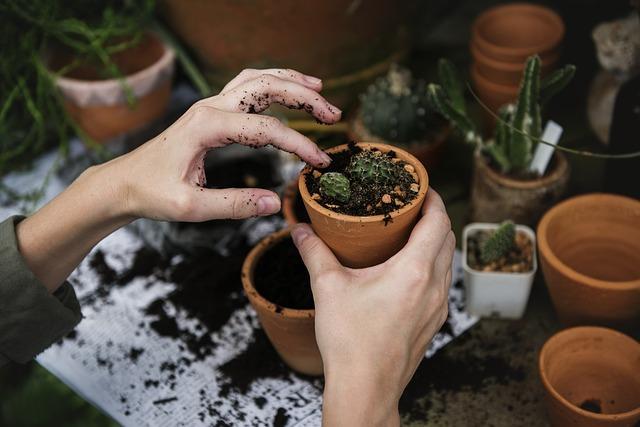
1. It slows everyone down
Gardening doesn’t respond well to rushing. Seeds take time, plants droop, weeds return, and children learn that not everything happens instantly. That slower pace can be a relief. It is useful for adults too, because the garden gives you a task that is practical but not frantic.
2. It gets children outside naturally
You don’t have to announce “outdoor learning”. You can just ask someone to water the tomatoes or check whether the strawberries have changed colour. The outdoors becomes part of normal life.
3. It gives hands something useful to do
Some children talk more easily while doing something. Pulling weeds, filling pots or digging a small patch can create a calmer space for conversation without making it feel intense. You may hear more during ten minutes outside than you would get from a direct question at the kitchen table.
4. It teaches care without lectures
Plants need regular attention, but they don’t need perfection. Children can see the result of forgetting, trying again and noticing what helps. There are plenty of activities children can do in the garden that make that care feel playful.
5. It helps children handle disappointment
Not every seed grows. Slugs arrive. Footballs flatten things. Gardening lets children practise frustration in a low-stakes way, especially when adults don’t turn every setback into a lesson.
6. It creates shared responsibility
One child can water, another can label, another can pick herbs for dinner. Shared jobs make the garden feel like something the whole family is looking after together.
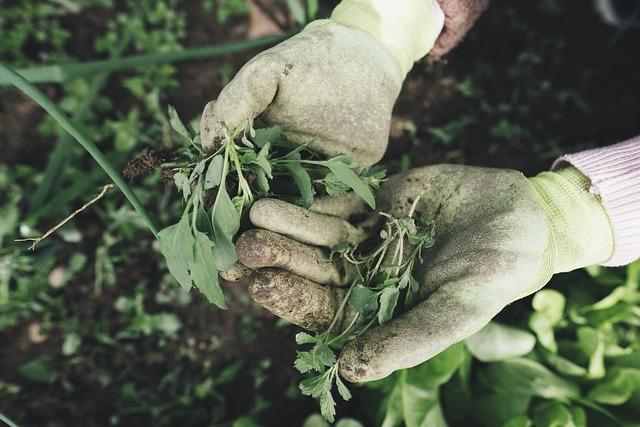
7. It connects food to effort
A child who has grown a carrot may still refuse it at dinner, but they have seen where food comes from. That connection matters, even when it doesn’t produce instant vegetable enthusiasm.
8. It makes small spaces feel meaningful
A windowsill herb pot or balcony planter can still give children ownership. You don’t need a lawn or raised beds to start.
9. It offers gentle learning
Counting seeds, reading labels, watching insects and measuring growth all teach without worksheets. A few gardening projects children can help with can keep things fresh when enthusiasm dips.
10. It brings people back to the same place
Families are often pulled in different directions by school, work, screens, clubs and busy routines. A garden gives everyone a shared reason to pause and return to the same small patch of life, even if it’s only for ten minutes after dinner.
That repeated time matters. Children can notice what has changed, remember what they planted, and feel part of something that keeps growing because everyone has played a small role. You don’t have to grow much for it to feel worthwhile. The value is in the returning, noticing and doing something together without needing the moment to be perfect.
0
Leave a Reply