Family living arrangements often begin with good intentions. A parent may allow an adult child to stay temporarily, a relative may move in after a difficult life event, or a family member may need extra time to get back on their feet. At the start, few people imagine the arrangement will eventually lead to legal complications.
Problems can arise when expectations differ. The homeowner may view the arrangement as temporary, while the occupant begins treating the property as a long-term residence. As tensions grow, many property owners mistakenly believe they can simply change the locks or remove belongings without any legal process.
The reality is often much more complicated. Even when the dispute involves family members, certain legal protections may apply once someone has established residency in the home. Understanding the eviction process in Texas is essential for homeowners who want to resolve these situations legally while protecting their property rights and avoiding costly mistakes.
A Lease Isn’t Always Required
Many people assume that landlord-tenant laws only apply when a written lease exists. In reality, a formal contract is not always necessary for certain legal rights and responsibilities to arise.
When someone has been living in a property for an extended period of time with the owner’s permission, courts may recognize a landlord-tenant relationship even if nothing was ever put in writing. Factors such as receiving mail at the residence, keeping personal belongings there, or contributing financially can sometimes become relevant.
This surprises many homeowners who believed they were simply helping a relative. Once legal occupancy rights exist, removing a resident often requires following the same procedures that would apply in a more traditional rental arrangement.
The Process Usually Starts With Notice
Before a court becomes involved, property owners are generally required to provide formal notice that the occupant must leave the property. This step serves as an opportunity to resolve the matter before legal proceedings begin.
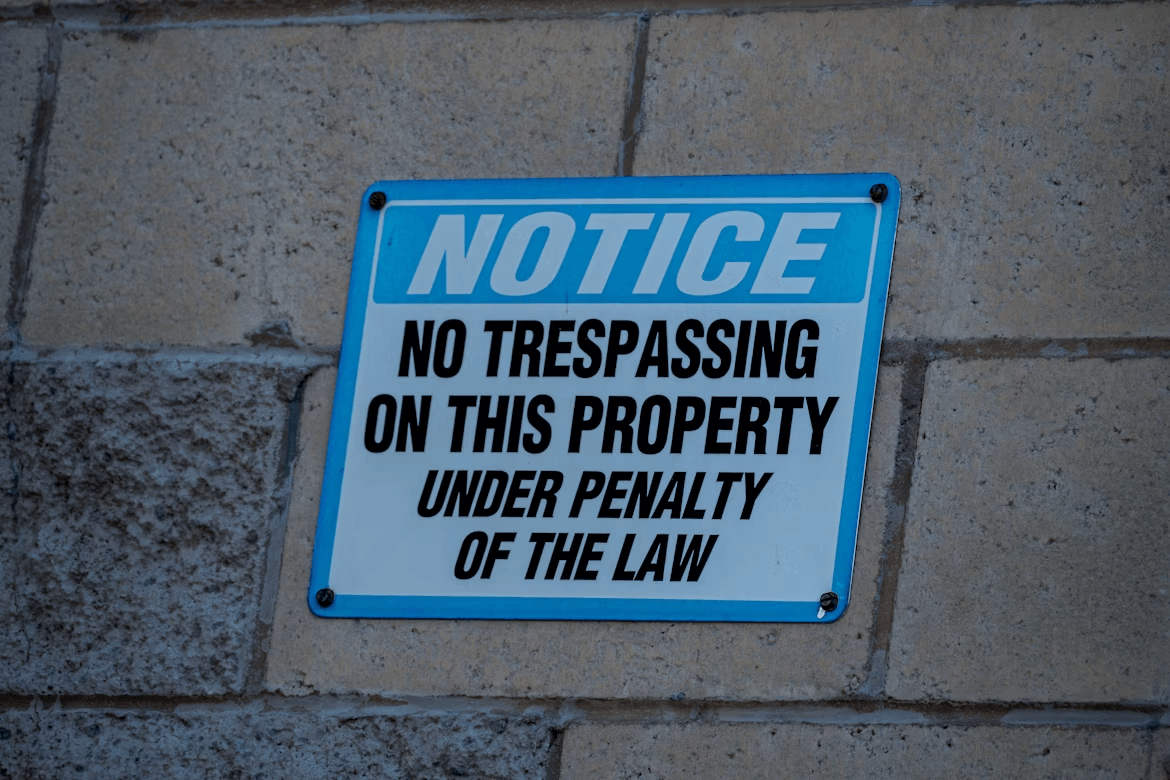
The notice typically explains that the occupant must vacate the premises within a specified period. Requirements regarding timing and delivery can vary depending on the circumstances, making accuracy important.
Many eviction cases encounter delays because the initial notice was not prepared or delivered properly. Taking the time to follow the required procedures from the beginning helps create a stronger foundation if court involvement ultimately becomes necessary.
The Court Process Creates Structure
If the occupant does not leave after receiving proper notice, the next step often involves filing a case with the appropriate court. This formal process ensures that both parties have an opportunity to present their positions before a judge.
Once the case is filed, the occupant receives official notice regarding the hearing date and location. The court then reviews the evidence and determines whether the property owner is legally entitled to possession of the property.
Although the process can feel frustrating for homeowners eager to regain control of their property, the court system exists to ensure disputes are resolved fairly and according to established legal procedures.

Avoiding Personal Confrontations
Even after a court issues a favorable ruling, property owners should avoid taking matters into their own hands. Attempts to physically remove occupants or their belongings can create additional legal complications.
Instead, courts provide mechanisms for enforcing possession orders through authorized officials. When necessary, a constable or other authorized officer may execute the court’s order and oversee the transfer of possession.
This approach helps reduce the risk of confrontation and ensures that the process remains orderly. Having neutral officials involved protects both parties and minimizes the potential for disputes during a difficult transition.
Conclusion
Housing disputes involving family members are often emotionally challenging because they combine personal relationships with legal property rights. What begins as a gesture of support can evolve into a complicated situation that requires careful handling.
Following proper legal procedures protects homeowners from unnecessary liability while ensuring that occupants receive the process required by law. Attempting shortcuts can often create bigger problems than the original dispute itself.
By understanding the applicable rules and following each step carefully, property owners can resolve difficult living arrangements while safeguarding their rights. Taking the legal route may require patience, but it often provides the clearest path toward a lasting resolution.
0
Leave a Reply