It’s not uncommon to find pests like cockroaches, ants, and even rats when renting; however, failing to fix these issues is the main problem. This creates an unhealthy environment that can lead to hospitalization or make your overall rental experience extremely uncomfortable.
Fortunately, this guide will provide seven tips for pest prevention, which are easy to follow and implement. You will also learn the difference between DIY pest control and pest control provided through a professional, all helping you make the best decision for your pest problem.
Difference between DIY and Professional Pest Control
What DIY Pest Control Is
In Do-It-Yourself pest control, as the name implies, you handle your own pest problems by purchasing treatments from retail stores and applying them yourself. It requires that you determine which type of pest you have, choose the appropriate product for that pest, read the product labels carefully, and then treat the pests according to those labels.
As such, DIY pest control typically works well for small-scale infestations. For example, a few ants are entering your home through cracks around doors, where you can easily observe signs of the infestation. However, you will be responsible for all aspects of the process (i.e., correctly reading product labels and monitoring the treatment’s effectiveness).
One of the most common reasons people use DIY pest control is the perceived immediacy and lower costs associated with these products; however, DIY pest control has limitations in addressing many types of pests or the severity of an infestation.
What Professional Pest Control Involves
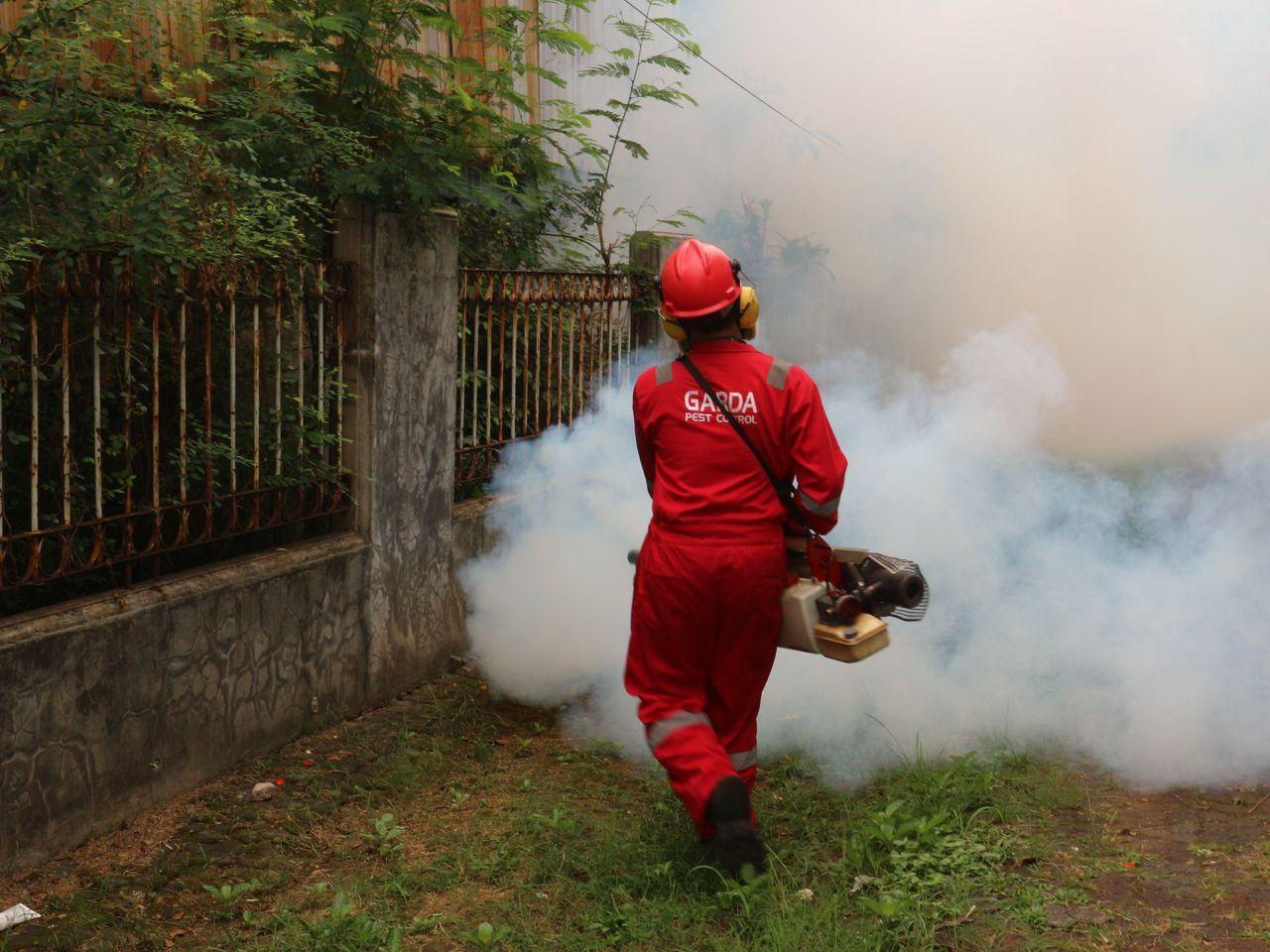
A professional pest control involves sending a certified/registered/licensed technician to inspect your home, diagnose a specific pest issue, and perform a treatment for the pest using commercial-grade products and/or an integrated pest management (IPM) method(s).
The technician will generally identify areas where the pest may be living (nests) or likely to enter your home, as well as moisture-related issues that may be causing or contributing to the infestation. Treatment options can include, but are not limited to, targeted chemical applications, bait stations, dusting, and exclusion techniques.
Generally, after initial treatment, follow-up visits are scheduled to confirm that the pest population has been eliminated. Your property management company will contact a pest control service on your behalf and arrange for them to come to your location to eliminate the pest issue.
Key Differences Between DIY and Professional Pest Control
Scope of the Problem
DIY is about working off what you see. Professionals go beyond what you can see and look at the wall or foundation where the ant colony exists. In other words, you’re treating the symptoms while professionals are eliminating the cause of the problem, so it will never come back again when the visible insects show up again.
Cost and Long-Term Value
While DIY products may appear less expensive at first, frequent purchases and numerous failed attempts to treat an infestation can quickly escalate costs. On the flip side, professional treatment appears to be more costly at first; however, it eliminates the underlying problem entirely.
Therefore, there is no need for repeated treatments, and subsequently, there is much less potential for property damage from pests such as termites that quietly destroy a structure.
Safety and Product Strength
The majority of over-the-counter sprays have been diluted to protect the general public from harm; unfortunately, this dilution reduces their potency and effectiveness against larger, established colonies. The pros use regulated, more potent products and apply them with precision directly to the area needing treatment.
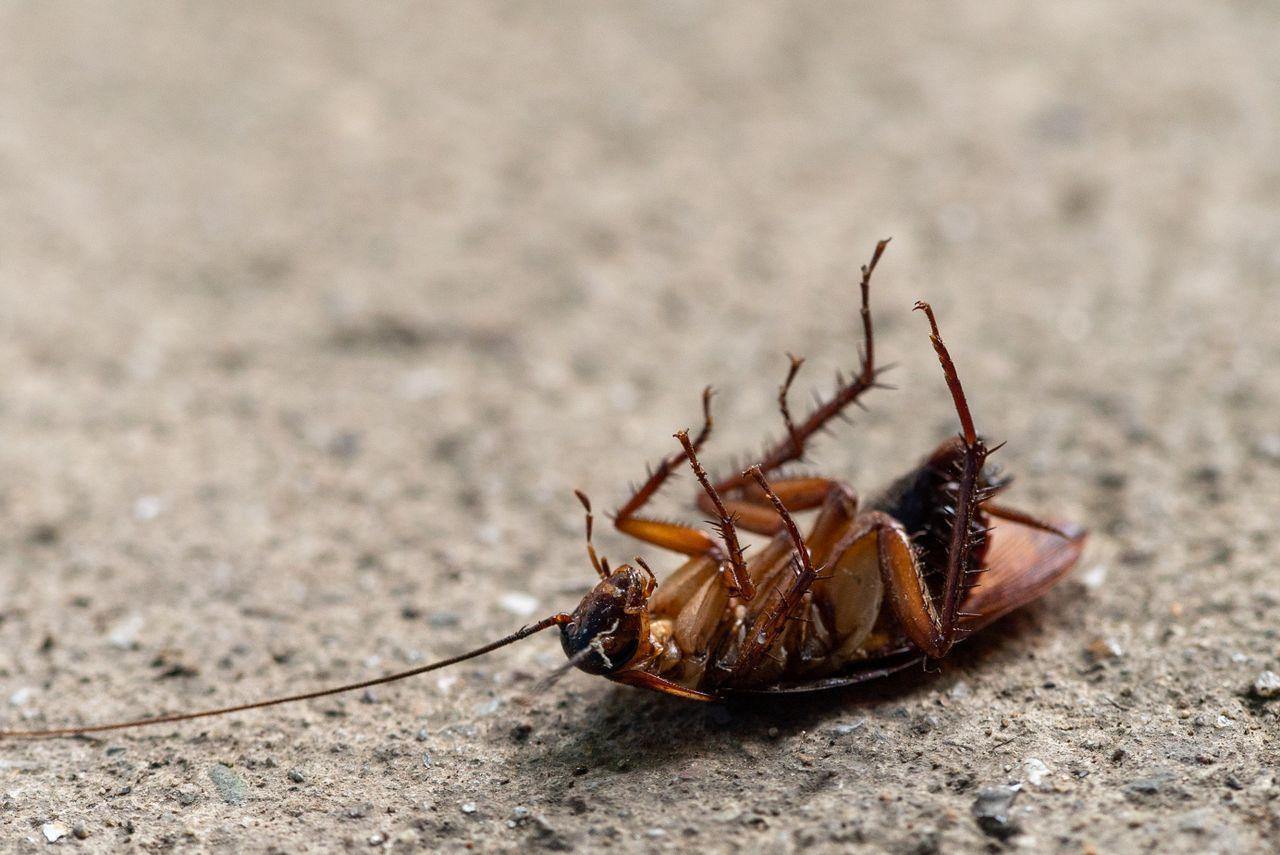
The pros also create a safer environment in your living space by minimizing opportunities to misuse chemicals, thereby reducing risks associated with using them around your children, pets, and yourself.
Knowledge and Diagnosis
Without proper knowledge of which type of pest is present and its habits/behavior, you risk using the incorrect treatment method. Trained and certified technicians understand exactly what type(s) of pests exist in your location and their unique characteristics. This enables the correct application of pest control methods specifically designed to target each pest’s vulnerabilities.
When Reporting Matters
Your lease agreement most certainly contains language requiring immediate notification to your property manager of any pest-related issues. Therefore, always report issues immediately to your BMG property management team so they can coordinate professional pest control.
Failure to notify your property manager in a timely manner could allow an insignificant issue to become a large-scale infestation throughout your entire building. Timely notification will enable prompt action from a qualified pest control professional who will provide services that protect adjacent dwellings and fulfill your responsibilities as outlined in your lease agreement.
7 Tips to Prevent Pest Infestation in a Rental
The most effective way to prevent pest problems is to be proactive. With a little effort and by incorporating a couple of simple pest prevention strategies into your routine, you can greatly reduce the risk of ants, cockroaches, and other unwanted critters infesting your rental home.
Here are seven ways you can get started:
1. Seal Every Tiny Crack and Gap
Properly seal small cracks to remove ants in your apartment. Find a tube of caulk at your local hardware store and fill the gaps around your windows and doors, and along the edges of your baseboards. Larger gaps may require steel wool before filling with caulk. If you find significant structural damage to your rental home, contact your landlord/property management company immediately to have it repaired.
2. Keep Your Kitchen Spotlessly Clean
Pests will eat anything and everything. Cleaning up every day as part of your routine will eliminate the opportunities for pests to find food in your home. Do not leave dirty dishes overnight. Pantry foods should always be stored in sealed containers. Leaving a few crumbs under the toaster will provide enough food for hundreds of roach colonies over time. A truly clean kitchen is essentially no longer inviting to pests looking for their next meal.
3. Cut Off Water Sources Immediately
Roaches and silverfish live in moist environments. Dripping faucets and/or leaky pipes provide the water these creatures need to survive. Be sure to dry your sink and shower after each use, and report any leaks to your property manager immediately. Installing a dehumidifier in damp spaces also helps keep your home less attractive to pests that prefer humid conditions.
4. Handle Trash Like a Pro
Dispose of your kitchen waste daily, not just when the trash can is full. Use trash cans with tight-fitting lids, wash your recyclables before placing them in the recycling bin, and if possible, place your outside bins away from your front door. A loose-fitting lid on a trash can provides an open invitation for mice/rodents & flies to inhabit.
5. Inspect Every Item You Bring Home
Second-hand grocery bags, old cardboard boxes, and second-hand furniture all have the potential to be carriers of “hitchhiker” insects (eggs). Dispose of grocery bags as soon as you unpack your groceries.
Check the seams, cushions, and crevices of used furniture before bringing it into your home. Throw away cardboard shipping boxes immediately after they arrive; roaches love the glue seams to reproduce in.
6. Declutter and Deep-Clean Hidden Zones
Paper piles, stacked boxes, and other hidden areas behind your appliances give pests a place to nest. Vacuum the space underneath your refrigerator, stove, and couch regularly. Keep storage areas organized and free of clutter. When you keep your living area clean and uncluttered, there is no hiding spot for pests. This will also help you identify an issue earlier rather than later.
7. Report a Single Sighting Immediately
When you see one cockroach or a few ants, most likely there are many more that you cannot see. Do not delay or count on spray products at stores. If you find evidence of bug activity, such as feces, dead bodies of insects, or live insects, let your property manager know right away. Early action by professionals prevents what may start out as a small problem from becoming a large problem affecting the entire building.
Conclusion
By being vigilant about keeping pests away from your rental home, you don’t have to resort to extreme measures; just be intentional in your daily routines.
Sealing all cracks and crevices, thoroughly cleaning every area of your home, controlling moisture levels, and immediately reporting any pest issues you find to your landlord or property management company will help prevent an infestation.
The time you spend taking preventive action for just a couple of minutes a day will save you hours of dealing with an overwhelming problem down the road.
0