• Skip to primary navigation
  • Skip to main content
  • Skip to primary sidebar
  • Skip to footer

Whipperberry

WhipperBerry • Your Home For Creative Inspiration

  • Home
  • Recipes
    • Starters
    • Easy Weeknight Dinners
    • Main Dish
    • Salads
    • Side Dish
    • Soups & Stews
    • Desserts
    • Breakfast
    • Miscellaneous
  • Tutorials
    • Creative Crafts
    • DIY Decor
    • Fabric Crafts
    • Food How-To
    • Jewlery
    • Paint Projects
    • Paper Art
    • Party Styling
    • Photography and Graphic Design
    • Silhouette
  • Holidays
    • Easter
    • Mother’s Day
    • Father’s Day
    • 4th of July
    • Halloween
    • Thanksgiving
    • Christmas
    • Valentine’s Day
  • Gift Ideas
    • Gifts For Everyone
    • Gifts for Dad
    • Mother’s day
    • For The Girls
    • For The Kids
    • Teacher Gift Ideas
    • Christmas
  • Printables
    • Holiday
    • Gift Idea
    • LDS Primary
  • Travel
  • About
    • Terms
  • Contact
  • Nav Social Menu

    • Facebook
    • Instagram
    • Pinterest
    • RSS
    • Twitter

pest management

7 Tips to Prevent Pest Infestation in a Rental Home: Guide for Renters

0 · Jun 13, 2026 ·

It’s not uncommon to find pests like cockroaches, ants, and even rats when renting; however, failing to fix these issues is the main problem. This creates an unhealthy environment that can lead to hospitalization or make your overall rental experience extremely uncomfortable.

Fortunately, this guide will provide seven tips for pest prevention, which are easy to follow and implement. You will also learn the difference between DIY pest control and pest control provided through a professional, all helping you make the best decision for your pest problem.

Difference between DIY and Professional Pest Control

What DIY Pest Control Is

In Do-It-Yourself pest control, as the name implies, you handle your own pest problems by purchasing treatments from retail stores and applying them yourself. It requires that you determine which type of pest you have, choose the appropriate product for that pest, read the product labels carefully, and then treat the pests according to those labels.

As such, DIY pest control typically works well for small-scale infestations. For example, a few ants are entering your home through cracks around doors, where you can easily observe signs of the infestation. However, you will be responsible for all aspects of the process (i.e., correctly reading product labels and monitoring the treatment’s effectiveness).

One of the most common reasons people use DIY pest control is the perceived immediacy and lower costs associated with these products; however, DIY pest control has limitations in addressing many types of pests or the severity of an infestation.

What Professional Pest Control Involves

A professional pest control involves sending a certified/registered/licensed technician to inspect your home, diagnose a specific pest issue, and perform a treatment for the pest using commercial-grade products and/or an integrated pest management (IPM) method(s).

The technician will generally identify areas where the pest may be living (nests) or likely to enter your home, as well as moisture-related issues that may be causing or contributing to the infestation. Treatment options can include, but are not limited to, targeted chemical applications, bait stations, dusting, and exclusion techniques.

Generally, after initial treatment, follow-up visits are scheduled to confirm that the pest population has been eliminated. Your property management company will contact a pest control service on your behalf and arrange for them to come to your location to eliminate the pest issue.

Key Differences Between DIY and Professional Pest Control

Scope of the Problem

DIY is about working off what you see. Professionals go beyond what you can see and look at the wall or foundation where the ant colony exists. In other words, you’re treating the symptoms while professionals are eliminating the cause of the problem, so it will never come back again when the visible insects show up again.

Cost and Long-Term Value

While DIY products may appear less expensive at first, frequent purchases and numerous failed attempts to treat an infestation can quickly escalate costs. On the flip side, professional treatment appears to be more costly at first; however, it eliminates the underlying problem entirely.

Therefore, there is no need for repeated treatments, and subsequently, there is much less potential for property damage from pests such as termites that quietly destroy a structure.

Safety and Product Strength

The majority of over-the-counter sprays have been diluted to protect the general public from harm; unfortunately, this dilution reduces their potency and effectiveness against larger, established colonies. The pros use regulated, more potent products and apply them with precision directly to the area needing treatment.
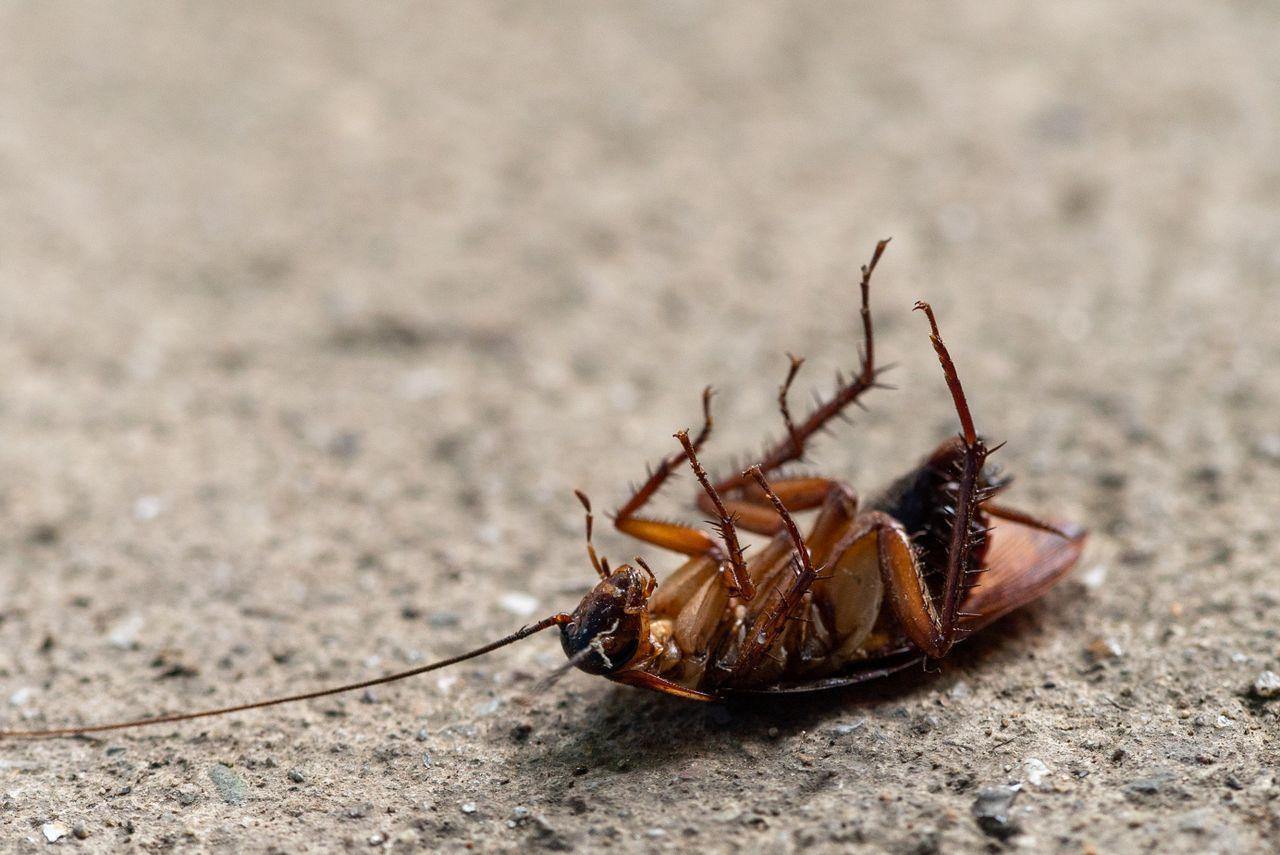
Close-up image of a dead cockroach on a textured surface, showcasing insect detail.

The pros also create a safer environment in your living space by minimizing opportunities to misuse chemicals, thereby reducing risks associated with using them around your children, pets, and yourself.

Knowledge and Diagnosis

Without proper knowledge of which type of pest is present and its habits/behavior, you risk using the incorrect treatment method. Trained and certified technicians understand exactly what type(s) of pests exist in your location and their unique characteristics. This enables the correct application of pest control methods specifically designed to target each pest’s vulnerabilities.

When Reporting Matters

Your lease agreement most certainly contains language requiring immediate notification to your property manager of any pest-related issues. Therefore, always report issues immediately to your BMG property management team so they can coordinate professional pest control.

Failure to notify your property manager in a timely manner could allow an insignificant issue to become a large-scale infestation throughout your entire building. Timely notification will enable prompt action from a qualified pest control professional who will provide services that protect adjacent dwellings and fulfill your responsibilities as outlined in your lease agreement.

7 Tips to Prevent Pest Infestation in a Rental
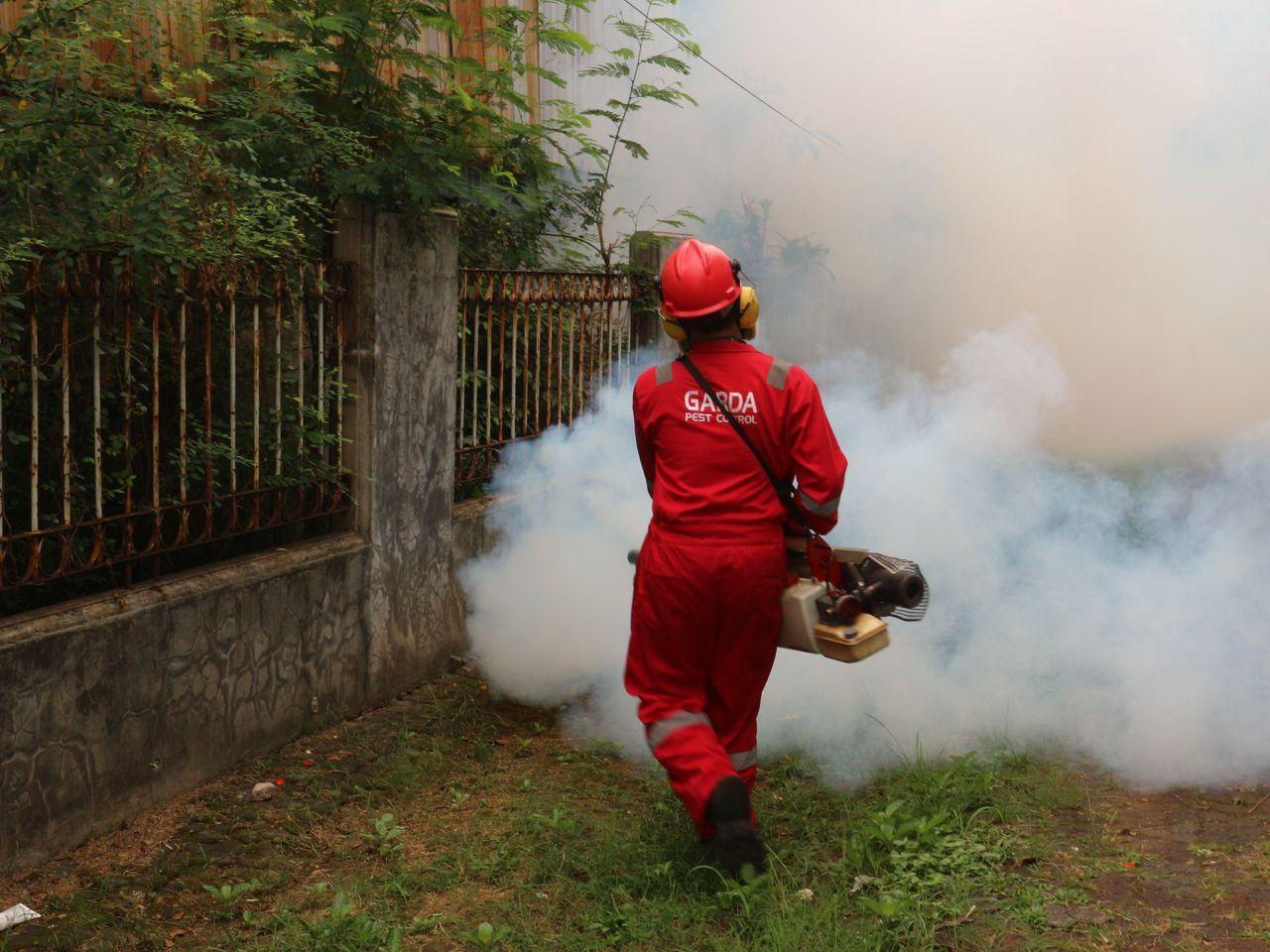
A pest control worker fogging in an outdoor space with smoke to eliminate pests

The most effective way to prevent pest problems is to be proactive. With a little effort and by incorporating a couple of simple pest prevention strategies into your routine, you can greatly reduce the risk of ants, cockroaches, and other unwanted critters infesting your rental home.

Here are seven ways you can get started:

1. Seal Every Tiny Crack and Gap

Properly seal small cracks to remove ants in your apartment. Find a tube of caulk at your local hardware store and fill the gaps around your windows and doors, and along the edges of your baseboards. Larger gaps may require steel wool before filling with caulk. If you find significant structural damage to your rental home, contact your landlord/property management company immediately to have it repaired.

2. Keep Your Kitchen Spotlessly Clean

Pests will eat anything and everything. Cleaning up every day as part of your routine will eliminate the opportunities for pests to find food in your home. Do not leave dirty dishes overnight. Pantry foods should always be stored in sealed containers. Leaving a few crumbs under the toaster will provide enough food for hundreds of roach colonies over time. A truly clean kitchen is essentially no longer inviting to pests looking for their next meal.

3. Cut Off Water Sources Immediately

Roaches and silverfish live in moist environments. Dripping faucets and/or leaky pipes provide the water these creatures need to survive. Be sure to dry your sink and shower after each use, and report any leaks to your property manager immediately. Installing a dehumidifier in damp spaces also helps keep your home less attractive to pests that prefer humid conditions.

4. Handle Trash Like a Pro

Dispose of your kitchen waste daily, not just when the trash can is full. Use trash cans with tight-fitting lids, wash your recyclables before placing them in the recycling bin, and if possible, place your outside bins away from your front door. A loose-fitting lid on a trash can provides an open invitation for mice/rodents & flies to inhabit.

5. Inspect Every Item You Bring Home

Second-hand grocery bags, old cardboard boxes, and second-hand furniture all have the potential to be carriers of “hitchhiker” insects (eggs). Dispose of grocery bags as soon as you unpack your groceries.

Check the seams, cushions, and crevices of used furniture before bringing it into your home. Throw away cardboard shipping boxes immediately after they arrive; roaches love the glue seams to reproduce in.

6. Declutter and Deep-Clean Hidden Zones

Paper piles, stacked boxes, and other hidden areas behind your appliances give pests a place to nest. Vacuum the space underneath your refrigerator, stove, and couch regularly. Keep storage areas organized and free of clutter. When you keep your living area clean and uncluttered, there is no hiding spot for pests. This will also help you identify an issue earlier rather than later.

7. Report a Single Sighting Immediately

When you see one cockroach or a few ants, most likely there are many more that you cannot see. Do not delay or count on spray products at stores. If you find evidence of bug activity, such as feces, dead bodies of insects, or live insects, let your property manager know right away. Early action by professionals prevents what may start out as a small problem from becoming a large problem affecting the entire building.

Conclusion

By being vigilant about keeping pests away from your rental home, you don’t have to resort to extreme measures; just be intentional in your daily routines.

Sealing all cracks and crevices, thoroughly cleaning every area of your home, controlling moisture levels, and immediately reporting any pest issues you find to your landlord or property management company will help prevent an infestation.

The time you spend taking preventive action for just a couple of minutes a day will save you hours of dealing with an overwhelming problem down the road.

The Seasonal Pest Guide Every Phoenix Mom Should Know

0 · Jun 17, 2025 · Leave a Comment

As a mom who loves crafting cozy spaces and planning our next family adventure, keeping our home calm and comfortable is always on my mind. Living in sunny Phoenix means beautiful weather and desert charm, but it also means dealing with seasonal pests that pop up when you least expect them. Even the cleanest, most thoughtfully designed homes can get surprise visits from ants, termites, or even the occasional scorpion.

The secret? Timing. Just like switching out your home decor for each season, staying ahead of pest activity makes all the difference. That’s why many families (including ours) trust Spark Pest Control, they understand how local pests behave all year long and offer reliable solutions that fit your routine, not disrupt it.

Let’s walk through the common pests in Phoenix season by season, and how to keep your home feeling safe and serene all year long.

Photo by Michelangelo Buonarroti from Pexels

Spring: When Critters Wake Up Hungry

The desert might not look like it hibernates, but pests do. And when the temperatures start to rise in March and April, so does the activity under your patio, behind your walls, and around your plants.

Key culprits:

  • Termites looking for wood and moisture
  • Ants setting up new colonies
  • Bees and wasps scouting nesting spots
  • Mosquitoes reappearing near any stagnant water

You’ll want to address spring pests early. This is the time to repair cracked caulk, refresh your door sweeps, and look out for early termite signs—like discarded wings near windows or pencil-thin mud tubes along your foundation.

Pro tip: Schedule your annual termite inspection in early spring. Catching them before swarm season saves you money and stress.

Summer: Scorching Heat Drives Pests Indoors

Think you’re the only one hiding in the AC come June? Scorpions, cockroaches, and spiders are right behind you—literally. As outside temps hit triple digits, many desert pests look for cooler, more hydrated hiding places.

Most common invaders:

  • American and German cockroaches (especially in kitchens and bathrooms)
  • House spiders and black widows
  • Scorpions sneaking into baseboards and closet corners
  • Crickets that keep you up all night

This is also the season where your home becomes prime real estate for pests trying to escape the heat. Sealing up gaps around plumbing and under doors is more important than ever. And if you’ve got citrus trees or fruit gardens, be prepared for sugar-loving pests to come calling.

Monsoon Season: Bugs, Floods, and Mold—Oh My

Monsoon season isn’t just dramatic skies and Instagrammable lightning. It’s also peak season for moisture-loving pests. The added humidity brings out a different breed of troublemakers that thrive in the sudden sogginess.

Watch for:

  • Mosquitoes breeding in clogged gutters and planters
  • Earwigs and silverfish coming up from drains
  • Termites expanding activity with the extra moisture
  • Mold mites and fungus gnats (yes, they’re a thing)

Your gutters and yard drainage become ground zero for infestations, so give them extra love. Check for standing water around flower beds, potted plants, and outdoor furniture. You’ll also want to be extra cautious about what’s happening inside—think leaky pipes under the sink or a humid laundry room.

Fall: The Calm Before the Infestation

Here’s where a lot of people get it wrong. Fall feels peaceful—less heat, fewer bugs on the patio, and maybe even a chance to open the windows again. But that calm is deceptive. Many pests are on the move, looking for warm places to spend winter (hello, your attic).

Pests to prepare for:

  • Roof rats seeking shelter
  • Spiders setting up in garages and basements
  • Crickets starting to breed
  • Ants sending out scouts before winter

This is the ideal time for a preventative pest treatment. A targeted barrier spray now can keep pests from settling in when it’s harder to remove them later. Think of it like putting up storm windows—only for bugs.

Man spraying water in white coverall for pest control

Winter: Why Cold Doesn’t Mean Pest-Free

Phoenix winters might be mild, but they still trigger a shift in pest behavior. Instead of swarming outdoors, pests get cozy inside insulation, crawlspaces, and even storage bins you haven’t touched since last holiday season.

Winter suspects:

  • Mice and roof rats nesting in attics
  • Spiders hiding in less-trafficked rooms
  • Cockroaches thriving in warm kitchens
  • Silverfish nibbling on paper, books, and wallpaper glue

You’ll want to be extra careful about food storage this time of year. Rodents love pantries, and they’re not shy about chewing through cereal boxes or bags of pet food.

Bonus tip: Swap cardboard boxes for sealed plastic containers when storing seasonal décor or pantry items. It’s an easy upgrade with big pest-prevention benefits.

Timing is Everything: A Pest Calendar for Your Home

To really keep your home pest-free (and your peace of mind intact), build your year around a smart pest control schedule. Here’s a quick breakdown:

Season Primary Threats Best Action
Spring Termites, ants, bees Termite inspection, seal cracks, clear yard debris
Summer Roaches, spiders, scorpions Indoor barrier spray, check for leaks, trim landscaping
Monsoon Mosquitoes, termites, gnats Eliminate standing water, treat drains, inspect crawlspaces
Fall Rodents, crickets, ants Preventative treatments, check attic and rooflines
Winter Rats, silverfish, cockroaches Inspect pantry/storage, refresh bait stations, seal access points

DIY Prevention vs. Pro Treatment: What Really Works

Let’s be honest—there’s a certain pride in handling things yourself. You’ve probably tried peppermint oil, sticky traps, and a few YouTube hacks. And sometimes, those can work… for a while. But pests in Phoenix are built different. Between the heat, humidity, and seasonal shifts, they adapt quickly.

A professional pest control company doesn’t just spray and leave. They track pest behavior, use targeted products, and create a plan that evolves with the season (and your home).

If you’re worried about kids or pets, most modern services offer eco-conscious or low-impact treatments that are both effective and safe. And the best part? You’re not chasing bugs around with a flip-flop every weekend.

Man in protective gear inspecting seasonal pests in Phoenix home

Photo by Michelangelo Buonarroti from Pexels

Final Thoughts: Stay a Step Ahead

Your home should be a sanctuary — not a place you’re sharing with silverfish or spiders. Whether you’re balancing back-to-school chaos or planning your next crafting project, seasonal pest prevention helps keep life running smoothly behind the scenes.

With a little know-how and the right support, like Spark Pest Control’s seasonal expertise, you can feel confident that your home is protected. After all, a happy home isn’t just about how it looks — it’s about how safe and peaceful it feels, inside and out.

Whether you’re a design lover with a spotless kitchen, a busy parent juggling a packed schedule, or just someone who’d rather not share your space with silverfish—pest control is part of keeping a happy, healthy home.

Why Every Family Business Needs Regular Pest Management Services

0 · Apr 2, 2025 · Leave a Comment

When it comes to keeping our homes and businesses safe, clean, and welcoming, we usually think about decluttering closets or giving the kitchen a good scrub. But one thing that often sneaks under the radar—until it becomes a real headache—is pest control. Whether you’re running a small family business, managing a home-based workspace, or simply caring for your household, regular pest management is one of those behind-the-scenes essentials that can truly make a difference.

Let’s dive into why this should be on every mom’s radar—whether at home or in business.

Pests Don’t Care if It’s a Home or a Shop

Whether it’s your cozy kitchen, a family-owned café, or a craft room filled with supplies, pests don’t discriminate. From mice and ants to cockroaches and flies, they’ll settle in wherever they can find food, water, and a place to hide.

Health Hazards Hit Close to Home

These little intruders bring more than just the “ick” factor—they can also carry bacteria and cause illnesses. For families, especially with small children, or anyone running a food-related business from home, regular pest management is essential for keeping living and working spaces safe and hygienic.

professional pest management service

Why Moms and Small Business Owners Shouldn’t Ignore Pest Control

Let’s be real—life is busy. Whether you’re juggling after-school pickups or back-to-back Etsy orders, pest control might not be top of mind. But skipping regular pest management can lead to bigger problems down the line.

Property Damage Adds Up Fast

Rodents love to chew—on wires, walls, even your favorite pantry staples. Termites can go undetected for ages while quietly damaging your home’s structure. With regular pest management, these issues can be caught and handled before they become expensive repairs.

Your Reputation Matters—Online and In Real Life

Running a home business like baking, crafting, or childcare? All it takes is one pest-related mishap to damage your credibility. Word-of-mouth and online reviews can spread quickly, especially in tight-knit communities. Keeping things clean and pest-free with regular pest management helps protect your reputation and peace of mind.

Staying Compliant with Health and Safety Standards

If your business operates in a space that serves food or hosts clients (like a home salon or kitchen), you may need to follow local health regulations. Regular pest management is often a required part of staying compliant—and it keeps your workspace safer for everyone.

Benefits of Regular Pest Management for Families and Businesses

Adding pest control to your seasonal checklist might feel like just one more thing—but trust me, it’s worth it.

Preventing Problems Is Always Cheaper

It’s easier (and way less expensive) to stop a pest problem before it starts. Preventive treatments and inspections are more budget-friendly than calling for emergency help after discovering a full-blown infestation.

Tailored Solutions for Every Home or Business

A professional pest manager can customize services based on your setup. A home bakery might need different care than a garden shed or garage studio. Whatever your space looks like, regular pest management can be adapted to suit your needs.

For those managing shops or homes in the Southeast, pest concerns can be especially persistent throughout the year due to the region’s warm, humid climate. If you’re located in this area, specialized services like North Carolina pest control provide tailored solutions focused on local pests and regulations, ensuring homes and family businesses receive proactive protection year-round.

A Healthier, Happier Environment

There’s nothing better than knowing your home or business is clean, safe, and truly pest-free. When pests aren’t an issue, your family stays healthier, and your workdays run smoother—no distractions, no worries.

regular pest management

How to Choose the Right Pest Control Partner

Not all services are created equal, so here’s what to look for when choosing a pest control provider:

  • Experience and understanding of home-based businesses and family homes

  • Safe, eco-friendly methods that are pet- and kid-friendly

  • Flexible service plans that offer regular maintenance, not just one-time fixes

  • Proper licensing and compliance with local safety standards

Conclusion: Give Yourself Peace of Mind with Regular Pest Management

Let’s face it—pests aren’t just a nuisance, they’re a threat to the places and people we care about most. Regular pest management gives you peace of mind, protects your investment, and helps you keep everything running smoothly—whether it’s a family dinner or a batch of orders for your shop.

Making pest control a routine part of your home or business maintenance just makes sense. It’s one of those simple steps that can go a long way in protecting what matters most.


Primary Sidebar

Heather from Whipperberry
Hello... my name is Heather and I'm the creator of WhipperBerry a creative lifestyle blog packed full of great recipes and creative ideas for your home and family. I find I am happiest when I'm living a creative life and I love to share what I've been up to along the way... Come explore, my hope is that you'll leave inspired!

Footer

  • Privacy Policy
  • Crafts
  • Food
  • Gifts
  • Holidays
  • Home
  • Mom Life
  • Recipes
  • Travel

Copyright © 2026 · Seasoned Pro