A beautiful home comes together through a series of considered choices: the chair you reach for every morning, the lamp you turn on after dinner, the rug that softens the floor beneath bare feet.
The best décor investments aren’t always the loudest pieces in the room. They work quietly in the background, adding comfort, usefulness, and a sense of finish to everyday life.
Here are five timeless home décor investments worth making, especially if you want your home to feel more personal, practical, and lived-in over time.
1. A Well-Made Rug That Grounds the Room
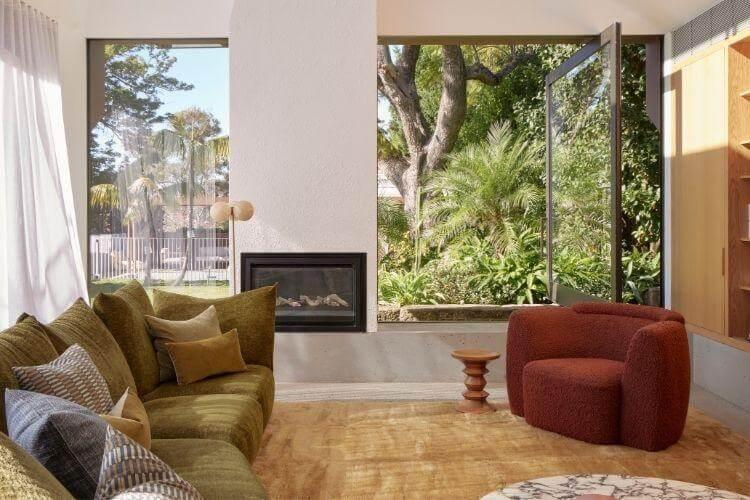
A rug is one of the most useful pieces you can bring into a home. It softens hard flooring, defines a seating area, reduces echo, and gives furniture a visual anchor. In open-plan spaces, a rug can make a living area feel intentional instead of loosely arranged.
Neutral rugs are often considered the safest choice, but brown deserves more attention. From warm tan and caramel to chocolate, walnut, and tobacco tones, brown works beautifully with timber, stone, linen, cream, olive, brass, black, and terracotta. It adds warmth without demanding a full colour commitment.
For homes with children, pets, or heavy foot traffic, practicality matters as much as tone. Brands such as double.online have helped make washable, design-led rugs feel more accessible for real homes, rather than only styled rooms. Their brown rug collection is a useful example of how a practical piece can still carry texture, pattern, and design weight.
A rug isn’t only decorative. It changes how a room feels underfoot. That is why it is worth choosing one with the right scale, material, and maintenance needs for the way you actually live.
Double also demonstrates how washable rugs have evolved beyond purely functional designs. Its collections combine original in-house patterns with materials ranging from recycled polyester to washable natural fibres, making it easier to choose a rug that suits both your interior style and everyday routine.
2. Lighting That Works Beyond the Ceiling
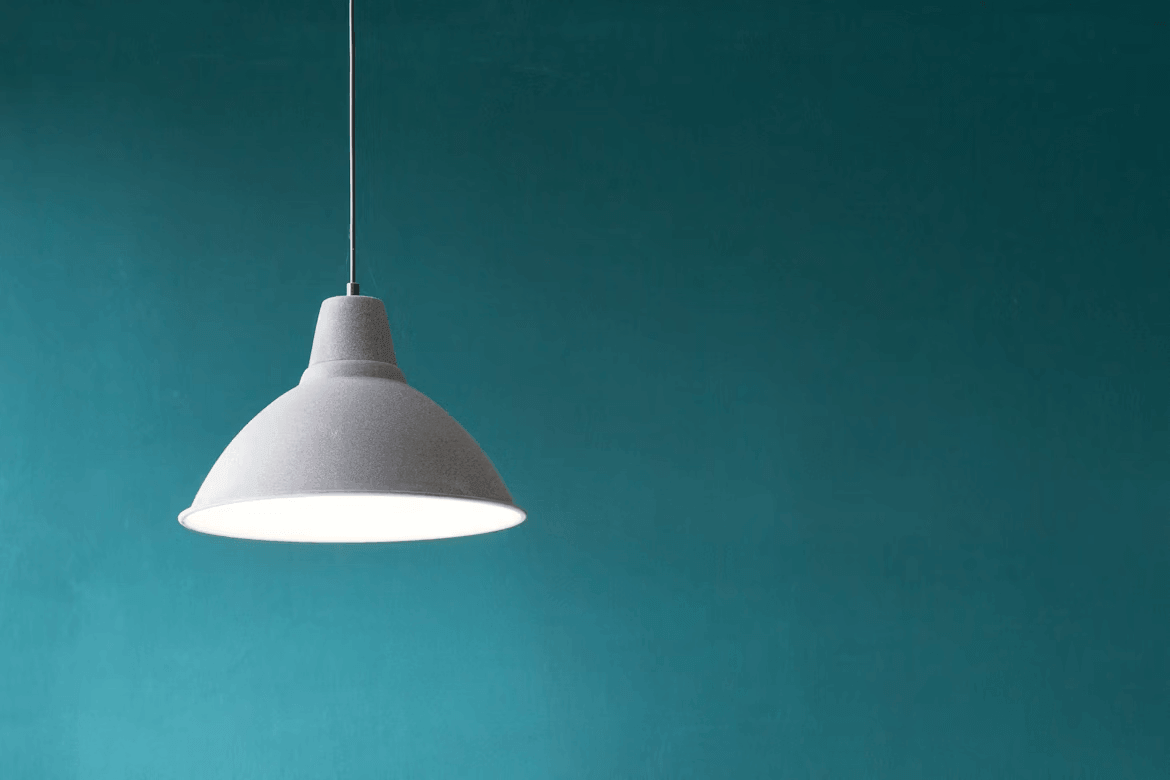
Overhead lighting has its place, but it rarely makes a room feel complete on its own. A timeless home usually relies on layers: a floor lamp near a reading chair, a shaded table lamp beside the sofa, task lighting in the kitchen, and softer light in bedrooms.
The goal isn’t to make every corner bright. It’s to create options.
Lighting has a practical effect, too. The Sleep Foundation notes that light levels are one of the elements of a bedroom environment that can support better rest, alongside temperature, noise, and comfort (Sleep Foundation, 2025). That doesn’t mean every home needs blackout curtains and a perfectly controlled sleep setup, but it does suggest that lighting deserves more thought than a single central fixture.
For a more comfortable home, invest in lamps with fabric or paper shades, dimmable bulbs where possible, and warm-toned lighting in spaces where you relax. Cool white bulbs might work in a garage or laundry room, but they can make living areas feel flat and clinical.
A good lamp also has staying power. It can move from a bedroom to an entry table, from a living room corner to a home office, and still make sense years later.
3. Solid Storage That Reduces Visual Clutter
Storage is one of the least glamorous décor investments, but it’s also one of the most appreciated. When everyday objects have a place to go, a room becomes easier to enjoy.
This is especially true in family homes, craft rooms, kitchens, and entryways. Shoes by the door, school bags on the floor, toys in the living room, mail on the bench: these aren’t design failures. They’re signs of a home being used.
Consider a timber sideboard, a lidded basket, a cabinet with doors, or a bench with concealed storage. Open shelving can look lovely, but it asks a lot from the person styling it. Closed storage is more forgiving.
The National Association of Realtors’ 2022 Remodeling Impact Report found that closet renovation received a perfect “Joy Score” of 10 from homeowners, which reflects how much people value storage improvements after living with them (National Association of Realtors, 2022). The same principle applies on a smaller scale. A good cabinet may not transform a house overnight, but it can change the rhythm of daily life.
Choose storage that suits the room rather than fighting it. In a living room, woven baskets can hold blankets or children’s toys. In a dining area, a sideboard can hide table linens, candles, and serving pieces. In an entryway, hooks and a bench can save the floor from becoming a drop zone.
4. Natural Materials That Age Well
Some pieces look best on the day they arrive. Others become better with use. Natural materials often fall into the second category.
Timber develops marks. Linen softens. Leather darkens. Wool compresses in the places people walk most. Stone and ceramic bring irregularity that mass-produced smooth surfaces often lack.
This is one reason natural materials tend to feel timeless. They do not depend entirely on trends. They have texture, variation, and a relationship with use.
The WELL Building Standard’s biophilia guidance points to the value of bringing nature and natural references into interior environments, connecting these ideas with emotional and psychological wellbeing (International WELL Building Institute, n.d.). In a home, that doesn’t need to look like a wall of plants or a complete renovation. It can be as simple as a timber stool, a jute basket, cotton bedding, a wool rug, a ceramic lamp, or a stone catchall on the entry table.
The key is restraint. Too many materials can make a room feel busy. A few well-chosen pieces create depth.
When buying natural materials, look closely at maintenance. A marble coffee table may be beautiful, but it will mark. Linen will crease. Timber may need oiling or repair over time. These aren’t reasons to avoid them. They’re reasons to buy with clear expectations.
Brands are also rethinking what natural materials can do. Double, for example, has expanded beyond conventional washable rugs by developing collections in New Zealand wool, organic cotton, and washable natural jute, giving homeowners more options if they want natural textures without sacrificing practicality.
5. One Quality Chair You Actually Use
A good chair can change the way you use a room. It gives you somewhere to read, drink coffee, put on shoes, take a phone call, or sit for five minutes before the rest of the day begins.
Not every home needs an expensive designer chair. What matters is comfort, proportion, and placement.
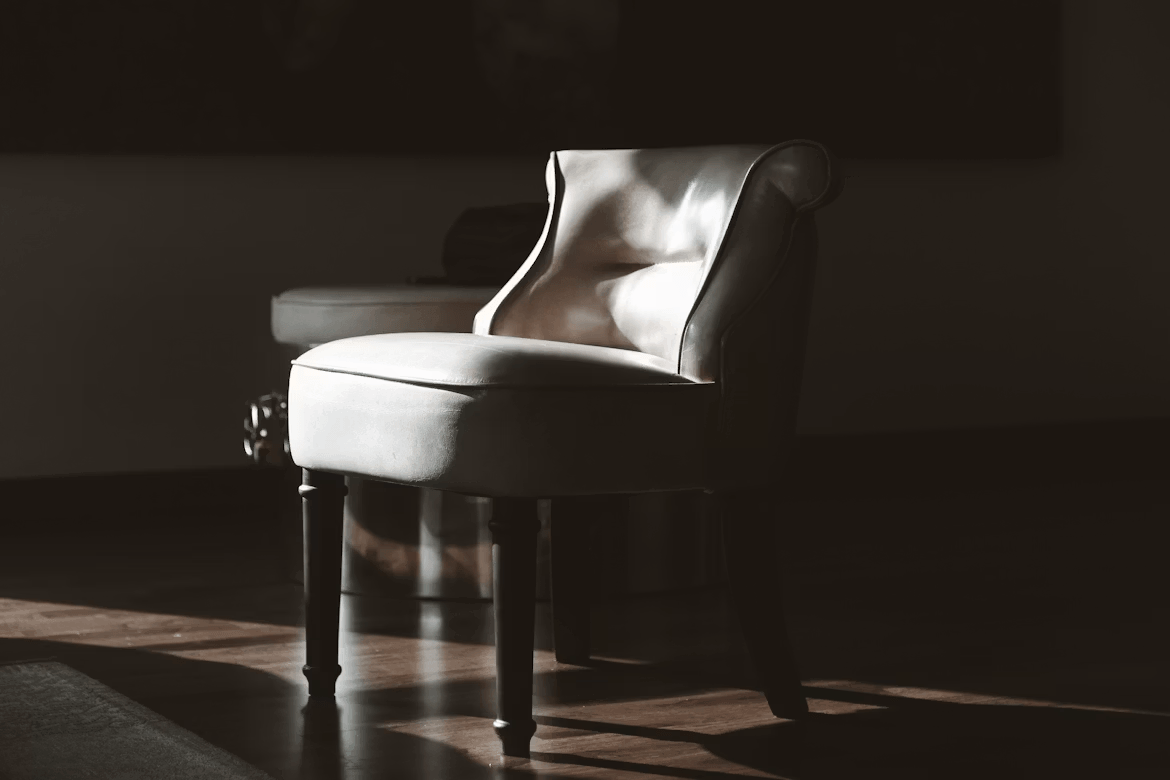
Deep lounge chairs look inviting, but they aren’t always ideal for older relatives or visitors who prefer firm support. A small slipper chair may be perfect in a bedroom, but too low for conversation in a living room. Dining chairs should be comfortable enough for people to linger after a meal.
Before investing, think about where the chair will be used most. A reading chair needs good light nearby. An entry chair needs durable fabric or timber. A bedroom chair should be useful, not just a place for laundry to gather.
Upholstery is also worth considering carefully. A patterned fabric can hide wear better than a plain pale one. Darker tones, textured weaves, and removable cushion covers are helpful in homes that see a lot of daily use.
The right chair becomes part of a household’s routine. It is where someone sits with a book, where a child climbs up with a blanket, or where a guest naturally settles during a long conversation.
Conclusion
Timeless décor is not about buying the most expensive version of everything. It is about choosing pieces that keep earning their place.
A well-made rug, layered lighting, useful storage, natural materials, and a comfortable chair all contribute to the way a home feels day after day. They aren’t one-season updates. They are the pieces you notice because they make ordinary routines easier, warmer, and more enjoyable.
The most lasting homes aren’t perfect. They’re practical, personal, and full of things chosen with care.
References
- International WELL Building Institute. (n.d.). Biophilia I: Qualitative. WELL Standard.
- National Association of Realtors. (2022). 2022 Remodeling Impact Report.
- Sleep Foundation. (2025). Bedroom Environment: What Elements Are Important?
- U.S. Environmental Protection Agency. (2026). Indoor Air Quality.
Leave a Reply