• Skip to primary navigation
  • Skip to main content
  • Skip to primary sidebar
  • Skip to footer

Whipperberry

WhipperBerry • Your Home For Creative Inspiration

  • Home
  • Recipes
    • Starters
    • Easy Weeknight Dinners
    • Main Dish
    • Salads
    • Side Dish
    • Soups & Stews
    • Desserts
    • Breakfast
    • Miscellaneous
  • Tutorials
    • Creative Crafts
    • DIY Decor
    • Fabric Crafts
    • Food How-To
    • Jewlery
    • Paint Projects
    • Paper Art
    • Party Styling
    • Photography and Graphic Design
    • Silhouette
  • Holidays
    • Easter
    • Mother’s Day
    • Father’s Day
    • 4th of July
    • Halloween
    • Thanksgiving
    • Christmas
    • Valentine’s Day
  • Gift Ideas
    • Gifts For Everyone
    • Gifts for Dad
    • Mother’s day
    • For The Girls
    • For The Kids
    • Teacher Gift Ideas
    • Christmas
  • Printables
    • Holiday
    • Gift Idea
    • LDS Primary
  • Travel
  • About
    • Terms
  • Contact
  • Nav Social Menu

    • Facebook
    • Instagram
    • Pinterest
    • RSS
    • Twitter

home decor

From Boring to Beautiful: Home Upgrades and Replacements That Make a Big Impact

0 · Sep 23, 2025 · Leave a Comment

Small visual changes can give any place new life. Dated features or aging materials tend to make rooms feel dull and less inviting. That doesn’t mean you need a massive overhaul to improve things. Simple home upgrades like repainting walls, replacing flooring, or updating lighting can completely shift the feel of your surroundings.

Even something like a front door swap can make a strong first impression. Before jumping into any project, consider which parts of your place look worn down and how much value a targeted update can add.

Here’s how you can get started:

Why Curb Appeal Starts With the Front Door

First impressions matter, and the entry point sets the tone. If your front door looks faded, warped, or outdated, it’s worth considering a change. A new door made from durable materials with modern hardware adds both security and style.

Color choice plays a big role, too. Earthy neutrals, deep blues, and matte blacks are in demand. If the trim or frame is chipped, repainting it gives an instant refresh. Swapping in a smart lock or upgraded handle also adds a subtle luxury touch.

These changes don’t require tearing anything apart. A simple door refresh improves the front view and changes how people feel as they walk through it.

Home Upgrades

Upgrading Windows: An Investment That Pays Off

Changing your windows offers more than better visuals. A trusted replacement window contractor can improve energy savings and indoor comfort with custom-fit installations. They can offer vinyl, fiberglass, and wood interior window options designed for different preferences and budgets.

A reputable replacement window company can also guide you on design, measure with accuracy, and handle the work without subcontracting. Their process includes a free in-person consultation to review choices and answer questions clearly.

You can expect tight sealing, smooth operation, and minimal disruption during installation. Noise control and better insulation come with it. These upgrades help lower utility bills while giving you clear, well-fitted panes that match your style.

Swapping Out Old Flooring

Flooring has a major effect on how fresh or dated a room feels. Old carpeting traps dust and shows wear easily. Damaged tiles or warped boards distract from the rest of the design. You don’t have to go with high-end wood to make a good change.

Many people opt for luxury vinyl planks or engineered options that mimic the look of real wood without the high cost. These materials work well in both dry and humid areas, making them versatile. Light oak, medium walnut, or neutral greys are popular for their clean appearance. New flooring makes rooms feel cleaner, more open, and easier to care for.

Updating Lighting Fixtures and Bulbs

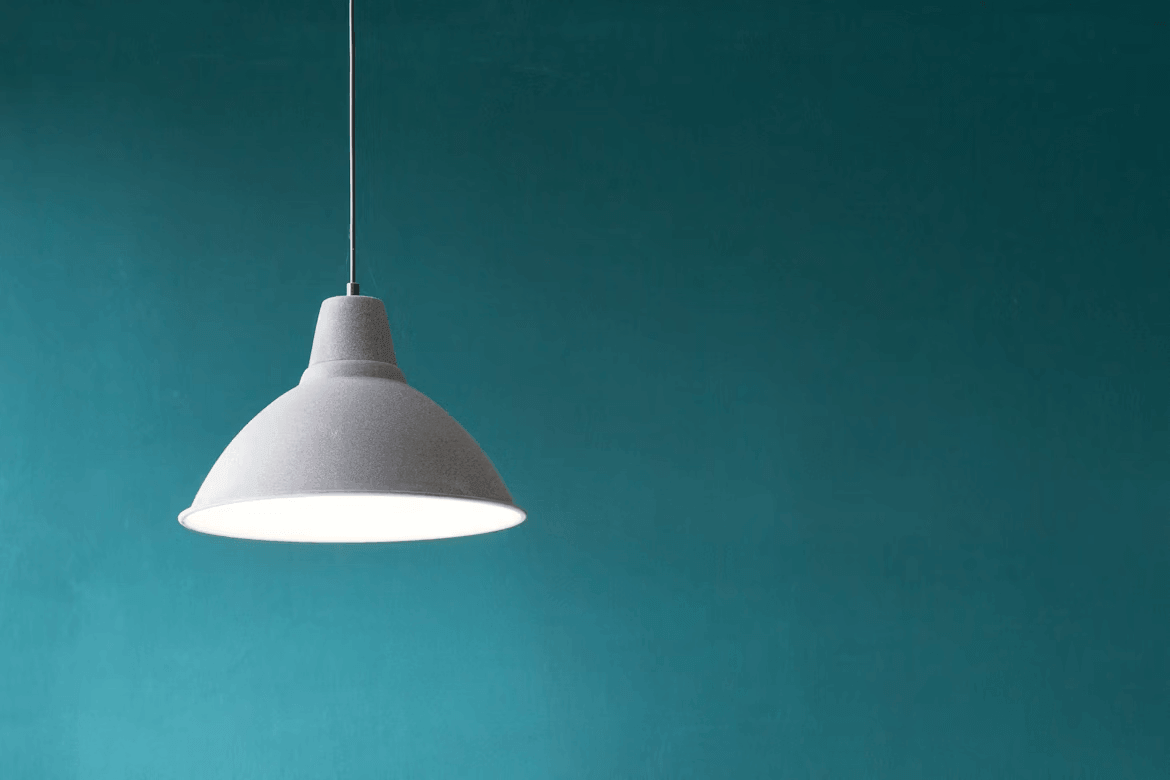
Lighting plays a bigger role than most people think. A dated fixture with yellow bulbs makes everything look dull. Replacing fixtures with simpler, cleaner designs changes the vibe instantly. Choose LED bulbs that use less energy and create even light.

Try using layered lighting: overhead lights, wall sconces, and floor lamps can each serve a purpose. Dimmers allow you to adjust brightness based on the time of day or activity. Look at your kitchen, entryway, and main room first. They usually make the most impact.

Swapping one or two fixtures doesn’t take long, and it often makes the room feel more finished and relaxed without much effort.

Refreshing Kitchen Cabinets Without a Full Remodel

You don’t always need to rip things out to update your kitchen. Often, the base structure of the cabinets is fine. It’s just the finish or hardware that looks outdated. Painting them in fresh, neutral colors like soft white, beige, or slate grey can brighten the area.

Swapping knobs or handles with clean, simple designs makes a noticeable difference. You could also remove upper doors to create open shelving without rebuilding anything. For a more significant change with minimal cost, consider adding a tile backsplash in a classic pattern. This balances style and function without a full makeover. Small adjustments like these make a daily-used area more enjoyable.

Small Bathroom Changes with a Big Return

A few targeted updates can make any bathroom feel clean and refreshed without starting from scratch. Swapping out an old faucet or adding a new mirror can shift the entire mood. Choose streamlined fixtures and keep the color palette light and simple.

Towel hooks, shelving, and matching hardware can tie everything together without overwhelming the space. Even re-caulking around the sink and tub gives a fresher look. If the vanity feels bulky or outdated, consider painting it or replacing just the countertop.

Focus on useful items. Things you touch or see every day. These subtle adjustments bring the space up to date without taking on a full remodel.

Home Upgrades and Replacements

Smart Thermostats and Simple Energy Savers

Adding a smart thermostat doesn’t just look sleek. It helps save money and reduces energy use. These devices learn your schedule and adjust the temperature automatically. Some models allow app-based control, so you can fine-tune your settings remotely.

This is especially helpful if you’re away often or have inconsistent routines. For even more energy control, consider sealing gaps around doors or switching to insulated shades. LED bulbs and smart plugs also help manage energy in daily use.

These changes don’t take long to install but can impact long-term utility costs. You’ll notice the comfort and ease right away, especially during peak heating or cooling seasons.

Built-In Storage That Works for Real Life

Built-ins help you organize areas that usually collect clutter. Whether it’s a custom closet system, media console, or added shelving in a laundry area, these upgrades keep things neat without needing more square footage.

Use drawers or closed cabinets for things you don’t want on display, and open shelving for decor or books. Some designs even incorporate seating, like a small bench with storage below. If hiring a carpenter is too costly, there are modular kits that work well with minimal tools. This kind of built-in option brings order and purpose to your everyday routines without feeling bulky or overdone.

You don’t need a full-scale remodel to make meaningful changes. Small updates, like swapping out lights, adding storage, or refreshing your front door, can completely shift how your space feels.

Replacing windows through a trusted provider brings both comfort and savings. Thoughtful upgrades, even when done one step at a time, make daily routines easier and more enjoyable.

Choose what works best for your budget, timeline, and needs. Focus on changes you’ll actually use and notice. With the right priorities, any place can go from tired to polished—and you don’t have to start from scratch to get there.

Budget-Friendly Ways to Decorate Your Home with Homary

0 · Sep 2, 2025 · Leave a Comment

Transforming your living space into a home that reflects your style and personality doesn’t have to break the bank. Homary offers a wide range of stylish furniture and decor solutions to suit every taste and budget. If you’re on the lookout for cost-effective ways to spruce up your space, consider using Homary discount vouchers at Latest Deals.

Finding Your Style

Unearthing your unique decor style can feel akin to embarking on an archaeological dig. Layers must be peeled back to reveal the gems beneath – those gems being your personal preferences. Ever glanced at a rustic log cabin with cozy corners and felt an unusual pull? Or perhaps your heart skips a beat every time sleek, modern lines parade across your Instagram feed.

Start by spending some time identifying what styles truly hook your attention, whether it’s the clean simplicity of modern looks, the warmth of rustic charm, or the unpredictable dynamism of the eclectic. This self-awareness will light your way in the labyrinth of shopping decisions.

House adorned with Christmas lights for budget-friendly decor

But where to gather your thoughts and ideas? Inspiration boards are your best buddies. No need to limit these boards to Pinterest alone. Run to traditional home decor magazines or other visual platforms, and start gathering images of rooms, designs, or items that make you think, “Oh yes, that’s what I want.” This collage of desires morphs into your North Star as you embark on your shopping spree with Homary.

The reward of this small exercise is a home with such a strong resonance with your soul, it pulls a note of contentment from within. You’d be creating a space that’s not just decorated, but steeped in your essence. That’s the real win.

Essentials for Every Room

When beginning your home redecoration journey, start with the basics. Every room has its non-negotiable features, pieces of furniture or decorations that set the tone and serve as the foundation for the rest of the room’s décor. Here’s a snapshot of what to focus on for each of the main rooms:

● Living Room: This is where you and your guests spend much of your time, so comfort is paramount. Begin with a plush sofa, large enough to seat your usual number of guests. Then, find a coffee table that compliments the style of the sofa and is the right size for your space. Finally, illuminate the area with lighting that suits the room’s ambiance but also fulfills your functional needs, be it for reading, watching movies, or socializing. Don’t forget to add décor that reflects your personality, like wall art, throw pillows, or a statement piece. Seasonal touches, such as Halloween art from The GOAT Wall Art or autumn prints, bring festive charm.

● Bedroom: Sleep is one of the most important aspects of our lives, so investing in a quality bed frame and mattress should be a priority. Once these essentials are in place, you can focus on the aesthetics, choosing a headboard and bed linens that match your personal style but also promote a peaceful, calming environment for restful sleep.

● Kitchen and Dining Area: Functionality rules in these areas, but that doesn’t mean compromising on style. Consider multi-purpose furniture like extendable dining tables for adjustable guest seating. Balance out the room with clever storage units that keep common items at easy reach, yet shielded from sight. Modern designs can allow these units to be an appealing component of your décor—think open shelving or stylish cabinetry.

Remember, while setting up these essential items, you’re not just filling space. You’re creating an environment that combines functionality with your personal design preferences. Once you have these central pieces in place, you can then look towards accessorizing and embracing décor trends. Homary provides an expansive selection of stylish, quality essentials that won’t hurt your wallet, helping you establish a home that truly feels like your own.

Embracing Trends

Trends bring freshness to any home, but they should enhance your style rather than replace it. This year it might be bold colors, next year it could be soft pastels. Add these shades through pillows, accent chairs, or wall paint for an instant update.

Cozy living room with furniture and christmas tree decor

Patterns also make an impact. Try geometric prints, stripes, or dots in rugs, curtains, or cushions. For materials, experiment with natural fabrics, velvet textures, or brass finishes.

Keep balance in mind. A single trend piece can transform a room without overwhelming it. Small updates like new throws or updated lighting keep your home current while your core style stays intact.

Making the Most of Discounts

Frugality and style can go hand in hand when it comes to decorating your house. One of the most efficient ways to keep your costs down while still personalizing your space is by taking full advantage of the discounts that Homary offers.

Staying Informed on Deals

To maximize savings, keep an eagle eye on Homary’s website or join their newsletter for the latest deals. New offers pop up regularly and may include:

● Seasonal sales

● Special promotions on specific product lines

By staying attuned to the sales schedule, you’ll be able to anticipate the best time to purchase items like a velvet accent chair or a modern pendant light you’ve been eyeing.

Using Discount Vouchers

● Extra Savings: Discount vouchers can add extra savings, especially when combined with ongoing sales.

● Strategic Usage: Use vouchers to further reduce prices on sale items or to cut costs on higher-ticket pieces.

These vouchers act as a secret weapon, allowing you to elevate your home’s decor without elevating your budget.

Maximizing Savings on Larger Purchases

Some Homary discounts offer percentage savings that increase with the purchase amount. To capitalize on this:

● Group Purchases: Buy in bulk or group smaller purchases together for maximum savings.

● Comprehensive Revamps: Plan larger buys instead of making piecemeal purchases.

By using discounts strategically, you can achieve your desired home transformation without emptying your wallet. Staying informed, timing your purchases, and using tools like vouchers and sales will ensure you get more bang for your buck.

Room-by-Room Guide

Sprucing up your house involves more than buying a few new furniture pieces, it involves creating moods and telling your unique story. Here’s a simple, room-by-room guide to help you do just that:

● Living Room: This is your stage, your most public room, so don’t shy away from making a statement. Consider a unique conversation piece, an abstract sculpture, a bold rug, a large piece of art or an unconventional coffee table book that expresses your distinctive tastes. With Homary, you can explore a vast selection of unique furnishings and décor to bring your living room to life.

● Bedroom: The ultimate private sanctuary. In addition to the bed, invest in adding layers of texture: think along the lines of plush cushions in luxurious fabrics, dreamy throws and drapes, and statement curtains. To further ramp up the potential for relaxation, shop nightstands and lampshades from Homary’s extensive collection.

● Bathroom: Often overlooked during the decorating process, your bathroom is a space of rejuvenation, so treat it as such. Subtle, low-cost upgrades such as fluffy new towels in a coordinated color, the addition of a soft bath mat, a fresh, seasonally themed shower curtain or even a quick-growing indoor plant can add a spa-like aura and spruce up this small, yet important space. Homary’s assortment of bathroom accessories can give you endless ideas.

Taking a room-by-room approach reduces the overwhelming nature of a full-house decorative redesign – and your house, in turn, becomes a compilation of spaces that truly reflect your personal style. And remember, your home should evolve as you do, so feel free to revisit and redefine your décor as regularly as you please. With Homary’s diverse offerings and insightful discounts, you’ll have all the tools necessary to customize your environment. Enjoy the journey!

Incorporating personal touches in your space

It is key in making it feel more like home. After all, your home should reflect not just your style, but also your memories, your experiences, and your personality. Instilling these elements into your living space will undoubtedly create an environment that you not only appreciate but feel deeply connected to.

Displaying family photos

Consider displaying family photos or cherished snapshots from unforgettable vacations to add a nostalgic layer to your home. Combining these with elegantly framed artworks you’ve personally created gives your home a unique artistic touch that can spark conversations with guests or simply serve as pleasant daily reminders of your talents and passions.

Mementos

Don’t forget about mementos – that tiny cactus from your trip to Arizona or the quaint tea set you fell in love with at a market in Tokyo. These pieces bring a world-travelled flare into your humble abode and certainly add depth and a story-telling aspect to your space.

DIYS

Of course, another great way to personalize your home is by diving into some do-it-yourself (DIY) projects. Whether it’s a beautiful macrame wall hanging, a hand-painted vase, or a shabby-chic photo board, these works give your home an even more authentic feel. Plus, they provide a great opportunity to show off your skills and flair.

Cozy living room decorated with christmas tree for budget-friendly holiday ambiance

In conclusion, don’t be afraid to make your house a true reflection of yourself. The more personal elements you include, the more you’d be able to say, with no holds barred, that it’s your home. Homary can provide those essential pieces, but it’s your personal touches that will make them shine in your unique space.

Final Tips for a Cohesive Look

When decorating your home, it’s not just about filling empty spaces with beautiful pieces. It’s about creating a harmonious environment that speaks to who you are. To achieve a cohesive look, there are three key elements to consider: consistency, balance and proportion, and the art of mix and match.

Consistency

First, let’s talk about consistency. Sticking to a consistent color palette and decor style throughout your home can make it feel well thought out and unified. Whether you’ve decided to go minimalist with grays and whites, or you’re a rainbow lover who cannot do without a splash of color, keep your eye on the ball. Decidedly, maintaining a common design thread can be the difference between a house that feels jolked together and a home that exudes a calming energy.

Balance and Proportion

Then there’s balance and proportion; these are the secret sauce to functionality. Have you ever walked into a room and thought, “Something’s off here?” Odds are, the furniture dimensions and their placements didn’t match. A gigantic sofa in a tiny room not only gobbles up all the open space but also makes moving around a chore. On the other hand, a modest-sized chair in a large room may feel lost. Strive for a thoughtful furniture-to-room size ratio and remember everything in its right place; space planning is key.

Mix and Match

Finally, dare to mix and match. It’s a myth that everything has to match. A home brimming with catalog furniture can feel impersonal. So why not mingle your Homary finds with precious heirlooms and quirky flea-market treasures? Pair that sleek modern lamp with your grandma’s vintage table, prop a cutting-edge Homary art piece on a distressed wall for an edgy twist. This strategy instills character into your dwelling.

So, there it is. You don’t need to be an interior design pro to transform your home into an aesthetically pleasant haven. All it takes is a bit of consistency, balance, and a bold spirit to mix and match. Happy Homary redecorating!

Top Rug Styles to Transform Your Living Room Decor

0 · Aug 5, 2025 · Leave a Comment

Do you want to change your entire living room for less money?

There is one thing that can transform any space in seconds and that will tie the entire room together in a magical way. Is there one secret trick that interior designers use over and over again?

The right rug.

Listen carefully…. 67% of area rugs end up in the living room and it’s not a coincidence. A rug is a very important part of any living room as it not only covers your floor but anchors your entire furniture, defines your seating area and it creates the foundation for everything else in the room.

But there’s a problem…

In most cases people don’t choose the right rug style for their space. They usually go for the wrong size, pick the wrong material and they choose a pattern that doesn’t go with the decor.

It’s about to change.

In this article we are going to cover:

  • Why Your Living Room Needs The Right Rug
  • The Top 6 Rug Styles That Actually Work
  • Choosing The Right Material For Your Lifestyle
  • Getting The Size Right (Rug Proportions That Work In Every Room)

Why your living room needs the right rug

Before we get into all the nitty-gritty about specific styles, let’s clear up why this is important.

A living room rug should do these 3 things:

  1. Creates visual boundaries – The rug outlines your seating area and makes it intentional
  2. Add texture and warmth – Hard floors are cold and uninviting without something soft underfoot
  3. Pull everything together – A rug connects all your furniture and decor into a cohesive look.

Think of a rug as the foundation of your house. If you don’t get the foundation right everything else looks off.

Close up texture of a plush rug resembling animal fur

Photo by Lukas from Pexels

With 29% of households planning on purchasing an area rug in the upcoming year there is no better time to get it right.

Let’s get started.

The Top 6 Rug Styles that Actually Work

1. Bold Geometric Patterns

Geometric patterns are a total trend right now.

Why they work: Clean lines add interest without cluttering your space. They feel modern but won’t go out of style anytime soon

Best for: Minimalist spaces that could use a personality boost

Pro tip: Keep to 2-3 colors max or it will look chaotic.

2. Natural Fiber Textures

Jute, sisal and hemp rugs are taking over the internet right now and for a reason.

Why they work: They bring that chilled, coastal vibe everyone is craving. They also hide stains and dirt like a dream.

Best for: High traffic areas, pet owners and people who want low maintenance style

3. Vintage and Distressed Looks

Is there anything better than a new rug that feels old and collected over time?

Why they work: The worn look makes your space feel layered and curated. New stains just add “character”

Best for: Traditional, boho or eclectic living rooms

4. Earth Tone Solids

Keep it simple – solid colored rugs in neutral earthy tones are big right now.

Why they work: Colors like terracotta, warm beige, sage green and mustard yellow all work with any style. You can’t go wrong.

Best for: People who change their decor often

5. Abstract and Artistic Designs

These are essentially a work of art on the floor.

Why they work: Abstract patterns add interest without being too literal. These are fun conversation starters that don’t overwhelm.

Best for: Contemporary spaces in need of a focal point

6. High-Low Pile Textures

These rugs use different heights of pile (texture) to create a dimensional pattern.

A detailed patterned rug in a living room setting

Why they work: The textures play with light in different ways which adds visual interest even if the colors are neutral.

Best for: Living rooms where you want texture without a specific pattern

Choosing the right material for your lifestyle

The problem most people make is that they choose their rug based on how it looks only.

Smart material choices:

  • Wool – Durable, stain resistant, soft – Great for families
  • Synthetic – Easy to clean, affordable – Perfect for high traffic areas
  • Natural fibers (jute, sisal, seagrass, etc) – Durable, eco friendly, interesting texture – Ideal for low maintenance spaces
  • Cotton – Soft, machine washable, budget friendly – Best for low traffic spaces

Pro tip: Avoid delicate materials if you have kids or pets. Stick to durable and easy to clean performance fabrics.

Getting the size right (rug proportions that work in every room)

It’s not a secret that one of the biggest mistakes people make is buying a rug that’s too small.

The golden rule: Your rug should be big enough that the front legs of your primary seating furniture all sit on the rug

Average living room sizes:

  • Small rooms (under 150 sq ft) 6′ x 9′ rug
  • Medium rooms (150-300 sq ft) 8′ x 10′ rug
  • Large rooms (over 300 sq ft) 9′ x 12′ or larger rug

Pro tip: To make the room look bigger keep 12-18″ of space between your rug and the wall on all sides. This will give it a little breathing room and create a bit of negative space.

Smart Rug placement that makes any room look good

Rug placement is often overlooked but it’s the key to making everything look right.

Modern living room with stylish couch and decorative rug

The foolproof rug placement method:

  1. Center the rug on your main furniture grouping
  2. Ensure your coffee table sits fully on the rug
  3. Keep consistent leg placement (either all on or all off the rug)

Placement mistakes to avoid:

  • Floating a tiny rug in the center of a large room
  • Pushing all furniture against the walls
  • Choosing a rug that ends right against the wall

Making it work in your online rug retailer search

Shopping for a rug online can be a gamble. Here’s how to make it a success:

Before you buy:

  1. Measure your space and furniture placement
  2. Order rug samples whenever possible
  3. Check return policies (some rugs are no returns)
  4. Read reviews from customers with similar room size

Pro tip: Bring out the painter’s tape and tape off your rug size directly on the floor to test first.

Trends to follow (and the ones to skip)

Hot trends to use for 2024-2025:

  • Sustainable and eco friendly materials
  • Bold saturated colors (think jewel tones)
  • Washable and performance fabrics
  • Layered rug looks

Trends that should be taken with a grain of salt:

  • Ultra trendy patterns (they date in a hurry)
  • All-white or very light colors (unless you are a monk)
  • Tiny rugs in large areas (never works)

Wrapping it all together

The right rug can completely transform your living room – but you need to choose wisely.

Focus on these key factors: size (bigger is almost always better), material (match your lifestyle) and style (pick a design that you actually love and not just what’s trendy).

It’s also important to remember that this isn’t just about following trends. It’s about getting a rug that works for your space, your lifestyle and your budget.

The takeaway: A good rug is an investment that pays you back every single day. Don’t rush it and do your research first.

Start with one of the 6 styles we covered, pick the right size for your space and don’t overthink it. The best design decisions are usually the simplest ones.

Modular Mastery: Designing Flexible Canvas Walls with Mixtiles’ Adaptive Mounting System

0 · Mar 30, 2025 · Leave a Comment

Many homeowners struggle with wall decor that feels permanent and inflexible. Creating beautiful wall displays often means committing to nail holes, fixed arrangements, and designs that don’t evolve with changing tastes. Fortunately, there’s a solution that offers both beauty and flexibility.

Using Mixtiles canvas prints gives homeowners the freedom to adapt and evolve their wall designs without damaging surfaces. This approach to modular wall decor allows spaces to change as life does, offering a refreshing alternative to traditional, static gallery walls.

Understanding Modular Wall Design Fundamentals

Modular wall design isn’t just about hanging pictures; it’s a way of thinking about walls as living, breathing canvases that can evolve over time. Unlike traditional gallery walls that often feel “set in stone” once installed, modular approaches give homeowners freedom to adjust, expand, and reimagine their space without starting from scratch.

Grid-Based Planning Principles

Successful modular walls often start with an invisible grid system. Homeowners can think of their wall as graph paper, with each square representing a potential placement spot. This doesn’t mean arrangements need to look rigid or mathematical – quite the opposite!

Starting with a consistent spacing measurement between pieces – typically 2-3 inches – creates visual breathing room while maintaining cohesion. Pieces might align along their tops, centers, or bottoms, depending on preference. The beauty of grid-based thinking is that it provides structure while allowing for creative freedom within those guidelines.

For example, an entryway might feature a modular display where family photos align perfectly along their centers. When new photos are added, they naturally fit into the established pattern without disrupting the overall look.

Spacing and Proportion Guidelines

Getting spacing right makes all the difference between a wall that feels thoughtfully designed versus randomly assembled:
● For small pieces (under 8×10 inches), keeping spacing tight (1-2 inches) creates a cohesive grouping
● For medium pieces, 2-3 inches of breathing room works well
● For larger statement pieces, allowing 4-6 inches of space lets them shine

Proportion matters too. A balanced ratio between pieces and the wall itself makes a significant difference. A good rule of thumb: arrangements should occupy about 60-75% of the available wall space, leaving enough margin to frame the composition. This prevents displays from feeling cramped or floating awkwardly in too much empty space.

Color Theory for Modular Layouts

Color ties everything together in modular designs. When working with canvas prints, three approaches are particularly effective:

  1. Monochromatic harmony: Using variations of one color creates a sophisticated, cohesive look that’s easy to expand. An office might feature black and white photos with subtle sepia tones that can easily be added to.
  2. Complementary contrast: Pairing opposite colors (like blue and orange or purple and yellow) creates energy and visual interest. This works well in kitchens where food photos pop against contrasting backgrounds.
  3. Color threading: Picking one or two accent colors that appear throughout different images ties diverse pieces together. A living room might feature images that all contain touches of teal, creating unity despite different subjects.

The beauty of modular design is that color schemes can shift seasonally without replacing everything – just adding or removing a few key pieces transforms the mood.

Creating Adaptable Gallery Configurations

The real magic of modular wall design happens when homeowners embrace its adaptability. Unlike traditional gallery walls that often remain static for years, flexible configurations let walls evolve alongside life changes.

Flexible Canvas Walls – Seasonal Layout Strategies

Why keep the same wall display all year when it can be refreshed with the changing seasons? A quarterly rotation system keeps spaces feeling fresh:

For spring, nature photographs with plenty of green tones and flowering landscapes clustered toward the center create an expanding, blooming effect. Summer calls for brighter, more saturated images arranged in a more relaxed, asymmetrical pattern.

Fall is perfect for warming up the color palette with amber and rust tones, often in a more structured grid. Winter displays benefit from tighter clustering of images, creating a cozy, intimate feeling when it’s cold outside.

The key is planning a core layout with “permanent” pieces that stay year-round, then designating areas for seasonal rotations. This gives both stability and freshness.

Adaptive Mounting System

Growth-Ready Arrangements

One common mistake with gallery walls is creating a perfect, closed composition that leaves no room for additions. Planning with growth in mind helps avoid this issue:

Starting with an “anchor” configuration – perhaps 3-5 pieces arranged in a pleasing core pattern – establishes the foundation. Then visualizing expansion paths in multiple directions allows for future growth. Many designers mentally map out where future pieces might go, sometimes even placing temporary paper templates as placeholders.

Leaving strategic gaps that don’t look awkward now but provide natural insertion points for future additions works well. For example, a family photo wall might have subtle spaces that await future family milestones without looking incomplete today.

Multi-Room Connection Techniques

Modular thinking allows for visual stories that flow throughout the home. Connected experiences can be created by:
● Using consistent frame styles or canvas types across different rooms
● Establishing color threads that travel from space to space
● Creating thematic progressions (like a hallway that transitions from city scenes to nature as visitors move toward the living room)

The trick is creating subtle visual cues that connect spaces without being too obvious. Using similar spacing and alignment principles in each room creates cohesion even when the content changes.

Smart Solutions for Common Wall Challenges

Most walls aren’t perfect blank canvases. They have obstacles, odd dimensions, and architectural quirks that can make decorating tricky.

Working Around Wall Fixtures

Light switches, thermostats, outlets – these necessary fixtures can disrupt a perfect gallery vision. Instead of seeing them as obstacles, they can be incorporated into the design:

For light switches, creating arrangements that frame the switch with similarly sized pieces on either side makes it feel intentional. With thermostats, placing a larger piece directly above creates a visual “base” that makes the thermostat less noticeable.

A helpful trick: measuring the exact dimensions of the obstacle, then planning the layout on the floor first, using painter’s tape to mark where the fixture would be. This helps visualize solutions before anything goes on the wall.

Maximizing Limited Wall Space

Small walls don’t have to mean small impact. In narrow hallways, these strategies help make the most of limited space:
● Vertical orientation: Creating tall, narrow groupings that draw the eye upward
● Consistent sizing: Using same-sized pieces creates clean lines that don’t overwhelm tight spaces
● Strategic spacing: Tightening the gaps between pieces to 1-1.5 inches makes the arrangement feel purposeful rather than cramped

For really tight spots, a single row of images creates a horizontal “ribbon” of visual interest. In a powder room, five small square canvases in a perfect line might create impact without overwhelming the tiny wall.

Rental-Friendly Installation Methods

Renters know the pain of wanting beautiful walls without losing security deposits. Damage-free mounting systems have been game-changers:

Adhesive mounting strips designed specifically for frames and canvases can hold surprising weight without damaging paint. Command strips and similar products come in various weight ratings – matching them to the piece is important.

For heavier items, leaning larger frames against the wall on a secure shelf or console rather than hanging them creates a casual, layered look while eliminating the need for wall anchors.

The beauty of modular systems with adhesive mounting is the freedom to experiment. An apartment gallery wall can evolve monthly with new configurations without a single nail hole.

Adaptive Mounting System for the Home

Design Patterns That Scale

The best modular wall designs aren’t just flexible – they’re built on visual patterns that can expand without losing their impact.

Symmetric vs. Asymmetric Layouts

Both symmetrical and asymmetrical approaches have their place in modular design:

Symmetric layouts create a sense of formality and balance. They work beautifully in traditional spaces or when creating a focal point. A dining room might feature a perfectly symmetrical arrangement of family portraits centered over the buffet – feeling classic and intentional.

Asymmetric designs offer more creative freedom and a contemporary feel. They can start small and grow organically in any direction. The key is maintaining visual balance even without perfect symmetry. A living room wall might begin with three canvas prints in an offset pattern and grow to eleven pieces that maintain the original’s playful imbalance while feeling completely cohesive.

The secret to successful asymmetry? Creating “weight” on both sides of the arrangement, even if the pieces aren’t identical. If there’s a large piece on one side, balancing it with a cluster of smaller pieces on the other maintains visual equilibrium.

Creating Visual Flow

Great wall designs guide the eye naturally across the composition. Flow can be created through:
● Directional elements: Images with clear lines or movement that point toward other pieces
● Color progression: Subtle shifts in color temperature or intensity that create a journey
● Size variation: Gradually changing sizes that lead the viewer through the arrangement

In a stairwell gallery, travel photos might be arranged to subtly guide the eye upward, with each image visually connecting to the next through either color, subject matter, or compositional lines.

Mixed Media Integration

Wall displays don’t have to stick to one medium. Some of the most successful modular walls combine:
● Canvas prints with framed photographs
● Dimensional objects like small shelves or wall sculptures
● Textile elements like small tapestries or woven pieces
● Mirrors that reflect and amplify other elements

The key to making mixed media work is finding unifying elements – consistent color palette, similar subject matter, or aligned placement. An office might combine canvas prints with framed sketches and small floating shelves for plants, all united by a black, white, and green color scheme.

Mixtiles’ Adaptive Mounting System

What makes modular wall design truly accessible is innovative mounting technology that eliminates the commitment factor of traditional hanging methods.

No-Damage Installation System

The game-changer for many homeowners is discovering mounting systems that don’t require nails, screws, or wall anchors. Mixtiles uses a specialized adhesive backing that holds securely to most wall surfaces without damaging paint or drywall.

This approach uses foam-based adhesive technology that creates strong bonds without permanent attachment. The adhesive distributes weight evenly across the surface area rather than concentrating it on single points like nails do, which actually makes it more stable for many applications.

For people who change their minds frequently, this means freedom to experiment without accumulating wall damage. When decorating a child’s room, parents might try three different arrangements before finding the perfect layout – all without a single hole in the wall.

Repositioning Flexibility Benefits

The ability to reposition pieces without damage has practical and creative benefits:
● Testing different heights to find the perfect eye level (generally 57-60 inches from the floor to the center of the piece)
● Adjusting spacing as collections grow
● Temporarily removing pieces for painting or cleaning without disrupting the entire arrangement
● Experimenting with seasonal rotations without commitment

This flexibility is particularly valuable when creating gallery walls around TVs or other electronics. As technology changes and screens are upgraded, the surrounding art can easily adapt without starting from scratch.

Multi-Surface Compatibility

Modern mounting systems work on surfaces that traditional hanging methods can’t handle:
● Textured walls where nails might cause cracking
● Painted brick or concrete that’s difficult to drill into
● Wallpapered surfaces that would be damaged by traditional hanging
● Rental properties with strict no-hole policies

In home offices with slightly textured walls, traditional frame hanging can be problematic – texture makes it hard to get anchors flush against the wall. Adhesive mounting solves this completely, creating a secure connection that works with, rather than against, the wall’s surface properties.

Advanced Customization Techniques

Once the basics are mastered, modular walls can be taken to the next level with these customization approaches.

Theme-Based Grouping Strategies

Thematic grouping creates powerful visual stories beyond just “pictures on a wall.” Several approaches work well:

● Chronological storytelling: A hallway might feature family photos arranged in timeline fashion, starting with grandparents and flowing toward the newest generation. This creates both visual interest and meaningful context.

● Geographic clustering: Travel memories organized by continent or region create a visual map of experiences. Color tones often naturally align within regions, creating cohesive sub-groupings.

● Subject matter conversations: Placing thematically related images near each other creates visual dialogue. In a kitchen, food photos from different countries sitting adjacent to each other highlight cultural connections and differences.

The beauty of modular systems is that these thematic groupings can evolve as new experiences and images are added to the collection.

Lighting Integration Methods

Thoughtful lighting transforms a good wall display into a spectacular one. Homeowners might consider:

● Accent lighting: Small, adjustable picture lights mounted above key pieces create dramatic focus. Battery-operated options eliminate the need for wiring.

● Track lighting: Adjustable track systems let users direct light precisely where wanted, and can be reconfigured as wall arrangements change.

● Ambient consideration: Paying attention to natural light patterns throughout the day matters. Positioning the most colorful pieces where they’ll catch morning light, while more subtle, textured pieces benefit from afternoon side-lighting that highlights their dimension can enhance the overall effect.

For evening impact, light temperature makes a difference – warmer bulbs (2700-3000K) create cozy, intimate feelings while cooler lights (3500-4000K) make colors appear more vibrant and true.

Interactive Layout Planning Tools

Technology makes modular planning easier than ever:

● Digital layout apps let users photograph their wall and virtually arrange pieces before committing. These can be used to test color combinations and spacing without the physical effort of repeated hanging.

● For analog planners, the paper template method remains incredibly effective: tracing each piece onto kraft paper, cutting out the shapes, and taping them to the wall. This lets homeowners live with a potential arrangement for a few days before committing.

● Some companies even offer augmented reality tools that let customers visualize products on actual walls through phone cameras – particularly helpful when deciding on sizes and quantities for a new collection.

Adaptive Home Mounting System

Future-Proofing Your Wall Design

The true test of good modular design is how well it accommodates future changes and additions.

Easy Update Strategies

Building flexibility into initial designs saves headaches later:

● Creating “expansion zones” – areas where arrangements could naturally grow without disrupting the core design – provides room for growth. Leaving subtle space at the edges of main groupings specifically for future additions works well.

● Considering consistent spacing throughout makes it easier to insert new pieces without reconfiguring everything. A family photo wall might maintain exactly 2.5 inches between all pieces, so adding a new frame just means shifting a few pieces while maintaining the same gap.

● Keeping track of arrangements with quick photo references before making changes helps remember what worked if returning to a previous configuration becomes desirable.


Collection Expansion Tips

Growing displays thoughtfully maintains their integrity:

● When adding new pieces, considering how they relate to existing collections in terms of color, subject matter, and style helps maintain cohesion. Even eclectic galleries benefit from subtle connecting elements.

● Planning acquisition in “sets” when possible – getting 2-3 complementary pieces at once makes expansion feel intentional rather than random. During travel, capturing images that work together as a mini-collection within a larger travel wall creates purposeful groupings.

● Considering scale progression helps maintain balance – if a wall has mostly medium-sized pieces, suddenly introducing a very large or tiny element without planning how it will balance visually can disrupt the harmony.

Seasonal Rotation Systems

Creating a sustainable rotation system keeps walls fresh year after year:

● Developing a storage solution for off-season pieces that protects them while keeping them accessible works well. Portfolio cases with clear pockets make it easy to see what’s available.

● Creating simple calendar reminders for seasonal changes – quarterly rotations (aligned with the actual seasons) create natural refresh points without becoming overwhelming.

● Documenting successful arrangements with photos before changing them creates a personal “lookbook” of configurations to return to in future years.

● Keeping approximately 70% of displays consistent while rotating 30% seasonally provides both continuity and freshness – enough change to notice, but not so much that spaces feel completely different every few months.

By embracing the principles of modular design and flexible mounting systems, walls can become dynamic expressions of evolving life and style – never static, always adapting, and perfectly suited to current living situations.

  • Page 1
  • Page 2
  • Page 3
  • Interim pages omitted …
  • Page 10
  • Go to Next Page »

Primary Sidebar

Heather from Whipperberry
Hello... my name is Heather and I'm the creator of WhipperBerry a creative lifestyle blog packed full of great recipes and creative ideas for your home and family. I find I am happiest when I'm living a creative life and I love to share what I've been up to along the way... Come explore, my hope is that you'll leave inspired!

Footer

  • Privacy Policy
  • Crafts
  • Food
  • Gifts
  • Holidays
  • Home
  • Mom Life
  • Recipes
  • Travel

Copyright © 2026 · Seasoned Pro