A wine tasting at home sounds fancier than it is. You do not need a sommelier or a cellar full of rare bottles, only a handful of wines worth comparing, a few friends, and a plan for the evening. Done well, a tasting turns an ordinary get-together into something guests remember, and it costs less than a night out.
The difference is in the planning. Get the wine, the order, the glasses, and the food right, and the evening mostly runs itself.
How Much Wine to Pour
Plan on one bottle for every five or six guests, per wine, because tasting pours are smaller than a full glass. For ten people sampling five or six different wines, that works out to about one bottle of each. Buy slightly over rather than under, since a good leftover bottle is never a loss.
Five or six wines is plenty for one evening. Past eight, palates tire and the later wines stop getting a fair hearing, so a tighter lineup usually makes for a better night than a long one.
Pick a Theme and Pour in the Right Order
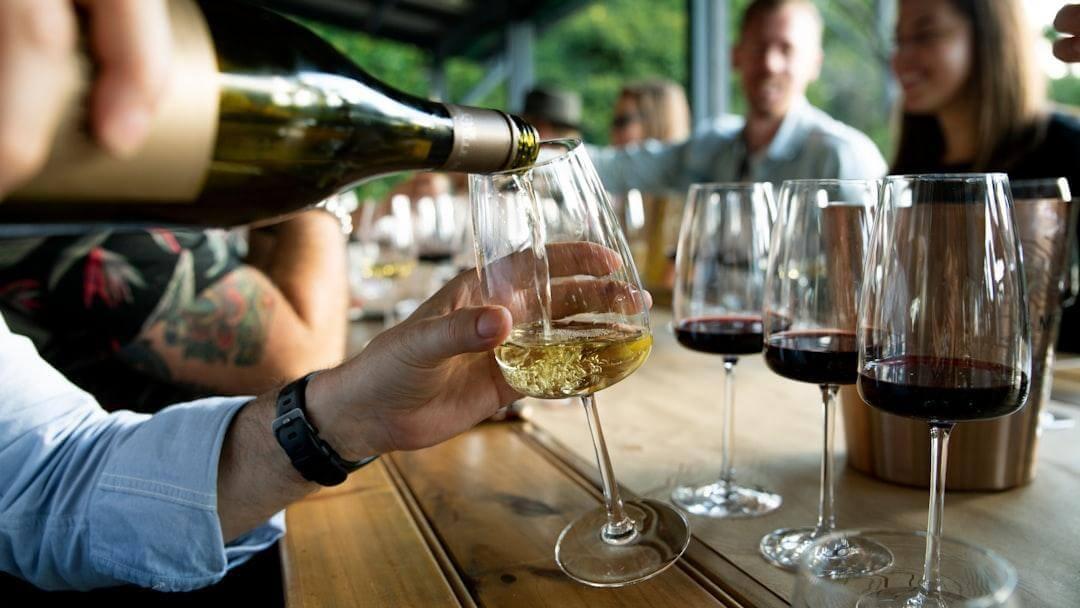
A theme gives the group something to compare, and the pouring order keeps each wine tasting the way it should. Choose one focus, then pour from lightest to boldest.
Good themes give the evening a spine:
- One region, so everyone tastes how a place expresses itself
- One grape across regions, to see how climate and soil change it
- A blind test, pouring a value bottle against a premium one with the labels hidden
Then pour in order: sparkling first, then light whites, fuller whites, light reds, bold reds, and anything sweet at the very end. The reason is simple. A big, tannic red early flattens your palate and makes the delicate wines after it taste like nothing.
Serve Each Wine at the Right Temperature
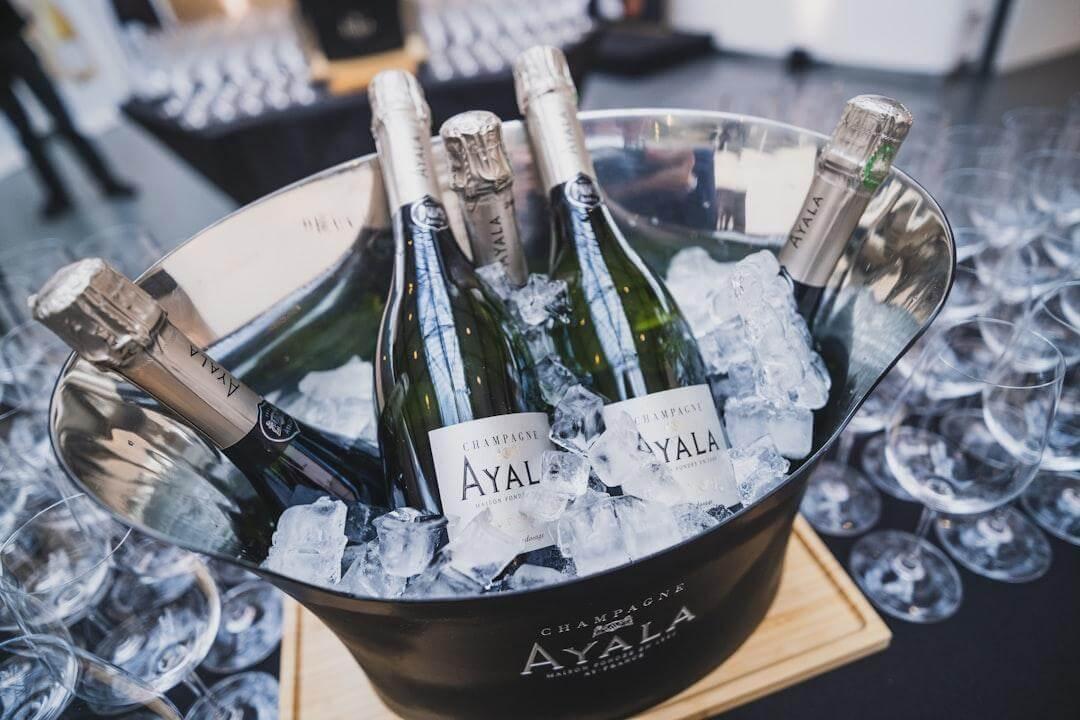
Temperature changes how a wine tastes, so getting each one into its right range matters nearly as much as the wine you picked. Serve whites and sparkling around 45 to 50°F, and reds around 60 to 65°F, which is cooler than most rooms.
The difference is not subtle. A red served too warm tastes flat and boozy, because the alcohol reads as heat; a white served too cold goes mute and gives up almost no aroma. Research on serving temperature has found it significantly shifts a wine’s perceived aroma and the balance of its sweetness, acidity, and bitterness (source). In practice, pull your reds into the fridge for 20 to 30 minutes before guests arrive, and take the whites out about 15 minutes before pouring so they are cool, not ice-cold.
Glasses, Water, and Something to Eat
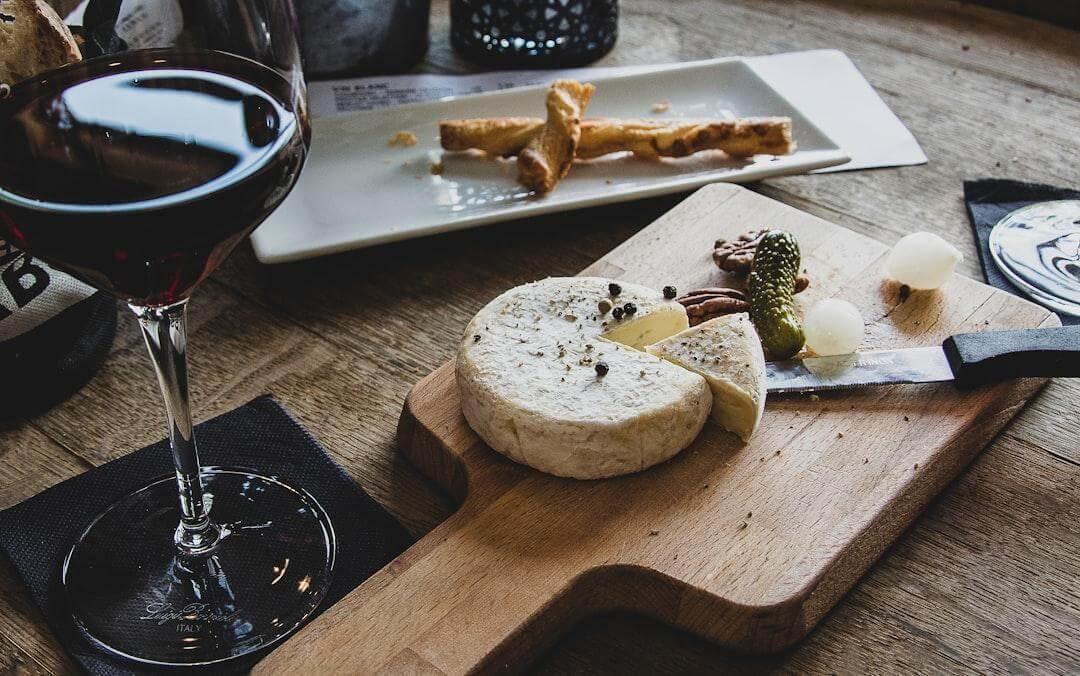
Give everyone one clear glass, plenty of water, and plain food to reset the palate between pours. Clear stemware matters because half of tasting is looking at the wine’s color and clarity before you ever smell it.
One glass per guest is enough if you rinse it with a splash of water between wines or set out a fresh glass per flight if you would rather. Keep the food plain, and the key is restraint here: bread, crackers, and a mild cheese let the wine stay the center of attention, while anything strong or spicy overrides the more delicate bottles before you get to taste them.
Keep the Opened Bottles Fresh
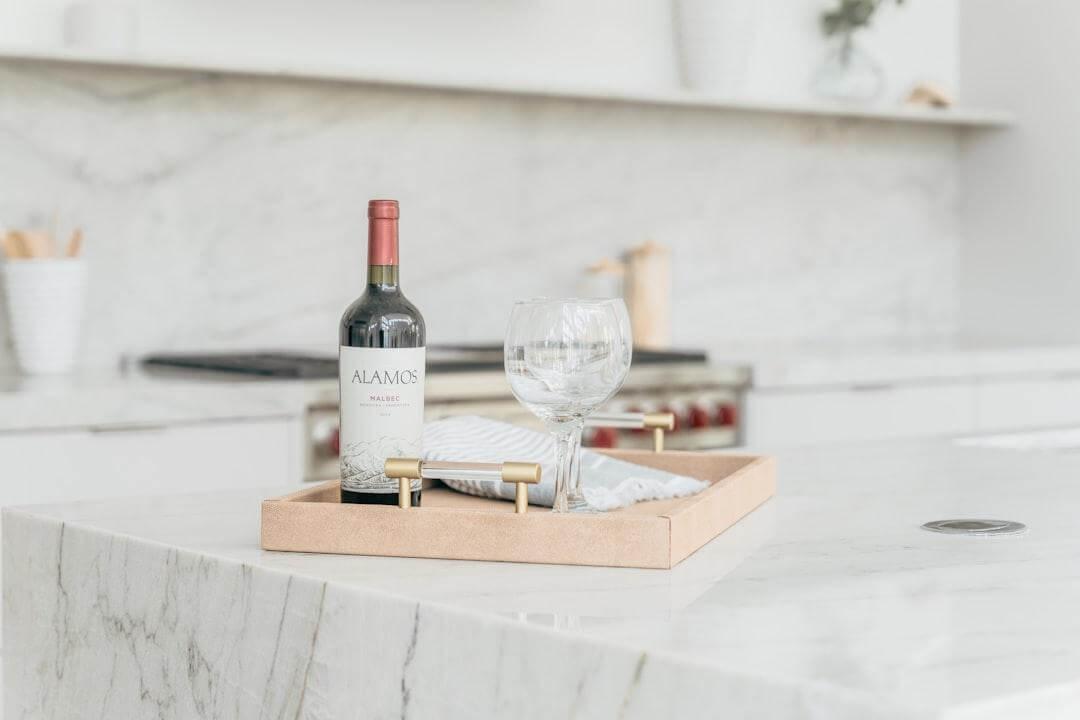
Open six bottles for a tasting and most of them end the night half full. That leftover wine is the part most tasting guides skip. Once a bottle is open, oxygen goes to work, and within a day or so the wine turns flat and then sharp, on its way to tasting like vinegar (source). A night of good wine can leave a counter of bottles that are past their best by the next evening.
Resealing and refrigerating buys a leftover bottle a couple of days, which is fine for one or two. To keep several open at once, a wine preservation-and-serving system pours a measured glass while sealing the rest of the bottle under inert gas, argon or nitrogen, so air never reaches the wine. Wine Cellar HQ, a US wine-storage specialist, sells a wine preservation and serving system built for exactly that. For saving the last of a single bottle, an inexpensive vacuum stopper is all you need; a dispenser is ideal when you are keeping five or six open at once and want them just as good at your next tasting.
Wine Tasting Party FAQ
What are the five S’s of wine tasting? See, Swirl, Sniff, Sip, and Savor. Look at the color and clarity, swirl to release the aromas, sniff before you drink, take a small sip and let it coat your mouth, then note the finish as you swallow.
How many bottles do I need for a tasting party? Plan roughly one bottle per five or six guests for each wine you pour. For a group of ten tasting six wines, that is about six bottles, with a little extra of any crowd favorite.
What should I serve to eat? Keep it plain: bread, crackers, and a mild cheese or two, plus plenty of water. Skip strong, spicy, or heavily seasoned food, which competes with the wine instead of clearing the palate.
Wrapping Up
A good tasting is mostly planning: the right number of wines, poured coolest and lightest first, with water and plain food to keep palates fresh. Set that up, keep the pace relaxed, and your only real job for the evening is enjoying the wine along with everyone else.
0
Leave a Reply