Parents redesigning a kitchen or nursery often debate whether plastic gear or natural materials create a calmer home. A thoughtfully chosen wooden high chair bridges that gap: warm texture at the table, sturdy construction for daily meals, and a look that does not clash with open shelving, butcher-block counters, or farmhouse-style dining sets. Unlike disposable-looking plastic seats that dominate visual space, wood tends to blend into a lived-in family room while still meeting the safety demands of infant feeding.
Why Wood Appeals to Design-Conscious Families
Wood carries visual weight without shouting for attention. Beech, birch, and rubberwood finishes complement neutral palettes, woven rugs, and ceramic dishware. Many caregivers appreciate that a wooden frame feels less clinical than molded plastic, especially in homes where the dining area doubles as a gathering space for guests.
Beyond aesthetics, wood offers tactile warmth during cooler months and avoids the hollow, rattling feel some plastic chairs develop after repeated assembly. When sourced responsibly and finished with food-safe coatings, wooden seating can align with broader sustainability goals—particularly if the chair converts through toddler years rather than landing in a landfill after six months.
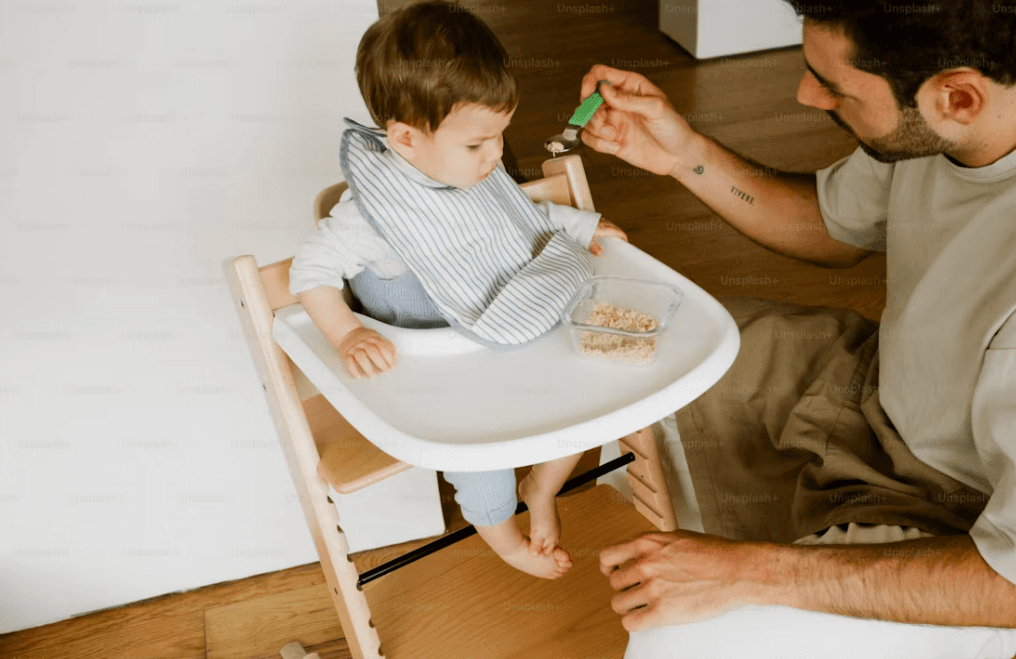
Photo: Pablo Merchán Montes for Unsplash
Safety Standards Still Come First
Attractive materials never replace proper engineering. Before purchasing any wooden model, confirm it meets applicable safety certifications for your region, includes a secure five-point harness, and resists tipping when a child leans sideways. Smooth, rounded edges reduce bump risks during busy meal prep.
Inspect joints and hardware regularly. Wood can loosen over time if screws are undertightened or if humidity swings cause slight expansion. A monthly wiggle test—firmly grasping the frame and checking for movement—takes seconds and prevents surprises mid-meal.
Finish, Cleaning, and Daily Maintenance
Wooden surfaces require a realistic cleaning plan. Wipe spills promptly to prevent stains from berry purees or tomato sauce soaking into grain.
Crumbs and food residue should also be cleared from seams, joints, and the floor around the chair, as lingering scraps can attract insects and contribute to a pest problem in the kitchen or dining area. Use manufacturer-approved cleaners rather than harsh abrasives that strip protective sealants.
Removable cushions or silicone inserts can protect the seat shell while staying machine-washable. Some families keep a dedicated spray bottle with mild soap near the sink so post-meal wipe-downs become automatic rather than a dreaded weekend chore.
Convertible Designs Extend Value
The most practical wooden chairs grow with the child. Look for models that shift from infant support with a harness to toddler seating with a removable tray, and eventually to a youth chair pulled up to the table. Conversion kits should require minimal tools—if the manual reads like an engineering thesis, busy parents may skip stages and lose safety benefits.
Adjustable footrests matter as much as seat height. Supported feet stabilize the core and reduce wiggling that loosens tray latches over time. When evaluating options, simulate each configuration in the store or review videos showing real conversion steps.
Blending Wood With Open Kitchen Layouts
Open-plan homes reward furniture with a smaller footprint. Measure clearance behind the chair so caregivers can walk from stove to sink without squeezing past. Fold-flat or slim-profile designs help when the dining nook sits along a main traffic path.
Coordinate wood tones with existing cabinetry without demanding an exact match. A lighter beech chair can sit comfortably beside medium-oak floors if lines stay simple. Avoid overly ornate carvings that collect crumbs in deep grooves—minimal profiles clean faster.
Mealtime Routines That Protect Your Investment
Establish habits that keep wooden chairs looking fresh for years. Buckle the harness before placing food on the tray. Use suction bowls when experimenting with self-feeding to limit projectile mess. Keep metal utensils off bare wood trays—silicone or BPA-free plastic dishes reduce scratching.
Rotate seat cushions if the model includes fabric covers. Sunlight through kitchen windows can fade textiles over time, so consider a liner or reposition the chair if one side bleaches faster than the other.
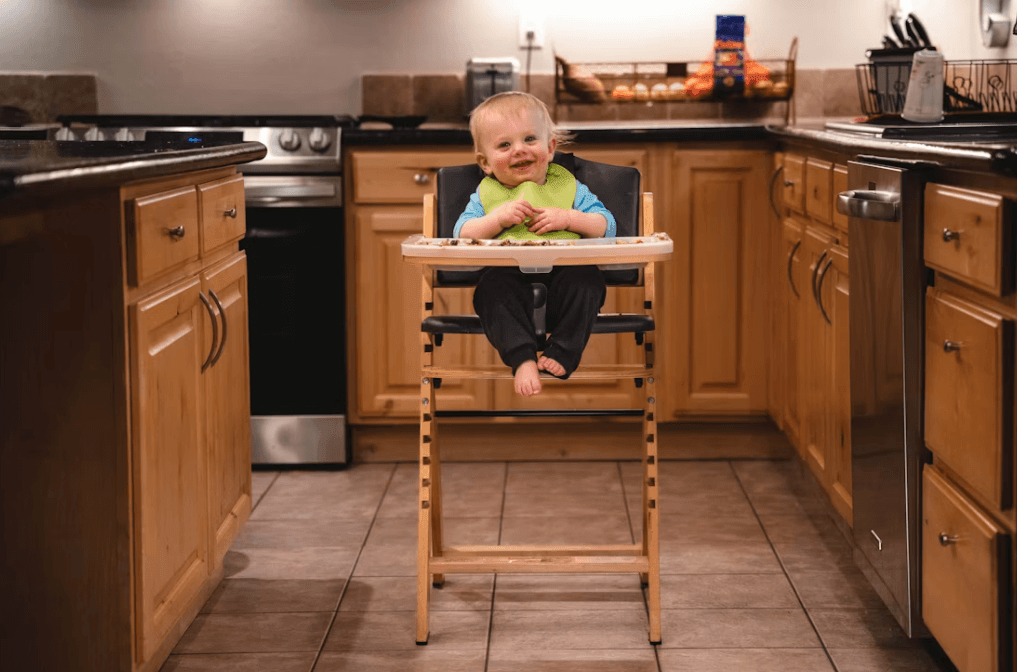
Photo by Unsplash
When Modern Features Complement Natural Materials
Not every family wants an heirloom-only approach. Hybrid designs pair wooden legs and backs with adjustable plastic trays or metal hardware for durability. That combination can deliver the visual warmth of wood where it matters most while keeping high-contact surfaces easy to sanitize.
For caregivers comparing specific models, a well-engineered convertible high chair illustrates how modern adjustability can coexist with family-friendly styling—supporting infants through toddler meals without forcing a complete aesthetic reset every year.
Secondhand and Heirloom Considerations
Vintage wooden chairs stir nostalgia but demand careful vetting. Older models may lack current harness standards or stable base widths. If a relative offers a hand-me-down, inspect for splinters, cracked joints, and recall history before use.
When in doubt, prioritize a current production model with documented weight limits and replacement parts. Sentimental value cannot outweigh secure buckles and tip-resistant geometry.
Travel, Grandparents, and Backup Seating
Wooden chairs usually stay home, which is fine—consistency helps infants learn mealtime cues. For visits to grandparents, a portable booster can supplement without replacing the primary seat. Match harness routines so transitions feel familiar.
If childcare providers use a different chair, share your buckling and tray-height preferences in writing. Small alignment details reduce fussiness when schedules already vary.
Balancing Budget With Long-Term Durability
Solid wood and quality joinery often cost more upfront than lightweight plastic alternatives. Calculate value across years, not weeks. A chair that survives two children and converts to youth seating spreads its price over hundreds of meals. Factor in replacement costs if a cheaper unit wobbles or cracks after a single winter of indoor heat cycles.
Watch for seasonal sales, but never compromise on harness integrity or base stability for a discount. The most expensive repair in nursery gear is not monetary—it is the stress of replacing a failed seat mid-way through a child’s feeding journey.
Shopping Checklist for Wooden Models
- Verify five-point harness and wide, stable base
- Confirm food-safe finishes and clear cleaning guidance
- Prefer convertible stages with tool-free adjustments
- Measure kitchen footprint including chair push-back space
- Plan monthly hardware checks and prompt spill cleanup
A wooden high chair is not merely a style statement—it is daily infrastructure for learning to eat, share, and participate in family life. Choose stability and maintainability first, then let natural materials make those messy, joyful meals feel at home in your kitchen for years to come.
0
Leave a Reply