The kitchen is spotless. The counters are quartz, the pantry is organized by container, the floors get mopped twice a week, and the house has two local design features. And yet, at 11 p.m., with the lights off and the dishwasher humming, something small and dark moves along the baseboard and disappears behind the fridge.
Nothing feels more unfair than a pest problem in a well-kept home, and nothing is more misunderstood. The assumption that pests are a symptom of dirt is deeply rooted and mostly wrong. Pests are a symptom of access, water, warmth, and shelter, and a beautiful home can offer all four in abundance. Understanding why is the first step toward getting rid of them without feeling like you’ve failed at housekeeping.
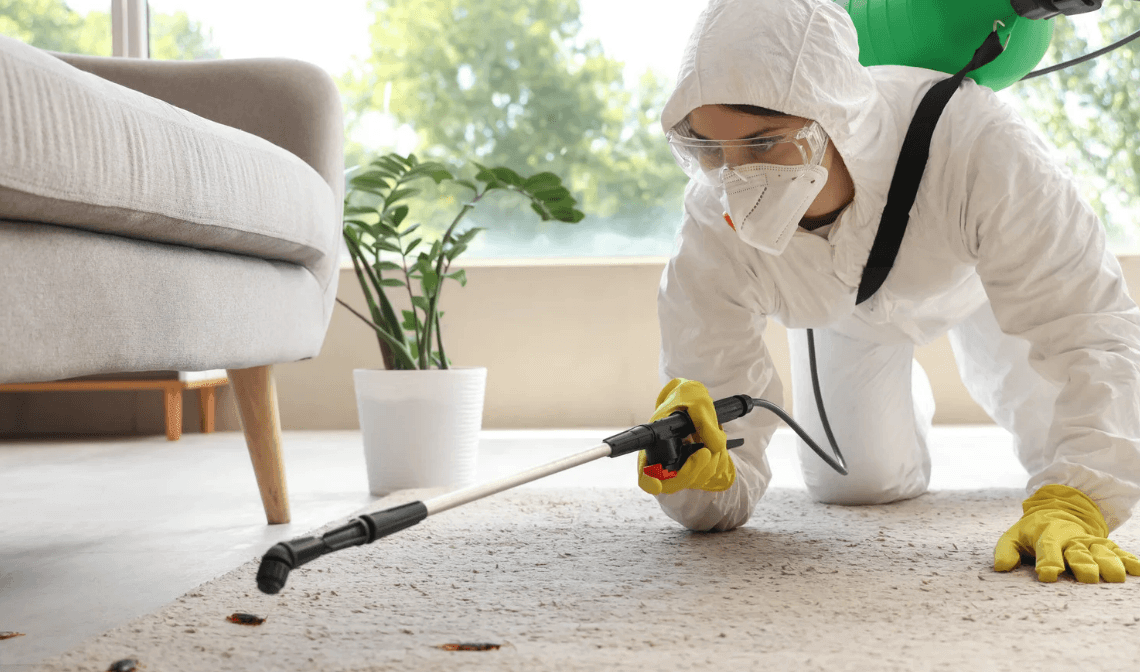
It Happens in Millions of Homes
Pests are far more common than tidy kitchens would suggest. According to the U.S. Census Bureau’s American Housing Survey, roughly 14 million occupied housing units reported seeing roaches and nearly 14.8 million reported seeing rodents in a twelve-month period, and homes with certain structural problems were far more vulnerable: those with sagging roofs were 3.9 times more likely to report roaches, and those with sloping exterior walls were 5.6 times more likely to report rodents.
That last point is the key. The survey found pests tracking with the condition of the structure, not with how often someone vacuums. Even well-kept homes can develop gaps, moisture issues, or other conditions that attract pests. Recognizing this can help homeowners focus on prevention and early detection rather than blame.
Pests Don’t Care About Your Décor
What a mouse, an ant colony, or a cockroach is looking for has nothing to do with aesthetics:
- A way in. A gap the width of a pencil admits a mouse; a crack the width of a credit card admits most insects
- Water. A slow drip under a sink, condensation on a pipe, a damp crawl space
- Warmth. Especially in cold months, the heated interior of any house is a destination
- Shelter. Wall voids, the space behind appliances, cluttered garages, stacked firewood, mulch beds against the foundation
- Food. Not necessarily crumbs on the counter; pet food, birdseed, a pantry moth’s favorite grain, or simply other insects
A designer kitchen with a tiny gap where the dishwasher line enters the wall is, from a pest’s perspective, a well-heated apartment with running water.
How Beautiful Homes Create Their Own Problems
Some of the very features that make a home lovely also make it hospitable:
Landscaping. Lush plantings, mulch beds, and ground cover right against the foundation hold moisture and give insects and rodents a sheltered highway to the walls. Ivy and climbing plants are ladders to upper windows and rooflines.
Outdoor living spaces. Decks, patios, and outdoor kitchens create covered, undisturbed voids underneath, and outdoor dining leaves traces that ants find in minutes.
Renovations and additions. Every new opening cut for plumbing, wiring, vents, or cable is a potential entry point if it isn’t sealed. Older homes that have been beautifully updated often carry decades of small penetrations.
Natural materials. Wood siding, cedar shingles, and timber decks are attractive to termites and carpenter ants, and firewood stored against the house is an invitation.
Water features and gardens. Fountains, ponds, and well-watered beds supply the moisture pests need, and bird feeders supply seed that rodents love.
None of this means a beautiful home is doomed. It means the maintenance that protects it has to be as deliberate as the design.
The Signs People Miss in Tidy Homes
Even the cleanest, most carefully maintained homes can show subtle signs of pest activity that are easy to overlook. Because the assumption is “not here,” early signs often get explained away:
- A faint, sweet, or musty smell in a closet or cabinet
- Tiny dark specks along a baseboard or inside a drawer
- Small piles of sawdust-like material near wood trim
- A pet staring intently at a wall or appliance
- Scratching sounds at night from ceilings or walls
- Ants appearing in a bathroom with no food anywhere near it
- Shed wings on a windowsill in spring
Any one of these is worth investigating rather than dismissing. Catching these clues early can make it easier to address the underlying problem before it becomes more difficult to manage.
Why Prevention Beats Reaction
By the time pests are visible in living spaces, they’ve usually been established in the structure for a while. A reactive approach, treating what you see, addresses the visitors but not the colony or the entry point, and the problem returns. Prevention works differently: it seals the ways in, removes the moisture and shelter, and creates a barrier at the foundation so pests never reach the interior.
This is where a professional inspection earns its cost. A trained technician walks the exterior and interior looking for what a homeowner doesn’t know to look for, from a gap behind a hose bib to moisture under a deck. A good pest control company will start with that inspection and build a plan around what it finds, rather than spraying first and asking questions later.
A Plus Pest Control, for instance, approaches residential work by inspecting the house and the surrounding property, identifying entry points and conditions that attract pests, and then combining targeted treatment with foundation barriers and preventive visits. Whoever you work with, ask for that inspection-first approach. It’s the difference between a service that treats symptoms and one that solves the problem.
What Homeowners Can Do Themselves
Alongside professional help, a few habits keep a beautiful home from becoming a hospitable one:
- Seal gaps around pipes, vents, and cables with appropriate caulk or steel wool
- Keep mulch and plantings at least a foot from the foundation, and trim branches away from the roof
- Fix leaks promptly and run a dehumidifier in damp basements
- Store firewood away from the house and off the ground
- Keep pet food and birdseed in sealed containers
- Inspect under decks and in crawl spaces seasonally
- Schedule a professional inspection once a year, ideally before the weather turns cold and pests move indoors
A little prevention goes a long way, and combining these simple habits with regular professional inspections can help keep your home comfortable, well-maintained, and less inviting to unwanted pests.
Letting Go of the Shame
The last barrier to solving a pest problem in a well-kept home is often embarrassment. Homeowners delay calling for help because a pest problem feels like a verdict on their cleanliness. It isn’t. It’s a verdict on a gap behind the dishwasher, a damp corner under the deck, or a mulch bed that’s a little too close to the wall.
Treating it as a maintenance issue, the same as a dripping faucet or a worn roof shingle, gets it solved faster and with less stress. Acting early can also prevent a minor issue from becoming a larger infestation. There is no shame in asking for professional help when prevention alone is not enough.
Conclusion
A beautiful home can still have a pest problem because pests are drawn to access, water, warmth, and shelter rather than to dirt, and many of the features that make a home attractive, from lush landscaping to natural materials to well-appointed outdoor spaces, provide exactly those things.
With millions of households reporting roaches and rodents each year and structural conditions, not cleanliness, predicting who gets them, the right response is inspection, sealing, moisture control, and prevention rather than embarrassment. Keep the house beautiful. Just make sure the maintenance behind the beauty is as thorough as the design in front of it.
0
Leave a Reply