When someone you care about is going through a difficult season, it has a way of showing up in everyday family life. Maybe plans change more often, everyone is a little more careful about what they say, or you find yourself wondering whether you’re helping enough or helping too much.
Recovery can bring some of those same changes. Relationships may need attention, familiar routines can shift, and things as basic as meals, sleep, work, and weekends may take a little figuring out again.
Professional support can be an important part of moving forward. Then there are all the hours spent at home, at work, and with family. Getting enough sleep, eating regularly, learning how to handle a stressful afternoon, reconnecting with people, and finding something worthwhile to do with free time can all help bring some structure back to the day.
For family and friends, understanding those everyday pieces can make supporting someone feel a little less uncertain. You don’t need to have all the answers or turn every conversation into one about recovery. Sometimes it helps simply to understand what the person you care about may be working toward.
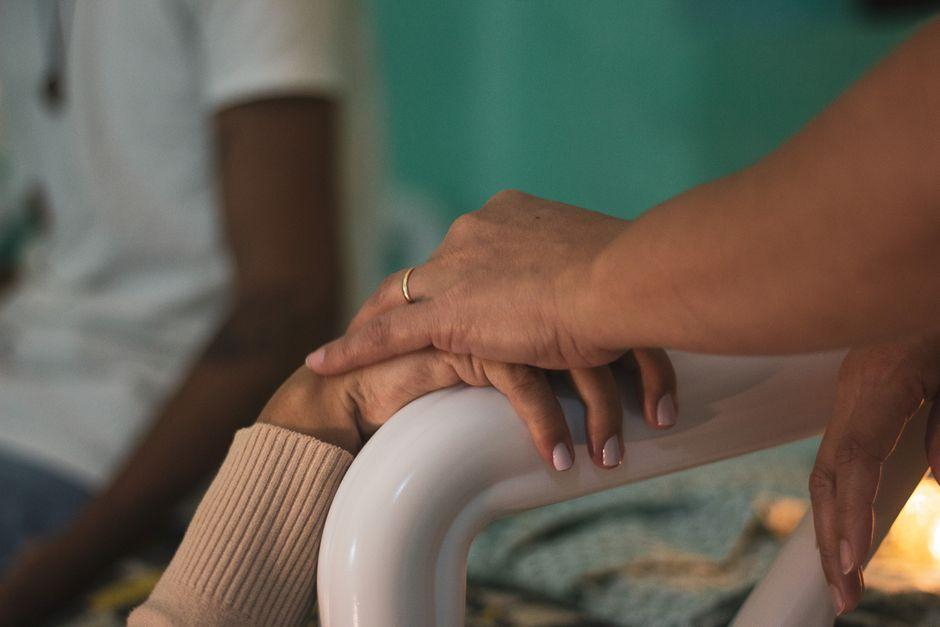
Begin With Care That Matches the Person
Recovery is personal, and the type of professional support someone needs can look very different from one person to the next.
For someone seeking help in Tennessee, APEX Recovery near Nashville is one example of the treatment resources available in the area. It offers inpatient and outpatient options through facilities in Columbia and Brentwood, along with treatment for substance use and co-occurring mental health concerns. Its programs incorporate individualized care, evidence-based behavioral therapies, and holistic approaches intended to address more than substance use alone.
The Substance Abuse and Mental Health Services Administration (SAHMS) outlines several levels of care, including outpatient, inpatient, and residential treatment. A qualified assessment can help determine which approach makes sense for an individual.
Rebuild Sleep as a Foundation, Not a Reward
When life feels unsettled, sleep is often one of those things we promise ourselves we’ll fix later. During recovery, it deserves attention sooner.
There’s no need to turn bedtime into another complicated project. SAHMS recommends getting enough sleep and, when possible, sticking to a regular sleep schedule as part of taking care of your body while dealing with mental health, drug, or alcohol issues.
That might mean keeping a reasonably consistent wake time, winding down in a similar way each evening, and making the bedroom comfortable for sleep.
There’s also a difference between the occasional bad night and an ongoing sleep problem. Persistent insomnia, nightmares, excessive sleeping, or major changes in sleep can occur alongside mental health conditions, withdrawal, medication changes, and other medical concerns. If sleep remains seriously disrupted, it’s worth bringing it up with the treatment team rather than assuming another cup of tea or an earlier bedtime will fix everything.
Use Movement to Restore a Relationship With the Body
Getting active during recovery can be as simple as walking around the neighborhood, swimming, cycling, doing yoga, lifting weights, or finding something else that feels enjoyable.
A manageable walk a few times a week may be easier to keep up with than an ambitious new routine. There are already enough changes happening without exercise becoming another thing to get exactly right.
Movement also gives people a chance to notice how they’re feeling physically. Fatigue, tension, hunger, and anxiety can be easier to recognize when there’s time and space to pay attention.
Anyone dealing with medical limitations or significant health effects related to substance use should seek appropriate professional guidance before making major changes to an exercise routine.
Make Food and Hydration Predictable
Healthy eating advice can get complicated quickly, especially when every grocery aisle seems to come with its own set of rules.
During recovery, meals can be much more practical than that. Having food available, eating with some regularity, and drinking enough water can make the day a little easier to manage.
Keeping a few easy-to-prepare foods around is particularly useful when energy is low and cooking feels like one task too many. It can also be worth noticing what happens after going a long time without eating. Irritability, tiredness, or trouble concentrating may make a difficult afternoon feel even harder.
Nutritional needs vary, particularly when medical conditions or medications are involved. A healthcare professional or registered dietitian can provide individualized guidance when needed. The aim is to make nourishment manageable without creating another rigid set of rules.
Practice Coping Skills Before Stress Peaks
Stressful jobs, complicated relationships, bills, grief, loneliness, and unexpected bad days are still part of life during recovery. Having a few familiar ways to respond can make those moments easier to handle.
Therapy can help people recognize triggers and develop healthier ways to cope. Some may also find mindfulness, breathing exercises, journaling, creative activities, or spending time outdoors helpful for managing stress.
It helps when these aren’t tools saved exclusively for a crisis. Something practiced on a quiet Tuesday afternoon is much easier to remember when Friday has gone completely off the rails.
Thinking ahead can help, too. If cravings or emotional distress become difficult to manage, know who to call, where to go, or what healthy activity might help with the next hour. Having a few options already in mind means there are fewer decisions to make in the middle of a hard moment.
Build Relationships That Make Recovery Easier
The people around us have a way of shaping daily routines, often without anyone noticing it.
During recovery, it can be useful to pay attention to the relationships that make healthy choices easier. Support might come from family members, friends, therapists, peer groups, recovery communities, faith communities, or other people who can be counted on.
Some relationships or places may need firmer boundaries, particularly when they are strongly connected to previous substance use. Turning down an invitation or leaving a situation that doesn’t feel right can simply be the healthier choice for that day.
There’s also plenty of room for relationships that have very little to do with recovery itself. Coffee with a friend, family dinners, hobbies, celebrations, and conversations about everything from school to what everyone is watching on TV are part of getting back to life, too.
What matters is having people around who respect sobriety, mental wellness, and personal growth.
Give Empty Time Somewhere Meaningful to Go
One part of recovery that doesn’t always get talked about is what happens to the time that suddenly opens up.
If substance use once took up a significant part of the day or week, those empty hours can feel surprisingly uncomfortable. A completely packed calendar probably isn’t the answer, but a few dependable plans can give the week some shape.
Work, education, volunteering, family responsibilities, hobbies, creative projects, spirituality, or community involvement can all help. A weekly class or volunteer shift might be enough to start. So might a morning walk, Sunday dinner with family, or finally picking up the project that has been sitting untouched for months.
Little by little, those routines give the week more places to go and more things to look forward to.
Plan for Difficult Days Before They Arrive
Some weeks are simply harder than others. On those weeks, it helps if the basics are easy to find and easy to follow.
Keep important appointments somewhere visible and supportive contacts close at hand. Pay attention to warning signs that tend to appear when cravings or emotional distress are getting stronger. Meals may need to get simpler. A workout might become a short walk. Social plans might mean calling one trusted person rather than going somewhere crowded.
A recovery plan can change as life does. What works during the first few months may need adjusting later as work, relationships, living arrangements, or treatment needs change.
The useful question is whether the plan still works for the life someone is actually living now.
Supporting Recovery in Everyday Family Life
Recovery has to find its place in real life. There are groceries to buy, workdays to get through, family plans on the calendar, appointments to remember, and plenty of days when something unexpected throws everything off.
For family and friends, being supportive doesn’t require knowing exactly what to say every time. Listening matters. So does respecting boundaries, making room for healthier routines, and understanding when professional help is needed. Sometimes support may be as simple as sharing dinner, going for a walk together, or keeping plans that give everyone something to look forward to.
It’s also important for family members to keep living their own lives. Caring about someone doesn’t mean taking responsibility for every decision they make or trying to monitor every difficult moment.
What someone needs from family may change as recovery continues, and routines that work now may need adjusting later. Some weeks will feel easier than others.
There may still be dinner to make, work in the morning, kids asking questions, and a dozen other things happening at once. That’s family life. Recovery has to find a workable place within it.
0
Leave a Reply