Some children see a swimming pool and immediately want to jump in. Others prefer to stay close to the steps, watch everyone else splash around, or dip their toes in before deciding whether they want to get any closer. Both reactions are completely normal.
Water can be exciting for children, but it can also feel unfamiliar. The sound of splashing, the sensation of water on their faces, or simply being unable to touch the bottom can make a child hesitant. Parents sometimes assume that confidence will come naturally once a child spends enough time around a pool. But building a comfortable relationship with water often starts much earlier and happens through smaller everyday moments.
The good news is that you don’t need a swimming pool in your backyard or a big family vacation to introduce positive water experiences. A few simple routines, relaxed conversations, and opportunities to explore at a child’s own pace can make a difference.
Here are some practical ways to help children become more familiar with water while keeping safety part of the conversation.
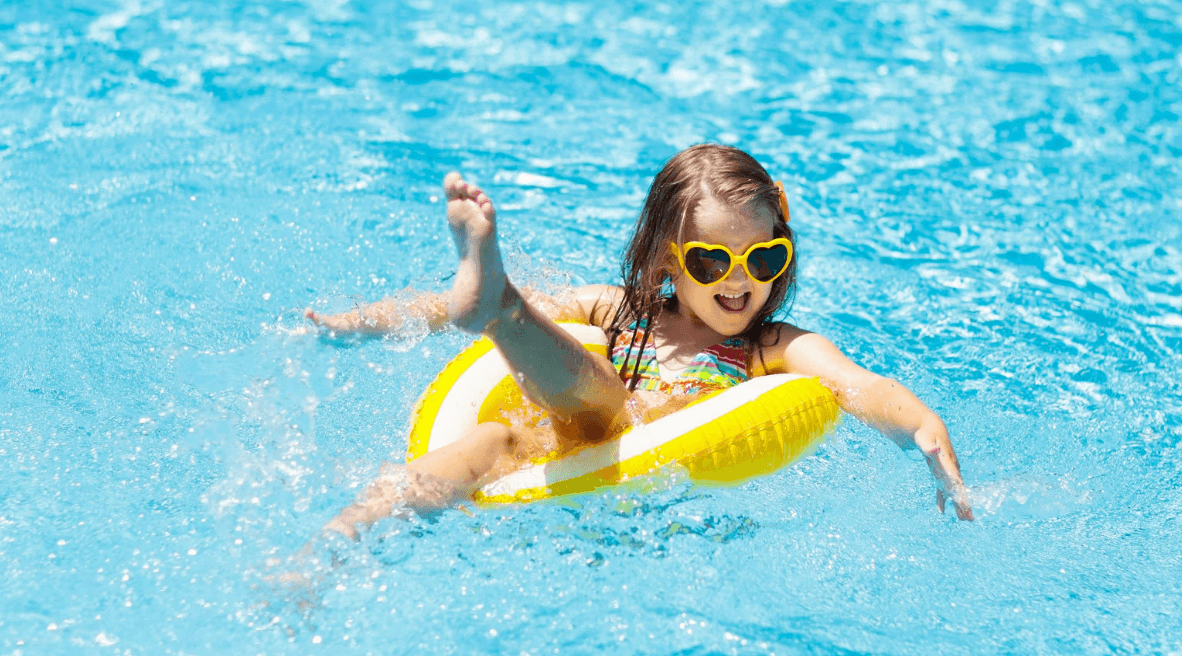
Start With Small Water Experiences at Home
You don’t have to begin with swimming lessons or a trip to the beach. For younger children, everyday activities can be a gentle introduction to the way water feels.
Bath time is an obvious place to start. Let your child enjoy pouring water between small cups, playing with floating bath toys, or watching bubbles move across the surface. These simple activities allow children to explore water without feeling like they have to perform a particular skill.
You can also make ordinary routines more playful. Let your child help water plants with a small watering can, use cups and containers to explore pouring and filling, or help wash washable toys. Even a simple conversation about why some objects float while others sink can turn an ordinary activity into an opportunity to learn.
Keep these experiences relaxed. Some children will want to get involved immediately, while others may prefer watching first. Neither response needs to be rushed.
One important reminder: even small amounts of water can pose a drowning risk for young children. Stay within arm’s reach during water play, empty buckets and containers immediately afterward, and never leave a child alone in or near water.
Make Water Familiar Before Making It a Challenge
One mistake parents can make is treating every water experience as a test of bravery. A child who doesn’t want to put their face underwater isn’t necessarily being difficult. They may simply need more time to understand the environment.
Instead of encouraging children to jump straight into a pool, introduce different experiences gradually. Start by sitting near the water, watching other swimmers, or dipping their feet while holding a parent’s hand. When they seem comfortable, they might enjoy moving a little farther into a shallow area with close adult supervision.
For parents interested in helping kids become comfortable in the water, starting with small, familiar experiences can make the process feel much more natural for children.
The important thing is to avoid turning progress into a competition. One child might be ready to splash independently, while another is still getting used to the feeling of water on their hands. Both are learning.
Talk About Water Safety Like It’s Part of Everyday Life
Water safety conversations don’t have to sound frightening or overly serious. Children are more likely to understand simple rules when they hear them regularly and in familiar situations.
Rather than waiting until you’re standing beside a swimming pool, introduce basic ideas at home. Explain that children should always ask a grown-up before going near water, that pools are not places to play without supervision, and that running around wet surfaces can be dangerous.
Keep the language suitable for your child’s age. Younger children benefit from short, repeated reminders, while older kids can understand more detailed explanations about pool rules, changing water conditions, and why certain safety equipment matters.
Here are a few simple rules worth repeating:
- Always have a grown-up’s permission before entering the water.
- Never swim alone, even if you already know how to swim.
- Walk instead of running around a pool.
- Stay away from drains and pool equipment.
- Follow the lifeguard’s instructions at public swimming areas.
- Wear a properly fitted life jacket when required for boating or other appropriate water activities.
Try to explain the reason behind each rule. For example, children may be more willing to walk near a pool when they understand that wet surfaces can be slippery.
Most importantly, make sure the adults follow the same expectations. Children notice when grown-ups ignore the rules they are asked to follow.
Create a Familiar Water Routine
Children often feel more secure when they know what to expect. A predictable routine can make visits to the pool or beach feel less overwhelming.
For example, you might begin every pool visit by finding a safe place for your belongings, applying sunscreen, reviewing the rules, and identifying the adult responsible for supervision. Then your child can get comfortable near the water before any swimming begins.
You don’t need to fill every visit with activities. Sometimes a short session is enough. A child might spend a few minutes playing in a shallow area, take a break, and then decide whether they want to return.
It also helps to bring familiar items. A favorite towel, comfortable swimwear, or a familiar pair of water shoes can make a new environment feel less intimidating.
Just remember that flotation toys and inflatable swimming aids are not safety devices. They do not replace properly fitted life jackets when needed, close adult supervision, or designated swimming areas.
Let Children Ask Questions Without Feeling Silly
Kids are naturally curious, and water can raise plenty of questions.
Why do some people float? Why does water feel colder in a pool? Why can’t we swim where the waves are too big? These conversations can become useful opportunities to build understanding.
You don’t need to give a science lesson every time. Simple explanations are often enough to keep children interested.
For example, if your child asks why they cannot touch the bottom of a deeper pool, explain that the water is deeper in that area and that they should stay where they can stand comfortably or where a supervising adult says it is safe.
If they express fear, listen before trying to reassure them. Saying “There’s nothing to be scared of” may unintentionally make a child feel that their concern isn’t being taken seriously. Instead, try asking what makes them uncomfortable.
Maybe they dislike water getting in their eyes. Perhaps they are worried about slipping or being unable to stand. Understanding the concern helps you respond more thoughtfully.
Make Swimming Lessons a Positive Experience
Everyday water familiarity is valuable, but it isn’t a substitute for learning actual swimming and water-survival skills.
Age-appropriate swimming lessons can help children gradually develop skills such as entering and exiting the water safely, floating, moving through the water, and learning how to respond to different situations. The specific skills and pace will depend on the child’s age, development, and experience.
When choosing lessons, look for qualified instructors, appropriate class sizes, and an environment where children can learn without unnecessary pressure. Parents should also understand that swimming lessons do not make a child drown-proof. Active adult supervision remains essential around pools and other bodies of water.
It can help to talk about lessons beforehand. Explain what the child might do, let them know they can ask questions, and avoid promising that everything will feel easy right away.
After class, focus on the experience rather than judging performance. Instead of asking, “Did you swim all the way across?” try asking, “What was your favorite part today?” or “Was there anything new you tried?”
That small change can help children associate learning with curiosity instead of pressure.
Be the Calm Adult Around Water
Children often look to their parents to understand how to react in unfamiliar situations. If an adult becomes visibly anxious every time a child approaches water, the child may begin to associate the environment with fear. On the other hand, acting as though water is completely harmless can create a false sense of security.
The goal is to be calm, confident, and consistent.
Explain safety rules without creating unnecessary alarm. Stay close, pay attention, and avoid distractions when supervising children around water. If several adults are present, clearly decide who is responsible for watching the children. A designated water watcher should remain focused on supervision rather than chatting, reading, or checking a phone.
For babies and toddlers, an adult should remain within arm’s reach whenever they are in or near water. At pools, use appropriate barriers and secure access points, including self-closing and self-latching gates where applicable. At beaches and lakes, pay attention to local conditions, warning signs, and designated swimming areas.
These habits show children that water activities can be enjoyable while still requiring care and attention.
Celebrate the Little Moments
Not every child will become excited about swimming right away. Some may love splashing but dislike putting their faces in the water. Others might enjoy lessons but feel nervous when visiting a different pool.
That’s okay. Confidence develops differently for every child.
Celebrate the small things: a child who willingly enters the shallow end, asks a question about water safety, remembers to wait for an adult, or feels ready to try a new activity. These moments may seem ordinary, but they are meaningful steps in becoming more familiar with water.
Avoid comparing siblings or friends. One child’s progress doesn’t need to become another child’s target. Give each child room to develop at a comfortable pace while continuing to reinforce safe habits.
A Little Familiarity Goes a Long Way
Helping children feel comfortable around water is not something that needs to happen in one afternoon. It grows through ordinary experiences, patient conversations, structured learning, and consistent safety habits.
From bath-time play to supervised pool visits, every positive interaction can help children understand their surroundings and become more confident learners. Just remember that familiarity should always go hand in hand with safety.
You don’t need to rush the process or make every water activity a lesson. Give children opportunities to explore, listen to their concerns, and make water safety a normal part of family life. Over time, those small moments can help create a healthier, more confident relationship with water.
0
Leave a Reply