• Skip to primary navigation
  • Skip to main content
  • Skip to primary sidebar
  • Skip to footer

Whipperberry

WhipperBerry • Your Home For Creative Inspiration

  • Home
  • Recipes
    • Starters
    • Easy Weeknight Dinners
    • Main Dish
    • Salads
    • Side Dish
    • Soups & Stews
    • Desserts
    • Breakfast
    • Miscellaneous
  • Tutorials
    • Creative Crafts
    • DIY Decor
    • Fabric Crafts
    • Food How-To
    • Jewlery
    • Paint Projects
    • Paper Art
    • Party Styling
    • Photography and Graphic Design
    • Silhouette
  • Holidays
    • Easter
    • Mother’s Day
    • Father’s Day
    • 4th of July
    • Halloween
    • Thanksgiving
    • Christmas
    • Valentine’s Day
  • Gift Ideas
    • Gifts For Everyone
    • Gifts for Dad
    • Mother’s day
    • For The Girls
    • For The Kids
    • Teacher Gift Ideas
    • Christmas
  • Printables
    • Holiday
    • Gift Idea
    • LDS Primary
  • Travel
  • About
    • Terms
  • Contact
  • Nav Social Menu

    • Facebook
    • Instagram
    • Pinterest
    • RSS
    • Twitter

Kids

5 Safety Risks Parents Overlook When Buying Backyard Playgrounds

0 · Apr 17, 2026 · Leave a Comment

A backyard playground can add fun and daily activity to a child’s life. However, many parents focus on color and price and miss hazards that hide in plain sight. Many parents miss hidden safety risks that can lead to preventable injuries.

This article shows how backyard playground ground cover, weak guardrails, sharp edges, poor fit for age, and loose parts can raise injury risk. It also explains why regular care and proper design matter before a child uses the set.

Improper surfacing materials increasing injury risk

Many parents focus on the structure but overlook the ground below a backyard kids’ playground. High-quality backyard kids’ playground equipment reduces harm since the surface under it is usually made with fall-safe material. However, parents should still pay close attention to the backyard playground ground cover when deciding on which playset to purchase. Falls cause most playground injuries, and the surface often decides how severe those injuries become.

Grass and packed dirt may look soft, yet they harden over time. Concrete, asphalt, or thin rubber mats offer little shock absorption. As a result, a fall from a slide or swing can lead to broken bones or head injuries.

Blue tire in a garden, highlighting potential

Safety groups report that most playground injuries come from falls to the ground. In addition, public safety guidance suggests at least 12 inches of loose-fill material, such as wood chips or mulch, under and around equipment. Shallow layers shift or scatter, which lowers protection.

Equipment height also affects risk. Structures over five feet increase the chance of injury, so deeper and well-kept surfacing becomes even more important. Parents should check the depth often and refill loose material as needed.

Inadequate guardrails on elevated platforms

Elevated platforms add height and fun to a backyard playground. However, they also raise the risk of a hard fall. Many parents focus on slides and swings but pay less attention to guardrails.

A lack of guardrails on platforms above 20 to 30 inches can put young children at risk. Preschool-age children have less balance and weaker judgment. As a result, they can step backward or lose footing near an open edge.

Guardrails should fully cover the open sides of platforms and fit at the right height for the child’s age group. Gaps between rails should stay narrow enough to prevent a child’s body from slipping through. In addition, rails must attach firmly so they do not loosen over time.

Parents should check each elevated surface before purchase. Solid barriers and secure rails reduce the chance of falls and help create a safer play space.

Person near metal fence, considering playground safety

Equipment with sharp edges or pinch points

Sharp edges and pinch points create a real risk on backyard playgrounds. Exposed bolt ends, rough metal, cracked plastic, or splintered wood can cut skin. In addition, open hooks and hardware that stick out can snag clothing or scratch a child’s face or hands.

Pinch points often hide near moving parts such as swing chains, hinges, and slide joints. Small gaps can trap fingers and cause painful injuries. Therefore, parents should check that joints fit tightly and that protective caps cover bolts and hooks.

Surface wear also increases danger over time. Rust, chipped paint, and loose parts can form sharp areas that did not exist at first. As a result, parents should inspect equipment often and fix or replace damaged pieces right away.

A safe playset should have smooth, rounded edges and secure hardware. Careful inspection before purchase helps reduce preventable injuries.

Lack of age-appropriate design and size

Many parents choose a backyard playground based on price or appearance. However, design and size must match a child’s age and ability. Equipment built for older children often includes higher platforms, wider gaps, and more complex features.

Yellow and blue backyard slide next to a tree,

Younger children lack the strength, balance, and judgment that older kids have. As a result, they face a higher risk of falls and other injuries on oversized structures. Safety groups note that age labels exist for a reason and help guide proper use.

In addition, small children can slip through guardrails that suit older kids. Platforms that sit too high above the ground also increase injury risk. Therefore, parents should check height limits, spacing between bars, and recommended age ranges before purchase.

A playset that fits a child’s size allows safe movement and builds skill at a steady pace.

Poor equipment maintenance and loose parts

Parents often focus on size and features but overlook upkeep. However, poor maintenance can turn even sturdy equipment into a hazard. Backyard playgrounds face sun, rain, and temperature changes that weaken parts over time.

Bolts, nuts, and screws can loosen after months of use. As a result, platforms may shift and handrails may wobble. A child who climbs on unstable parts can slip or fall.

Metal pieces may rust, and wooden beams may crack or splinter. In addition, plastic parts can fade and become brittle. These changes increase the risk of cuts, pinched fingers, and broken pieces.

Experts recommend regular inspections to spot wear and damage early. Parents should check for loose hardware, sharp edges, and worn ropes. They should also tighten fasteners and replace damaged parts right away.

Routine care keeps equipment stable and reduces avoidable injuries.

Conclusion

Parents often focus on price and appearance, yet they must pay equal attention to surface material, equipment spacing, age fit, and routine inspection.

Key safety checks include:

  • Soft impact surfaces, such as mulch or rubber
  • Stable anchors and secure hardware
  • Safe distance from pools, roads, and driveways
  • Clear age labels and weight limits

A careful review of these details helps reduce injury risk and supports safe daily use. With informed choices and regular upkeep, families can create a backyard play space that supports active play without avoidable hazards.

Back-to-School Without the Outfit Battles: Why Uniforms Work for Many Families

0 · Mar 18, 2026 · Leave a Comment

The early morning alarm goes off, lunches need making, backpacks need finding, and somewhere in the middle of it all, someone decides that today is the day they refuse to wear what you have laid out.

Getting dressed before school can quietly become one of the biggest friction points in a family’s day, and when it happens every morning, it chips away at everyone’s patience before 8am.

For many families, school uniforms offer a practical way around that daily negotiation.

Whether your child is heading into kindergarten or starting middle school, the question of whether uniforms actually make mornings easier is one worth exploring honestly, not as a sales pitch, but as a real conversation between parents who are just trying to get everyone out the door with their sanity intact.

Why The Morning Outfit Battle Happens In the First Place

back-to-school outfit battles

Young children, especially those in preschool through elementary years, are at a stage where personal expression and autonomy feel enormously important.

Choosing their own clothes is one of the few areas where they genuinely feel in control of their day. That instinct is healthy and worth respecting. The problem is that it often collides directly with school start times, dress code requirements, and the reality that some children are simply not natural decision-makers at 7am.

For older kids entering middle and high school, the pressure shifts.

Social comparison around clothing and brands can create its own kind of stress, particularly for families managing tighter budgets or children who are still figuring out where they fit in socially. What a child wears to school can carry far more emotional weight than adults sometimes realize.

Understanding why these battles happen helps parents respond to them more thoughtfully, rather than just trying to push through each morning on willpower alone.

If you are also thinking about how the school environment itself supports your child beyond just clothing, this guide on how to tell if a school truly supports your child’s growth is a useful read for families making big picture decisions.

What Uniforms Actually Take Off the Table

school uniforms

The clearest benefit of school uniforms is not style or appearance, it is removing one daily decision families don’t have the bandwidth for in the morning rush. When there is no choice to make about what to wear, that mental energy gets redirected toward breakfast, conversation, or simply leaving on time.

Research in child development consistently points to the concept of decision fatigue, the idea that the more choices a person faces early in the day, the more depleted their focus and self-regulation becomes as the day progresses. For younger children especially, reducing unnecessary decisions in the morning can support a calmer transition into the school day.

There is also the question of social leveling. In schools where uniforms are standard, children arrive looking broadly the same, which can soften some of the brand-related social comparisons that tend to emerge in upper elementary and middle school years.

This is not a cure-all for social dynamics, but for children who are sensitive to those comparisons, it can genuinely reduce a source of anxiety.

When families do opt for uniforms, the practical side matters too. Pieces need to hold up through repeated wear and frequent washing without losing their shape or color.

For parents who want to buy school-approved kids’ uniforms online, French Toast is a familiar option among many school families. The brand focuses on straightforward basics like polos, pants, skirts, and layering pieces that align with common dress code requirements.

Rather than piecing together outfits from different stores, having access to simple, consistent uniform staples can make back-to-school prep feel more manageable. For many families, the value is less about style and more about reliability and ease during an already busy season.

Getting Uniform Routines to Actually Stick

why school uniforms work

Even with uniforms in place, how you build the morning routine around them makes a significant difference. The uniform itself removes one barrier, but the habits surrounding it are what actually create a smooth morning over time.

Prep the night before, not the morning of

This sounds simple, but it is consistently one of the most effective changes families report. When the uniform is laid out, bags are packed, and shoes are by the door the evening before, the morning becomes a sequence of habits rather than a series of scrambles.

For younger children, involving them in the night-before prep gives back a small sense of ownership without opening the entire wardrobe to negotiation.

Let comfort be non-negotiable

A child who finds their uniform physically uncomfortable is going to resist it every single morning, regardless of how consistent you are with the routine.

Fabric softness, waistband comfort, and proper fit are all worth paying attention to when selecting pieces. A child who forgets they are wearing a uniform because it feels fine is a child who moves through the morning without incident.

Build in a small element of choice

Even within a uniform policy, there is often room for a child to choose their socks, their hair accessories, or the order in which they get dressed.

Offering a contained choice rather than no choice at all respects a child’s need for autonomy without reopening the full outfit debate.

This is particularly effective for children in the preschool through early elementary years who are naturally in a phase of asserting independence.

When Uniforms Are Not the Whole Answer

It would be dishonest to present uniforms as a guaranteed fix for every family. For some children, particularly those with sensory sensitivities, clothing textures and fits can be a genuine source of distress regardless of whether it is a uniform or not.

In those cases, the approach matters more than the policy: finding pieces in approved colors and silhouettes that work for the child’s sensory needs is a more effective strategy than pushing through discomfort in the name of compliance.

Similarly, for teenagers who are using clothing as a genuine form of self-expression and identity development, the conversation around uniforms requires more nuance.

Acknowledging that their frustration is valid while helping them find ways to express individuality within the constraints, through accessories, footwear, or after-school style, tends to land better than dismissing their feelings.

The goal, ultimately, is not a perfectly obedient morning. It is a functional one. One where children arrive at school feeling calm, settled, and ready to focus rather than still wound up from the getting-dressed argument that followed them out the door.

Making Uniform Season Work For Your Budget

The back-to-school season has a way of feeling rushed and overwhelming, especially when small daily challenges start adding up.

Uniforms are not a perfect solution for every family, but for many, they remove one recurring source of stress and make mornings feel a little more predictable. When combined with simple routines and a focus on comfort, they can help set a calmer tone for the start of the day.

If you are looking to keep things organized on the home front, the tips in this post about keeping your small home cool and comfortable all summer long also touch on family organization strategies that carry naturally into the school year.

Because in the end, the goal is not a perfectly smooth morning. It is one where everyone gets out the door feeling a little more settled, a little less rushed, and ready for the day ahead.

6 Simple Speech Therapy Activities You Can Do at Home to Build Strong Communication Skills

0 · Mar 17, 2026 · Leave a Comment

Communication plays a big role in everyday family life. From asking for help to sharing stories at the dinner table, children use speech and language skills all day long. When a child struggles to express themselves clearly, it can feel frustrating for both the child and the parent.

The good news is that small, simple activities at home can make a meaningful difference. With the right approach, everyday moments can turn into opportunities to support speech and language development. These activities do not require special equipment and can fit naturally into your daily routine.

In this article, you will find six effective speech therapy activities that families can use at home. Each one focuses on building important communication skills in a way that feels engaging and manageable.

speech activities

6 Effective Speech Therapy Activities

  1. Articulation drills focusing on specific sounds

Articulation drills help children learn to produce specific speech sounds correctly. These exercises focus on one sound at a time and repeat it in different word positions. For example, a child might practice the “s” sound at the start of words like “sun” and “sand,” then in the middle of words like “basket” and “message.”

Many speech therapy activities use repetition to build muscle memory for correct sound production. Therapists often start with simple syllables before they move to full words. A child struggling with the “r” sound might begin with “rah, rah, rah” before they attempt words like “rabbit” or “carrot.”

The practice works best with short, frequent sessions rather than long drills. Therapists typically target sounds that cause the most trouble first. They also use pictures, objects, or word lists to keep children interested during practice sessions.

  1. Interactive storytelling to improve language structure

Interactive storytelling helps children build stronger language skills through active participation. Speech therapists use this method to teach kids how to organize their thoughts and create complete narratives. The child works with the therapist to develop stories together rather than just listen to them.

This approach targets several language areas at once. Children learn new vocabulary words as they craft stories. They also practice sentence structure and develop the ability to connect ideas in a logical order.

Story cubes and picture cards serve as useful tools for this activity. The child rolls dice with images or selects cards, then creates a narrative based on what they see. This method encourages spontaneous language use and helps kids practice sequencing events.

Research shows that narrative-based interventions improve how children structure stories and boost overall communication abilities. The immediate feedback from therapists helps children refine their storytelling skills and apply these improvements to everyday conversations.

  1. Oral motor exercises to strengthen speech muscles

Oral motor exercises focus on the muscles in the mouth, face, and jaw that help produce clear speech. These activities build strength and improve coordination in the lips, tongue, and cheeks. Speech therapists often recommend these exercises for children and adults who struggle with articulation or muscle control.

Simple exercises can make a real difference in speech clarity. Tongue clicks help develop tongue tip control, while straw activities strengthen the lips. Blowing bubbles or feathers works the mouth muscles and teaches breath control. Mirror work allows people to watch their mouth movements and practice correct positions.

Regular practice of these exercises supports better speech production over time. Speech therapists design specific movements based on each person’s needs. The exercises target weak areas and build the muscle memory needed for clear communication.

  1. Repetition games to improve fluency and word retrieval

Repetition games help children and adults build stronger connections between sounds and words. These activities train the brain to recognize common word patterns more quickly. As a result, people can recall words faster and speak with greater confidence.

Simple card games work well for practice. A person can flip cards with pictures or words and repeat them several times. This method strengthens memory pathways over time.

Board games that require players to name objects or describe actions also support skill development. For example, a player might roll dice and name three animals that start with a specific letter. Through repeated play, word recall becomes easier and more automatic.

Speech therapists often use short answer tasks during sessions. Clients respond to questions or complete sentences, which helps them retrieve information from memory more quickly.

speech training
  1. Breathing control exercises for better speech modulation

Proper breath support forms the foundation of clear and effective speech. The diaphragm, a muscle at the bottom of the rib cage, allows the lungs to expand fully and provides steady airflow for speech production.

Speech therapists often recommend simple diaphragmatic breathing exercises to help patients develop better voice control. People practice by placing one hand on their chest and another on their abdomen, then breathe deeply to feel the stomach rise while the chest remains still. This technique helps speakers maintain consistent volume and produce smoother sentences.

Another helpful exercise involves controlled exhalation. Patients breathe in for four counts, hold briefly, then release air slowly while counting aloud or sustaining a vowel sound. This activity builds the ability to manage airflow and supports longer phrases without strain.

Regular practice of these exercises can lead to noticeable improvements in speech clarity and voice quality. Many individuals who struggle with volume control or coordination between breathing and speech find these techniques particularly beneficial for daily communication.

  1. Social skills role-playing to develop pragmatic language

Role-playing creates real-life scenarios where children practice social communication in a safe space. A speech therapist might set up pretend situations like ordering food at a restaurant or asking a friend to play. These activities help children learn how to start conversations, take turns, and respond appropriately to others.

The beauty of role-play lies in its low-pressure environment. Children can make mistakes and try again without real social consequences. For example, they might practice how to greet someone, maintain eye contact, or stay on topic during a conversation.

Speech therapists often use props and visual aids to make these sessions more effective. A child might pretend to be a doctor, teacher, or shopkeeper. These different roles teach children how to adjust their language based on the situation and the person they talk to.

Conclusion

Helping a child build strong communication skills does not have to feel overwhelming. With simple activities and a little consistency, families can support steady progress at home. These small efforts can lead to big improvements in how children express themselves and connect with others.

What matters most is creating a supportive and encouraging environment where children feel comfortable practicing and growing. Over time, these everyday moments can help build confidence and stronger communication skills that carry into school and social situations.

If you have concerns about your child’s speech or language development, it is always best to seek guidance from a licensed speech therapist.

This information is for general educational purposes and should not replace professional advice from a licensed speech therapist.

4 Simple Outdoor Activities That Help Kids Build Strength and Confidence at Home

0 · Mar 17, 2026 · Leave a Comment

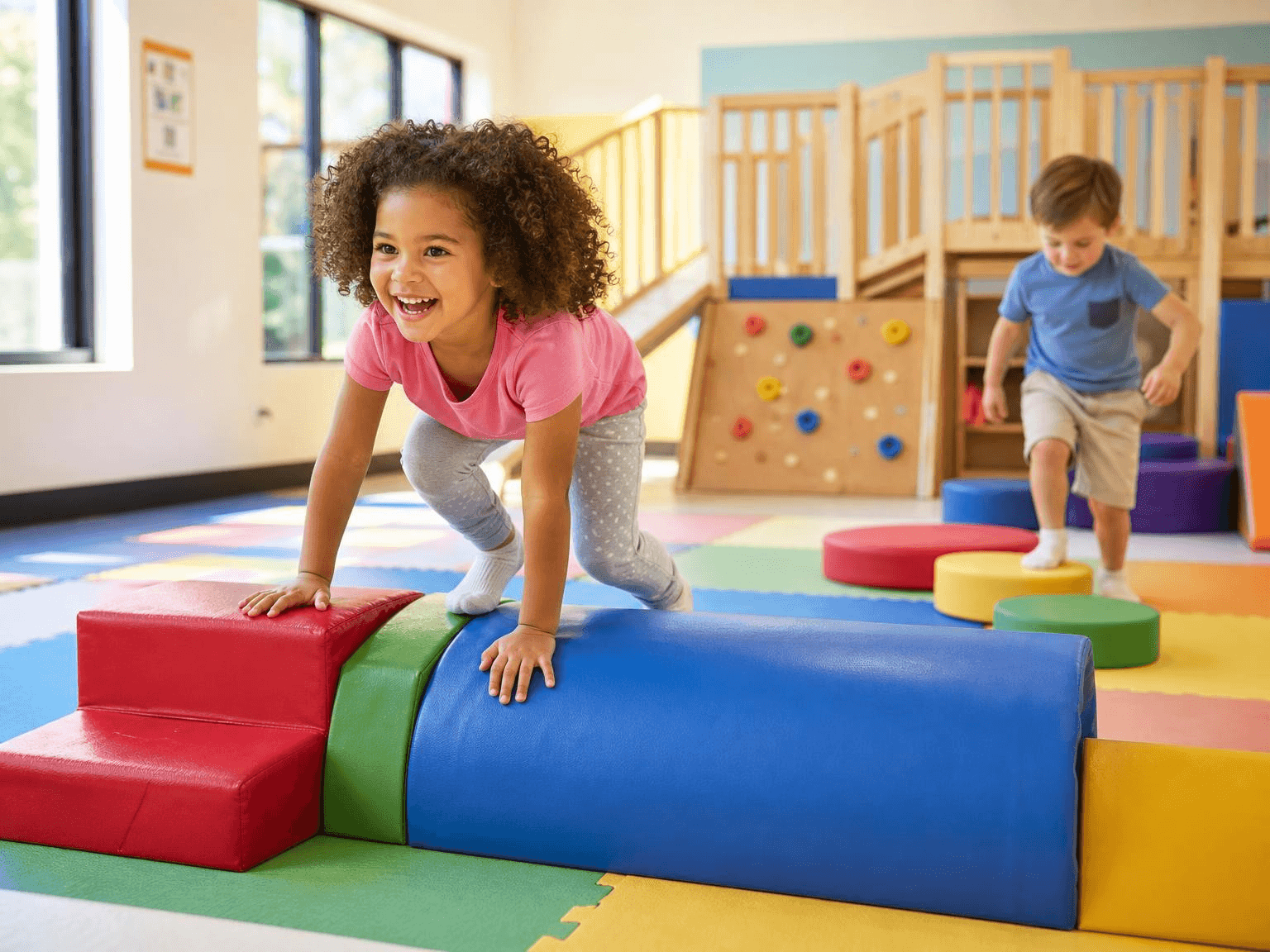
Kids have a natural need to move, explore, and play. When they spend time outside, even in their own backyard, they get the chance to use their whole body in ways that support healthy growth. Simple outdoor activities like climbing, balancing, and running can turn everyday playtime into something that builds strength and confidence.

Outdoor activities also give families a chance to slow down and enjoy time together. With just a few easy ideas, parents can create fun activities that keep kids active while helping them develop important skills. These moments do not need to be complicated. Often, the best play happens with simple setups and a little creativity.

In this article, you will find four easy outdoor activities you can try at home. Each one helps support your child’s physical development while making playtime more fun and meaningful.

outdoor activities

4 Outdoor Gross Motor Activities to Help Kids Build Strength & Confidence

  1. Backyard obstacle course with climbing, jumping, and crawling stations

A backyard obstacle course turns any outdoor space into an exciting play zone. Kids develop strength and coordination as they move through different stations. Parents can set up these courses with simple items already at home.

The course should include three main types of movements. Climbing stations can use sturdy boxes, low tree branches, or pool noodles placed between chairs. Jumping stations work well with hula hoops laid on the ground or small cones to leap over. Crawling sections can be made with blankets draped over chairs or large cardboard boxes with openings cut out.

These outdoor gross motor activities help children build muscle strength and balance. Each station challenges different body parts and skills. Kids practice problem-solving as they figure out how to complete each obstacle.

The course stays interesting with timers or friendly competitions. Families can change the layout each week to keep kids engaged. Adding a jump rope station or balance beam creates new challenges. Most children enjoy repeating the course several times as they try to improve their speed and technique.

  1. Balance beam using natural logs or wooden planks

A simple balance beam offers kids a chance to practice balance and body control in their own backyard. Parents can use a fallen log from nature or a long wooden plank from the hardware store. The beam sits flat on the ground to start, which keeps the activity safe for young children.

Kids walk across the beam heel to toe, jump over it, or try to stand on one foot. These movements help them build core strength and improve their coordination. The low height allows toddlers as young as 18 months to try the activity without risk.

For older kids who need more challenge, parents can raise the beam slightly off the ground. Two sturdy blocks of wood on each end create just enough height to make balance harder. However, the beam should never sit too high.

Natural logs work well because their uneven surface adds an extra challenge. Wooden planks from the hardware store provide a smoother surface that works better for beginners. Either option costs very little and lasts for years outdoors.

tree climbing
  1. Tree Climbing to Develop Upper Body Strength and Coordination

Tree climbing offers children a chance to build serious upper-body strength. Kids use their arms, shoulders, and core muscles to pull themselves up and hold onto branches. This natural workout strengthens muscle groups that many other activities miss.

The activity also improves hand-eye coordination and spatial awareness. Children learn to judge distances between branches and plan their next move. They figure out where to place their hands and feet for safe, stable progress.

Tree climbing builds confidence in a unique way. Each branch a child reaches represents a small victory. As kids climb higher, they prove to themselves that they can take on physical challenges and succeed.

Safety matters, so parents should supervise and help children choose sturdy trees with strong, low branches. Kids can start small and work their way up as they gain strength and skill. The physical benefits pair well with the mental growth that comes from this outdoor challenge.

  1. Running games like tag or relay races to build endurance

Running games offer an excellent way for kids to develop stamina while they play outdoors. Tag games get children to sprint, dodge, and move continuously without even realizing they are exercising. These classic activities naturally improve cardiovascular fitness and help kids build stronger muscles and bones.

Relay races add a team element that makes physical activity more fun. Each child runs their portion of the race before they pass off to a teammate. This format teaches cooperation while it builds speed and endurance at the same time.

Red light, green light provides another great option for younger children. Kids practice starting and stopping while they listen to commands. The game helps them control their movements and develop better coordination.

Parents can set up these activities in any open outdoor space, such as a backyard or a park. The simple rules mean kids can start to play right away. Regular practice with these games helps children gain confidence in their physical abilities as they notice themselves running faster and longer over time.

Conclusion

Outdoor activities do not have to be complicated to make a big impact. With a few simple ideas, families can create meaningful moments that help kids grow stronger, more confident, and more independent. Whether it is setting up a quick obstacle course or encouraging a game of tag, these small activities can become favorite parts of your daily routine.

The most important thing is to make time for movement and enjoy it together. When kids feel supported and have space to explore, they build skills that last far beyond playtime.

Always choose activities that match your child’s age and ability, and stay nearby to keep things safe. If you have concerns about your child’s development, it is always a good idea to talk with a pediatrician or specialist.

All activities should be age-appropriate and supervised by an adult. If you have concerns about your child’s motor development, consult a pediatrician or therapist.

  • Page 1
  • Page 2
  • Page 3
  • Interim pages omitted …
  • Page 11
  • Go to Next Page »

Primary Sidebar

Heather from Whipperberry
Hello... my name is Heather and I'm the creator of WhipperBerry a creative lifestyle blog packed full of great recipes and creative ideas for your home and family. I find I am happiest when I'm living a creative life and I love to share what I've been up to along the way... Come explore, my hope is that you'll leave inspired!

Footer

  • Privacy Policy
  • Crafts
  • Food
  • Gifts
  • Holidays
  • Home
  • Mom Life
  • Recipes
  • Travel

Copyright © 2026 · Seasoned Pro