Communication plays a big role in everyday family life. From asking for help to sharing stories at the dinner table, children use speech and language skills all day long. When a child struggles to express themselves clearly, it can feel frustrating for both the child and the parent.
The good news is that small, simple activities at home can make a meaningful difference. With the right approach, everyday moments can turn into opportunities to support speech and language development. These activities do not require special equipment and can fit naturally into your daily routine.
In this article, you will find six effective speech therapy activities that families can use at home. Each one focuses on building important communication skills in a way that feels engaging and manageable.
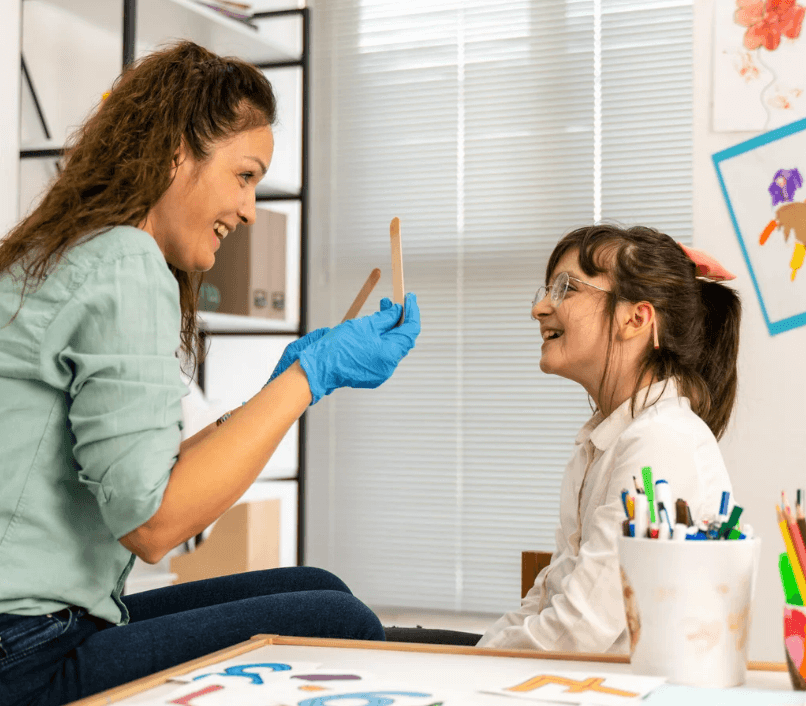
6 Effective Speech Therapy Activities
- Articulation drills focusing on specific sounds
Articulation drills help children learn to produce specific speech sounds correctly. These exercises focus on one sound at a time and repeat it in different word positions. For example, a child might practice the “s” sound at the start of words like “sun” and “sand,” then in the middle of words like “basket” and “message.”
Many speech therapy activities use repetition to build muscle memory for correct sound production. Therapists often start with simple syllables before they move to full words. A child struggling with the “r” sound might begin with “rah, rah, rah” before they attempt words like “rabbit” or “carrot.”
The practice works best with short, frequent sessions rather than long drills. Therapists typically target sounds that cause the most trouble first. They also use pictures, objects, or word lists to keep children interested during practice sessions.
- Interactive storytelling to improve language structure
Interactive storytelling helps children build stronger language skills through active participation. Speech therapists use this method to teach kids how to organize their thoughts and create complete narratives. The child works with the therapist to develop stories together rather than just listen to them.
This approach targets several language areas at once. Children learn new vocabulary words as they craft stories. They also practice sentence structure and develop the ability to connect ideas in a logical order.
Story cubes and picture cards serve as useful tools for this activity. The child rolls dice with images or selects cards, then creates a narrative based on what they see. This method encourages spontaneous language use and helps kids practice sequencing events.
Research shows that narrative-based interventions improve how children structure stories and boost overall communication abilities. The immediate feedback from therapists helps children refine their storytelling skills and apply these improvements to everyday conversations.
- Oral motor exercises to strengthen speech muscles
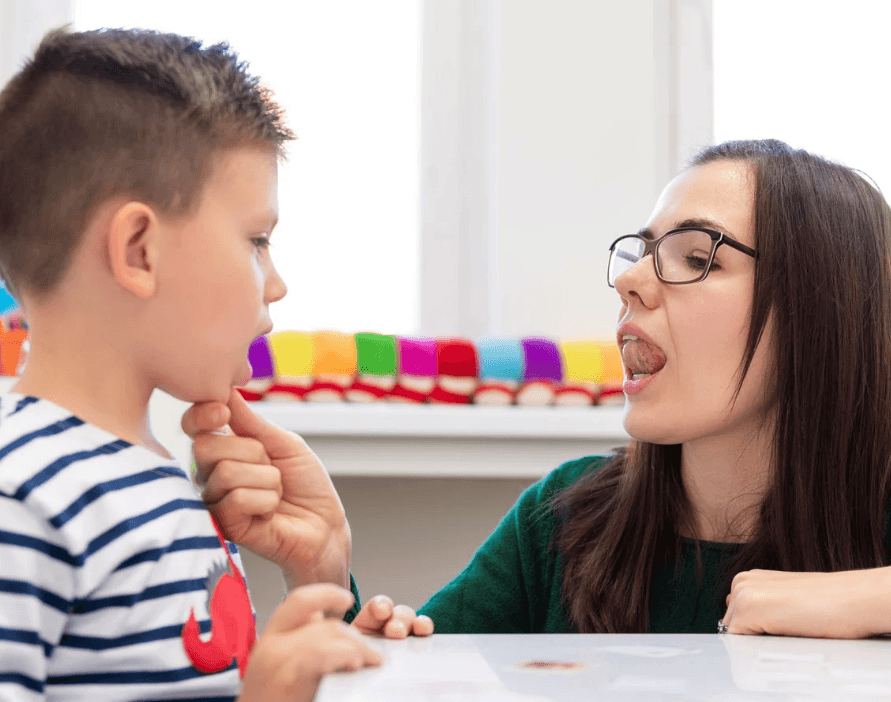
Oral motor exercises focus on the muscles in the mouth, face, and jaw that help produce clear speech. These activities build strength and improve coordination in the lips, tongue, and cheeks. Speech therapists often recommend these exercises for children and adults who struggle with articulation or muscle control.
Simple exercises can make a real difference in speech clarity. Tongue clicks help develop tongue tip control, while straw activities strengthen the lips. Blowing bubbles or feathers works the mouth muscles and teaches breath control. Mirror work allows people to watch their mouth movements and practice correct positions.
Regular practice of these exercises supports better speech production over time. Speech therapists design specific movements based on each person’s needs. The exercises target weak areas and build the muscle memory needed for clear communication.
- Repetition games to improve fluency and word retrieval
Repetition games help children and adults build stronger connections between sounds and words. These activities train the brain to recognize common word patterns more quickly. As a result, people can recall words faster and speak with greater confidence.
Simple card games work well for practice. A person can flip cards with pictures or words and repeat them several times. This method strengthens memory pathways over time.
Board games that require players to name objects or describe actions also support skill development. For example, a player might roll dice and name three animals that start with a specific letter. Through repeated play, word recall becomes easier and more automatic.
Speech therapists often use short answer tasks during sessions. Clients respond to questions or complete sentences, which helps them retrieve information from memory more quickly.
- Breathing control exercises for better speech modulation
Proper breath support forms the foundation of clear and effective speech. The diaphragm, a muscle at the bottom of the rib cage, allows the lungs to expand fully and provides steady airflow for speech production.
Speech therapists often recommend simple diaphragmatic breathing exercises to help patients develop better voice control. People practice by placing one hand on their chest and another on their abdomen, then breathe deeply to feel the stomach rise while the chest remains still. This technique helps speakers maintain consistent volume and produce smoother sentences.
Another helpful exercise involves controlled exhalation. Patients breathe in for four counts, hold briefly, then release air slowly while counting aloud or sustaining a vowel sound. This activity builds the ability to manage airflow and supports longer phrases without strain.
Regular practice of these exercises can lead to noticeable improvements in speech clarity and voice quality. Many individuals who struggle with volume control or coordination between breathing and speech find these techniques particularly beneficial for daily communication.
- Social skills role-playing to develop pragmatic language
Role-playing creates real-life scenarios where children practice social communication in a safe space. A speech therapist might set up pretend situations like ordering food at a restaurant or asking a friend to play. These activities help children learn how to start conversations, take turns, and respond appropriately to others.
The beauty of role-play lies in its low-pressure environment. Children can make mistakes and try again without real social consequences. For example, they might practice how to greet someone, maintain eye contact, or stay on topic during a conversation.
Speech therapists often use props and visual aids to make these sessions more effective. A child might pretend to be a doctor, teacher, or shopkeeper. These different roles teach children how to adjust their language based on the situation and the person they talk to.
Conclusion
Helping a child build strong communication skills does not have to feel overwhelming. With simple activities and a little consistency, families can support steady progress at home. These small efforts can lead to big improvements in how children express themselves and connect with others.
What matters most is creating a supportive and encouraging environment where children feel comfortable practicing and growing. Over time, these everyday moments can help build confidence and stronger communication skills that carry into school and social situations.
If you have concerns about your child’s speech or language development, it is always best to seek guidance from a licensed speech therapist.
This information is for general educational purposes and should not replace professional advice from a licensed speech therapist.
0
Leave a Reply