It seems like every few years, weddings find their way back into your life. A sister gets engaged, a niece starts sending venue links, or a good friend suddenly has a camera roll full of dresses, flowers, and places that would require everyone to find their passports.
And before long, someone asks the question: “Do you know a good photographer?”
It’s a bigger decision than it sounds.
After watching enough weddings come together, you realize the photos you love later aren’t always the perfectly posed ones. They’re the ones where Mom is fixing the bride’s veil, Dad is trying very hard not to cry, or the cousins are laughing at something nobody else heard. And then there are the dance floor photos, when everyone looks considerably less put together than they did three hours earlier.
A destination wedding gives a photographer even more to capture. There’s the place itself, of course, but also the welcome dinner, old friends reuniting, family exploring together, and all those little moments that happen when everyone has traveled somewhere to celebrate the same two people.
So if someone you love is currently searching for a destination wedding photographer, there are a few things worth telling them before they choose one based on a beautiful Instagram feed.
Here’s what I’d have them look for.
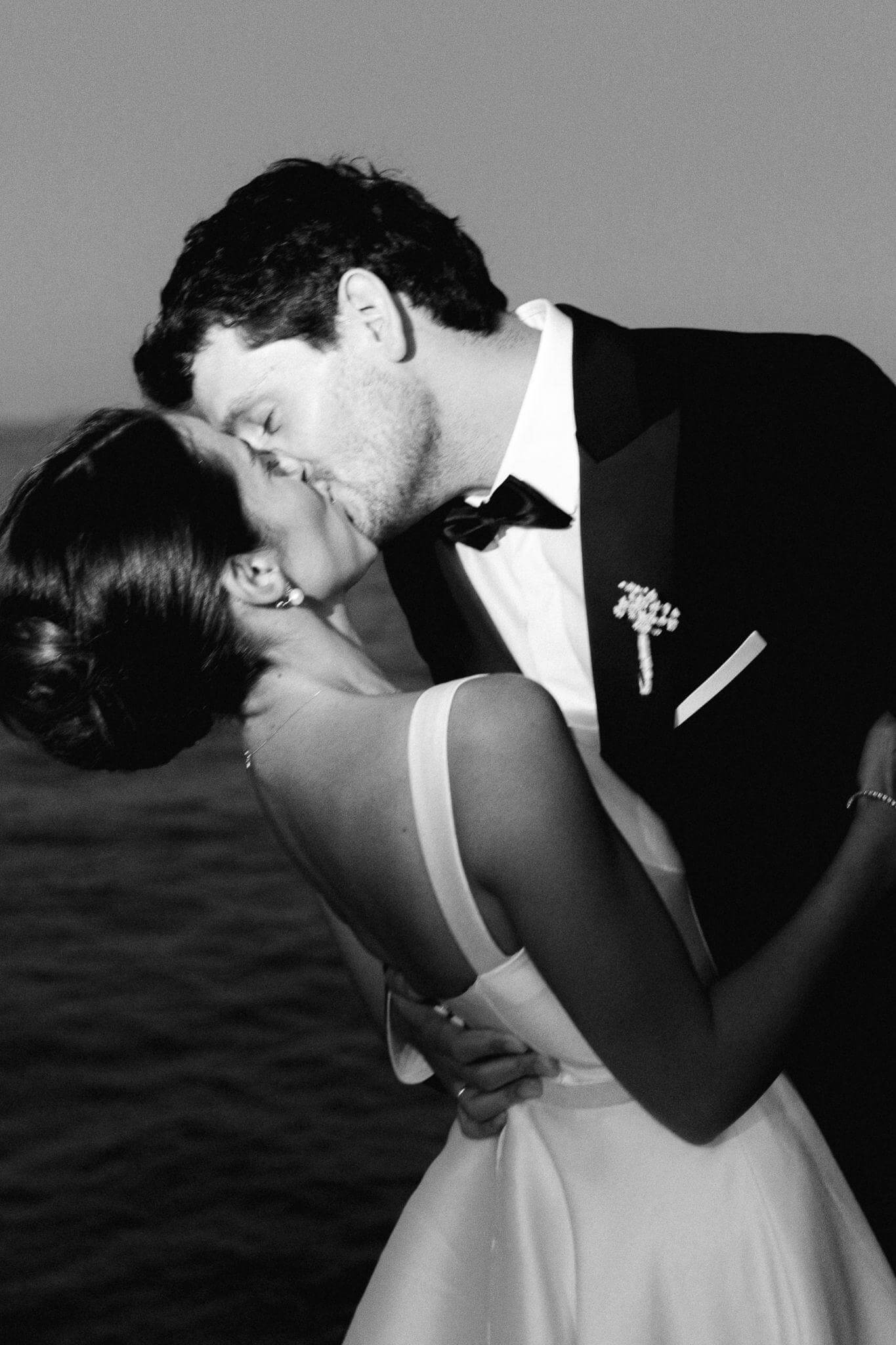
Start With the People, Not the Portfolio
A photographer needs to know more than the wedding date and venue.
They should want to know the couple, too. How did they meet? Who is traveling across the world to celebrate with them? Are there family traditions they should know about? Which parts of the weekend mean the most?
Those conversations give a photographer a much better idea of where to point the camera once everything gets going.
Visit EFEGE’s home page and you’ll find the phrase that sums up the destination photography and film studio’s approach: “More Than Photographers. Storytellers at Heart.”
The team gets to know its couples before deciding how to photograph or film the celebration, which gives each wedding room to have a personality of its own.
When I’m looking through wedding photography, I always think the less obvious photos are worth a second look. Go past the ceremony kiss and the beautiful sunset portrait.
Are the grandparents and friends there? Do you see people laughing over dinner? Are there moments when nobody seems to know a camera is nearby?
Those photos can tell you quite a bit about how a photographer works.
Decide How You Want to Remember the Weekend
Wedding photos may end up framed on the wall or printed in an album. The film might become something the couple pulls out every anniversary.
But these days, there’s usually another version of the wedding living on everyone’s phones.
It’s the clip the maid of honor sends the next morning, the video of everyone singing on the dance floor, or something funny that happened while everyone was getting ready.
That’s where wedding content creation can be a fun addition.
EFEGE calls its approach “Created in the Moment.” A content creator works alongside the photography and film team, capturing short videos and candid moments that are ready to watch and share on a phone.
And really, nobody should have to perform their wedding twice. You don’t want to finish your first look only to hear, “That was great, can you do it again for the Reel?”
If I were helping someone compare packages, I’d ask how the content creator, photographer, and filmmaker work together. The best setup is one where they can catch the getting-ready laughter, reactions during speeches, and whatever happens once the dance floor gets going without constantly interrupting the celebration.
Three cameras fighting for the same moment can get old pretty quickly.
Destination Experience Is About More Than Travel
A destination wedding comes with a few quirks that a hometown wedding may not.
The ceremony could be outside in very bright afternoon sun. Dinner might suddenly move indoors because of rain. Guests may need to travel between several locations. And that relaxed Friday welcome party can become a much later night than anyone planned when Saturday morning rolls around.
It helps to have a photographer who has dealt with those things before and can adjust without turning every change into a production.
EFEGE has worked across more than 90 destinations in over 15 countries and five continents.
A look through its destination weddings takes you all over the place. There are Mexico’s golden coasts from Los Cabos to Riviera Maya, along with weddings in the USA, Caribbean, and Canada. South America brings places such as Patagonia, Colombia, and Brazil, while Europe includes Tuscan villas, Paris, the Amalfi Coast, and the Greek islands. In Asia, you’ll find celebrations in destinations such as Bali, Japan, and Thailand.
Still, I wouldn’t cross a photographer off the list simply because they haven’t worked at the exact venue before.
I’d pay more attention to what happens when the location changes.
Look at weddings in bright sun and receptions after dark. See how they handle indoor spaces and candlelit dinners. If you’re planning several days of events, check whether they’ve photographed that kind of celebration before.
It’s also worth asking what they do when a venue is new to them. Someone who knows how to scout, find good light, and change plans quickly may bring more to the table than someone who knows three standard photo spots at a familiar venue.
Look at a Full Wedding, Not Just Instagram
Instagram is very good at showing us a handful of beautiful photographs. A full wedding gallery tells you much more.
If I were helping a friend make a shortlist, I’d ask to see at least one complete destination wedding with a similar setting or schedule.
Then I’d look at the ordinary parts, too.
How do the family photos look? What happens after the sun goes down? Are guests actually part of the gallery? Do the photographs still hold your attention when there isn’t an ocean, mountain, or Italian villa doing half the work?
A full gallery also makes it easier to spot whether every wedding has been posed and edited in exactly the same way.
You want to recognize the photographer’s style without feeling as though you’ve already seen the wedding before.
Pay Attention to the Moments Between the Big Events
Funny enough, the photos people end up loving aren’t always from the moments they spent months planning.
A bride may plan her ceremony entrance down to the minute and later fall in love with a photo taken 15 minutes earlier, when her mom was fixing her dress.
It could also be her partner laughing during the vows, Grandma dancing, friends ordering one last round at the bar, or a very tired flower girl asleep under a table while the party carries on around her.
You can’t put those moments on a shot list.
When you browse a photographer’s work, notice how often the camera turns toward people other than the couple. A destination wedding may be one of the few times friends and relatives from completely different parts of life are all together.
I’d want plenty of photos of what they were getting up to, too.
Choose a Style You’ll Still Like Later
Wedding photography trends can move surprisingly fast.
Editing gets warmer and then cooler. Direct flash comes back. A certain pose suddenly appears in every other wedding on Instagram. There’s nothing wrong with falling in love with something current, but it’s worth seeing what a photographer’s work looks like beyond one season.
Browse several years of weddings if you can. Look at different venues, seasons, and celebrations. Pay attention to whether the people still come through once you stop looking at the dress, flowers, and location.
And don’t dismiss the imperfect days.
A rainy ceremony can produce some of the photos a couple loves most. A photographer who can make something wonderful out of whatever the day brings is someone I’d want on the list.
Make Sure You Actually Like the Team
This one sounds obvious until everyone gets busy comparing packages, hours, and galleries.
The couple is going to spend a lot of time with these people.
A photographer might arrive while everyone is still in robes eating breakfast and stay until half the guests are barefoot on the dance floor. At a destination wedding, the team may also be around for the welcome party and events the following day.
So have a conversation before booking.
Notice whether they listen and whether asking questions feels easy. Find out how much direction they usually give in front of the camera and what they do when the schedule changes.
Some people love having plenty of guidance. Others want to forget there’s a photographer in the room. Knowing which kind of couple you’re helping can make that shortlist much easier.
One Last Thing Before You Book
When the list is finally down to two or three photographers, I’d go through their work one more time and try to ignore the destination.
Forget the villa, the beach, and the flowers for a minute.
Look at the people.
Do they seem comfortable? Are the parents, grandparents, and friends part of the photographs? Is there room for funny, messy, unexpected moments alongside the beautiful portraits?
Ten or twenty years from now, those photos will be doing something much more important than showing off where the wedding took place.
They’ll be showing you who was there.