Taking care of your skin isn’t just about vanity. For moms, it’s part of keeping yourself and your family healthy. As moms, we’re often quick to schedule doctor visits for our kids but may overlook our own skin concerns or put off that mole check until “someday.” The truth is, dermatology has grown far beyond just treating rashes or breakouts. It now includes everything from early skin cancer detection to safe, gentle cosmetic treatments that fit into real life.
But with so many providers out there, how do you know which dermatologist is right for your family’s needs? Whether you’re looking for help with a teen’s acne, your own skincare concerns, or preventive care for everyone, here’s what to consider before you book that first visit.
1. Medical Credentials and Training
Start with the essentials. Any dermatologist you visit should be board-certified. This means they’ve completed specific education and passed exams in dermatology — not just general medicine.
Look for:
- Board certification from a recognized medical board
- Memberships in professional associations (like the AAD)
- Ongoing education in current treatment methods
These qualifications confirm that you’re being treated by someone trained to handle both common and complex skin concerns. Without them, your care may lack precision or safety.

2. Services They Offer
The list of skin-related services today is long: mole checks, anti-aging treatments, sun damage repair, hair loss consultations, and more. It’s important to choose a dermatologist who covers your concerns.
For example, experts in dermatology in Wellesley make it easy for patients to explore services like skin cancer screenings, acne care, cosmetic peels, and non-invasive treatments — all under one roof. This makes it easier to build a long-term relationship with the same provider.
Here’s what to check:
- Medical services: acne, eczema, mole removal, rosacea
- Cosmetic services: Botox, laser, chemical peels
- Prevention: skin cancer checks, sun care guidance
A clinic, like APDerm, with broad offerings ensures that as your skin’s needs change, your care doesn’t have to. It keeps treatment consistent and personalized over time.
3. Experience With Your Skin Concern
Dermatologists specialize in different things. Some focus on acne and eczema. Others offer more cosmetic procedures, like laser treatments or fillers. Choosing someone who’s treated conditions like yours can make a big difference in results.
Ask:
- Have they handled similar skin types or tones?
- Do they offer treatments tailored to your concerns?
- Can they show reviews or case studies?
This ensures you’re not just getting care — you’re getting the right kind of care.
4. Communication and Comfort
You should feel safe asking questions. A good dermatologist listens, explains clearly, and never rushes through a visit.
Watch for:
- Patient-first approach
- Explanations that make sense to you
- Staff who treat you with care and respect
Comfort matters — not just emotionally, but also medically. When you feel understood, you’re more likely to stick to your treatment and trust the process.
5. Accessibility and Convenience
Check how soon you can get an appointment. Some clinics have long waits, while others can schedule you within days.
Also consider:
- Office hours and location
- Availability of virtual consultations
- Flexibility with follow-ups
The easier it is to reach your dermatologist, the more consistent your skin care will be.
6. Transparent Pricing and Insurance Acceptance
Cost is always a factor. Some treatments may not be covered by insurance — especially cosmetic ones — so always ask about pricing upfront.
Look into:
- Accepted insurance plans
- Cost of consultations and treatments
- Payment plans or discounts available
Understanding the financial side early prevents surprises later. It also helps you plan your care better and more confidently.
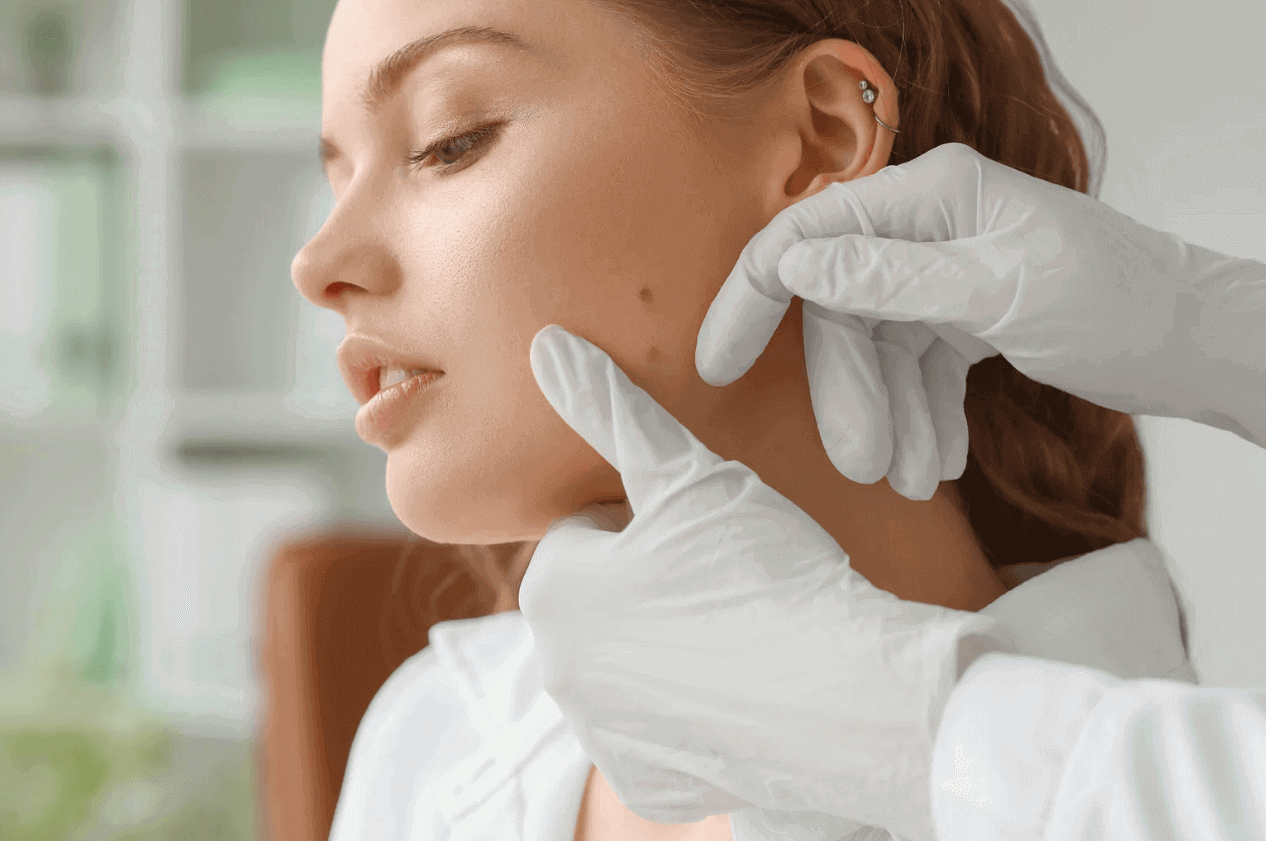
When Should You See a Dermatologist?
Waiting for a problem to get worse is a common mistake. In reality, early visits save time, money, and stress. Here’s when to consider seeing a specialist:
- You have a rash, breakout, or irritation that won’t go away
- You’ve noticed a mole that’s changed in shape or color
- You’re struggling with persistent acne or scarring
- You want cosmetic guidance on aging, sun damage, or skin texture
- You need an annual skin check — especially if you spend time in the sun
Dermatologists also support scalp issues, hair thinning, nail infections, and more. A visit doesn’t always mean something is “wrong” — it’s about proactive care.
Conclusion
Choosing the right dermatologist isn’t just a medical decision but a personal one. You deserve a provider who understands your concerns, explains your options, and supports your long-term skin health. From credentials and treatment range to comfort and cost, each factor plays a role in making that choice easier. Whether you’re juggling appointments for your kids or carving out a little time for your own wellness, choosing a trusted provider makes all the difference.
And if you’re looking for trusted care in areas like Wellesley, taking the time to research providers and review their offerings ensures you find the right fit. Healthy skin isn’t just about appearance. It’s about confidence, safety, and peace of mind.
0
Leave a Reply