Choosing the right kids’ culinary camp in New Orleans involves finding age-appropriate programs, understanding the teaching style, checking safety and supervision, evaluating the learning experience, and selecting camps that encourage active participation. These factors help ensure children gain practical cooking skills while enjoying a fun and supportive environment.
Situated along a major bend of the Mississippi River in southeastern Louisiana, New Orleans has long been considered one of the most distinctive culinary capitals in the United States. The city’s food traditions grew from centuries of cultural influences. With historic markets, family-run kitchens, and famous neighborhoods like the French Quarter, food plays a central role in the city’s culture.
Because of this vibrant culinary scene, many families visiting the area explore programs such as a New Orleans cooking class for kids, giving children a chance to experience the city’s unique food traditions in a hands-on and engaging way.
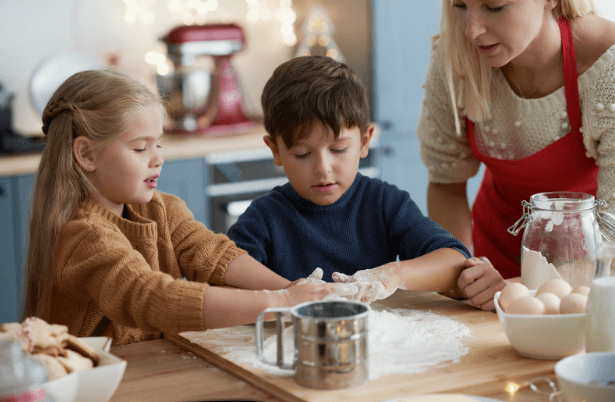
Here are five helpful tips for choosing the right kids’ culinary camp in New Orleans:
Tip 1: Look for Age-Appropriate Programs
Children learn best when lessons match their age and ability level. A well-designed culinary camp separates groups by age, so younger children are not overwhelmed by advanced techniques.
Programs for younger participants often focus on simple recipes and basic kitchen safety. Older kids may learn additional techniques and more detailed cooking steps. Age-appropriate instruction helps children stay engaged and confident.
Tip 2: Check the Teaching Style
The teaching approach used in a culinary camp can make a big difference in how much children enjoy the experience. Some programs rely heavily on demonstrations, while others focus on hands-on participation.
Hands-on learning usually works best for children because it keeps them involved. Kids can measure ingredients, mix recipes, and prepare dishes themselves. This approach helps them understand the cooking process more clearly.
Tip 3: Evaluate Safety and Kitchen Supervision
Safety should always be a priority when children are working in a kitchen environment. Culinary camps should provide clear guidance on safe food handling and kitchen practices.
Instructors should supervise closely while children use cooking tools or equipment. Programs that teach safety rules early help kids feel more comfortable in the kitchen. Parents should also confirm that camps provide appropriate supervision for each age group.
Tip 4: Consider the Learning Experience
A good culinary camp teaches more than how to follow recipes. Programs often include lessons about ingredients, cooking techniques, and the cultural history of food.
In a city like New Orleans, cooking classes may introduce children to regional dishes and culinary traditions. This helps kids understand how local food culture developed. Learning about the story behind the food can make the experience more meaningful.
Tip 5: Look for Camps That Encourage Participation
Children gain the most from culinary camps when they actively participate in cooking tasks. Programs that allow kids to prepare ingredients and cook recipes themselves create stronger learning experiences.
Participation also makes the class more enjoyable for children. They feel proud when they see the finished dish they helped prepare. Hands-on cooking activities keep children interested throughout the program.
Skills Kids Gain from Culinary Camps
Culinary camps help children build practical skills they can continue using at home. These programs focus on techniques that are easy for kids to understand and practice.
Some of the key skills children develop include:
- Measuring and preparing ingredients
- Following step-by-step instructions
- Practicing basic kitchen safety
- Working together with other students
- Trying new foods with curiosity
These lessons encourage independence and creativity.
Why New Orleans Is a Great Place for Culinary Camps
New Orleans has a long history of culinary traditions that make the city an exciting place to learn about food. The region’s recipes reflect a blend of cultures that have influenced the area for centuries.
New Orleans cooking class for kids often includes dishes that represent these traditions. Children gain exposure to ingredients and cooking styles that are unique to the region. When parents research programs like this, they often discover camps that combine cultural learning with practical cooking skills.
Key Takeaways
- Culinary camps help children develop cooking skills through hands-on activities.
- Age-appropriate instruction keeps kids engaged and confident.
- Safe kitchen supervision is essential in any cooking program.
- Cooking camps can teach both recipes and food culture.
- Active participation helps children learn more effectively.
- New Orleans offers a unique culinary environment for kids to explore food traditions.
Leave a Reply