As a mom who practically runs on coffee (some days more than others!), I’ve spent years hopping between cafés—sometimes with kids in tow, sometimes savoring a quiet moment alone. And over countless cups, I’ve learned something important: the cafés that truly stand out don’t just serve good coffee… they create a feeling.
Whether you’re dreaming of opening your own cosy neighbourhood spot or looking to grow an existing café, understanding what today’s coffee lovers want—families, students, professionals, and yes, tired moms—is absolutely essential. The speciality coffee culture in the UK has grown rapidly, and customers now expect more than a quick caffeine fix. They crave quality, connection, and consistency.
This guide breaks down the fundamentals of building a successful coffee business from a practical, mom-tested perspective—covering sourcing, operations, atmosphere, and customer experience so you can create a place people genuinely want to return to.
Understanding the Modern Coffee Consumer
Today’s coffee drinkers possess sophisticated palates and heightened expectations shaped by years of speciality coffee exposure. They appreciate origin stories, understand processing methods, and recognise quality differences that previous generations overlooked. This educated customer base rewards establishments prioritising quality and transparency whilst quickly abandoning those offering mediocre experiences.
Research indicates that UK consumers now drink approximately 98 million cups daily, with speciality coffee commanding premium pricing when quality justifies the cost. This willingness to pay more for exceptional coffee creates opportunities for cafés that invest in quality beans, skilled baristas, and consistent preparation methods.
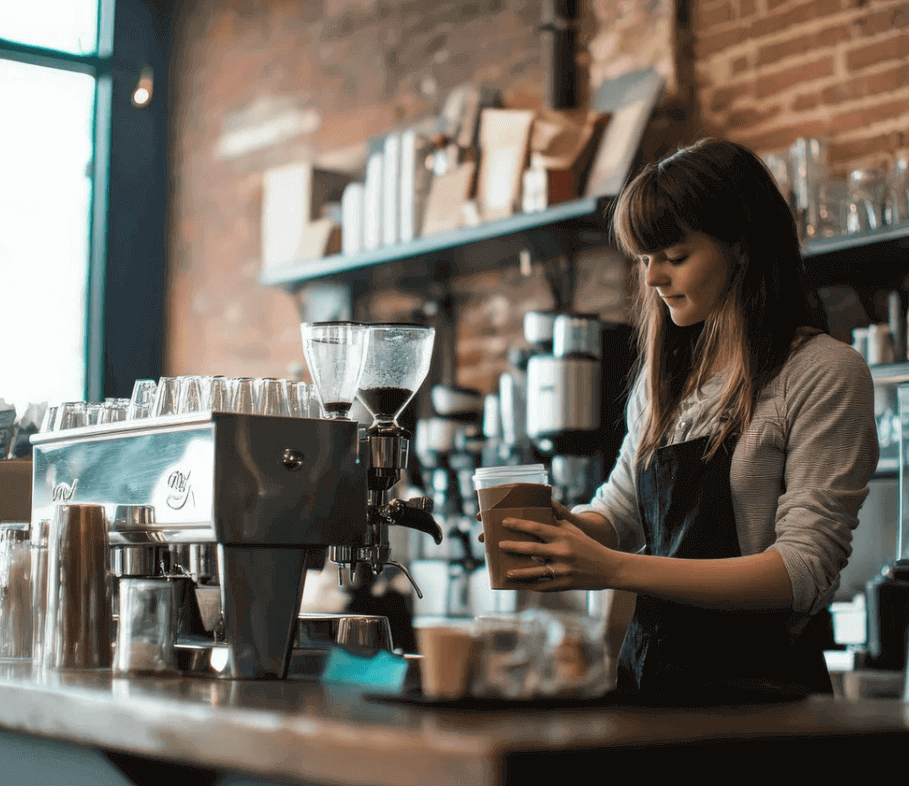
Sourcing Quality Coffee: The Foundation of Success
Evaluating Bean Quality and Freshness
Coffee quality begins long before beans reach your grinder. Origin, altitude, processing method, and roast profile all dramatically impact flavour characteristics. Arabica beans generally offer more complex, nuanced flavours compared to robusta, though blends incorporating both can provide depth and crema enhancement for espresso.
Freshness proves absolutely critical—coffee begins losing flavour immediately after roasting, with optimal consumption occurring within 2-4 weeks post-roast. Establishing relationships with suppliers who roast regularly and deliver frequently ensures your café serves coffee at peak flavour rather than stale beans that undermine even skilled preparation.
Building Supplier Relationships
Reliable suppliers become invaluable partners in your business success. Beyond simply providing beans, quality suppliers offer training, troubleshooting support, and insights into emerging trends. They understand seasonal variations affecting coffee availability and can guide menu adjustments that maintain quality year-round.
When looking to find the best wholesale coffee beans, prioritise suppliers who demonstrate transparency about sourcing, provide detailed tasting notes, and support your staff development through training and education.
Balancing Quality and Cost Considerations
Whilst premium beans command higher prices, they needn’t destroy your margins. Calculate cost-per-cup rather than cost-per-kilogram—exceptional beans often produce better extraction, requiring less coffee per drink whilst delivering superior flavour. This efficiency, combined with customers’ willingness to pay premium prices for quality, frequently makes speciality beans economically viable.
Consider offering tiered options—a house blend for price-conscious customers alongside single-origin or micro-lot coffees for enthusiasts willing to pay for exceptional experiences.
Operational Excellence: Consistency is Key
Equipment Investment and Maintenance
Quality espresso machines, grinders, and brewing equipment represent significant investments that directly impact your product quality. Commercial-grade equipment withstands high-volume demands whilst maintaining consistent temperature and pressure—critical factors in espresso extraction.
However, even premium equipment fails without proper maintenance. Establish rigorous cleaning schedules, descaling routines, and regular servicing. Many quality issues stem from inadequately maintained equipment rather than poor beans or technique.
In many cafés, day-to-day operations rely not only on well-maintained machines but also on smooth behind-the-scenes workflows that keep ordering, communication, and scheduling running without disruption. Some owners explore external support options to help maintain stability during busy periods or sudden equipment challenges, and resources like this can offer additional perspective on how others manage operational consistency in service-based environments.
Staff Training and Skill Development
Your baristas represent your brand with every cup they prepare. Comprehensive training covering espresso fundamentals, milk texturing, extraction principles, and customer service transforms adequate staff into ambassadors who elevate your café’s reputation.
Ongoing education keeps skills sharp and staff engaged. Many suppliers offer training sessions introducing new coffees or techniques. Encourage staff to experiment during quiet periods, developing signature drinks that differentiate your offering.
Standard Operating Procedures
Consistency separates successful cafés from mediocre ones. Document recipes, extraction parameters, and preparation techniques, ensuring every team member produces identical quality regardless of who’s working. This standardisation maintains customer trust—they know exactly what to expect with each visit.
However, standardisation shouldn’t stifle creativity. Balance consistent core offerings with rotating specials that showcase seasonal beans or innovative preparations.
Creating Memorable Customer Experiences
Atmosphere and Environment
Coffee quality matters enormously, but atmosphere significantly influences customer satisfaction and dwell time. Comfortable seating, appropriate lighting, and thoughtful acoustics create environments where customers linger, increasing per-visit spending.
Consider your target demographic—students need ample seating and power outlets, business professionals value efficient service and quiet zones, whilst social customers appreciate communal tables and vibrant energy. Your space should authentically reflect your brand whilst serving customer needs.
Customer Engagement and Education
Customers increasingly appreciate understanding what they’re drinking. Train staff to discuss origin characteristics, processing methods, and flavour notes without pretension. This education enhances appreciation whilst justifying premium pricing.
Consider offering occasional cuppings or brewing workshops. These events build community, showcase your expertise, and create deeper customer relationships that transcend transactional exchanges.
Managing Costs and Maximising Profitability
Inventory Management
Coffee’s perishability demands careful inventory management. Over-ordering results in stale beans and wasted investment, whilst under-ordering risks running out during busy periods. Track consumption patterns, adjusting orders to match demand whilst maintaining freshness.
Consider multiple smaller deliveries rather than bulk orders, ensuring constant freshness even if per-kilogram costs slightly increase. The quality improvement often justifies minimal additional expense.
Waste Reduction Strategies
Coffee businesses generate considerable waste—grounds, milk, packaging, and occasionally spoiled products. Implementing waste reduction strategies improves sustainability credentials whilst reducing costs. Coffee grounds benefit gardens, compost programmes, or innovative reuse projects. Accurate milk portioning minimises dairy waste, whilst proper training reduces mistakes requiring drink remakes.
Pricing Strategy
Price your offerings to reflect quality whilst remaining competitive within your market. Understand your cost structure comprehensively—beans, milk, labour, overheads—ensuring sustainable margins. Don’t undervalue quality coffee; customers recognise and reward excellence whilst dismissing artificially cheap offerings as inferior.
FAQ Section
How much coffee should I order for my café?
Calculate weekly consumption by tracking sales data, then order quantities providing 2-3 weeks’ supply maximum. This balances freshness against ordering efficiency. New cafés lacking historical data should start conservatively, increasing orders as patterns emerge. Remember that consumption fluctuates seasonally—summer typically sees increased iced coffee sales, whilst winter drives hot beverage consumption.
Should I offer single-origin coffees or blends?
Both have merit. Blends provide consistency year-round and typically cost less, making them ideal for house coffees used in milk-based drinks. Single-origins showcase unique characteristics, appealing to enthusiasts willing to pay premiums. Many successful cafés offer a reliable house blend alongside rotating single-origin options, satisfying diverse customer preferences.
How can I differentiate my café in a competitive market?
Authenticity and consistency matter more than gimmicks. Focus on exceptional coffee quality, knowledgeable staff, and genuine hospitality. Develop signature drinks that reflect your identity. Consider specialising—whether in particular origins, brewing methods, or complementary offerings like exceptional pastries. Genuine expertise and passion create differentiation that superficial marketing cannot replicate.
What profit margins should I expect on coffee sales?
Well-managed cafés typically achieve 65-75% gross margins on coffee beverages, though this varies based on pricing strategy, waste management, and operational efficiency. Net margins after accounting for labour, rent, and overheads typically range 10-15% for successful operations. Premium positioning with quality justification allows higher margins than competing primarily on price.
How important is coffee machine choice for a new café?
Extremely important—your machine represents a long-term investment fundamentally impacting quality and capacity. Commercial espresso machines range from £2,000-£20,000+, with mid-range options (£5,000-£8,000) suitable for most independent cafés. Prioritise reliability, ease of maintenance, and appropriate capacity for your projected volume. Leasing arrangements spread costs whilst ensuring access to quality equipment.
Conclusion
Running a café isn’t just about serving drinks—it’s about creating a space where people feel welcome, understood, and taken care of. As a mom, I know how much those small moments of comfort and connection matter, whether it’s the first latte of the morning or a warm spot to settle in with the kids on a rainy afternoon.
When you prioritise quality beans, support your staff’s growth, stay consistent with your service, and create an atmosphere where people can slow down and enjoy themselves, your café becomes more than a business. It becomes a community hub—one people recommend to their friends, bring their families to, and think of fondly whenever they crave something special.
With thoughtful sourcing, smart operations, and heartfelt hospitality, your coffee shop can become that kind of place: warm, reliable, and full of memorable moments. And trust me, customers—especially moms—notice and appreciate every single detail.
0
Leave a Reply