Developing a signature personal style is about more than following trends. It is the process of understanding what makes you feel comfortable, confident, and authentic.
While fashion trends come and go, a personal style provides consistency and helps simplify everyday decisions about what to wear.
Many people assume that creating a recognizable style requires a complete wardrobe overhaul or a large budget.
In reality, it starts with paying attention to your preferences, lifestyle, and the image you want to project. With a thoughtful approach, anyone can build a wardrobe that feels cohesive and uniquely their own.
This guide walks through practical steps to help you identify your signature personal style and refine it over time.
Start With Your Lifestyle
Before focusing on clothing, consider how you spend your time. Your wardrobe should support your daily activities rather than work against them. Ask yourself a few simple questions:
- What does a typical week look like?
- Do you spend most of your time in professional settings, casual environments, or a mix of both?
- What activities require specific clothing?
- Which outfits make you feel most comfortable and confident?
For example, someone who works remotely may prioritize comfort and versatility, while someone in a client-facing role may lean toward professional pieces.
When your clothing reflects your actual lifestyle, it becomes much easier to create a consistent style that feels natural rather than forced.
Identify What You Already Like
One of the easiest ways to discover your style is to examine the clothes you already wear regularly. Look through your wardrobe and identify items that you reach for repeatedly. Pay attention to common themes such as:
- Complementing colors
- Favorite fabrics
- Recurring silhouettes
- Specific patterns or textures
- Types of accessories you enjoy wearing
You may notice that your favorite pieces share similar characteristics. Perhaps you gravitate toward neutral colors, relaxed tailoring, or classic designs. These patterns provide valuable clues about your personal preferences.
At the same time, consider which items remain unworn. Understanding what does not work for you can be just as helpful as identifying what does.
Define the Style Words That Describe You
Many stylists recommend choosing three to five words that capture how you want your style to feel. Examples might include:
- Classic: Focused on timeless pieces and clean lines.
- Creative: Expressed through unique details, interesting textures, or unexpected combinations.
- Minimalist: Centered around simplicity and a curated wardrobe.
- Elegant: Characterized by refined silhouettes and thoughtful finishing touches.
- Relaxed: Built around comfort and effortless styling.
These words serve as a filter when shopping or putting together outfits. If a piece does not align with your chosen style descriptors, it may not belong in your wardrobe.
Build a Consistent Foundation
A signature style is usually built on a foundation of reliable wardrobe staples. These core pieces make it easier to create outfits without constantly chasing new trends. Examples include:
- Well-fitting jeans
- Tailored trousers
- Simple tops
- Versatile jackets
- Comfortable footwear
- Neutral layering pieces
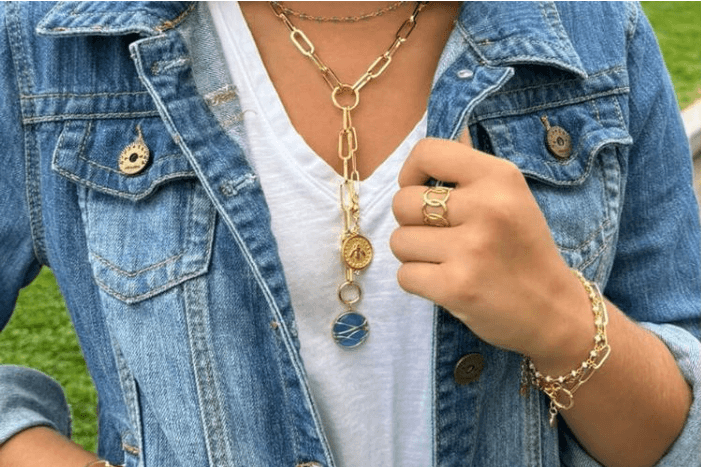
Once you have established these essentials, you can introduce accessories and statement items that reflect your personality. Accessories often play a significant role in creating a recognizable look. Some people become known for a particular watch, scarf, handbag, or jewelry style.
For those interested in creating variety without constantly purchasing new pieces, brands such as LINK Necklaces offer interchangeable jewelry options that can complement different outfits while maintaining a cohesive aesthetic.
Exploring collections from LINK Necklaces can provide inspiration for building a versatile accessory wardrobe that supports a consistent personal style. The key is selecting pieces that feel like an extension of your overall look rather than isolated fashion statements.
Create a Personal Uniform
The term “personal uniform” does not mean wearing the exact same outfit every day. Instead, it refers to having a reliable formula that consistently works for you. Many people with strong personal style rely on simple outfit structures such as:
- Blazer, fitted top, and trousers
- Knit sweater, jeans, and ankle boots
- Button-down shirt with tailored pants
- Dress and simple accessories
Having a few go-to combinations reduces decision fatigue and creates visual consistency. Over time, people often become associated with these signature outfit formulas because they align naturally with their personality and lifestyle.
Focus on Fit Before Trends
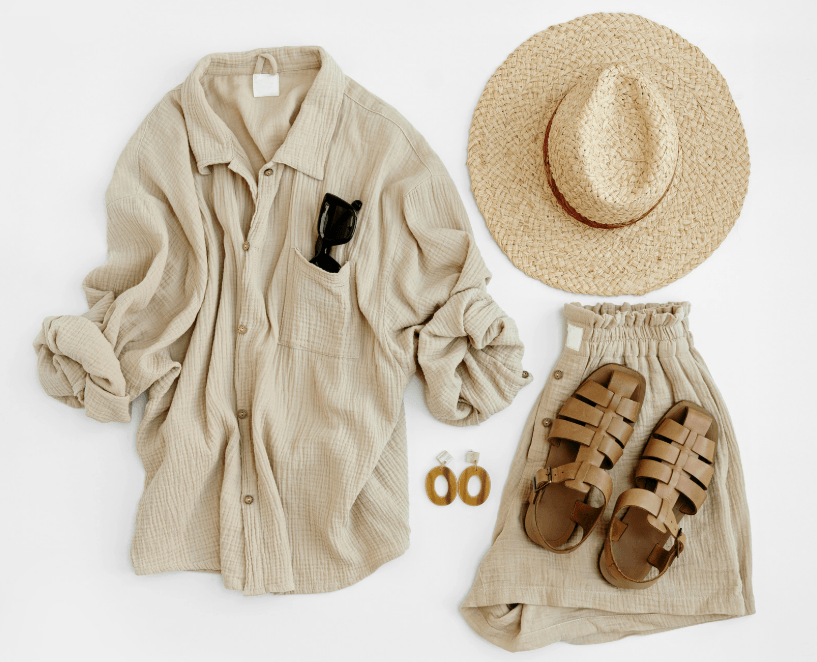
One of the most overlooked aspects of personal style is fit. Even the most fashionable clothing can appear awkward if it does not fit properly. When evaluating clothing, pay attention to:
- Shoulder alignment
- Sleeve length
- Waist placement
- Overall proportion
- Comfort during movement
Clothing that fits well generally looks more stylish and feels more comfortable. It is also helpful to remember that not every trend needs to become part of your wardrobe. Trends can be fun to experiment with, but they should support your personal style rather than replace it.
A useful question to ask before purchasing something new is: “Will I still enjoy wearing this a year from now?” If the answer is uncertain, it may not be a worthwhile addition.
Allow Your Style to Evolve
Personal style is not static. As your lifestyle, interests, and priorities change, your wardrobe will naturally evolve as well. Rather than striving for perfection, view style as an ongoing process of refinement.
You may discover new color combinations that suit you, develop an appreciation for different silhouettes, or find accessories that become part of your signature look. These changes are a normal part of developing a wardrobe that reflects who you are.
Regularly reassessing your clothing choices helps ensure that your style continues to align with your current needs and preferences.
Conclusion
Creating a signature personal style begins with understanding yourself rather than following trends. By evaluating your lifestyle, identifying your preferences, defining your style goals, and building a foundation of versatile pieces, you can create a wardrobe that feels authentic and functional.
A strong personal style does not happen overnight. It develops through thoughtful choices, experimentation, and consistency. Focus on what makes you feel comfortable and confident, and allow your style to evolve naturally over time. The result will be a wardrobe that not only looks cohesive but also reflects your personality in a meaningful way.
0
Leave a Reply