Home should be a place that supports your day, not adds to your stress. But sometimes the way a room is set up makes everyday tasks harder than they need to be. Whether it’s a bathroom that feels crowded during the morning rush or a living room that never quite feels restful, small design choices can add up.
For busy families in places like Orlando, where heat and daily routines keep everyone indoors more often, how your home works really matters. A calm, easy-to-use space helps everyone move through the day with less stress. When your home supports your routines instead of working against them, life just flows better.
In this post, we’ll look at simple strategies for designing home spaces that help reduce daily friction, support rest, and create a calmer atmosphere for the whole family, without needing a full remodel.
Primary Use
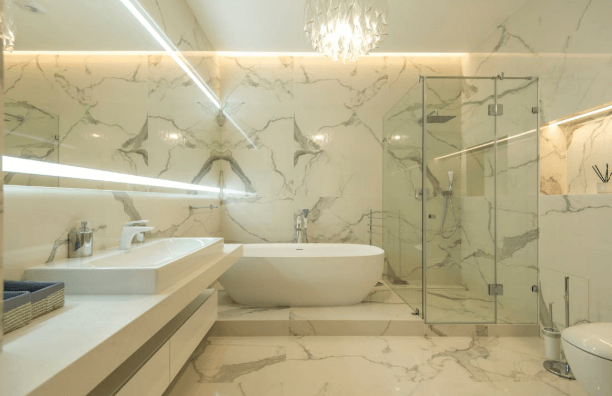
Rooms feel calmer and more supportive when they are designed around one main purpose rather than trying to accommodate every possible activity. When a space sends mixed signals through layout, furniture, and circulation, the mind stays partially alert, adjusting constantly. Design that commits a room to a clear function allows attention to settle without effort, supporting a sense of ease that carries through daily routines.
For most homeowners, this becomes especially important in personal spaces where repetition is constant, like bathrooms. Bathroom remodeling often reveals how competing functions disrupt daily flow, particularly in rooms meant for preparation and recovery. Working with specialists such as Luxury Bath of Orlando supports design decisions that organize the space around focused use, allowing routines to unfold smoothly rather than feeling rushed or fragmented.
Boundaries
Proper boundaries between spaces help the mind disengage without conscious effort. When rooms are visually and physically defined by purpose, the body responds naturally by shifting pace and posture. Design that respects these boundaries reduces mental overlap between activities, allowing one state to end before another begins.
Homes that lack clear separation tend to carry tension from room to room. Thoughtful boundaries guide transitions quietly, supporting emotional clarity without the need for strict division.
Circulation
Movement through a home plays a larger role in well-being than most people recognize. Poor circulation creates repeated interruptions, forcing people to slow down, reroute, or negotiate space. Design decisions that clarify how movement should happen reduce these small but frequent disruptions.
When circulation feels natural, movement becomes effortless rather than deliberate. The home supports daily flow instead of working against it.
Sensory Control
Sensory overlap between rooms increases mental load by introducing competing signals at once. Sound, lighting, and surface changes that spill across spaces make it harder for the mind to settle. Design that limits this overlap allows each room to support a specific emotional tone without distraction.
This approach does not isolate spaces but gives each one clarity. When sensory input aligns with purpose, rooms feel calmer and more supportive. The home begins working as a collection of environments that guide experience rather than overwhelm it.
Micro-Adjustments
Background tension often comes from constant small corrections rather than obvious discomfort. Reaching awkwardly, shifting position, or compensating for poorly aligned elements requires mental and physical effort throughout the day. Design that removes these micro-adjustments reduces fatigue in a meaningful way.
As the environment responds predictably, the body relaxes into routine without resistance. Fewer corrections allow energy to be conserved rather than spent managing space. Design supports well-being quietly by reducing demand rather than adding features.
Space Scale
The way a room is sized and shaped affects emotional regulation more than most people realize, because the body responds instinctively to how contained or exposed it feels in a given space. Rooms that feel too tight for their purpose can create tension during extended use, while overly open areas can make it harder to settle mentally, especially during moments that require focus or rest. Design that accounts for scale allows spaces to support the emotional state they are meant to hold without asking the occupant to consciously adapt.
Over time, people begin gravitating toward rooms that feel proportionate to their use, often without understanding why. Spaces intended for quiet or recovery benefit from a sense of containment, while areas meant for activity or connection feel easier when they allow visual breathing room.
Predictability
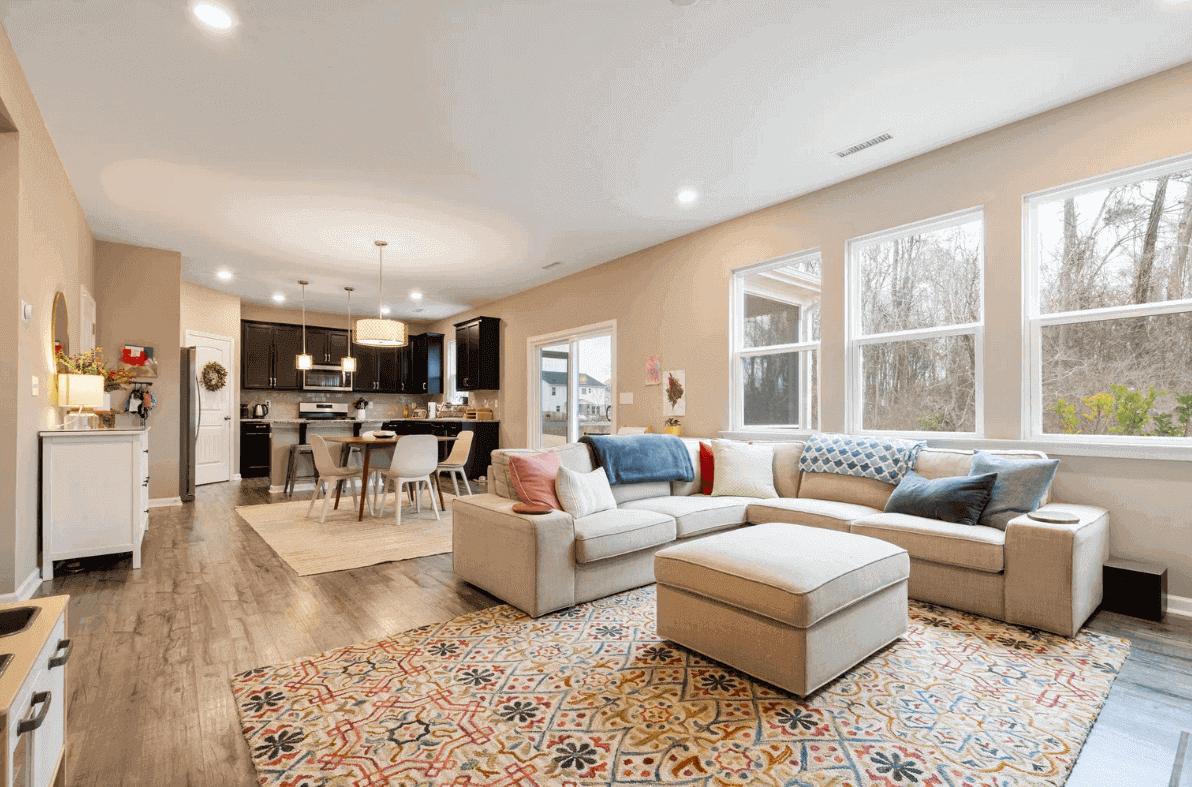
Environmental predictability plays a powerful role in emotional safety because the mind relaxes when it understands what to expect from a space. Homes that behave consistently from day to day require less mental monitoring, allowing attention to remain on living rather than managing surroundings. Design decisions that support predictability focus on layout, response, and repetition rather than novelty.
When rooms function reliably, people move through them with confidence rather than caution. Lighting behaves as expected, movement paths remain clear, and spaces respond the same way each time they are used. This consistency allows the home to absorb stress instead of amplifying it, supporting well-being through familiarity and trust rather than stimulation.
Rest Signals
Spaces that support rest work best when they communicate their purpose without requiring effort or discipline from the person using them. Physical cues such as placement, enclosure, and orientation guide the body toward slowing down without instruction. Design replaces willpower with environment, allowing rest to happen naturally rather than feeling forced.
Once these cues are present, recovery becomes part of the home’s behavior rather than a separate routine that must be maintained. The mind responds to space before it responds to intention, and rooms that quietly signal rest help reduce the gap between exhaustion and recovery. Well-being improves when rest feels accessible rather than conditional.
Material Flow
Material consistency across connected spaces supports mental calm by reducing the need for constant visual processing. Abrupt changes in surface, texture, or finish draw unnecessary attention, keeping the mind alert when it does not need to be. Design that limits such disruptions allows attention to settle without conscious awareness.
This does not mean uniformity for its own sake, but rather thoughtful continuation that allows the environment to feel coherent. When materials feel intentional and predictable, the home becomes easier to read and move through. The brain expends less energy interpreting space, leaving more capacity for focus, presence, and rest.
Final Thoughts
Creating a home that supports your family’s well-being doesn’t have to mean a full remodel or fancy finishes. It’s about making simple, thoughtful changes that reduce stress and help your space work better for the way you live. When rooms are easier to move through, more comfortable to rest in, and less demanding to maintain, your home becomes a quiet support system in the background of everyday life.
The goal isn’t perfection. It’s about designing spaces that help you and your family feel more at ease. With a few smart changes, your home can offer calm and comfort where you need it most.
0
Leave a Reply