Looking for a unique way to add to your craft collection?
Wool is one of the most popular fibre types to use in the craft industry. The versatility of wool has inspired yarn customers to create unique and imaginative crafts for hundreds of years, and it’s clear that that’s not about to change.
In fact, it’s actually more popular than other fibre types, with more people purchasing yarn made with wool than synthetic fibres and cotton.
Here’s what we’ll be going over in this article:
- Why Wool is King of Craft Creations Today
- The 7 Most Popular Wool Crafting Techniques
- How To Get Started On Your First Wool Project
- How to Care For Your Wool Projects
Why Wool is King of Craft Creations Today
I just have to share something with you…
Wool is a different type of fiber when you compare it to other yarns.
Many fibres can come and go in the industry based on trends and whatever the current generation is into. But wool just has this innate ability to be useful no matter what.
The natural crimp of wool fibres allows it to entangle together whether you’re making a sculptural work of art or a simple scarf.
Let me paint a picture for you:
Wool is breathable, insulating, and it retains dye incredibly well. It is the perfect medium for just about any creative endeavour you could think of. Plus, starting with a quality base like this wool wash from Yarn Trader means you’re starting on the right foot.
But there’s another factor at play here that’s increasing its popularity…
Wool is all over the media for one massive reason: its sustainability and the incredible versatility of wool.
Makers and crafters are waking up to the environmental costs that synthetic fibres and dyeing practices are putting on the planet. And that’s not something they’re willing to stand for anymore.
Wool is a natural fibre that’s renewable, biodegradable, and in a lot of cases, one of the most eco-friendly fibres you can purchase when it’s ethically sourced.
The stats back this up, too. The global wool market size is expected to reach $43.90 billion in 2025 and will grow at a CAGR of 3.70% through 2030 to hit $52.60 billion.
The 7 Most Popular Wool Crafting Techniques
Are you ready to see what’s going on?
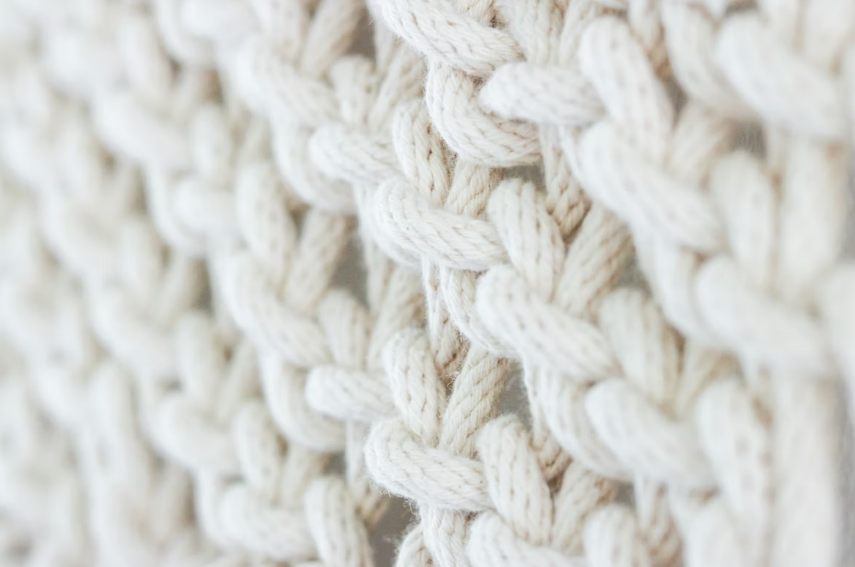
One of the amazing things about wool is that it can be manipulated in so many ways, showcasing the incredible versatility of wool.
Each of these techniques highlights a different attribute in wool fibres and creates a totally unique range of potential results.
Needle Felting
Needle felting has taken off in the last few years.
Needle felting is the ability to sculpt wool into 3-dimensional shapes just using a barbed needle and a ball of roving.
You literally stab the wool fibres until they mat and interlock into any shape you can imagine.
The thing is…
You can get so detailed with this technique. Miniature food replicas, hyper realistic portraits, or tiny animals, there’s really no limit if you have the patience and an idea in your head.
Wet Felting
Needle felting is great, but what about something a little smoother?
Wet felting is the ancient process of using hot water, soap, and friction to lock wool fibres into place permanently.
This technique is perfect for items that need to be flat like scarves, bags, wall hangings, or rugs. Plus the process is actually quite relaxing once you get the hang of it.
Knitting & Crochet
Classic always has a time and place, and it’s here to stay for good reason.
84% of yarn consumers knit and 73% crochet, with 58% of those doing both. So you have a whole community of crafters keeping traditional methods alive and constantly evolving them.
Modern knitting and crocheting enthusiasts are branching into new techniques, mixing it up with unconventional patterns, and creating pieces that merge the line between craft and high fashion.
Weaving
Moving into fabric weaving with wool is a fantastic way to create something structured and both beautiful and functional.
Whether you’re working on a small hand loom or a floor loom, wool yarn is great for beginners because it’s a more forgiving process while still offering infinite complexity for expert weavers.
The texture and drape that you can achieve with wool fabric weaving is just unmatched by other fibres.
Spinning Yarn
Wool crafting really gets interesting when you go hands-on.
Taking raw fleece and spinning it into yarn that you can then use gives you complete control over every aspect of your projects.
It’s a deeper connection with your medium that’s highly satisfying for many crafters.
Getting Started On Your First Wool Project
Ready to dive in?
Here’s what you actually need to know…
Don’t make things too hard on yourself by overthinking your project.
Choose a project that matches your current skill level. Don’t start with needle felting a life-size sheep if you’ve never touched roving in your life. Set yourself up for frustration and failure.
Instead, here are some simple things to consider:
- Felted dryer balls to practice needle felting
- A simple dishcloth or potholder if you want to learn to knit
- A small wall hanging for weaving
- Crochet coasters using some chunky wool yarn
There are dozens of great tutorials out there for these basic projects, and they’re great ways to learn the ins and outs of a craft without getting overwhelmed by the complexity of advanced patterns.
The key is to pick the right wool for the project you want to complete.
Not all wools are the same. Some are softer, some are more durable, and others felt better. Merino is butter soft and great for next-to-skin items. Corriedale felts beautifully for sculptural work. Romney is more durable for items that need to stand up to a lot of wear and tear.
Quality tools are not optional.
Investing in good quality felting needles, knitting needles/hooks, or weaving supplies makes the difference between enjoying the process and wrestling with your materials for hours.
How To Care For Your Wool Projects
You worked hard on it. Now what?
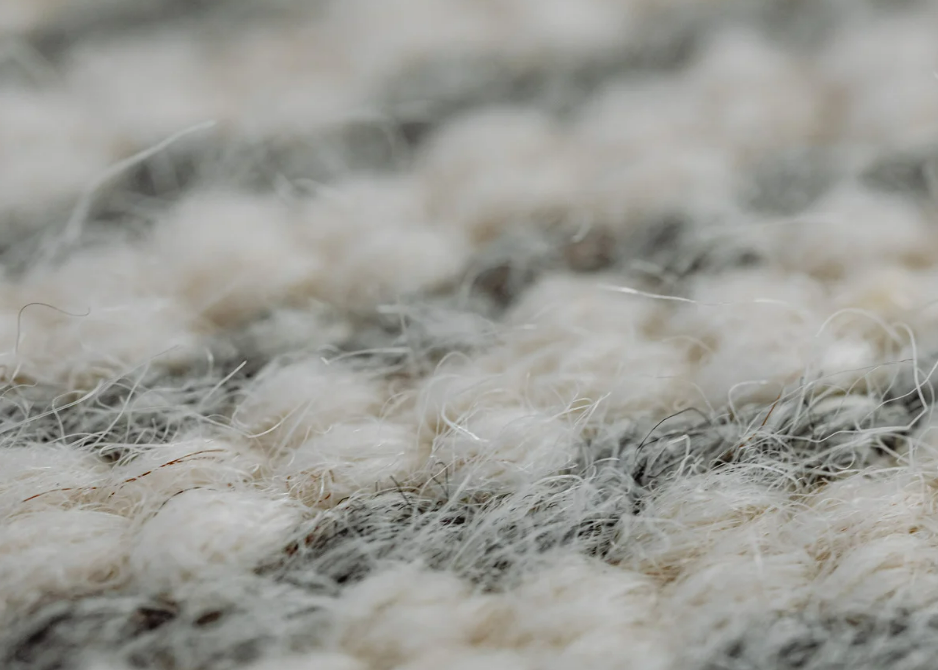
The best way to make sure that your wool projects last and stay looking good is to properly care for them.
Let me give you the rules here:
Always wash your wool in cool or lukewarm water. Hot water will felt and shrink wool, which you want when you need it, but not when you don’t.
Never use regular detergent. Wool wash is specifically pH neutral to not strip natural oils from wool fibres.
Never wring or twist wet wool.
This distorts the fibres and can permanently damage a project. Instead, gently press out excess water or roll your item in a clean towel to wick moisture away.
Lay flat to dry.
Hanging a wet wool item will stretch it out of shape.
Store properly between use.
Keep wool in breathable fabric or mesh bags. Plastic doesn’t allow the item to breath, which can lead to moisture and mildew problems. Use cedar or lavender sachets to naturally deter moths.
Final Thoughts
Crafting with wool is not just a trend…
It’s returning to basics with materials that just work the way you need them to work. Whether you’re creating a miniature sculpture, an oversized cardigan, or wall art, the versatility of wool delivers the results you’re after while synthetic fibres fall flat.
There’s a huge learning curve to get into any new craft, but each of these areas has a great community of folks that are always happy to help you learn.
Start with one technique and get the basics down, then move into the other areas once you’re comfortable. Every wool crafter was a beginner at one point.
Remember:
- Wool is the king of crafting due to its natural properties
- There’s so many techniques you can try for different looks
- Don’t make things harder on yourself by starting too complex
- Care for your wool projects properly for long-lasting results
Leave a Reply